Side-by-Side IQ Profile: Siberian Husky vs. Canaan Dog
The Cosmic Pet Pet IQ Lab categorizes canine intelligence across five key dimensions, offering a nuanced view beyond simple obedience. For the Siberian Husky, a Working breed, we see a profile geared towards independent action and enduring physical output, while the Herding Canaan Dog displays a more balanced, vigilant intelligence.
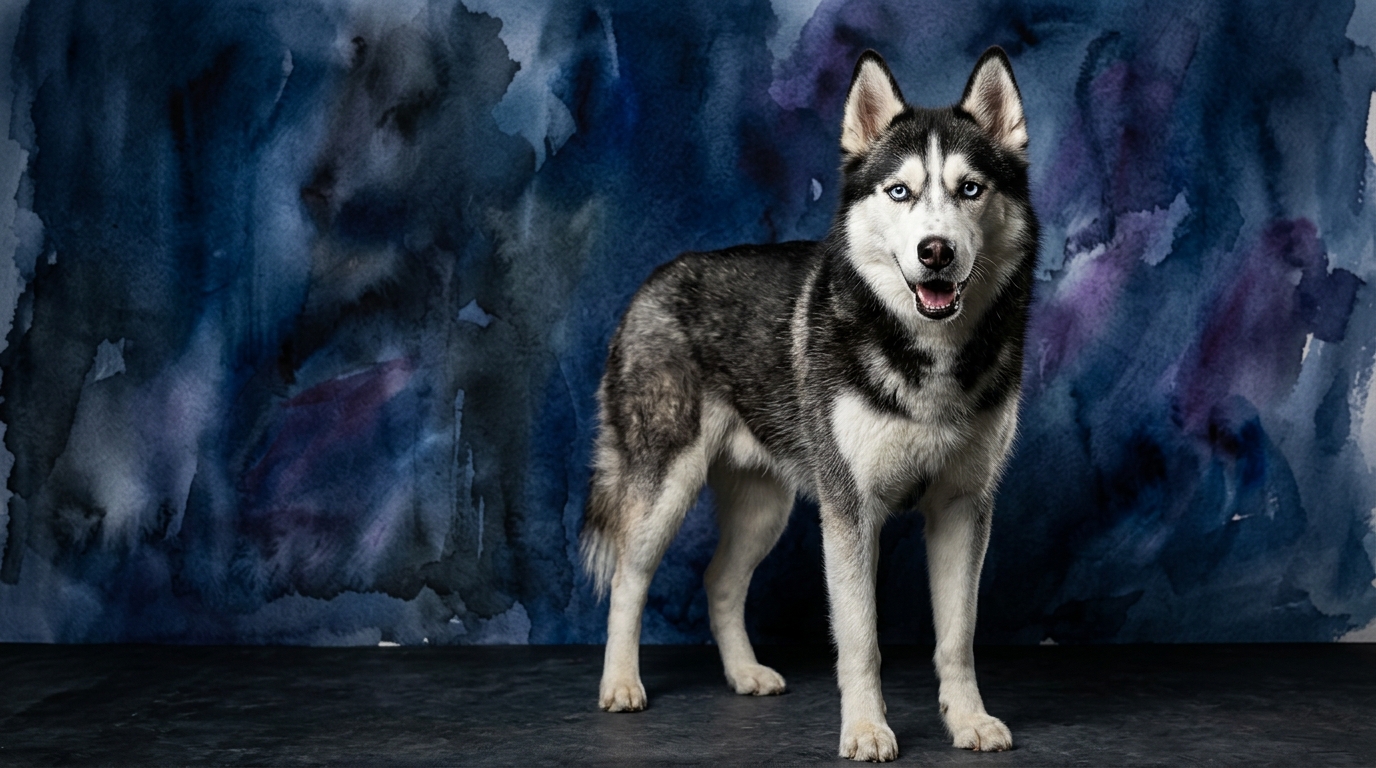
Siberian Husky (Working, Coren rank #45): Problem Solving 4/5, training Speed 2/5, social Intelligence 3/5, instinctive Drive 5/5, memory 4/5.
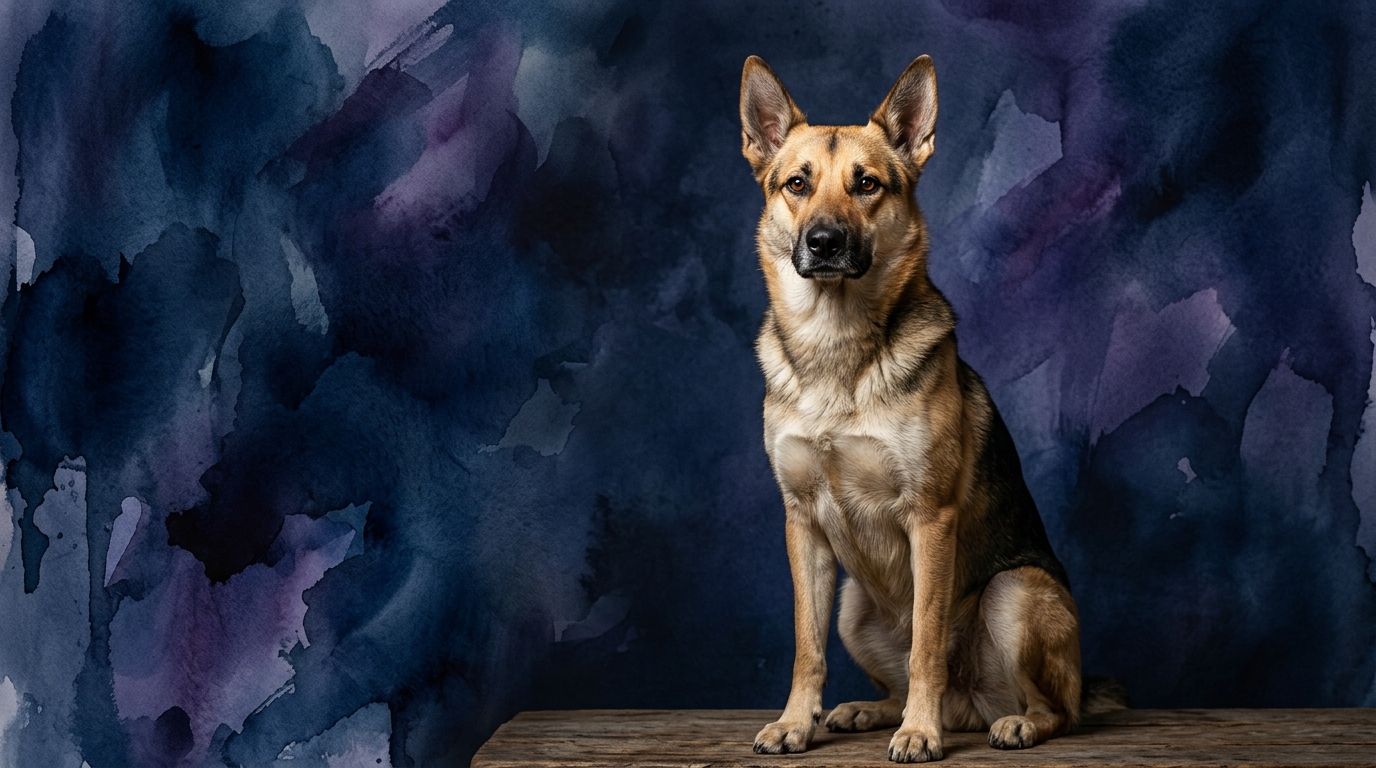
Canaan Dog (Herding, Coren rank #43): Problem Solving 3/5, training Speed 3/5, social Intelligence 3/5, instinctive Drive 3/5, memory 4/5.
Delving deeper into these scores reveals the unique cognitive architecture of each breed.
Siberian Husky IQ Breakdown:
Problem Solving (4/5): Siberian Huskies exhibit a remarkable capacity for independent problem-solving, often manifesting as ingenuity in navigating complex environments or finding clever ways to bypass obstacles. Their minds are constantly assessing their surroundings for opportunities, whether it's figuring out how to open a gate, escape a yard, or locate a hidden treat. This resourcefulness stems from centuries of survival in harsh conditions, where self-reliance was paramount. This isn't about solving puzzles for human approval, but rather for their own objectives, which can sometimes be at odds with their owner's plans.
Training Speed (2/5): Despite their problem-solving prowess, Huskies rank lower in training speed, primarily due to their independent nature rather than a lack of understanding. They comprehend commands, but their motivation to comply often depends on their assessment of the benefit to themselves. This breed does not possess an inherent "eagerness to please" in the traditional sense; instead, they require consistent, engaging, and highly motivating training methods to capture their attention and secure their cooperation. Owners must be patient and creative, understanding that a Husky learns what works for *them*, not just what is asked of them.
Social Intelligence (3/5): Huskies display a moderate level of social intelligence. They are generally amiable and get along well with other dogs, often thriving in multi-dog households, reflecting their pack-oriented heritage. With humans, they form strong bonds but are not typically clingy or overly demonstrative. Their social awareness extends to reading human moods and intentions, yet they often choose to prioritize their own desires over human directives, especially if a more enticing activity presents itself. They understand social cues, but compliance is often optional.
Instinctive Drive (5/5): This is where the Siberian Husky truly shines, exhibiting an exceptionally high instinctive drive. Their deeply ingrained desire to run, pull, and explore is a powerful cognitive force. This drive manifests as an intense wanderlust, a strong prey drive towards small animals, and an innate need for extensive physical activity. Owners must channel this drive through appropriate outlets like sledding, canicross, or long-distance running, or risk the Husky finding their own, often destructive, ways to satisfy these profound urges. It's a drive that constantly seeks an outlet, shaping much of their daily behavior.
Memory (4/5): Huskies possess an excellent memory, particularly for routes, locations, and past experiences. They can recall training cues and routines, even after long breaks, which can be both a blessing and a curse; they remember what they've learned, but also remember past opportunities for mischief or escape. Their spatial memory is impressive, allowing them to navigate complex trails and return home over long distances, a crucial trait for their historical role as sled dogs.
Canaan Dog IQ Breakdown:
Problem Solving (3/5): Canaan Dogs exhibit a practical, utilitarian approach to problem-solving, rooted in their historical role as independent herders and guardians in harsh desert environments. They are capable of assessing situations and making decisions to protect their territory or family, such as identifying potential threats or finding the most efficient way to move livestock. Their problem-solving is less about creative mischief and more about effective, self-sufficient action within their perceived responsibilities. They are intelligent enough to adapt to new challenges but often prefer a structured approach.
Training Speed (3/5): The Canaan Dog's training speed is moderate. They are intelligent and capable of learning commands efficiently, especially when training is consistent, fair, and engaging. Unlike the Husky's independence, the Canaan Dog often *wants* to please its chosen human, but their sensitivity and self-preservation instincts mean they will disengage if training is harsh or confusing. They respond best to positive reinforcement and a clear, confident leader, quickly forming associations between actions and rewards. They are quick to learn routines and expectations within a stable home environment.
Social Intelligence (3/5): Canaan Dogs possess a robust social intelligence, particularly focused on their immediate family and territory. They are deeply attuned to the moods and intentions of their human companions, forming strong, protective bonds. While reserved with strangers, their social intelligence allows them to quickly discern friend from foe, making them excellent watchdogs. They understand social hierarchies and respond well to consistent leadership, contributing to their ability to be integrated into a family unit while maintaining their ancient guarding instincts.
Instinctive Drive (3/5): The Canaan Dog's instinctive drive is moderate, primarily expressed through their inherent herding and guarding behaviors. They have a natural inclination to survey their surroundings, patrol their territory, and alert their family to anything unusual. While they possess some prey drive, it is generally less intense and less focused on distant pursuit than that of a Husky, often manifesting as chasing small critters within their designated area. Their drive is more about vigilance and protection rather than boundless exploration.
Memory (4/5): Similar to the Husky, Canaan Dogs have an excellent memory. They retain learned commands, routines, and past experiences with remarkable clarity. This strong memory contributes to their effectiveness as guardians, as they remember who belongs and who doesn't, and recall past interactions. They quickly learn the rhythms of their household and the expectations placed upon them, which aids both in training and in their role as a family member.
Where Siberian Husky Wins Cognitively
The Siberian Husky's cognitive strengths truly shine in their unparalleled problem-solving abilities and their profound instinctive drive. With a 4/5 in problem-solving, they demonstrate an almost legendary capacity for independent thought, often translating into cunning escapes or innovative ways to achieve their own objectives, whether that's accessing a food stash or finding a path through a seemingly impenetrable fence. This isn't about following a script; it's about dynamic, on-the-fly strategizing for self-interest. Furthermore, their 5/5 instinctive drive for running and endurance makes them masters of repetitive, high-energy tasks. Their minds are wired for sustained effort and navigating vast, open spaces, a cognitive advantage for activities requiring stamina and route memory over complex obedience.
Where Canaan Dog Wins Cognitively
The Canaan Dog's cognitive advantages lie in their balanced blend of practical problem-solving, trainability, and finely tuned social intelligence, all geared towards vigilance and protection. While their problem-solving scores 3/5, it's a pragmatic intelligence focused on their role as a guardian, adept at assessing threats and making independent decisions to secure their territory or family, rather than purely for personal adventure. Their moderate training speed (3/5) combined with their memory (4/5) means they learn and retain commands effectively when approached with consistent, fair leadership, making them more receptive to structured guidance than the Husky. Their social intelligence, while reserved with strangers, is deeply devoted to their chosen family, allowing them to anticipate needs and act as a highly attuned, protective companion, a trait not as pronounced in the more independent Husky.
Which is Easier to Train and Why?
When assessing trainability, the Canaan Dog generally presents a more straightforward path for dedicated owners than the Siberian Husky. The Canaan Dog's training speed of 3/5 suggests a willingness to learn and an ability to pick up new commands with reasonable efficiency, especially when positive reinforcement and clear expectations are employed. They are sensitive and desire a confident leader, and once that bond and respect are established, their 4/5 memory ensures they retain what they've learned. Their instinctive drive of 3/5 is manageable, focused on vigilance and protection rather than an overwhelming urge to flee or chase.
In contrast, the Siberian Husky, with a training speed of only 2/5, offers a considerably greater challenge. Their problem-solving (4/5) often leads them to question the *necessity* of a command if it doesn't align with their immediate desires. Their powerful instinctive drive (5/5) for running and exploring means they are easily distracted by environmental stimuli, and their independent nature makes them less inclined to blindly follow commands. While they possess an excellent memory (4/5), remembering a command doesn't automatically translate to compliance; a Husky often chooses *if* and *when* to obey. Training a Husky demands immense patience, creativity, and a deep understanding of their unique motivations, often requiring owners to make training feel like a game or a beneficial exchange rather than a strict directive.
Which Suits Active Owners vs. Relaxed Owners?
For owners embracing an intensely active lifestyle, the Siberian Husky is an ideal match. Their extreme instinctive drive (5/5) and need for extensive physical activity mean they thrive with owners who can provide daily long runs, hikes, or participate in dog sports like sledding or canicross. Their problem-solving skills (4/5) also necessitate mental stimulation to prevent boredom and destructive behaviors. They are companions for adventures, requiring an owner who delights in their independent spirit and is prepared for a dog that needs constant engagement and a secure environment to prevent escapes.
The Canaan Dog, while still requiring regular exercise, is better suited for moderately active owners who appreciate a vigilant, loyal companion. Their instinctive drive (3/5) is focused more on patrolling and guarding, meaning they benefit from structured walks, playtime, and mental challenges that reinforce their bond and role within the family. They are not content to be couch potatoes but do not demand the same relentless physical output as a Husky. Owners who value a dog with a strong sense of territory, a reserved demeanor with strangers, and a deep devotion to their family will find the Canaan Dog a rewarding, albeit demanding, addition, provided they offer consistent leadership and early, thorough socialization.
The Verdict
Choose the Siberian Husky if you are an adventurous, highly active individual or family seeking an independent, resilient companion for extreme outdoor activities, and you are prepared for significant training challenges and a dog with a profound wanderlust.
Opt for the Canaan Dog if you desire a loyal, vigilant, and protective companion who thrives on structure and clear leadership, and you can provide consistent socialization and moderate daily exercise to channel their natural guarding instincts.
🧠 Find Your Pet's IQ Score
Our Pet IQ Lab assessment covers 25+ tests across 5 cognitive dimensions — personalized to your breed.
Take the Full IQ Test →Frequently Asked Questions
Are Siberian Huskies good off-leash?
Due to their exceptionally high instinctive drive (5/5) for running and a strong prey drive, Siberian Huskies are generally not reliable off-leash in unsecured areas. Their independent problem-solving often means they prioritize their own exploration over returning to their owner, making secure containment crucial.
Do Canaan Dogs bark a lot?
Canaan Dogs, with their historical role as guardians, are natural alert barkers. They are highly observant of their surroundings and will typically bark to signal the presence of strangers or anything unusual in their territory, requiring consistent training to manage this trait.
Which breed is better for first-time dog owners?
Neither breed is typically recommended for first-time dog owners without extensive research and commitment. However, the Canaan Dog might be marginally more manageable for a dedicated novice due to less extreme physical demands, though their guarding instincts and need for confident leadership still present significant challenges. Huskies require an owner deeply experienced in managing strong prey drives and independent dispositions.