The Cosmic Pet IQ Lab Profiles: Husky vs. Dogo
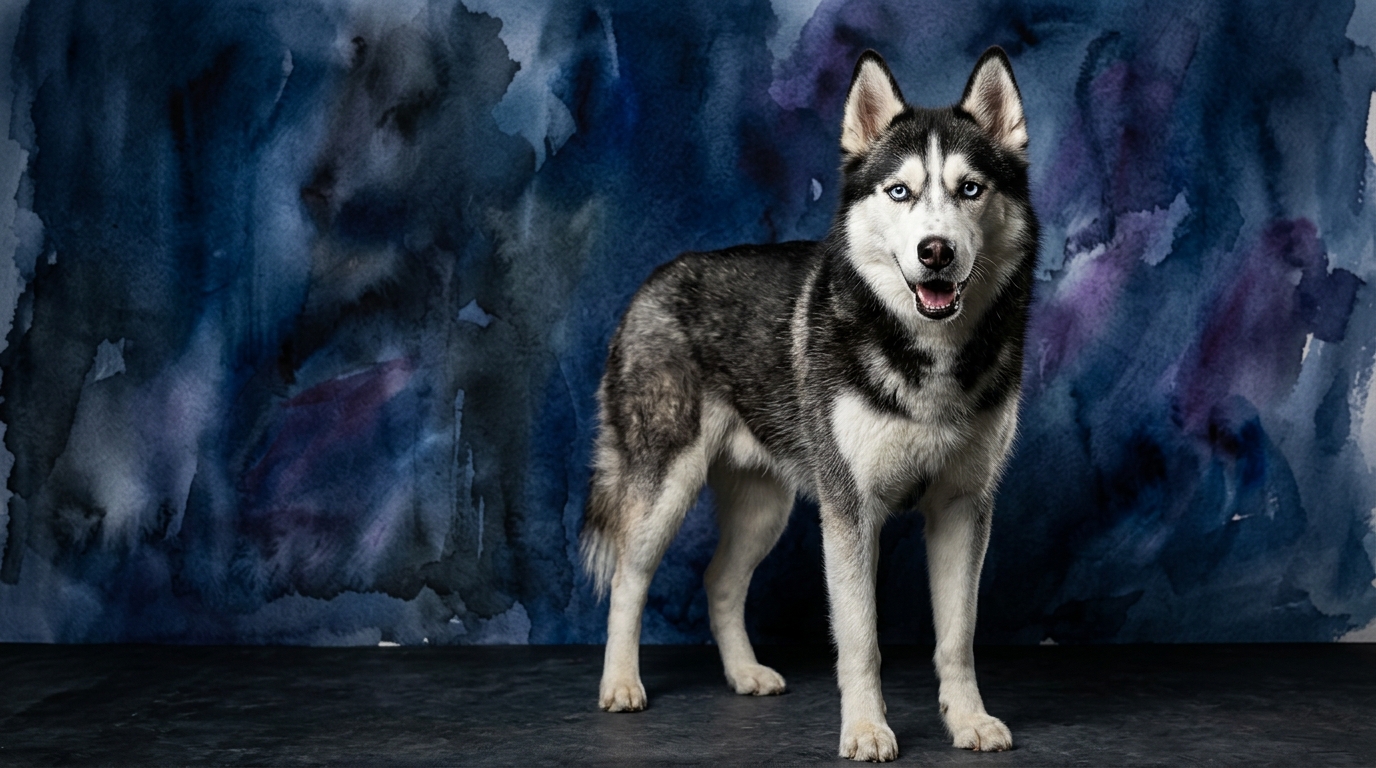
The Siberian Husky, ranked #45 by Coren, presents a distinct cognitive profile. Their problem-solving capacity sits at a robust 4/5, indicative of a breed adept at navigating complex environments independently, often with a mind of its own. This cognitive independence is coupled with a training speed of 2/5, suggesting a learning process that requires patience and consistent motivation rather than eager compliance. Social intelligence registers at 3/5, allowing for connection but not necessarily prioritizing human direction in all scenarios. A potent instinctive drive, rated 5/5, fuels their desire to run, explore, and follow scents, a legacy of their sled-pulling heritage. Finally, their memory stands at 4/5, meaning they recall experiences and learned behaviors effectively, for better or worse.
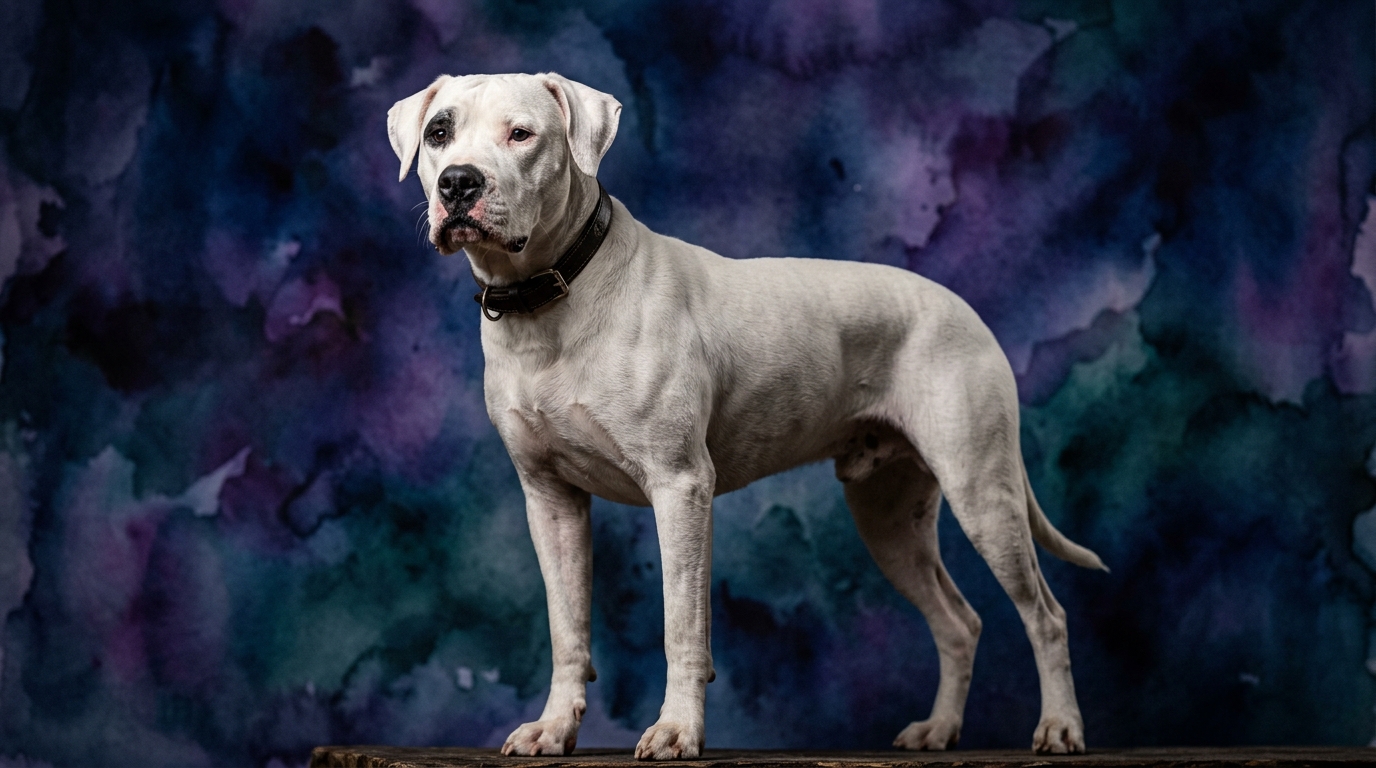
In contrast, the Dogo Argentino, while not listed in Coren's rankings, offers a more uniformly balanced cognitive makeup according to our metrics. Their problem-solving ability is a solid 3/5, indicating they can tackle challenges but might rely more on human guidance for complex tasks. Training speed is also 3/5, suggesting they are receptive learners, neither exceptionally quick nor particularly stubborn. Social intelligence mirrors this balance at 3/5, allowing them to form strong bonds and understand social cues effectively. Their instinctive drive, rated 3/5, is present but often more controlled than the Husky's, reflecting their historical role as a coordinated hunting partner. Memory for the Dogo Argentino is also 3/5, meaning they retain information adequately without the Husky's pronounced recall.
Where the Siberian Husky’s Mind Shines
The Siberian Husky's cognitive strengths are deeply rooted in their ancestral role as endurance sled dogs. Their 4/5 problem-solving score means they are adept at figuring out solutions to environmental challenges, such as finding a way around an obstacle or discerning how to open a gate. This ingenuity, while useful for survival, often translates into a dog that can outthink its owner in terms of escape routes or procuring forbidden items. Their impressive 5/5 instinctive drive is a testament to their deep-seated need for physical exertion and exploration, a mental engine that constantly seeks engagement and novelty in their surroundings. This drive isn't just about physical activity; it's a mental blueprint for independent action and sustained focus on a perceived goal, be it a distant scent or the urge to run.
Furthermore, the Husky’s 4/5 memory contributes significantly to their ability to navigate complex routes and remember past experiences, both positive and negative. This strong recall means they quickly learn which behaviors yield rewards and which lead to undesirable outcomes, but it also means they remember that time the gate was left ajar. Their Coren ranking of #45 places them among breeds with above-average working intelligence, specifically in terms of understanding and executing commands, though their independent nature often tempers this compliance. Their cognitive toolkit is geared towards self-sufficiency and perseverance in demanding conditions.
The Dogo Argentino’s Cognitive Edge
The Dogo Argentino's cognitive profile, while not as extreme in any single dimension as the Husky’s, offers a distinct advantage in terms of balanced application and willingness to engage. Their 3/5 training speed, compared to the Husky's 2/5, indicates a more straightforward and less resistant learning curve. This doesn't suggest they are 'eager to please' in the retriever sense, but rather that they are generally more amenable to structured training and less prone to independent decision-making when a clear directive is given. Their 3/5 social intelligence, paired with a moderate instinctive drive, allows them to integrate well into a family unit, understanding hierarchies and boundaries without the Husky's inherent urge to roam or test limits.
The Dogo's cognitive strength lies in their capacity for focused, cooperative work, a trait honed for their original purpose as coordinated hunters. While their problem-solving is 3/5, it's often applied in a way that seeks input from their human partners rather than purely independent action. Their moderate instinctive drive means they are less likely to be perpetually distracted by every scent or movement, allowing for better focus during training sessions and daily interactions. This breed's cognitive architecture supports a partnership model, where their mental attributes are channeled effectively under guidance, making them a more predictable and responsive companion in many domestic settings.
Trainability: Husky’s Independence vs. Dogo’s Cooperation
When considering ease of training, the differences between these two breeds become particularly pronounced. The Siberian Husky's 2/5 training speed and powerful 5/5 instinctive drive present a significant challenge. Huskies are not inherently disobedient; rather, their minds are often preoccupied with their own agenda, driven by an insatiable desire to explore and run. They learn quickly, thanks to their 4/5 memory, but applying that learning in a consistent, human-directed manner requires immense patience, creativity, and a deep understanding of their motivations. Their independent problem-solving often means they'll find ways to circumvent rules if not properly motivated, such as 'learning' that waiting by the door sometimes results in an escape, even if they're not explicitly allowed out.
The Dogo Argentino, with a 3/5 training speed and 3/5 instinctive drive, offers a more receptive canvas for training. While they are powerful dogs that require firm, consistent leadership, their mental makeup is less prone to the independent wanderlust of the Husky. They are generally more focused on their handler during training and less easily distracted by environmental stimuli. Their moderate social intelligence means they are responsive to human cues and appreciate clear communication. This doesn't mean training a Dogo is effortless; they still require early socialization and consistent reinforcement, but their cognitive inclination towards cooperation makes the process generally smoother and more predictable than with a Husky.
Matching Minds to Lifestyles: Active vs. Balanced Owners
For owners with an exceptionally active lifestyle and a penchant for independent, self-motivated companions, the Siberian Husky aligns well. Their profound instinctive drive and need for extensive physical and mental stimulation demand an owner who can commit to daily, vigorous exercise – not just a walk, but often long runs, hikes, or sledding activities. An owner who appreciates a dog’s independent problem-solving skills, even when they manifest as escape artistry, and who enjoys the challenge of working with a strong-willed, free-thinking individual will thrive with a Husky. This breed suits those who see their dog as a partner in adventure, rather than a constantly compliant follower, and who are prepared for a dog that will always look for the next exciting pursuit.
The Dogo Argentino, while still requiring significant activity due to its working heritage, suits an owner who desires a powerful, engaged companion that is more inclined towards cooperative effort. Owners who value a dog that is responsive to direction, capable of focused tasks, and generally more predictable in its interactions will find the Dogo a better fit. Their balanced cognitive profile means they can adapt to various activities, from structured training and dog sports to family outings, without the intense, singular focus on roaming that defines many Huskies. This breed thrives with owners who can provide consistent leadership and channel their physical and mental energies into purposeful activities within a family structure, appreciating their loyalty and protective instincts.
The Verdict: Choosing Your Canine Companion
Choosing between a Siberian Husky and a Dogo Argentino hinges on understanding their fundamental cognitive leanings and how they align with your lifestyle. The Husky offers a challenging yet rewarding experience for those who relish an independent, problem-solving companion with an immense drive for exploration and endurance. Their spirit is one of freedom and self-reliance, requiring an owner who respects and can manage these traits.
The Dogo Argentino provides a powerful, loyal partner whose cognitive balance makes them more amenable to structured training and cooperative living. They are suited for owners seeking a responsive, focused companion that can be integrated into a family life with consistent guidance, offering protection and devotion without the Husky's pronounced wanderlust.
The Verdict
Choose a Siberian Husky if you are an experienced, highly active owner who embraces a dog’s strong independence, problem-solving ingenuity, and relentless drive for exploration, even if it means a higher training challenge.
Opt for a Dogo Argentino if you seek a powerful, loyal companion with a balanced temperament and a greater inclination towards cooperative training, provided you can offer firm, consistent leadership and active engagement.
🧠 Find Your Pet's IQ Score
Our Pet IQ Lab assessment covers 25+ tests across 5 cognitive dimensions — personalized to your breed.
Take the Full IQ Test →Frequently Asked Questions
Are Siberian Huskies difficult to train because of their problem-solving skills?
Siberian Huskies are not 'difficult' in the sense of lacking intelligence, but their problem-solving skills (4/5) and strong instinctive drive (5/5) often lead them to prioritize their own agenda over human commands. This requires highly engaging, consistent training methods that cater to their independent nature and high energy.
How does the Dogo Argentino's social intelligence compare to the Siberian Husky's?
Both breeds have a social intelligence rating of 3/5, suggesting they form bonds and understand social cues adequately. However, the Dogo Argentino’s balanced instinctive drive (3/5) generally makes them more inclined to seek interaction and direction from their human family, whereas the Husky's stronger drive often leads to more independent social engagement.
Which breed requires more mental stimulation to prevent destructive behaviors?
Both breeds require significant mental stimulation, but for different reasons. The Siberian Husky's high problem-solving (4/5) and instinctive drive (5/5) mean they need constant mental challenges to prevent boredom-driven destructive behaviors or escape attempts. The Dogo Argentino, with its balanced profile, still needs engagement to channel its powerful physique and moderate drives, but might be less prone to the unique forms of mischief that arise from the Husky's intense independence.