The Cosmic Pet Pet IQ Lab: Side-by-Side Cognitive Profiles
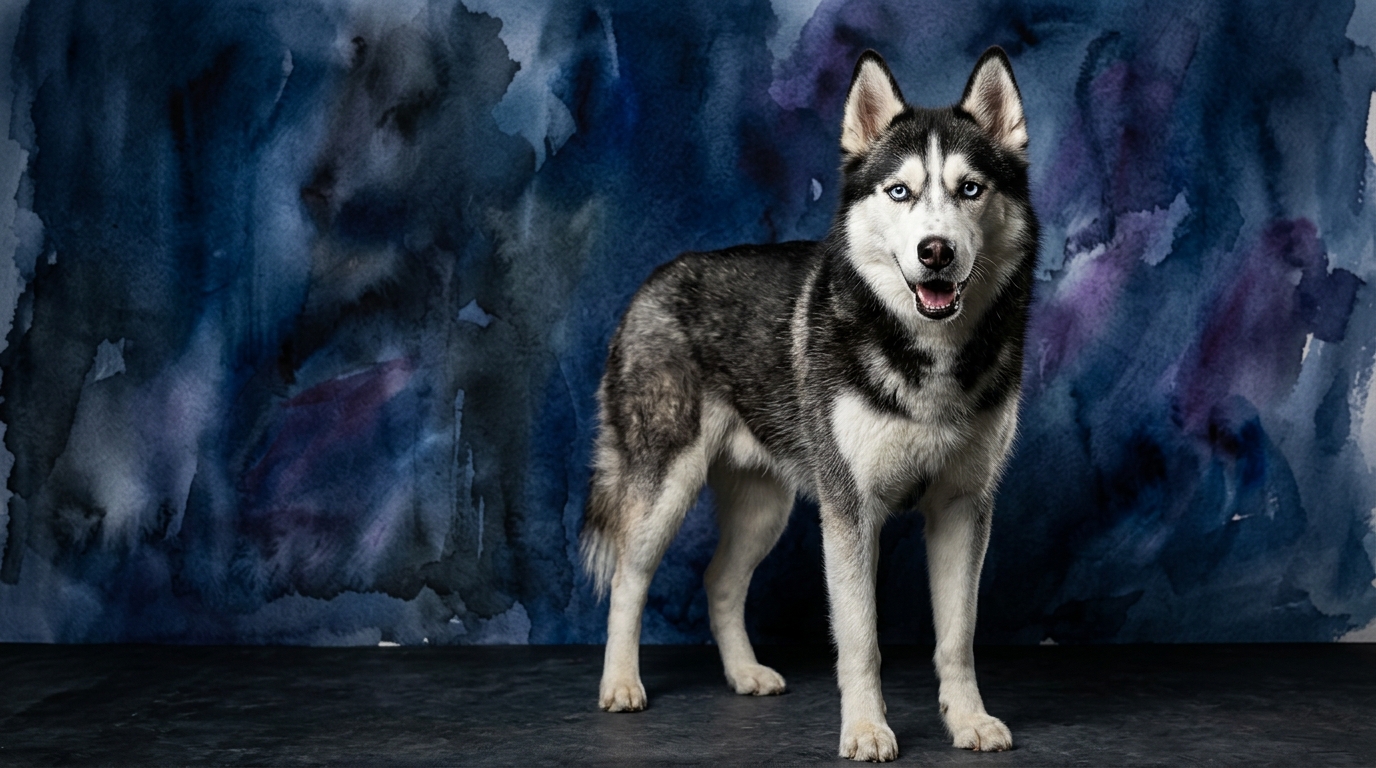
The Cosmic Pet Pet IQ Lab employs a multi-dimensional approach to assess canine cognition, moving beyond simplistic notions of 'smartness' to evaluate specific facets of intelligence. For the Siberian Husky, a breed historically valued for its endurance and independent decision-making in vast, challenging environments, its profile reflects these origins. Its Problem Solving is rated at 4/5, indicating a strong capacity for independent thought and finding solutions to environmental challenges, often without human direction. Training Speed, however, stands at 2/5, suggesting a more deliberate and often independent learning process, where compliance is not always immediate. Social Intelligence is 3/5, reflecting a generally amicable nature with both humans and other canines, yet not an overwhelming desire for constant human approval. Instictive Drive is a commanding 5/5, a testament to its powerful ancestral urges for pulling, running, and exploring. Finally, Memory is 4/5, indicating a good retention of learned experiences and routes, crucial for its working heritage.
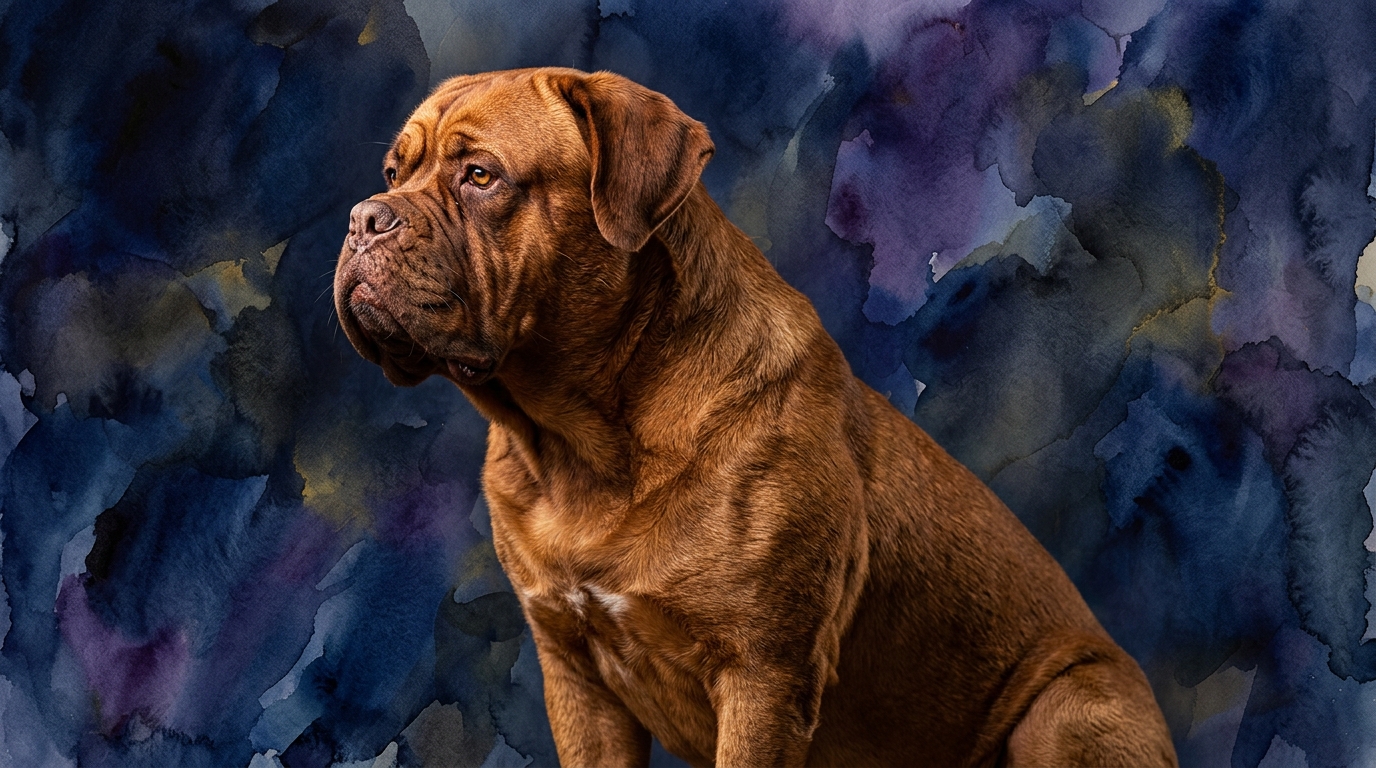
In contrast, the Dogue de Bordeaux, a breed with a history rooted in guarding, hunting, and companionship, presents a different cognitive landscape. Its Problem Solving is rated 3/5, demonstrating practical intelligence but perhaps less of the independent, 'figure-it-out-yourself' tenacity seen in the Husky. Training Speed is 3/5, suggesting a moderate pace of learning and a greater willingness to engage in cooperative training exercises compared to the Husky, though still requiring consistent effort. Social Intelligence is 3/5, highlighting its deep family bonds and often reserved nature with strangers, typical of a guardian breed. Instictive Drive is 3/5, reflecting a strong protective instinct but not the intense prey drive or endurance requirements of the Husky. Memory is 3/5, meaning it retains information reasonably well but might not exhibit the same level of detailed recall as a Husky, particularly over long periods or complex sequences. It's also notable that the Siberian Husky holds a Coren rank of #45, placing it within the average working intelligence category for obedience and working ability, while the Dogue de Bordeaux is not Coren-ranked, which doesn't diminish its intelligence but rather indicates it hasn't been specifically assessed within that particular framework.
Where the Siberian Husky's Cognition Shines Brightest
The Siberian Husky undeniably excels in areas demanding self-reliance and environmental navigation. Its 4/5 Problem Solving score is not merely theoretical; it manifests in their daily lives as a remarkable ability to strategize and execute escape plans, whether it's figuring out how to open a gate, unlatch a crate, or scale a fence. This isn't stubbornness as much as it is an innate drive to understand and manipulate their surroundings to achieve their goals, often driven by a strong desire to explore. Owners frequently recount tales of Huskies outsmarting elaborate containment measures, a clear demonstration of their cognitive flexibility and resourcefulness.
Furthermore, the Husky's 5/5 Instinctive Drive is a profound cognitive asset, particularly in its original context. This isn't just about physical stamina; it's a deep-seated mental drive to engage in repetitive, strenuous tasks like pulling a sled over vast distances, requiring sustained focus and an inherent understanding of their role within a team. This drive translates into an incredible capacity for endurance-based activities and a mental fortitude that allows them to push through challenges. Coupled with a 4/5 Memory, Huskies are adept at retaining complex routes and learning from past experiences, making them excellent companions for those who understand how to channel these powerful cognitive attributes into productive activities.
Unpacking the Dogue de Bordeaux's Cognitive Strengths
While the Dogue de Bordeaux may not display the independent problem-solving flair of the Husky, its cognitive strengths lie in different, yet equally valuable, domains. Its 3/5 Training Speed, while moderate, surpasses the Husky's 2/5, indicating a greater inherent biddability and a stronger desire for cooperative learning. This means a Dogue de Bordeaux is generally more receptive to human guidance and instruction, making the initial stages of obedience training potentially less challenging for the average owner. They may not learn a new command in one or two repetitions, but with consistent, positive reinforcement, they are more inclined to internalize and perform behaviors to please their human companions.
The Dogue de Bordeaux's Social Intelligence, also rated 3/5, manifests differently than the Husky's. Where a Husky is often universally friendly and pack-oriented, the Dogue de Bordeaux excels in forming exceptionally deep, devoted bonds with its immediate family. This strong familial attachment contributes to their protective instincts (3/5 Instinctive Drive), making them highly attuned to the dynamics within their household. Their social cognition is geared towards understanding and responding to their family's needs and perceived threats, making them watchful and loyal guardians rather than independent adventurers. This focus on their human family translates into a dog that often prefers close companionship and will seek direction from its owners, a valuable cognitive trait for those seeking a devoted, family-centric canine.
Ease of Training: A Tale of Two Temperaments
When considering ease of training, the Dogue de Bordeaux generally presents a more straightforward path than the Siberian Husky. The Dogue de Bordeaux's 3/5 Training Speed, combined with its inherent desire to please and a lower instinctive drive for independent action, means it is typically more receptive to learning and adhering to commands. They respond well to positive reinforcement, consistency, and a calm, confident handler. While their sheer size and strength necessitate early and thorough training to ensure they are well-mannered, their motivation often comes from their bond with their family and a desire for harmonious coexistence, making them relatively cooperative students.
The Siberian Husky, with its 2/5 Training Speed, is often considered more challenging to train, not because of a lack of cognitive capacity, but due to its profound independence and formidable instinctive drives. Their 5/5 Instinctive Drive for running, exploring, and pulling can easily overshadow a desire to obey a command if it conflicts with their immediate urges. They learn quickly, but their strong will means they might choose *not* to comply, especially if they perceive a more interesting alternative. Training a Husky requires immense patience, creativity, and a deep understanding of their motivations. Owners must consistently make training more rewarding and engaging than their inherent desire to follow their own agenda, often leveraging their love for running and exploring as a reward rather than a distraction.
Matching Breeds to Lifestyles: Active vs. Relaxed Owners
The cognitive profiles of these two breeds paint a clear picture of their ideal living situations and owner types. The Siberian Husky is unequivocally suited for highly active owners. Their 5/5 Instinctive Drive for physical activity, coupled with their 4/5 Problem Solving, means they require not just physical exercise but also significant mental stimulation to prevent boredom and destructive behaviors. Owners who enjoy long runs, hiking, biking, or dog sports like canicross, skijoring, or agility will find a willing and capable partner in a Husky. Their independent nature also means owners must be prepared for a dog that thrives on exploring and will require secure containment and off-leash training in safe, appropriate environments.
Conversely, the Dogue de Bordeaux, while still a powerful and active breed, is better suited for owners with a more relaxed lifestyle, provided they can offer consistent, moderate exercise. Their 3/5 Instinctive Drive and 3/5 Problem Solving mean they are less likely to seek out independent adventures or require the same intense, endurance-based outlets as a Husky. They thrive on companionship and are content with daily walks, playtime in a secure yard, and being an integral part of family life. Owners who appreciate a loyal, devoted companion that enjoys relaxing at home after a good walk, and who are committed to consistent positive training to manage their strength and ensure good manners, will find a wonderful match in the Dogue de Bordeaux.
The Verdict
Choose a Siberian Husky if you are an experienced, highly active individual or family, passionate about outdoor adventures and prepared to channel a dog's profound independence and intense drives through consistent training and ample mental stimulation.
Opt for a Dogue de Bordeaux if you seek a loyal, devoted family guardian with a calmer disposition, willing to dedicate time to consistent, positive training to manage their strength, and appreciate a powerful companion that thrives on close companionship rather than extreme endurance activities.
🧠 Find Your Pet's IQ Score
Our Pet IQ Lab assessment covers 25+ tests across 5 cognitive dimensions — personalized to your breed.
Take the Full IQ Test →Frequently Asked Questions
Are Siberian Huskies difficult to train?
Siberian Huskies are often considered challenging to train due to their strong independence and high instinctive drive for running and exploring. They learn quickly but may choose to prioritize their own desires over commands, requiring consistent, motivational training and a deep understanding of their unique motivations.
What is the main difference in social intelligence between these breeds?
Both breeds possess social intelligence, but it manifests differently. The Dogue de Bordeaux typically forms deep, protective bonds with its immediate family, often being reserved with strangers. Huskies are generally more universally friendly and pack-oriented, interacting well with many people and other dogs, but less singularly devoted to one person or family.
How does the 'Instinctive Drive' rating impact daily life for these breeds?
A Husky's 5/5 instinctive drive means an intense need to run, pull, and potentially chase small animals, requiring secure containment and outlets for these powerful urges like sledding or canicross. A Dogue de Bordeaux's 3/5 drive translates to a strong protective instinct but less of the intense urge to roam or hunt, making them generally calmer companions within their family environment.