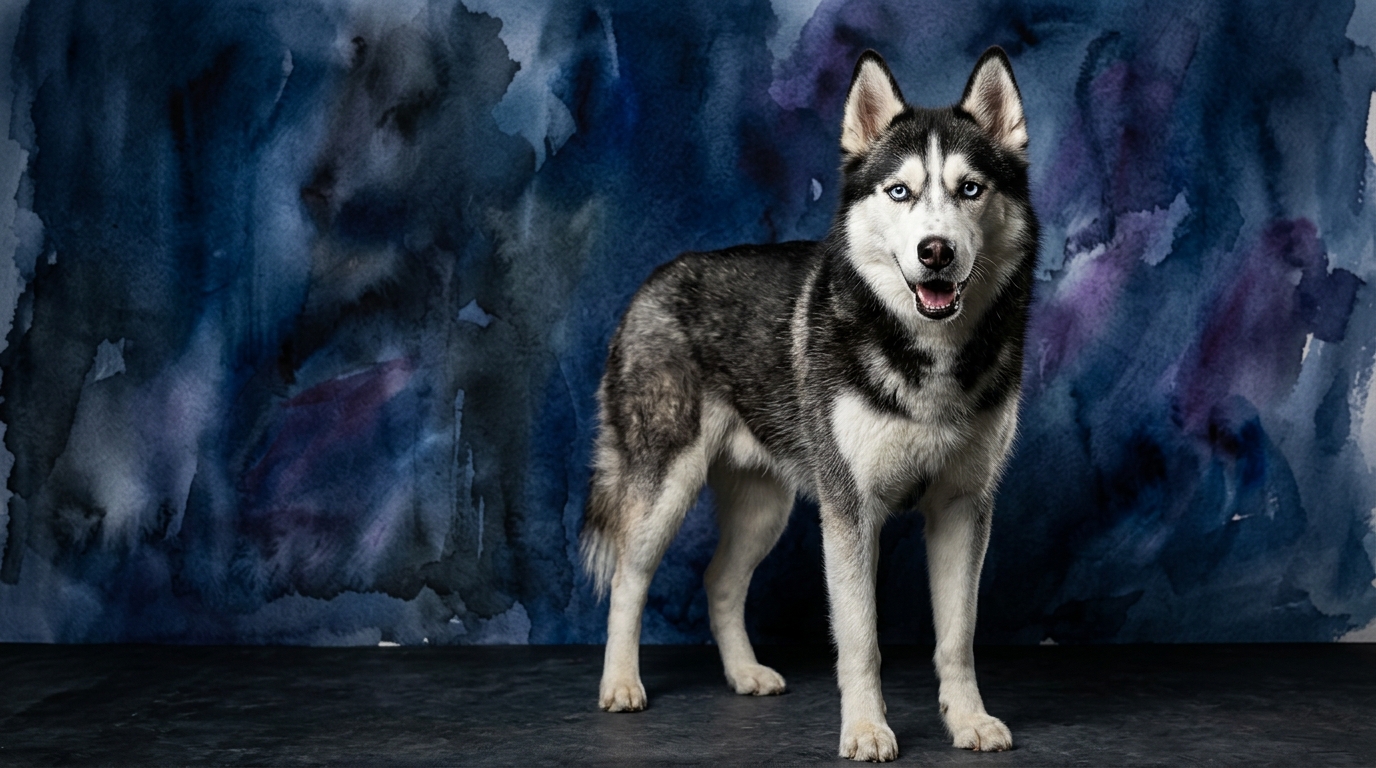
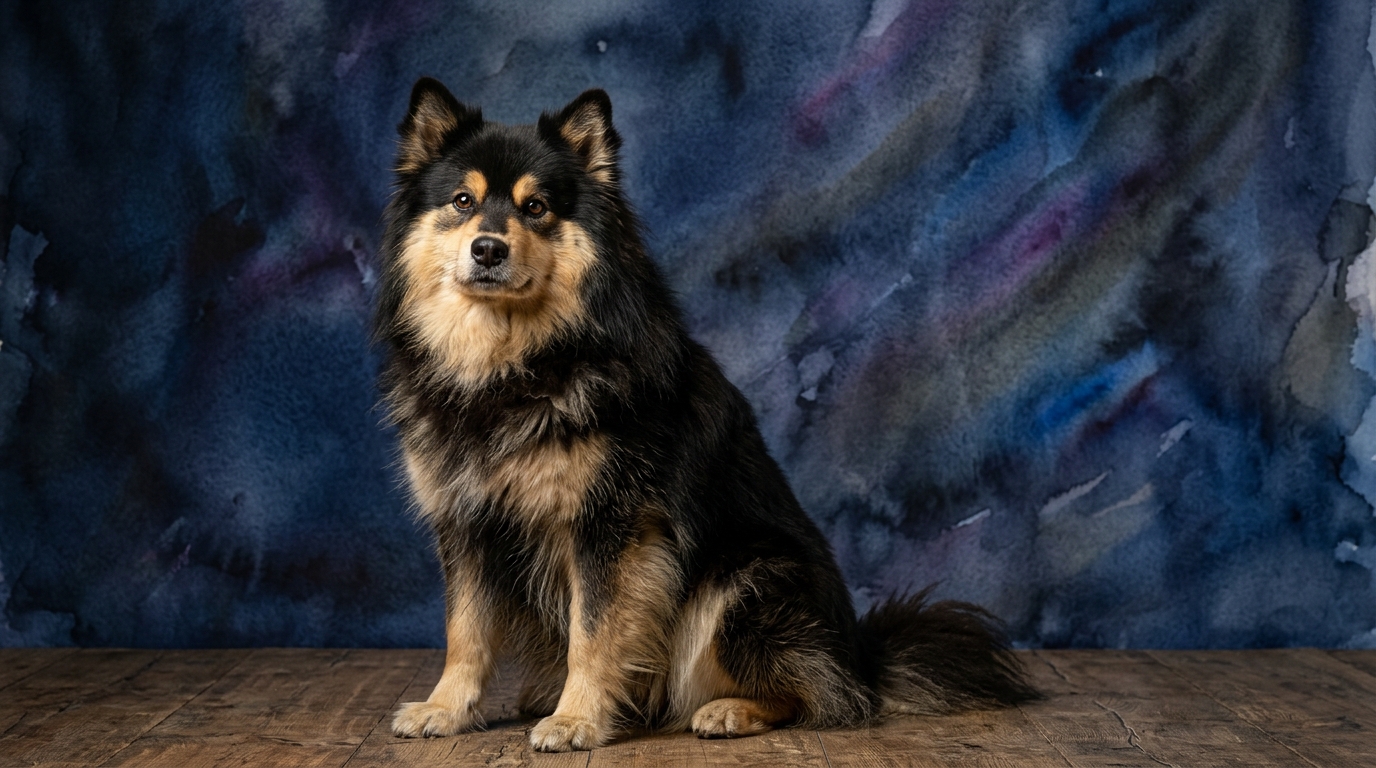
Side-by-Side IQ Profile: Siberian Husky vs. Finnish Lapphund
The Cosmic Pet Pet IQ Lab employs a five-dimensional framework to assess canine intelligence, providing a nuanced understanding beyond simple obedience. Let's break down the cognitive profiles of the Siberian Husky and the Finnish Lapphund.
**Siberian Husky (Working Dog, Coren rank #45):**
**Problem Solving (4/5):** Huskies exhibit strong independent problem-solving skills, particularly when it comes to navigating complex environments or finding creative ways to overcome obstacles. This reflects their need to make quick decisions on a sledding trail without constant human direction. Their ingenuity often manifests in escape artistry.
**Training Speed (2/5):** Their independent nature and strong will often mean Huskies are slower to pick up and consistently perform commands, preferring to assess if a task aligns with their own motivations. This isn't due to a lack of understanding, but rather a selective willingness to comply that requires persistent and engaging training methods.
**Social Intelligence (3/5):** Huskies possess a moderate level of social intelligence, interacting well within a pack structure, be it canine or human. They understand social cues but often prioritize their own needs or perceived freedoms within that structure, often greeting all equally rather than singling out one person.
**Instinctive Drive (5/5):** Their innate drives are exceptionally strong, particularly for running, exploring, and often a significant prey drive. This deep-seated instinct to move and hunt is a core component of their mental landscape, demanding extensive outlets for expression.
**Memory (4/5):** Huskies demonstrate a robust memory, especially for routes, locations, and past experiences, which is crucial for their historical role as sled dogs navigating vast, often featureless, terrains. They remember where they’ve been and how to get back.
**Finnish Lapphund (Herding Dog, Not Coren-ranked):**
**Problem Solving (3/5):** Lapphunds show competent problem-solving abilities, particularly in tasks related to their herding origins, such as managing livestock or navigating familiar environments to keep their flock together. Their solutions are often cooperative and practical rather than purely independent.
**Training Speed (3/5):** These dogs possess a moderate training speed, generally eager to please and receptive to learning new commands, especially when positive reinforcement is used. Their cooperative spirit and desire to work alongside their human companions aid in faster acquisition of new behaviors.
**Social Intelligence (3/5):** Finnish Lapphunds display a balanced social intelligence, forming strong bonds with their families and understanding social dynamics within the home. They are generally adaptable to various social situations and are often described as sensitive to their owner's moods.
**Instinctive Drive (3/5):** While they retain a herding instinct, it is typically moderate and can be channeled, manifesting as a desire to keep their 'flock' (family) together. Their drive is less about independent roaming and more about cooperative work, often seen in their "herding" of family members.
**Memory (3/5):** Lapphunds have a solid memory for commands, routines, and familiar people, which supports their role as companion and working dog, remembering what is expected of them in a cooperative setting. They recall training well and thrive on consistent routines.
Where the Siberian Husky Wins Cognitively
The Siberian Husky undeniably shines in areas demanding independent decision-making and sheer physical endurance married with mental mapping. Their 4/5 score in Problem Solving means they are adept at devising solutions to obstacles, whether it's figuring out how to open a gate or navigating a complex trail. This cognitive strength, coupled with their exceptional 5/5 Instinctive Drive for running and exploration, makes them unparalleled in tasks requiring sustained effort and self-direction over vast distances. A Husky's memory, rated at 4/5, is particularly impressive for spatial recall, allowing them to remember routes and landmarks with precision, a vital trait for their historical role as a lead sled dog guiding a team through challenging conditions. Their cognitive framework is geared towards self-sufficiency and persistent action, making them adept at navigating challenges on their own terms.
Where the Finnish Lapphund Wins Cognitively
The Finnish Lapphund's cognitive strengths lie in its balanced and cooperative mental framework, particularly evident in its 3/5 Training Speed. While not the fastest, this score indicates a willingness to engage and learn that often surpasses the Husky's more independent approach. Their herding background fosters a mind that seeks to work *with* humans, rather than merely alongside them. This translates to a dog that generally enjoys the process of learning and performing tasks that involve human interaction and teamwork. Their balanced 3/5 in Instinctive Drive means their innate urges are more manageable and channelable, allowing for a focus on directed tasks rather than purely self-driven exploration. This overall profile makes them highly adaptable and responsive to a family environment, thriving on a sense of purpose within their human pack.
Which is Easier to Train, and Why?
When considering ease of training, the Finnish Lapphund generally presents a more straightforward experience than the Siberian Husky. The Lapphund's Training Speed is rated 3/5, reflecting a cooperative nature and a desire to engage with their human companions in learning. They typically respond well to positive reinforcement and clear guidance, making the process of teaching basic obedience and even more complex tasks a rewarding endeavor. Their herding instinct, while present, encourages them to stay close and work with their handler.
In contrast, the Siberian Husky's Training Speed is 2/5, indicating a greater challenge. This isn't due to a lack of understanding, but rather their strong independent streak and formidable 5/5 Instinctive Drive. Huskies often perceive commands as suggestions, weighing them against their own desires to run, explore, or investigate. Their propensity for selective hearing and their deep-seated urge for self-directed activity mean training requires immense patience, consistency, and creative motivation to overcome their natural inclination towards autonomy. Real behavioral differences include the Husky's tendency to bolt if off-leash, a direct manifestation of their powerful drive, while a Lapphund is more likely to check in with its handler, stemming from its herding instinct to keep its 'flock' together. This fundamental difference in motivation makes the Lapphund a more pliable student.
Which Suits Active Owners vs. Relaxed Owners
The choice between a Siberian Husky and a Finnish Lapphund hinges significantly on an owner's lifestyle and energy levels. A Siberian Husky is best suited for highly active owners who thrive on outdoor adventures and are prepared for a dog with substantial physical and mental demands. Their 5/5 Instinctive Drive for running and exploring means they require extensive daily exercise, often beyond simple walks, to prevent boredom and destructive behaviors. Owners must be ready for a dog that needs consistent mental stimulation, escape-proof fencing, and a firm, patient approach to training. They are not dogs for the faint of heart or those seeking a low-maintenance companion; they demand an owner who can match their tireless spirit.
Conversely, the Finnish Lapphund, while still an active breed with a 3/5 Instinctive Drive, is a more adaptable choice for moderately active owners. They enjoy outdoor activities like hiking and agility but are generally content with a good daily walk and playtime, followed by relaxed indoor companionship. Their cooperative nature and lower tendency for independent roaming make them a better fit for families who desire an engaged companion without the extreme demands of a working sled dog. They can adjust to a more relaxed home life, provided their basic exercise and social needs are met, making them suitable for owners who enjoy activity but also appreciate quiet time.
The Verdict
Choose a Siberian Husky if you are an experienced, highly active individual or family seeking a resilient, independent companion for demanding outdoor pursuits and are prepared for significant training commitment.
Opt for a Finnish Lapphund if you desire a warm, cooperative, and moderately active companion who enjoys engaging with their family and is more amenable to consistent training.
🧠 Find Your Pet's IQ Score
Our Pet IQ Lab assessment covers 25+ tests across 5 cognitive dimensions — personalized to your breed.
Take the Full IQ Test →Frequently Asked Questions
Which breed is better for a first-time dog owner?
The Finnish Lapphund is generally a more suitable choice for first-time dog owners due to its cooperative nature, moderate exercise needs, and greater willingness to be trained. The Siberian Husky's strong independence and high demands can be overwhelming for those new to dog ownership.
Do Siberian Huskies and Finnish Lapphunds get along with other pets?
Both breeds can generally coexist with other pets, though the Siberian Husky's higher prey drive (5/5 instinctive drive) may require careful supervision around smaller animals like cats or rodents. Finnish Lapphunds, with their moderate drives, often adapt well to multi-pet households with proper introductions.
Which breed is more vocal?
Both breeds can be quite vocal, but in different ways. Siberian Huskies are known for their unique 'woo-woo' sounds, howls, and expressive vocalizations, often using them to communicate. Finnish Lapphunds, as herding dogs, tend to bark more frequently, especially when alerting to perceived threats or expressing excitement.