Side-by-Side IQ Profile: Siberian Husky vs. Irish Red and White Setter
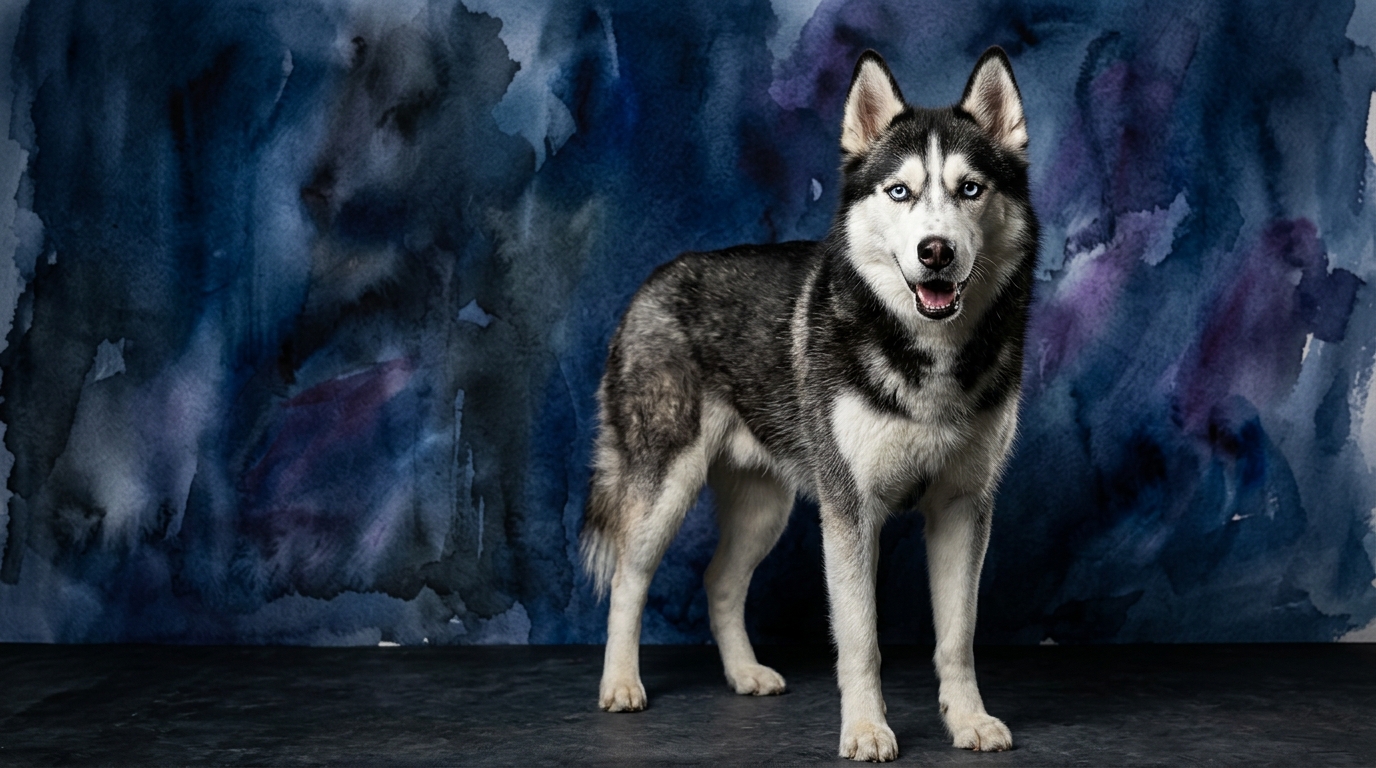
The Cosmic Pet Pet IQ Lab's framework allows us to dissect the distinct cognitive architectures of these two breeds, moving beyond general perceptions to specific aptitudes. The Siberian Husky, a stalwart of the Working group with a Coren ranking of #45, presents a unique cognitive profile. Its Problem Solving at 4/5 signifies a highly resourceful and independent mind, adept at navigating complex environments and devising solutions, often without human direction. Training Speed, rated at 2/5, reflects their quick learning but also a strong will, meaning they often choose whether to comply based on their own motivation. Social Intelligence at 3/5 indicates a dog that understands pack dynamics and is generally friendly, but not overly handler-focused. Its Instinctive Drive, a commanding 5/5, fuels an unparalleled urge for endurance, exploration, and a strong prey drive. Memory, at 4/5, allows them excellent recall of routes, locations, and past experiences, though this doesn't always translate to immediate obedience.
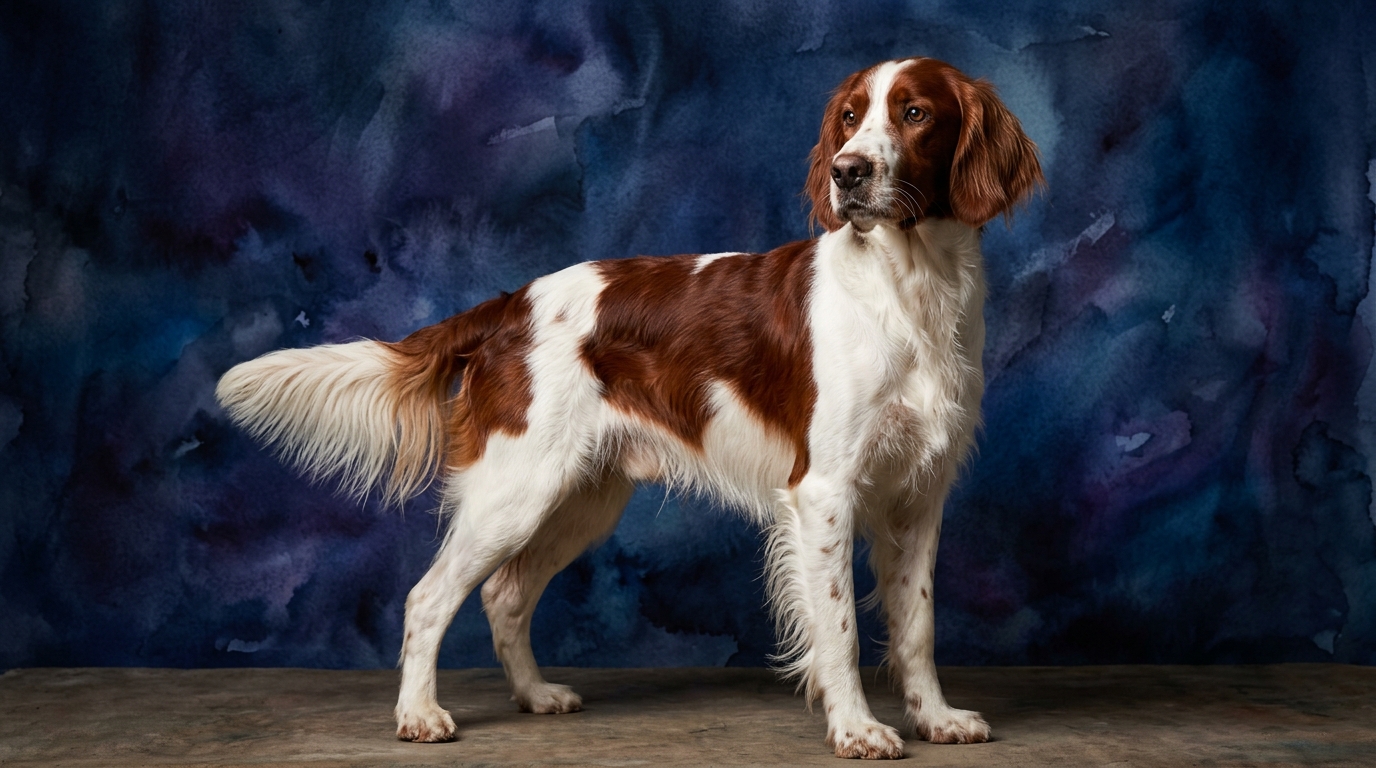
The Irish Red and White Setter, a graceful member of the Sporting group and not Coren-ranked, offers a different cognitive blueprint. Its Problem Solving at 3/5 suggests practical intelligence, excelling in tasks related to its hunting heritage like finding game, but less inclined towards abstract, independent problem-solving. Training Speed, at 3/5, points to a generally eager-to-please nature and a moderate learning pace, making them responsive to consistent instruction. Social Intelligence also scores 3/5, highlighting their affectionate and people-oriented disposition, forming strong bonds with their families. Instinctive Drive, rated 3/5, is focused on cooperative hunting behaviors, particularly scenting and pointing, rather than independent survival. Memory, at 3/5, demonstrates good retention of learned commands and routines, along with an excellent memory for scent trails.
Where the Siberian Husky Wins Cognitively
When comparing specific cognitive strengths, the Siberian Husky clearly excels in independent problem-solving and the sheer intensity of its instinctive drives. Its 4/5 Problem Solving score means it's a canine architect of solutions, capable of figuring out how to open gates, escape enclosures, or navigate challenging terrain with minimal human input—a trait honed by centuries of pulling sleds across vast, unforgiving landscapes. This resourceful thinking allows them to adapt quickly to new situations and find creative ways to achieve their objectives. Furthermore, the Husky's unmatched 5/5 Instinctive Drive translates into incredible endurance, a powerful wanderlust, and an innate drive to explore and overcome physical challenges. This isn't just about physical stamina; it's a cognitive drive to persist, to push boundaries, and to utilize their environment to their advantage, making them exceptionally self-reliant.
Where the Irish Red and White Setter Wins Cognitively
The Irish Red and White Setter shines brightest in its cooperative cognitive abilities, particularly its receptiveness to training and its specific social intelligence geared towards partnership. Its 3/5 Training Speed, higher than the Husky's, indicates a dog generally more eager to please and responsive to human direction, making the learning process smoother and more consistent. This breed's cognitive wiring prioritizes working *with* a handler, making them more attuned to subtle cues and more inclined to follow commands. Their Social Intelligence, while scoring similarly to the Husky, manifests differently; the Setter forms strong, affectionate bonds and is often more focused on human interaction and approval. This makes them highly cooperative in tasks requiring joint effort, such as retrieving or field work, where their instinctive drive (3/5) is channeled into a productive partnership rather than independent action. Their practical problem-solving is often applied in collaboration with their human companion.
Which is Easier to Train and Why
Between these two breeds, the Irish Red and White Setter generally offers a more straightforward training experience. Their 3/5 Training Speed reflects an inherent desire to work cooperatively and a greater eagerness to please their human companions. Setters tend to pick up new commands at a steady pace and, crucially, are more consistently inclined to perform them, especially when training involves their natural sporting instincts like scent work or retrieving. Their social intelligence is geared towards partnership, making them attentive and responsive to their handler's guidance. In contrast, the Siberian Husky, despite its 4/5 Problem Solving ability, has a lower Training Speed of 2/5. This doesn't mean they're unintelligent; rather, they learn quickly but often exercise a strong independent streak, weighing whether a command aligns with their own immediate desires or instincts. Owners often describe Huskies as having 'selective hearing,' requiring exceptional patience, consistency, and highly engaging, reward-based methods to foster consistent compliance. Their high instinctive drive means they can be easily distracted by scents or the urge to explore, making focused training a greater challenge.
Which Suits Active Owners vs. Relaxed Owners
Both the Siberian Husky and the Irish Red and White Setter are best suited for active owners, though their specific needs and ideal activities differ. The Siberian Husky, with its extreme 5/5 Instinctive Drive and boundless endurance, demands an owner committed to substantial daily physical exertion. This means regular, long-distance runs, skijoring, extensive hiking, or other activities that harness their pulling drive and allow for exploration. Without adequate mental and physical outlets, their high problem-solving skills can translate into destructive behaviors or escape attempts. An owner who values an independent, resourceful companion for challenging outdoor adventures will appreciate the Husky's spirit. The Irish Red and White Setter, while also energetic, channels its 3/5 Instinctive Drive into cooperative activities. They suit owners who enjoy long walks, runs, field work, or retrieving games *with* their dog. They thrive on consistent engagement and mental stimulation through training and scent-based games, preferring to participate alongside their human. Neither breed is appropriate for truly relaxed or sedentary owners, as both require significant commitment to their well-being and behavioral stability.
The Verdict
Choose the Siberian Husky if you are an experienced owner seeking an independent, resourceful companion for endurance activities, prepared to manage a strong-willed dog with immense energy and a drive for exploration.
Opt for the Irish Red and White Setter if you desire a cooperative, biddable partner for outdoor pursuits, especially those involving scent work or retrieving, and appreciate a more handler-focused dog.
🧠 Find Your Pet's IQ Score
Our Pet IQ Lab assessment covers 25+ tests across 5 cognitive dimensions — personalized to your breed.
Take the Full IQ Test →Frequently Asked Questions
Are Siberian Huskies difficult to live with?
They can be challenging due to their independent nature and high energy levels. Their strong problem-solving skills mean they are adept at finding ways to entertain themselves, which can sometimes include escaping or destructive behaviors if not adequately stimulated mentally and physically.
Do Irish Red and White Setters bark a lot?
While not typically excessive barkers, Irish Red and White Setters can be vocal, particularly if bored, lonely, or not receiving enough mental and physical stimulation. Their social nature means they thrive on companionship and may use barking to express their desire for interaction.
What kind of mental stimulation do these breeds need?
Siberian Huskies benefit from puzzle toys, scent work, and varied environments that engage their problem-solving and exploratory instincts. Irish Red and White Setters thrive on consistent training sessions, retrieving games, and activities that utilize their keen sense of smell, such as tracking or scent discrimination exercises.