Side-by-Side IQ Profile: Siberian Husky vs. Kooikerhondje
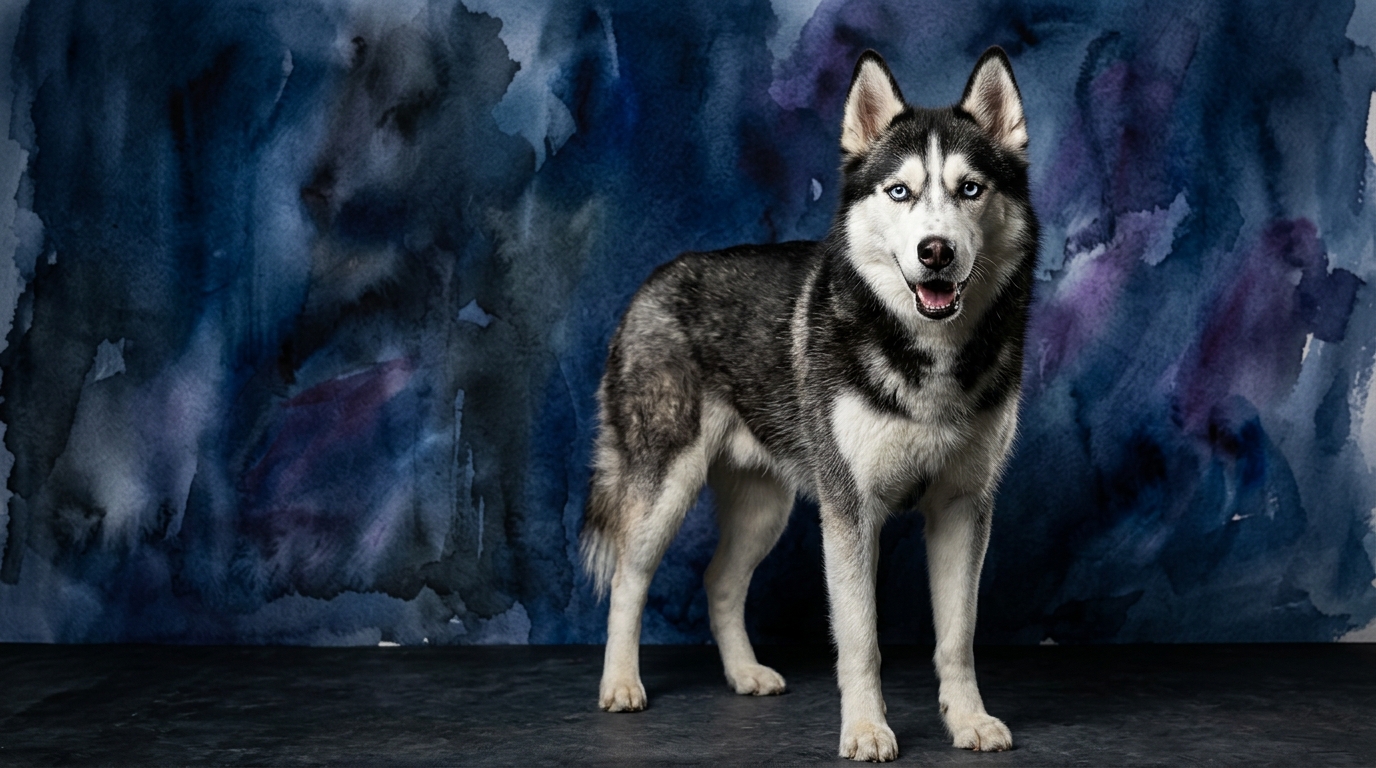
The Cosmic Pet Pet IQ Lab provides a unique lens through which to examine the cognitive makeup of our canine companions. For the Siberian Husky, a Working breed ranked #45 by Coren, its profile highlights a strong will and independent spirit. Its Problem Solving is rated 4/5, indicating a remarkable capacity for figuring out obstacles, often to achieve its own goals like escaping enclosures or reaching forbidden items. Training Speed is 2/5, reflecting an independence that can make compliance a choice rather than an automatic response. Social Intelligence stands at 3/5, as they are generally amiable but not typically people-pleasers. Their Instinctive Drive is an exceptional 5/5, encompassing a profound urge to run, pull, and track. Memory is also strong at 4/5, aiding their navigational skills and recall of environments. This combination paints a picture of a clever, self-reliant dog.
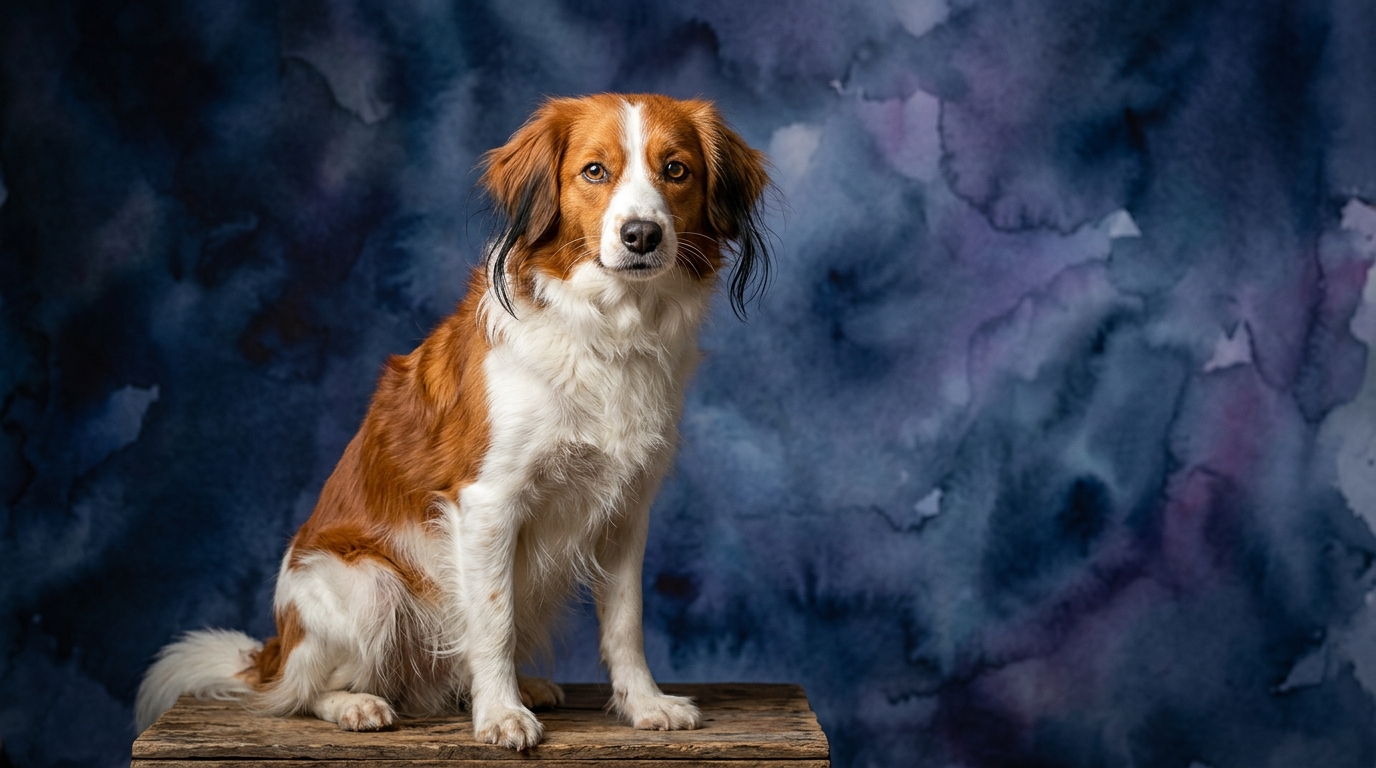
The Kooikerhondje, a Sporting breed not Coren-ranked, presents a more balanced and cooperative cognitive profile. Their Problem Solving is 3/5, indicating a solid ability to navigate puzzles and routines, often with an eye towards earning a reward. Training Speed is 3/5, suggesting they are eager learners who respond well to positive reinforcement and enjoy the mental engagement of training sessions. Social Intelligence is 3/5, as they are sensitive and attentive to their owners, though they can be reserved with strangers. Their Instinctive Drive is 3/5, primarily focused on their historical role as duck tollers, translating to a moderate prey drive and a desire to work alongside their human. Memory is also 3/5, contributing to their trainability and ability to adapt to consistent environments. This breed offers a harmonious blend of moderate cognitive traits.
Where the Siberian Husky Wins Cognitively
The Siberian Husky's cognitive strengths shine brightest in scenarios demanding self-reliance and complex navigation. Their exceptional Instinctive Drive (5/5) means they possess an unparalleled internal compass and an unwavering determination to pursue objectives, whether it's pulling a sled across vast distances or tracking a scent trail. This is coupled with a robust Problem Solving ability (4/5) that allows them to ingeniously overcome physical barriers, like figuring out how to open gates or scale fences, often without direct human instruction. Their strong Memory (4/5) further enhances these capabilities, enabling them to recall intricate routes, remember the location of resources, or learn from past attempts to escape or forage. These traits, honed over generations for survival in harsh environments, make them adept at independent decision-making and persistent pursuit of their own interests.
Where the Kooikerhondje Wins Cognitively
Conversely, the Kooikerhondje's cognitive advantages lie in their balanced and cooperative approach to learning and interaction. While their individual cognitive scores might not reach the extremes of the Husky, their moderate Training Speed (3/5) combined with a solid Social Intelligence (3/5) makes them highly receptive to human direction. They excel in environments where consistent, positive reinforcement is applied, eagerly soaking up new commands and routines. Their Problem Solving (3/5) is often applied in the context of working with their owner, such as figuring out a puzzle toy to earn a reward, rather than independently devising escape plans. This blend of moderate drives and a willingness to engage makes them wonderfully adaptable to various domestic and sporting roles that require human partnership.
Which Is Easier to Train and Why
When it comes to ease of training, the Kooikerhondje generally presents a more straightforward experience for the average owner. Their moderate Training Speed (3/5) and inherent desire to please their human companions mean they are typically more focused and responsive during sessions. They thrive on positive reinforcement and enjoy the mental stimulation that training provides, leading to quicker acquisition and retention of commands. Consistency, clarity, and a gentle approach will yield excellent results.
In contrast, the Siberian Husky's Training Speed (2/5) is significantly lower, not due to a lack of capacity, but because of their profound independence and high Instinctive Drive (5/5). A Husky might understand a command perfectly but choose not to execute it if there's a more compelling 'Husky agenda' at play, such as exploring a new scent or attempting an escape. Their strong prey drive and wanderlust often outweigh the desire for human approval, making consistency, patience, and high-value rewards absolutely critical to achieving reliable obedience. Training a Husky is more about convincing them to partner with you rather than simply instructing them, requiring an owner who understands and respects their independent nature.
Which Suits Active Owners vs. Relaxed Owners
For owners seeking a highly active companion who can keep pace with demanding outdoor adventures, the Siberian Husky is an undeniable fit. Their exceptional Instinctive Drive (5/5) manifests as an insatiable need for physical exertion, whether it's long-distance running, hiking, or even pulling a sled. They require many hours of rigorous exercise daily to remain content and prevent destructive behaviors stemming from boredom or pent-up energy. Their independence means they thrive with owners who appreciate a dog's self-sufficient spirit and are prepared to manage a strong-willed companion. A relaxed owner, or one unable to meet their extensive exercise and mental stimulation needs, would likely find a Husky overwhelming, leading to a frustrated dog and owner.
The Kooikerhondje, with its moderate Instinctive Drive (3/5), suits owners who are active but perhaps not quite at the extreme level of a Husky owner. They enjoy daily walks, games of fetch, and dog sports like agility, but don't possess the same relentless need to cover vast distances. They are adaptable to a more varied lifestyle, enjoying both energetic play and quieter moments with their family, making them suitable for active families who also appreciate downtime and a companion happy to curl up on the couch after a good walk. Their sensitivity means they thrive in a calm, consistent home environment.
The Verdict
Choose a Siberian Husky if you are an experienced, highly active owner who values a strong-willed, independent companion with an incredible drive for exploration and endurance, and you are prepared for consistent, patient training tailored to their unique motivations.
Opt for a Kooikerhondje if you seek a responsive, moderately active family companion who enjoys engaging with their humans in training and activities, and you appreciate a sensitive, adaptable dog that thrives on partnership and consistency.
🧠 Find Your Pet's IQ Score
Our Pet IQ Lab assessment covers 25+ tests across 5 cognitive dimensions — personalized to your breed.
Take the Full IQ Test →Frequently Asked Questions
Does a Siberian Husky's high problem-solving score make them better at learning?
While Huskies possess strong problem-solving skills, these are often directed towards their own independent goals, like escaping or finding food, rather than human-directed tasks. Their Training Speed (2/5) indicates they require more convincing and consistency to learn and reliably perform commands for their owner, as their motivations are often self-driven.
Are Kooikerhondjes good for first-time dog owners?
Kooikerhondjes can be a good choice for first-time owners who are committed to positive training and socialization. Their moderate Training Speed and desire to please make them receptive learners, though their initial shyness with strangers requires patient, gentle introduction and confidence-building.
How does the Coren rank for the Siberian Husky compare to the Kooikerhondje's likely rank?
The Siberian Husky's Coren rank of #45 places them in the 'average working/obedience intelligence' category. While the Kooikerhondje is not Coren-ranked, their balanced cognitive profile, particularly their Training Speed (3/5) and Social Intelligence (3/5), suggests they would likely fall into a similar or slightly higher category, indicating good overall trainability and responsiveness to human guidance.