Side-by-Side Cognitive Profiles
At The Cosmic Pet Pet IQ Lab, we dissect canine cognition across five key dimensions to provide a nuanced understanding of each breed's mental landscape. For the Siberian Husky and Redbone Coonhound, these profiles paint a clear picture of their inherited aptitudes.
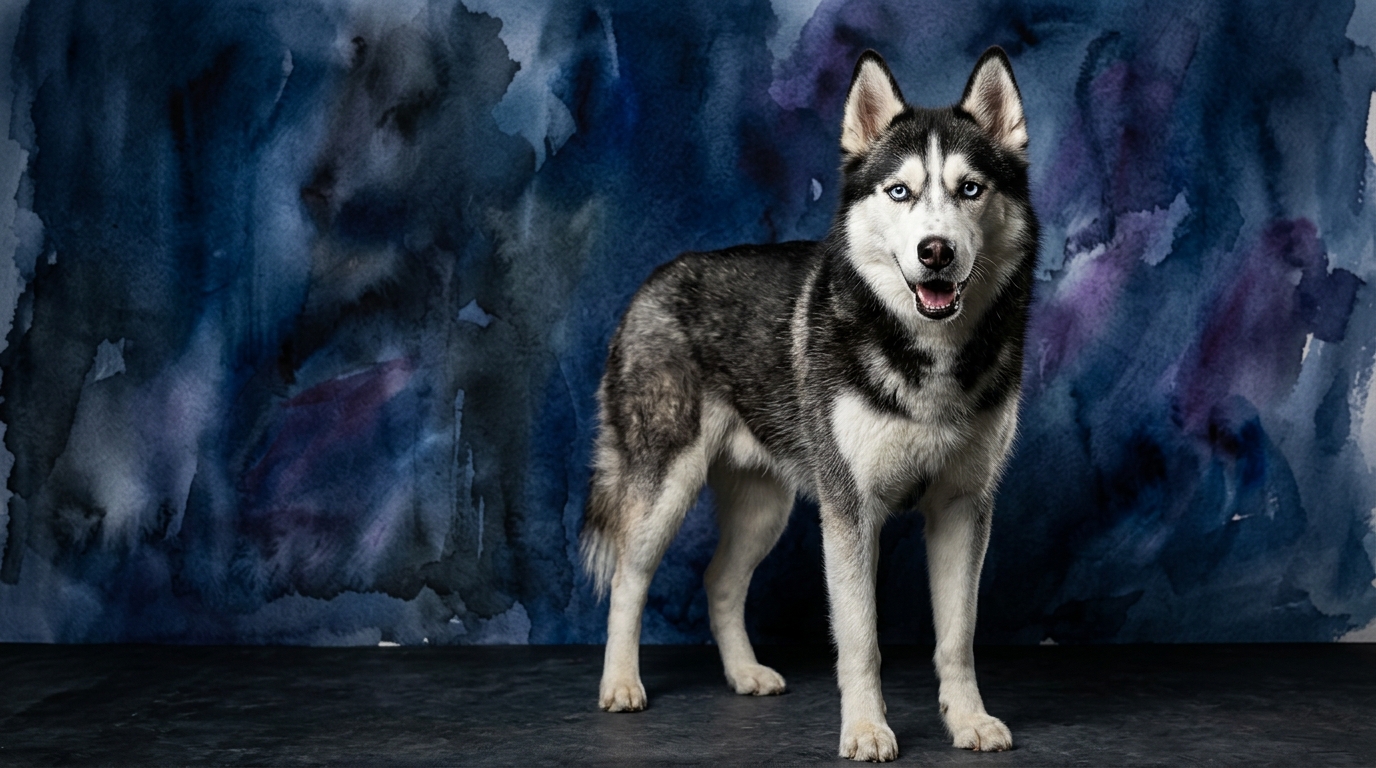
The Siberian Husky's cognitive profile reveals a breed built for independence and endurance. Their Problem Solving is rated 4/5, indicating strong spatial reasoning and a knack for figuring out complex situations, often to their own advantage. Training Speed stands at 2/5, reflecting an independent nature that makes them less inclined to immediate compliance. Social Intelligence is 3/5, meaning they are generally amiable but engage on their own terms rather than constantly seeking human approval. An Instinctive Drive of 5/5 highlights an unparalleled urge to run, pull, and explore, deeply rooted in their sled dog heritage and strong prey drive. Finally, their Memory is 4/5, allowing for excellent recall of routes, routines, and past experiences, which aids both learning and their tendency for mischief.
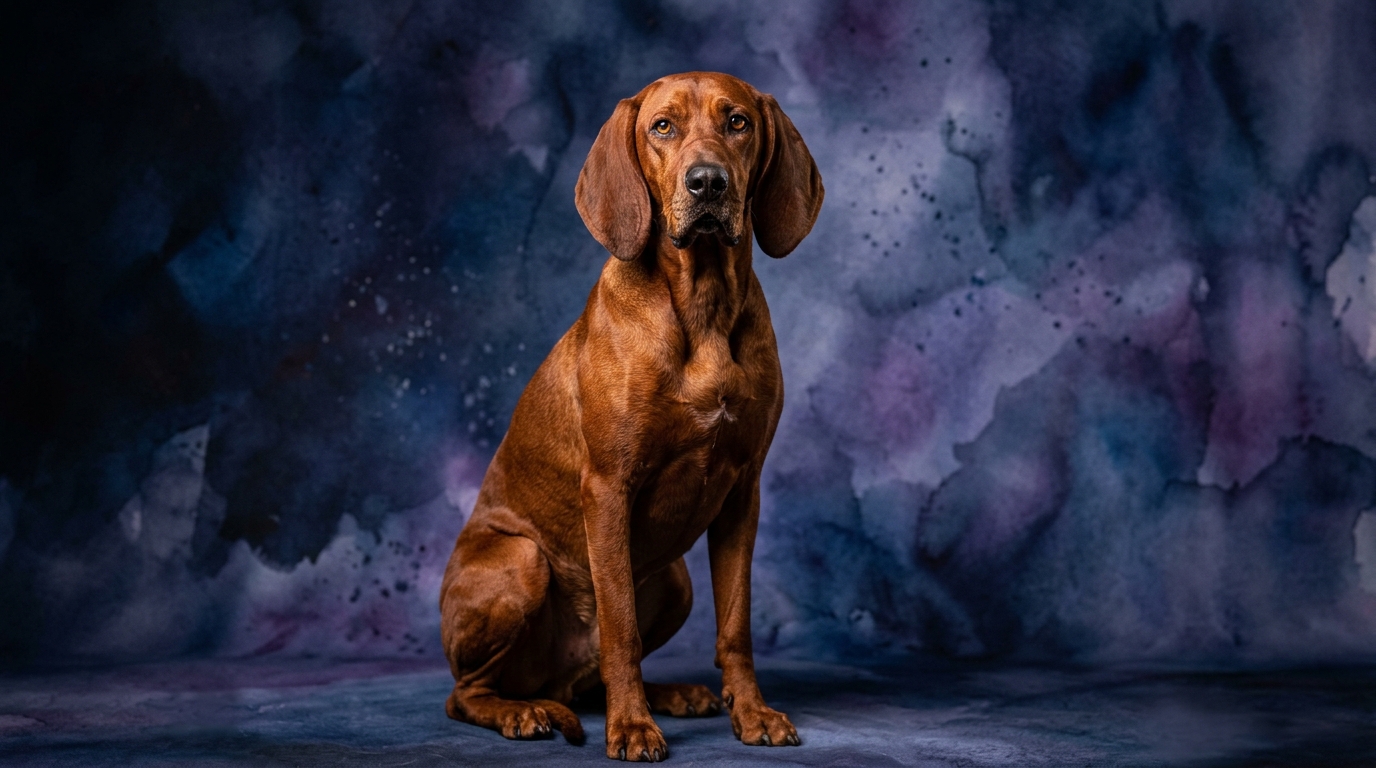
In contrast, the Redbone Coonhound's profile is deeply influenced by their olfactory prowess. Their Problem Solving registers at 3/5, excelling at deductive reasoning related to tracking, meticulously following complex scent trails. Training Speed is 3/5, indicating moderate responsiveness to training, especially when engaged by scent work, though they can be easily distracted by compelling odors. Social Intelligence is also 3/5; they are devoted to family and generally good-natured, though initially reserved with strangers and often focused more on their olfactory world. Their Instinctive Drive is 3/5, representing an intense, unwavering focus almost entirely centered on following scent, often tuning out other stimuli in pursuit of a trail. Their Memory is 3/5, showing good recall for scent locations, familiar people, and established routines, crucial for their role as a hunting companion.
Where the Siberian Husky Demonstrates Cognitive Strengths
The Siberian Husky exhibits a distinct advantage in spatial problem-solving and environmental manipulation. Their 4/5 Problem Solving score reflects their knack for figuring out how things work, from opening latches to navigating complex terrains during off-leash adventures. This ingenuity often surpasses the Redbone's focused, scent-driven problem-solving by a notable margin, making Huskies masters of their physical surroundings.
The Siberian Husky's Instinctive Drive, rated at a perfect 5/5, is a force of nature. This manifests as an unparalleled endurance and an intrinsic desire to run and pull, essential for their historical role. While the Redbone possesses a strong drive for scent, it doesn't compare to the Husky's sheer physical stamina and persistent urge for sustained, vigorous activity, making them superior partners for demanding athletic pursuits that require broad physical exertion.
In terms of Memory (4/5 versus the Redbone's 3/5), Huskies often demonstrate a more expansive recall for complex sequences and past events unrelated to pure scent work. This allows them to remember intricate routes, past successes in outsmarting their owners, or even the precise location of a hidden treat from weeks ago, showcasing a broader application of memory beyond specific sensory tasks.
Where the Redbone Coonhound Demonstrates Cognitive Strengths
The Redbone Coonhound holds a subtle but significant edge in Training Speed (3/5 compared to the Husky's 2/5). While neither breed is known for immediate compliance, the Redbone generally exhibits a greater willingness to engage with human direction once their scent-driven distractions are managed. They are often more motivated by praise and rewards, making the training process less of a battle of wills than with a Husky.
While their overall Instinctive Drive score is lower, the Redbone's specific strength lies in the *intensity and focus* of their olfactory drive. A Redbone's 3/5 in this category signifies an unwavering dedication to scent tracking that few breeds can match. This specialized cognitive focus allows them to pursue a trail with relentless determination, tuning out the world in a way the more broadly driven Husky cannot, making them superior in tasks requiring sustained olfactory concentration.
The Redbone's Problem Solving (3/5) is uniquely tailored to their hunting heritage, allowing them to decipher and follow intricate scent puzzles across diverse landscapes. While not as adept at physical manipulation as a Husky, their ability to interpret and stick to a trail, often for hours, demonstrates a sophisticated form of analytical thinking specific to their sensory world.
Training Dynamics: Husky vs. Coonhound
The Redbone Coonhound is generally considered more amenable to training than the Siberian Husky, a distinction rooted in their differing motivations and independence levels. The Redbone's Training Speed of 3/5, though moderate, reflects a greater inclination to work cooperatively with their handler. While their powerful scent drive can be a significant distraction, once a Redbone is focused and motivated by positive reinforcement, they tend to be more responsive to cues and eager to please, often forming a strong working partnership.
In contrast, the Siberian Husky's 2/5 Training Speed is a direct reflection of their profound independence and self-sufficiency. Huskies were bred to make decisions far from human guidance while pulling sleds, and this trait translates into a tendency to question commands or choose their own path if it seems more appealing. They require an owner with exceptional patience, creativity, and consistency to overcome their inherent 'what's in it for me?' attitude, making traditional obedience training a more arduous journey. Their strong Instinctive Drive to run also means that recall can be particularly challenging, as the thrill of pursuit often outweighs the desire to return to their handler.
Matching Breeds to Lifestyles
The Siberian Husky is undeniably suited for exceptionally active owners who can match their boundless energy and profound Instinctive Drive. This breed thrives on sustained, vigorous exercise, such as long runs, hiking, or sledding, often requiring several hours of dedicated activity daily. Owners who can provide this level of engagement, coupled with mental challenges to satisfy their Problem Solving skills, will find a joyful and robust companion, but anything less can lead to destructive behaviors born from boredom and pent-up energy.
While no hound is truly 'relaxed,' the Redbone Coonhound can be a better fit for active owners who prefer a slightly less intense physical regimen than a Husky demands, and whose activity preferences lean towards focused outdoor exploration. Redbones require consistent daily exercise, ideally involving long walks, hikes, or scent games that engage their powerful Instinctive Drive for tracking. Once adequately exercised and mentally stimulated, they are typically content to relax indoors with their family, making them more adaptable to a home environment that isn't constantly on the go, compared to the perpetual motion machine that is a Husky.
The Verdict
Choose a Siberian Husky if you are an experienced, highly active owner eager for an independent, resilient partner for endurance sports, and can provide extensive mental stimulation and secure containment to manage their formidable drive and problem-solving abilities.
Choose a Redbone Coonhound if you appreciate a devoted, good-natured companion for long hikes and scent work, and are prepared to consistently manage their olfactory focus with patient, positive training.
🧠 Find Your Pet's IQ Score
Our Pet IQ Lab assessment covers 25+ tests across 5 cognitive dimensions — personalized to your breed.
Take the Full IQ Test →Frequently Asked Questions
Is a Siberian Husky difficult to train?
Yes, Siberian Huskies are considered challenging to train due to their strong independence and low intrinsic desire to please. They require consistent, positive reinforcement, and creative training methods to maintain their engagement, often questioning the necessity of commands.
What kind of exercise does a Redbone Coonhound need?
Redbone Coonhounds need regular, vigorous exercise, ideally incorporating activities that engage their powerful scent drive, such as long walks, hiking, or structured scent work. At least an hour or two of focused activity daily is recommended to keep them content and mentally stimulated.
Do Siberian Huskies get along with other pets?
Siberian Huskies can get along with other pets, especially if raised with them from a young age. However, their very high instinctive prey drive (5/5) means caution is always necessary around smaller animals like cats, rabbits, or poultry, and supervision is crucial.