Side-by-Side Cognitive Profiles
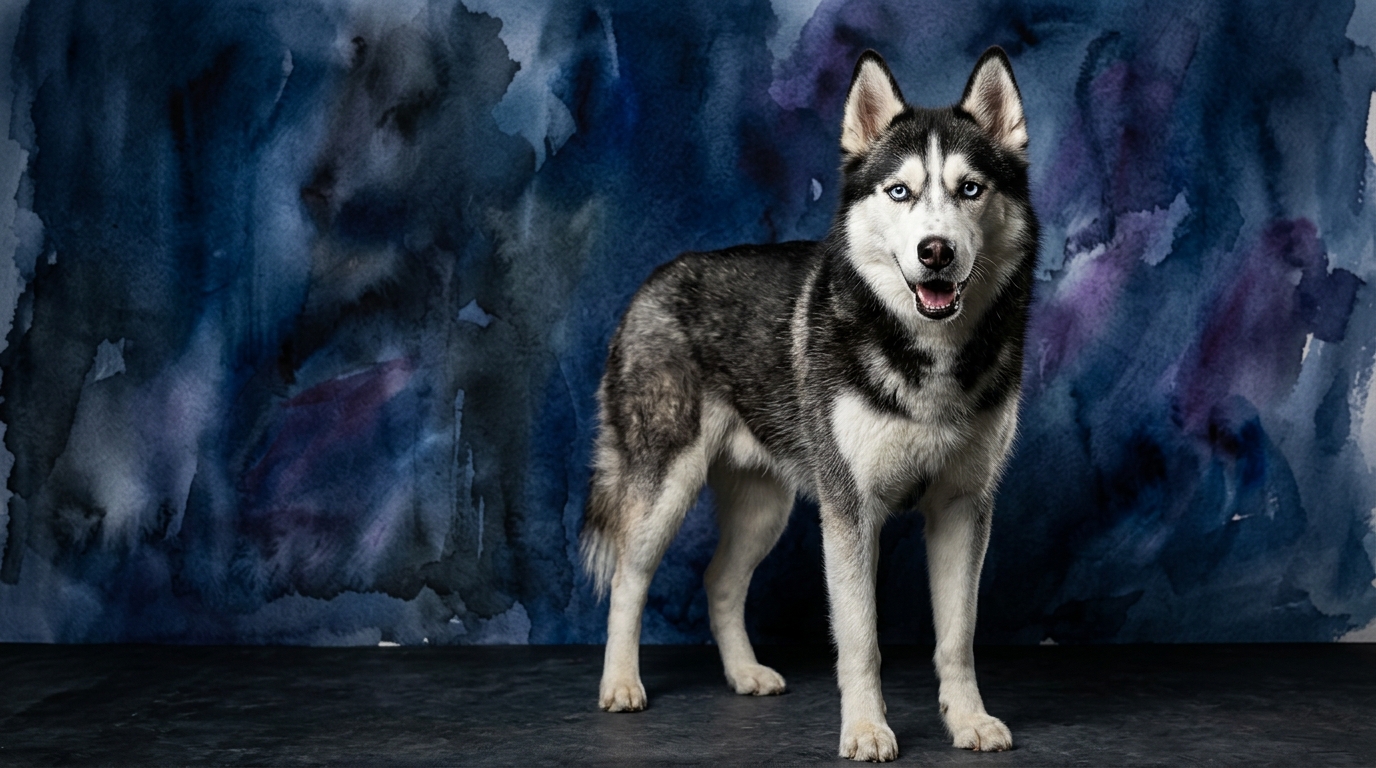
The Cosmic Pet Pet IQ Lab's framework allows us to dissect the nuanced cognitive abilities of these two working breeds. For the Siberian Husky, ranked #45 by Coren, its cognitive profile includes Problem Solving at 4/5, indicating a strong capacity for independent thought and creative solutions, particularly when motivated by curiosity or a desire for freedom. Training Speed is rated 2/5, reflecting their selective attentiveness and independent streak that often requires consistent, engaging methods. Social Intelligence stands at 3/5; they are generally friendly but retain a degree of self-sufficiency rather than relying heavily on human direction for emotional cues. Their Instinctive Drive is a powerful 5/5, manifesting as an intense desire to run, pull, and explore, deeply influencing their cognitive processing. Finally, their Memory is 4/5, demonstrating excellent recall for routines, locations, and previous experiences, even if their independence sometimes makes them appear to 'forget' commands.
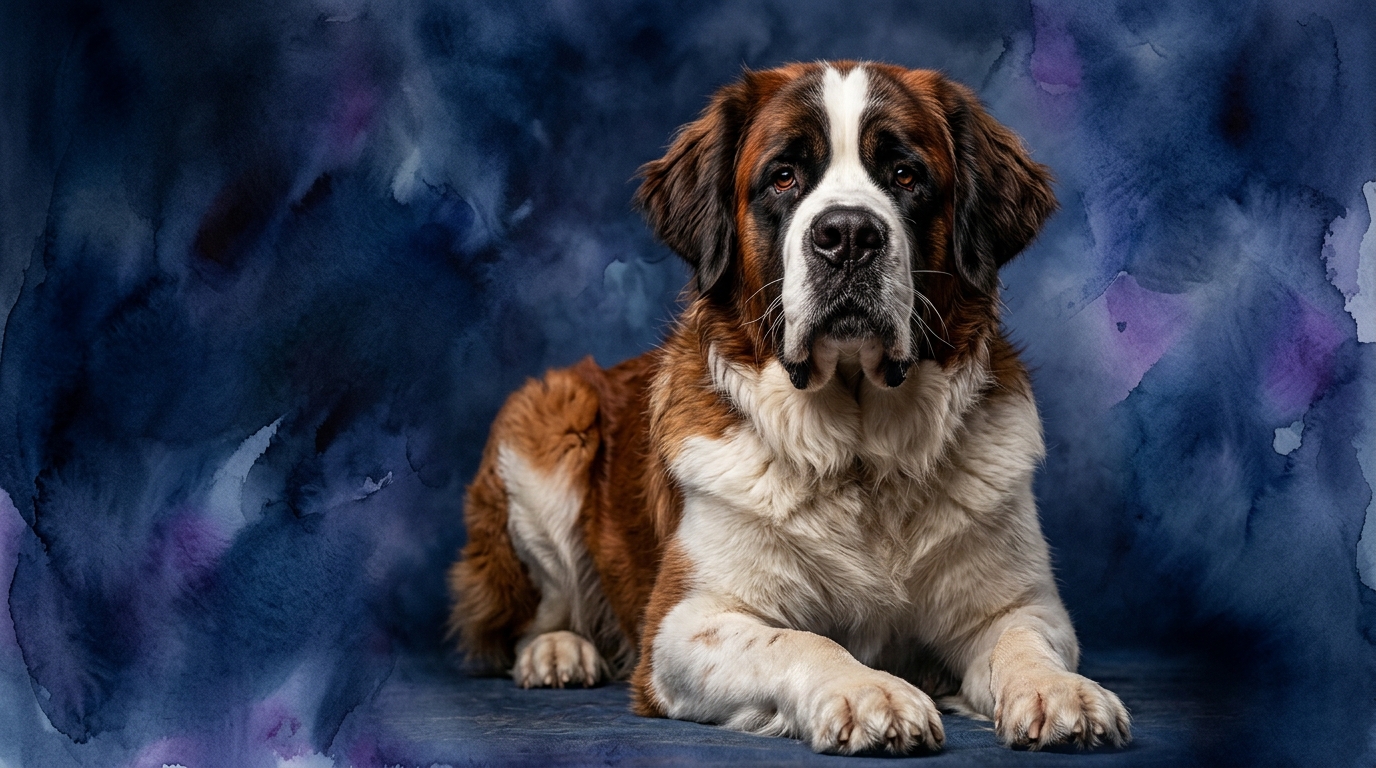
The Saint Bernard, with a Coren ranking of #65, offers a contrasting cognitive landscape. Its Problem Solving is 3/5, suggesting a more methodical, deliberate approach to challenges, often preferring familiar solutions or seeking human guidance over immediate independent experimentation. Training Speed, like the Husky, is 2/5, meaning they require patience and positive reinforcement, absorbing information steadily despite their unhurried pace. Social Intelligence is a standout 4/5, indicating a keen attunement to human emotions and intentions, excelling at forming deep, empathetic bonds. Their Instinctive Drive is also a commanding 5/5, rooted in guardianship and compassionate rescue, leading to a protective, watchful, and deeply loyal disposition. Their Memory is 3/5, exhibiting good recall for people and places, retaining learned behaviors, particularly those related to social bonds and routines, though perhaps not with the same detailed recall for complex sequences as the Husky.
Where the Siberian Husky Excels Cognitively
The Siberian Husky truly shines in its problem-solving abilities, earning a 4/5 score compared to the Saint Bernard's 3/5. This isn't about raw processing speed, but rather an innate capacity for independent thought and creative strategizing when faced with an obstacle. A Husky might meticulously test various escape routes from a yard, learning from each attempt, or figure out how to open a treat container through persistent manipulation. Their cognitive strength lies in this self-directed exploration and adaptation, often driven by their powerful instinctive desire for movement and discovery. This resourceful mindset means they frequently outmaneuver static challenges, demonstrating a cleverness that can be both admirable and challenging for owners.
Furthermore, the Husky's memory, rated at 4/5 against the Saint Bernard's 3/5, complements its problem-solving prowess. They retain detailed information about their environment, including the location of specific items, the layout of their territory, and the effectiveness of past actions. This superior spatial and procedural memory allows them to quickly recall successful strategies for navigating their world or achieving a desired outcome. For instance, a Husky will remember exactly where a squirrel disappeared into the bushes weeks ago or the precise sequence required to open a tricky gate. This combination of independent problem-solving and robust memory makes them adept at navigating complex environments and learning from their experiences, even if they sometimes choose not to apply that learning in a way humans prefer.
Where the Saint Bernard Excels Cognitively
The Saint Bernard truly distinguishes itself in social intelligence, scoring a 4/5, a clear advantage over the Husky's 3/5. This isn't merely about being friendly; it's a deep-seated capacity to read and respond to human emotions and intentions with remarkable accuracy. Historically bred for rescue work in the Alps, their survival depended on understanding distress signals and providing comfort, imbuing them with an exceptional empathy. A Saint Bernard will often notice subtle shifts in an owner's mood, offering a gentle nudge or leaning into them, demonstrating an intuitive grasp of social dynamics. This sensitivity makes them profoundly connected companions, capable of forming incredibly strong, reciprocal bonds built on mutual understanding.
While both breeds share a top-tier instinctive drive (5/5), the *nature* of that drive gives the Saint Bernard a unique cognitive edge in specific contexts. Their drive is rooted in guardianship and compassionate rescue, leading to a strong protective instinct and a profound desire to be a comforting presence. This manifests cognitively as a heightened awareness of their family's well-being and a readiness to intervene with gentle reassurance or watchful vigilance. Unlike the Husky's drive for independent exploration, the Saint Bernard's instinct guides them towards human connection and service, influencing their decision-making to prioritize the safety and emotional state of their loved ones. Their memory, while rated 3/5, is particularly strong for social connections and routines related to their family, reinforcing their role as devoted companions.
Training Dynamics: Husky Independence vs. Saint Bernard Deliberation
When it comes to ease of training, both the Siberian Husky and the Saint Bernard present their own unique challenges, with both scoring 2/5 for training speed. However, the *reasons* behind their training difficulties differ significantly, stemming from their distinct cognitive profiles. The Siberian Husky's challenge lies in its pronounced independence and high instinctive drive for exploration and running. While they possess a keen problem-solving mind and excellent memory, they often choose to prioritize their own desires over human commands. A Husky understands what you want, but might assess whether following through aligns with its immediate interest in chasing a scent or exploring the perimeter. This means training requires immense patience, creativity, and consistency, often relying on high-value rewards and making training feel like a game rather than a chore. Their independent streak means they are not inherently eager to please and will test boundaries relentlessly, requiring an owner with unwavering resolve and a deep understanding of their unique motivations.
In contrast, the Saint Bernard's training speed, while also 2/5, is more influenced by its deliberate nature and lower intrinsic motivation for rapid, repetitive tasks. They are eager to please due to their high social intelligence and strong bond with their owners, but their sheer size and methodical pace mean they are not designed for lightning-fast obedience or agility. Their problem-solving is more cautious, and their memory, while good for social cues, might not retain complex command sequences as quickly as a Husky's memory for environmental details. Training a Saint Bernard requires gentle encouragement, clear, consistent cues, and understanding that they will learn at their own, unhurried pace. They respond exceptionally well to positive reinforcement and appreciate a calm, structured environment. While they may not execute commands with Husky-like agility, their desire to connect and please often makes them more compliant in the long run, provided the training is adapted to their temperament and physical capabilities.
Matching Cognitive Profiles to Lifestyles: Active vs. Relaxed Owners
For the truly active owner, the Siberian Husky is an undeniable match, aligning perfectly with its innate cognitive strengths and physical demands. Their exceptional instinctive drive (5/5) for endurance and movement, combined with strong problem-solving (4/5) and memory (4/5), means they thrive when given ample opportunities to expend energy and engage their minds outdoors. These dogs require owners who are prepared for daily long runs, hikes, or even sledding, channeling their natural desire to cover ground and explore. An owner who understands and caters to this need for physical and mental stimulation will find a loyal, robust companion. Without adequate outlets, a Husky's intelligence and drive can manifest as destructive behaviors or escape artistry, as their problem-solving mind will find ways to alleviate boredom and satisfy their wanderlust.
Conversely, the Saint Bernard is a far better fit for a more relaxed owner, or one whose activity revolves around gentle companionship rather than high-octane adventure. While they possess a powerful instinctive drive (5/5), it's oriented towards guardianship and social bonding, not relentless physical exertion. Their higher social intelligence (4/5) means they are content with being close to their family, offering comfort and watchful presence. Daily walks are essential, but they don't demand the extensive mileage or intense pace of a Husky. A Saint Bernard thrives in a home environment where they are an integral part of family life, enjoying quiet companionship, gentle play, and opportunities to observe their surroundings. Owners who appreciate a calm, empathetic, and devoted companion who finds joy in simply being present will find the Saint Bernard's cognitive makeup perfectly suited to their lifestyle.
The Verdict
Choose the Siberian Husky if you're an experienced, active owner seeking an independent, clever, and physically demanding companion who thrives on adventure and consistent mental challenges. Be prepared for their strong will and a need for creative training to channel their boundless energy.
Choose the Saint Bernard if you desire a deeply empathetic, gentle giant who excels in social connection and provides calm, devoted companionship, fitting well into a more relaxed household setting. Their training requires patience and understanding of their deliberate pace and eagerness to please.
🧠 Find Your Pet's IQ Score
Our Pet IQ Lab assessment covers 25+ tests across 5 cognitive dimensions — personalized to your breed.
Take the Full IQ Test →Frequently Asked Questions
Are Siberian Huskies good at learning tricks?
Siberian Huskies are capable of learning tricks due to their problem-solving ability and memory, but their independent nature means they may not always be eager to perform on command. Success hinges on making training highly engaging and rewarding to capture their attention and motivate them.
Do Saint Bernards need a lot of mental stimulation?
While not requiring the same type of high-intensity problem-solving as Huskies, Saint Bernards benefit from mental engagement that reinforces their social bonds and gentle instincts. Puzzle toys, scent work, and consistent, positive training sessions that build on their desire to please are ideal.
Which breed is better with children, considering their intelligence?
The Saint Bernard's high social intelligence and empathetic nature generally make them more intuitively gentle and patient with children, often acting as watchful, calm companions. Siberian Huskies can be good with children but their high energy and independent play style might require more supervision with very young kids.