Side-by-Side IQ Profile: Husky vs. Shiba
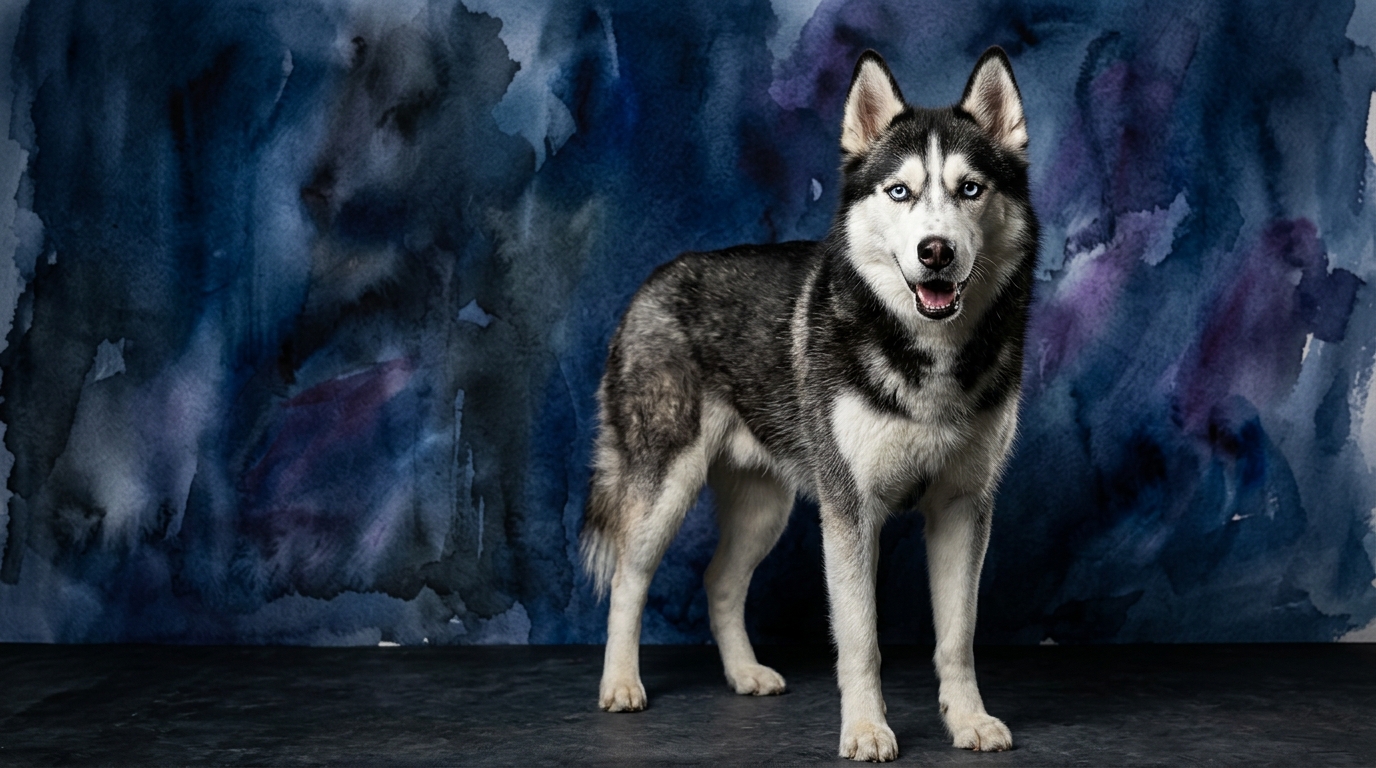
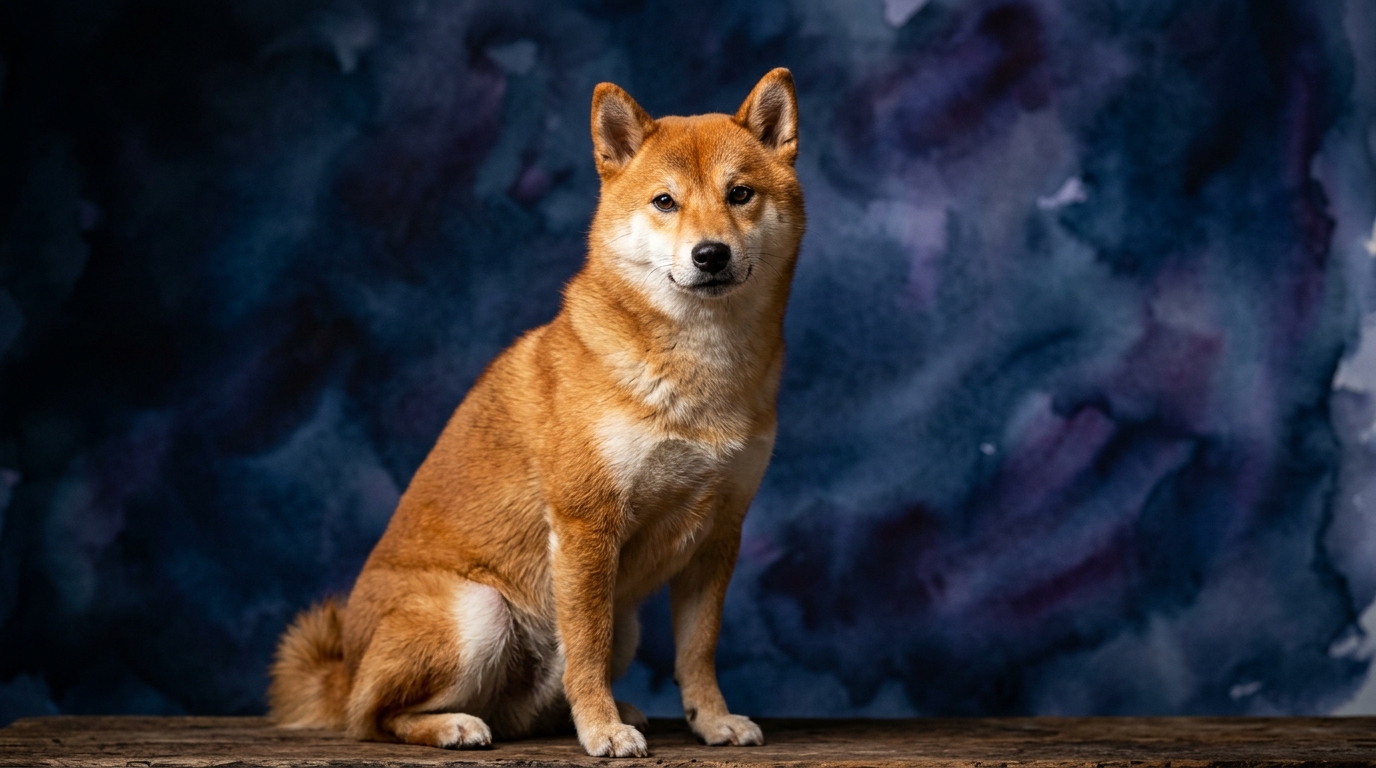
The Cosmic Pet Pet IQ Lab categorizes canine intelligence across five dimensions: Problem Solving, Training Speed, Social Intelligence, Instinctive Drive, and Memory. While both the Siberian Husky and Shiba Inu share intriguing cognitive similarities, a closer look reveals how these traits manifest. The Siberian Husky, a Working Group member, registers a Coren rank of #45, indicating moderate working and obedience intelligence. In contrast, the Shiba Inu, from the Non-Sporting Group, does not appear on Coren's traditional ranking, sparking curiosity about their cognitive style.
For the Siberian Husky, Problem Solving scores 4/5, reflecting their knack for navigating complex environments and finding inventive ways to achieve goals, like figuring out a gate latch. Their Training Speed is 2/5, a testament to their independent spirit and tendency to prioritize their own agenda. Social Intelligence stands at 3/5, suggesting they form bonds and understand social cues but aren't inherently people-pleasers. Instinctive Drive is a powerful 5/5, encompassing their desire to run, pull, and explore, alongside a robust prey drive. Memory rates 4/5, enabling them to retain learned behaviors, routines, and experiences.
The Shiba Inu presents a remarkably similar numerical profile, yet practical implications often diverge. Their Problem Solving also receives 4/5, demonstrating keen observational skills and ability to strategize, often to outsmart owners or manipulate situations. Like the Husky, their Training Speed is 2/5, highlighting a strong-willed nature and discerning approach to compliance, weighing command value against their own desires. Social Intelligence mirrors the Husky at 3/5, translating to selective demeanor – deeply loyal to family but often aloof with strangers. Their Instinctive Drive is also 5/5, characterized by a potent prey drive, territorial sense, and an independent streak compelling exploration. Memory, at 4/5, contributes to their cleverness, recalling past interactions, boundaries, and human routine weaknesses.
Where the Siberian Husky Wins Cognitively
The Siberian Husky’s cognitive strengths are deeply rooted in their history as endurance sled dogs, tasks demanding specific intellectual aptitudes. Their 4/5 problem-solving ability often shines in environmental navigation and overcoming physical obstacles. A Husky can meticulously plan an escape route from a yard, not just by brute force but by methodically testing fences or finding weak points. Furthermore, their 4/5 memory, combined with their instinctive drive, allows them to learn and recall complex routes and routines, a crucial asset for a working dog covering vast distances. They remember trails, landmarks, and the nuances of a journey, making them exceptional at tasks requiring sustained focus and spatial awareness. While their social intelligence is a moderate 3/5, it's sufficient for cooperative work within a pack or team, enabling them to understand their role and respond to the subtle cues of their handler or fellow dogs in a dynamic working environment. This combination of practical problem-solving, robust memory for spatial information, and sufficient social understanding for collaboration gives the Husky an edge in sustained, physically demanding cognitive tasks.
Where the Shiba Inu Wins Cognitively
The Shiba Inu's cognitive victories lean towards a more cunning and strategic application of their intellect, traits often described as 'cat-like' due to their independent and self-serving nature. Their 4/5 problem-solving frequently manifests as highly observant and manipulative behavior within the home environment. A Shiba might quietly learn the sound of a treat bag opening from another room, or figure out how to open a specific cupboard door to access desired items, demonstrating a cleverness focused on personal gain rather than external directives. Their 4/5 memory plays a crucial role here, allowing them to recall past attempts, successes, and the specific behaviors that yield rewards from their humans. They remember patterns, and crucially, they remember what doesn't work, refining their tactics. While their social intelligence is also 3/5, it often translates into a deeper, more discerning understanding of their immediate family. They are adept at reading their owners' moods and intentions, often anticipating actions and using this knowledge to their advantage, rather than for cooperative tasks. This selective, strategic application of their cognitive abilities makes the Shiba a master of their immediate domain, excelling in subtle influence and self-directed pursuits.
Which is Easier to Train and Why
When assessing trainability, both the Siberian Husky and the Shiba Inu pose significant challenges, each scoring a 2/5 for Training Speed, but for distinct reasons. The Siberian Husky's training difficulty often stems from their profound independence and powerful instinctive drive (5/5). They are easily distracted by their environment; a scent or squirrel can instantly override any command, not because they don't understand, but because their inherent drives are more compelling. Training a Husky requires immense patience, creativity, and highly motivating rewards to capture and sustain their attention against these powerful instincts. Consistency is paramount, and owners must make training a game or a physically engaging activity to appeal to their working nature.
The Shiba Inu, while also exhibiting a 2/5 Training Speed, presents a different challenge: sheer willfulness and a 'what's in it for me?' attitude. Shibas are incredibly clever (4/5 problem-solving) and understand commands quickly, but they critically evaluate whether obeying is worth their effort. They are not easily swayed by generic praise and often require high-value treats to motivate them. A Shiba might simply choose to ignore a command, making direct eye contact as if to say, 'No, thank you.' Their independence means they are less inclined to operate on a human's schedule without clear personal benefit. Training sessions need to be short, positive, and varied to prevent boredom. Ultimately, neither breed is 'easy' to train, but the Husky demands an owner who can manage powerful external distractions and physical drives, while the Shiba requires an owner capable of outsmarting and consistently motivating a highly intelligent but stubbornly independent mind.
Which Suits Active Owners vs. Relaxed Owners
The choice between a Siberian Husky and a Shiba Inu significantly depends on an owner's lifestyle and energy levels, particularly regarding their approach to activity and companionship. The Siberian Husky, with its 5/5 instinctive drive for endurance and movement, is unequivocally suited for highly active owners. These dogs were bred to run for miles, pull sleds, and thrive in challenging outdoor environments. They require substantial daily physical exercise—think long runs, intense hikes, or engaging in dog sports like canicross or bikejoring. Without adequate outlets for their immense energy and working instincts, their 4/5 problem-solving skills might be redirected towards destructive behaviors like escaping, chewing, or excessive vocalization. A Husky needs an owner who not only enjoys but actively seeks out rigorous outdoor adventures and is prepared to commit several hours daily to physical and mental stimulation. They thrive with owners who embrace their adventurous spirit and can provide consistent, engaging activities.
The Shiba Inu, while not requiring the same endurance levels as a Husky, is also not a dog for a 'relaxed' owner in the traditional sense. Their exercise needs are moderate to high, typically satisfied with several brisk walks daily and interactive play sessions. However, their 4/5 problem-solving and 5/5 instinctive drive mean they require significant mental stimulation. A Shiba can become bored and mischievous if not given enough to do, often using their cleverness to create their own entertainment, which might include redecorating the house or outsmarting food puzzles. They thrive with owners who enjoy interactive games, consistent positive reinforcement training, and providing a variety of puzzle toys to engage their keen minds. While they appreciate companionship, their 3/5 social intelligence often means they are content with their own space and don't demand constant physical interaction, making them suitable for owners who appreciate an independent companion rather than a Velcro dog. Therefore, both breeds require active engagement, but the Husky demands a partner for physical feats, while the Shiba seeks a clever mind to challenge and entertain its own.
The Verdict
Choose a Siberian Husky if you are an owner who embraces an intensely active, outdoor-oriented lifestyle, prepared to dedicate significant time daily to rigorous physical exercise and adventurous exploration. You should be ready for a highly independent, strong-willed companion whose substantial working drive requires consistent, engaging, and patient training to channel their formidable energy and problem-solving abilities positively.
Opt for a Shiba Inu if you appreciate a clever, independent, and sometimes aloof companion, one that offers deep loyalty to its chosen family but maintains a distinct personality. You must be committed to consistent, positive, and intellectually stimulating training to manage their innate stubbornness and keen problem-solving skills, providing ample mental enrichment for their discerning and self-reliant nature.
🧠 Find Your Pet's IQ Score
Our Pet IQ Lab assessment covers 25+ tests across 5 cognitive dimensions — personalized to your breed.
Take the Full IQ Test →Frequently Asked Questions
Are Siberian Huskies good at learning tricks?
Huskies can learn many tricks due to their 4/5 memory and 4/5 problem-solving, but their 2/5 training speed means it requires patience and high motivation from the owner. They respond best when tasks are presented as engaging challenges rather than rote commands.
Why is the Shiba Inu not Coren-ranked for intelligence?
Stanley Coren's ranking primarily assessed obedience and working intelligence. The Shiba Inu's extreme independence and selective hearing, stemming from their 2/5 training speed and strong self-will, likely made them difficult to evaluate under those specific metrics, which prioritize compliance.
Do both breeds have a strong prey drive?
Yes, both breeds exhibit a 5/5 instinctive drive, which includes a pronounced prey drive. This means they are highly inclined to chase small animals and require secure leashes, robust recall training, and securely fenced yards to ensure their safety and prevent escapes.