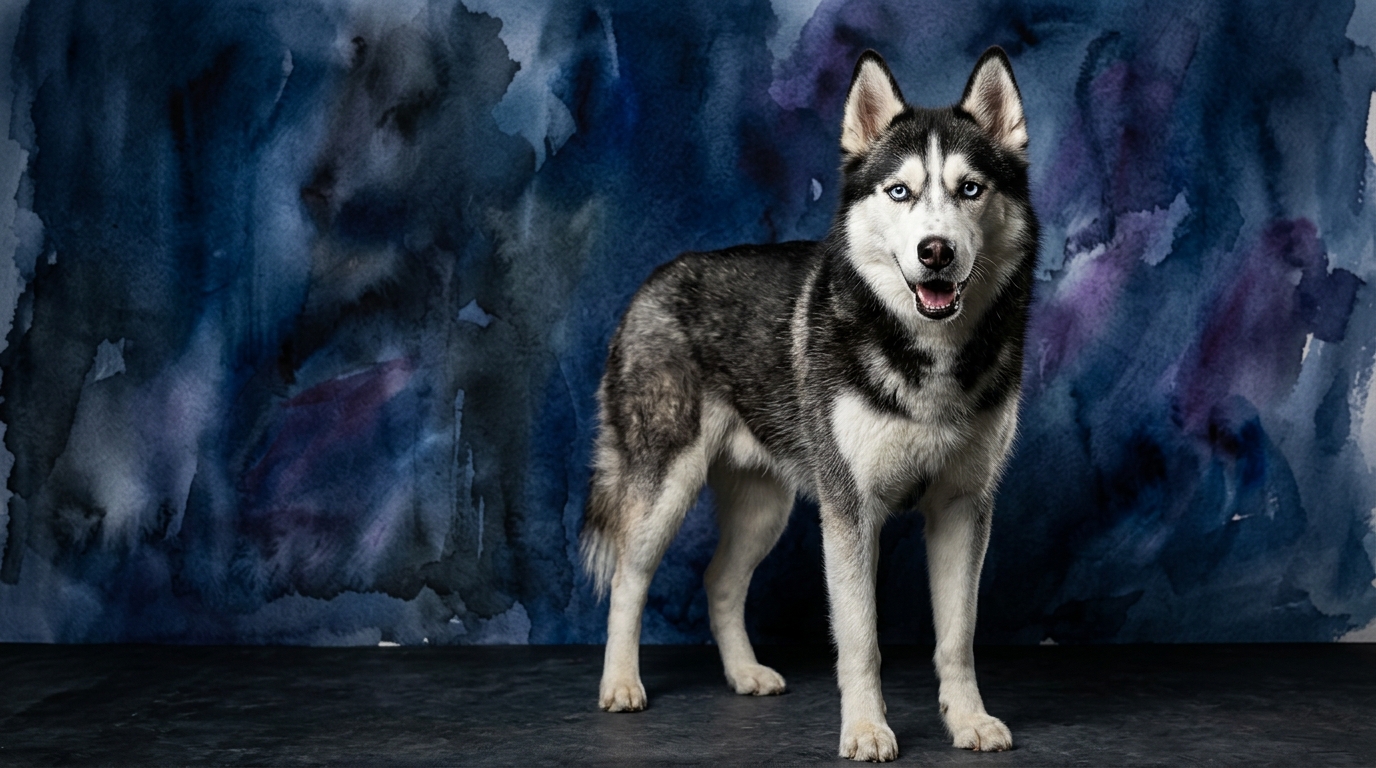
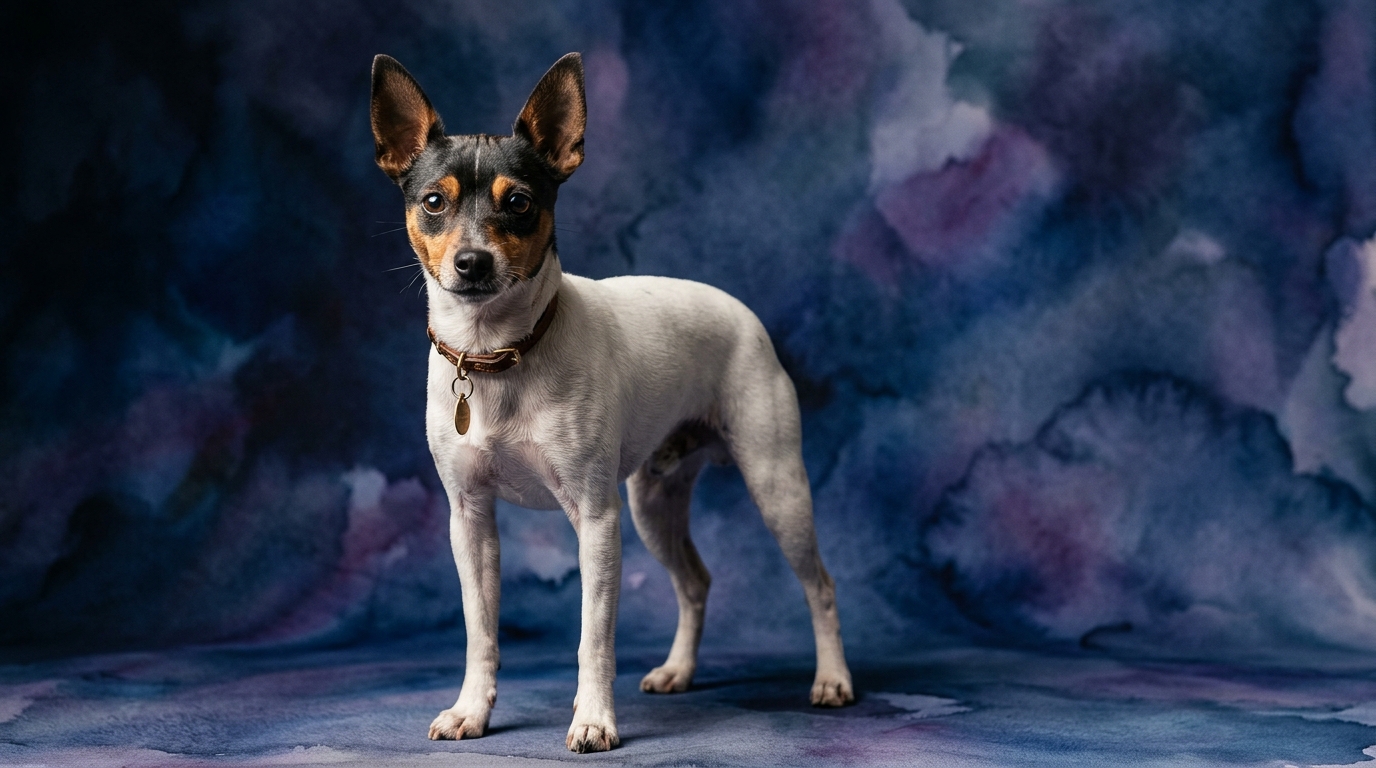
Side-by-Side IQ Profile: Husky vs. Toy Fox Terrier
The Cosmic Pet Pet IQ Lab employs five core dimensions to map a breed's cognitive landscape, revealing the unique mental architecture of each dog. For the Siberian Husky, a Working group dog with a Coren rank of #45, and the Toy Fox Terrier, a lively Toy group breed not specifically Coren-ranked, these metrics illuminate their differing approaches to the world.
The Siberian Husky exhibits a Problem Solving score of 4/5. This reflects their history as independent thinkers, capable of navigating vast, featureless terrains and making decisions without direct human command during sledding. Their solutions often involve strategic thinking to overcome obstacles, such as finding the most efficient path through snow or outwitting a containment system. Training Speed for the Husky is 2/5, indicating a breed that processes commands and learns new behaviors at a moderate pace, often requiring patience and creative engagement from their handler. Their Social Intelligence is rated 3/5; while capable of forming strong bonds, Huskies often display a degree of independence in group dynamics, interacting with a sense of self-possession rather than constant deference. An Instinctive Drive of 5/5 underscores their profound inherent motivation for activity and purpose, rooted deeply in their sledding heritage. This drive manifests as a powerful urge to run, explore, and engage in physically demanding tasks. Finally, their Memory is 4/5, suggesting a robust capacity for recalling complex routes, learned behaviors, and the locations of resources, crucial for their survival and work in challenging environments.
In contrast, the Toy Fox Terrier presents a more balanced, albeit different, cognitive profile. Their Problem Solving ability is 3/5. These agile dogs can figure out how to access desired items or navigate intricate indoor spaces, often employing quick, inventive maneuvers rather than brute force or extensive planning. Training Speed for the Toy Fox Terrier is 3/5, indicating a slightly quicker uptake of commands compared to the Husky, often motivated by positive reinforcement and a desire for interaction. Their Social Intelligence is also 3/5, reflecting their adaptable nature in various social settings, capable of engaging warmly with family members while also being alert to strangers. An Instinctive Drive of 3/5 means they possess a moderate urge for activity and engagement, often satisfied through interactive play, chasing small objects, or short bursts of energetic exploration. Their Memory score is 3/5, demonstrating a solid ability to recall learned tricks, routines, and the whereabouts of favorite toys or people within their familiar environment.
Where the Siberian Husky Wins Cognitively
The Siberian Husky truly distinguishes itself in cognitive areas demanding self-reliance and sustained effort. Their Problem Solving score of 4/5, coupled with an Instinctive Drive of 5/5, means they excel at tasks requiring independent thought and endurance. Imagine a Husky faced with a puzzle feeder designed for complex manipulation; their drive compels them to persist, and their problem-solving acumen allows them to systematically work through the mechanism. This is not about quick obedience but about intrinsic motivation to achieve a goal, often with minimal human direction. Furthermore, their 4/5 Memory is invaluable for recalling intricate sequences, like a long-distance trail or a multi-step obstacle course, retaining information that is critical for long-term, purposeful activities. They are adept at remembering where they buried a prized bone weeks ago or the specific path to a favorite sniffing spot miles from home.
Where the Toy Fox Terrier Wins Cognitively
The Toy Fox Terrier's cognitive strengths lie in areas prioritizing adaptability, quick response, and focused engagement within a domestic setting. While their individual scores might appear lower than the Husky's peak, their balanced 3/5 across Problem Solving, Training Speed, Social Intelligence, and Memory translates into a highly functional and responsive companion. Their slightly higher Training Speed (3/5 vs. Husky's 2/5) means they often pick up new tricks and commands with less repetition, especially when the motivation is social interaction or a small treat. This makes them particularly adept at learning a repertoire of parlor tricks or quickly understanding household rules. Their Social Intelligence, also 3/5, combined with their compact size, allows them to navigate diverse social situations with ease, often charming new acquaintances without the strong independent streak of a Husky. They excel at reading human cues and adapting their behavior to fit the social context, making them excellent companions for varied family dynamics.
Which is Easier to Train and Why
When assessing ease of training, the Toy Fox Terrier generally presents a more straightforward path for the average owner. Their Training Speed of 3/5, alongside a balanced Instinctive Drive of 3/5, means they are often more amenable to traditional reward-based training methods. They tend to be eager to please their human companions and their smaller stature naturally makes them easier to manage physically during training sessions. A Toy Fox Terrier is likely to quickly associate a command like "sit" or "stay" with a positive outcome, showing a consistent desire to perform correctly.
The Siberian Husky, with a Training Speed of 2/5, presents a different training dynamic. Their profound Instinctive Drive of 5/5 and high Problem Solving score (4/5) mean they are not unintelligent, but rather possess an independent spirit and a strong will. They are capable of understanding commands but often weigh whether executing the command aligns with their own agenda, which might involve chasing a squirrel or exploring a new scent. Training a Husky requires immense patience, creativity, and a deep understanding of their motivations. Handlers must make training sessions incredibly engaging and rewarding, often incorporating their natural drive to run or "work" into the learning process. While a Toy Fox Terrier might learn "come" reliably in a few sessions, a Husky might require months of dedicated, high-value reinforcement to overcome their wanderlust. Therefore, for most owners seeking a dog that responds quickly to obedience cues, the Toy Fox Terrier is the cognitively "easier" choice.
Which Suits Active Owners vs. Relaxed Owners
The choice between these breeds hinges significantly on an owner's lifestyle and their capacity to meet a dog's intrinsic needs. The Siberian Husky, with its overwhelming Instinctive Drive of 5/5 and robust physical capabilities, is unequivocally suited for active owners. These dogs thrive when given a "job" or an outlet for their immense energy and endurance. Owners who enjoy long-distance running, hiking, skijoring, or other dog sports will find a Husky an eager and capable partner. Their strong Problem Solving skills (4/5) mean they also need mental challenges beyond just physical exertion; puzzle toys, scent work, or advanced obedience can help fulfill this need. A Husky left without sufficient physical and mental stimulation will often invent their own "work," which can manifest as destructive chewing, escape artistry, or incessant vocalization.
Conversely, the Toy Fox Terrier, while certainly energetic for its size, aligns better with owners who appreciate a more relaxed, yet still engaged, companion. Their Instinctive Drive of 3/5 means they require regular, but not extreme, exercise. Daily walks, vigorous indoor play sessions, or short bursts of activity in a secure yard are typically sufficient. Their moderate Problem Solving and Memory (both 3/5) mean they enjoy interactive games, learning new tricks, and being involved in family activities, but they don't demand the same level of intense, goal-oriented mental work as a Husky. A Toy Fox Terrier is content to snuggle on the couch after a good play session, making them an excellent fit for individuals or families whose primary activities are more home-centric or involve less strenuous outdoor adventures.
The Verdict
Choose the Siberian Husky if you are an experienced, highly active individual or family prepared to dedicate significant time and creativity to channeling a powerful instinctive drive and independent problem-solving intellect into constructive activities. You value a dog that thinks for itself, thrives on endurance challenges, and offers a partnership built on mutual respect for their working heritage.
Choose the Toy Fox Terrier if you seek an adaptable, spirited companion who learns quickly within a domestic context and enjoys interactive play and close companionship without demanding extensive specialized "work." You appreciate a dog whose balanced cognitive profile makes them a responsive and charming addition to a moderately active household.
🧠 Find Your Pet's IQ Score
Our Pet IQ Lab assessment covers 25+ tests across 5 cognitive dimensions — personalized to your breed.
Take the Full IQ Test →Frequently Asked Questions
Is a Siberian Husky difficult to live with due to its independence?
A Siberian Husky's independence (Social Intelligence 3/5, Training Speed 2/5) means they require consistent, engaging training and ample mental and physical stimulation. They thrive with owners who understand their need for purpose and allow them appropriate outlets for their strong instinctive drives, rather than expecting constant deference.
Do Toy Fox Terriers bark a lot because of their terrier nature?
Toy Fox Terriers, with their moderate instinctive drive and social intelligence (both 3/5), can be alert and vocal, especially when sensing new stimuli or expressing excitement. Consistent training and early socialization can help manage their inclination to bark, channeling their alertness into appropriate responses.
Can a Toy Fox Terrier perform agility or dog sports like a larger dog?
Absolutely. Toy Fox Terriers possess good problem-solving skills (3/5), decent training speed (3/5), and a moderate instinctive drive (3/5) that make them well-suited for agility, obedience, and other dog sports. Their compact size and natural athleticism allow them to excel in activities that emphasize speed and precision.