Side-by-Side Cognitive Profiles: Decoding the 3/5 Score
In the intricate world of canine cognition, The Cosmic Pet Pet IQ Lab provides a unique lens, evaluating breeds across five crucial dimensions. Intriguingly, both the Silky Terrier and the Chow Chow score an identical 3/5 in Problem Solving, Training Speed, Social Intelligence, Instinctive Drive, and Memory. While these scores suggest a similar capacity for cognitive function, their expression is profoundly shaped by each breed's heritage and physical attributes, offering a rich study in behavioral diversity.
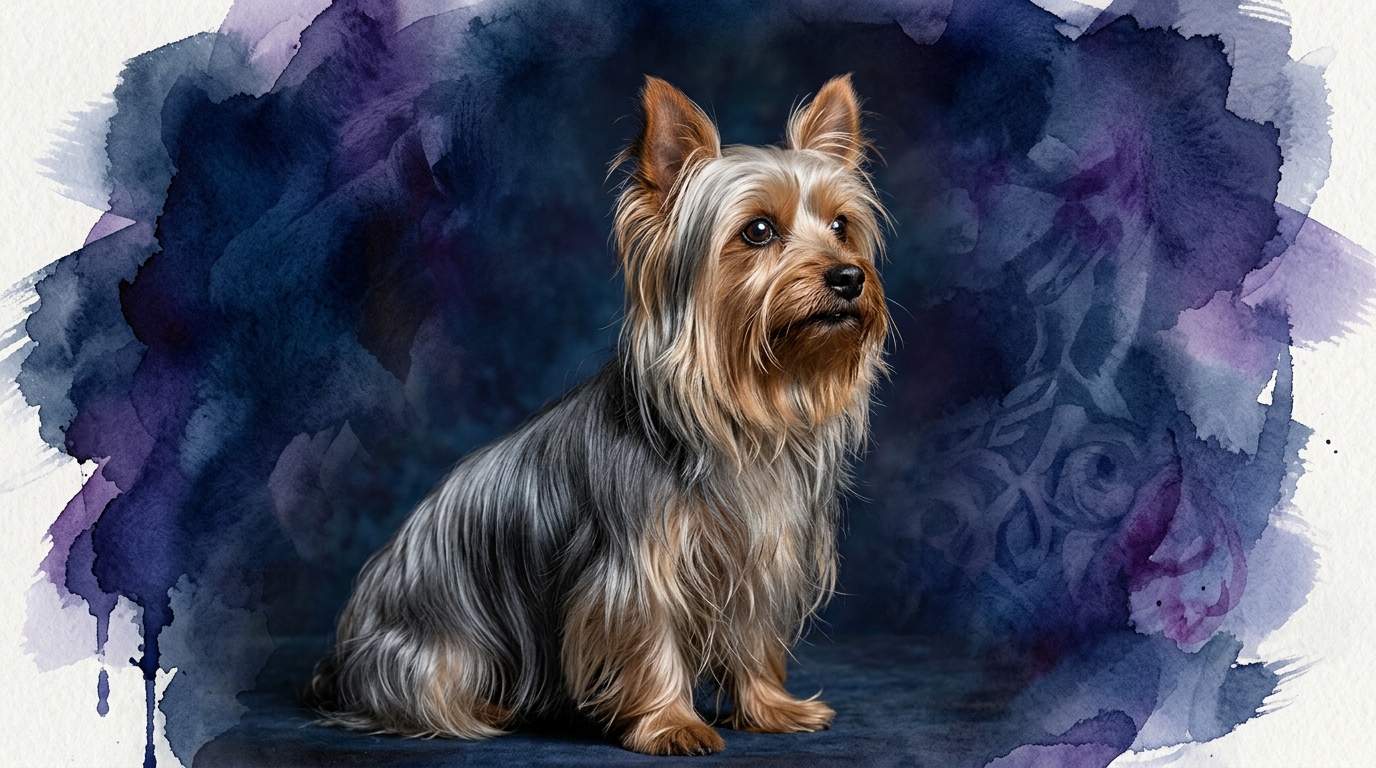
For the Silky Terrier, a 3/5 in Problem Solving often manifests as resourceful tenacity, whether it's figuring out how to retrieve a toy from under furniture or navigating a complex path during a walk. Their Training Speed at 3/5 indicates a readiness to learn, often driven by their desire for engagement, though their terrier spirit can introduce moments of selective hearing. Their Social Intelligence at 3/5 means they are generally adept at reading human cues and engaging playfully, while their Instinctive Drive at 3/5 points to a keen prey drive and alert nature. Finally, their 3/5 Memory supports their ability to retain commands and routines, aiding their adaptability.
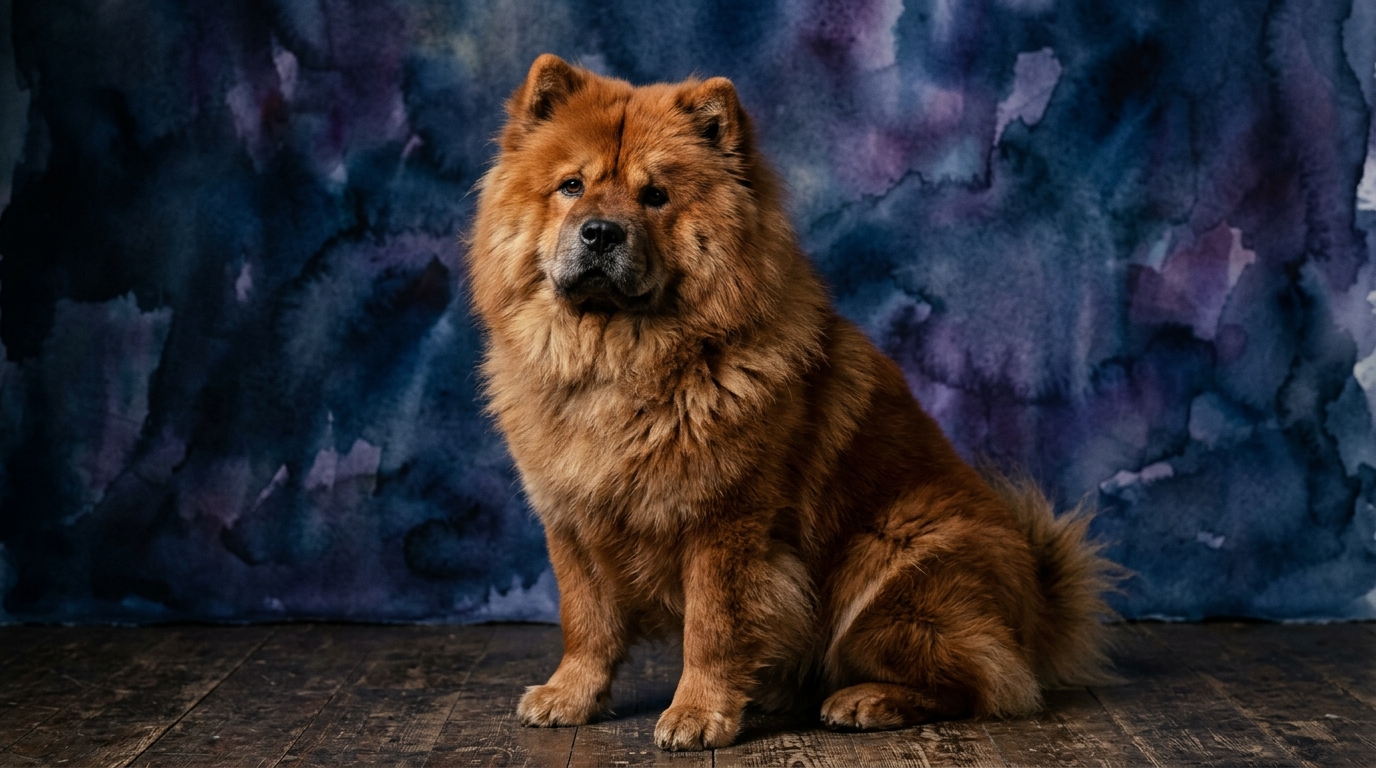
The Chow Chow's 3/5 scores, however, tell a different story. Their Problem Solving is typically characterized by independent assessment and strategic observation, particularly concerning their territory or perceived threats, rather than frantic physical action. A 3/5 Training Speed for a Chow signifies capability, yet it's often paired with a discerning nature; they learn effectively when they perceive value in the command, not out of inherent eagerness to please. Their 3/5 Social Intelligence denotes a deep understanding of their chosen family and social hierarchy, expressed through reserved loyalty rather than effusive display. Their Instinctive Drive at 3/5 is strongly tied to their ancient guarding heritage, manifesting as watchful stillness. Lastly, their 3/5 Memory is robust for routines, boundaries, and who belongs, contributing to their consistent and reliable demeanor.
Where the Silky Terrier's Mind Shines
Despite sharing numerical scores, the Silky Terrier’s cognitive strengths often lie in their dynamic adaptability and their ability to engage with their environment in an interactive, hands-on manner. Their 3/5 Problem Solving isn't about deep contemplation, but rather a practical, persistent approach to immediate challenges. They excel at tasks requiring quick physical responses and sustained focus on a tangible goal, such as intricate puzzle toys or navigating agility courses with precision.
The Silky's 3/5 Social Intelligence allows them to integrate seamlessly into diverse social settings. They are adept at picking up on human emotions and adjusting their behavior accordingly, often becoming the charismatic focal point in a room. This cognitive flexibility, combined with their 3/5 Memory for past interactions, enables them to form strong bonds with multiple family members and adapt well to new people and situations, making them excellent companions for varied households.
Their 3/5 Instinctive Drive, rooted in their vermin-hunting past, also translates into a keen awareness and responsiveness to their surroundings. This makes them excellent little watchdogs, quick to alert their owners to anything unusual. Their cognitive profile supports a life filled with varied experiences, where their quick wit and engaged nature are consistently utilized, making them a breed that thrives on mental stimulation and active participation in daily life.
The Chow Chow's Unique Cognitive Strengths
The Chow Chow’s cognitive prowess, while equally rated at 3/5, manifests through a dignified independence and profound discernment. Their Problem Solving isn't about frantic activity but rather a calm, strategic assessment of situations. This breed often makes independent decisions, particularly concerning the safety and boundaries of their home, without needing constant human direction. Their intelligence is expressed through measured observation and deliberate action, showcasing a different style of problem resolution.
A Chow Chow’s 3/5 Social Intelligence is characterized by a deep, reserved loyalty to their family, coupled with a discerning aloofness towards strangers. They are masters at identifying trusted individuals versus outsiders, forming profound, lasting bonds with their inner circle while maintaining a respectful distance from others. This cognitive trait means they don't seek constant external validation but are content and secure within their established social structure, making them highly reliable guardians once they accept you.
Their powerful 3/5 Instinctive Drive, honed over centuries as guardians and working dogs, contributes to their exceptional territorial awareness and protective instincts. This isn't a reactive, noisy display, but rather a watchful, steady presence. Coupled with their 3/5 Memory, which allows them to retain complex routines and understand who belongs where, Chow Chows are consistent and predictable in their roles. Their cognitive strengths are best appreciated by owners who value quiet assurance and an independent spirit, rather than constant effusive interaction.
Training Dynamics: Eagerness vs. Independence
When it comes to training, the identical 3/5 Training Speed scores for Silky Terriers and Chow Chows mask significant differences in their approach and temperament. Silky Terriers, despite their terrier stubbornness, generally possess an eagerness to please and a desire for interaction that makes them responsive to positive reinforcement. They pick up new commands and tricks relatively quickly when training is made fun and engaging, often thriving in varied activities like obedience, rally, or even agility, where their quick reflexes and problem-solving skills are put to good use. Consistency and clear communication are key to channeling their energetic minds effectively.
In contrast, training a Chow Chow, while certainly achievable with their 3/5 Training Speed, requires a different strategy due to their inherent independence and discerning nature. They are not typically driven by a strong desire to please and will often evaluate whether a command is worth their effort or makes logical sense to them. This often leads to the perception of stubbornness, but it's more accurately described as a strong will and self-sufficiency. Owners must establish themselves as calm, confident leaders, employing consistent, positive reinforcement methods and short, engaging sessions to maintain their interest. Chows will learn and remember commands, but often on their own terms and timeline, demanding immense patience and understanding from their trainers. Early socialization is crucial to help them navigate the world with greater composure, but their core independent spirit remains a defining characteristic.
Matching Minds to Lifestyles: Active vs. Relaxed Owners
Understanding the distinct ways their 3/5 cognitive profiles manifest is crucial for matching these breeds with suitable lifestyles. The Silky Terrier, with its vivacious problem-solving and responsive social intelligence, thrives in an active household. They are ideal for owners who enjoy interactive play, daily walks, and perhaps even dog sports or regular outings. Their mind, always alert and engaged, benefits from varied experiences and consistent mental stimulation, making them a joyful, albeit demanding, companion for dynamic individuals or families who can involve them in their daily lives. They are not content to be mere lap warmers but seek to actively participate.
The Chow Chow, on the other hand, with its dignified independence and discerning social intelligence, is better suited for owners who appreciate a reserved companion and a calmer home environment. While they require regular, moderate exercise to stay healthy, they are not typically high-energy dogs seeking constant engagement. Their cognitive strengths lend themselves to a stable routine and being a watchful, rather than constantly engaged, presence. They are well-suited for experienced owners who understand and respect their independent nature, valuing loyalty and quiet companionship over effusive displays. A relaxed owner who can provide consistent boundaries and a predictable environment will find a deeply devoted, albeit self-possessed, companion in the Chow Chow.
The Verdict: When to Choose Each Breed
The Verdict
Choose the Silky Terrier for an engaging, adaptable companion who thrives on interaction and varied activities, fitting well into dynamic households that can meet their need for mental and physical stimulation.
Choose the Chow Chow for a reserved, loyal guardian who values routine and independence, best suited for calm homes with experienced owners appreciating their unique dignity and strong-willed nature.
🧠 Find Your Pet's IQ Score
Our Pet IQ Lab assessment covers 25+ tests across 5 cognitive dimensions — personalized to your breed.
Take the Full IQ Test →Frequently Asked Questions
Do Silky Terriers do well in apartments?
Yes, their small size makes them suitable for apartment living, provided they receive adequate daily exercise and mental stimulation. Their alert nature means potential for barking, so early training is beneficial to manage this trait.
Are Chow Chows good with children?
Chow Chows can coexist with older, respectful children, especially if raised with them from puppyhood and properly socialized. Their reserved and independent nature means they typically prefer calmer interactions and may not tolerate boisterous, intrusive play.
Despite similar IQ scores, why do their training approaches differ so much?
While both breeds possess a similar capacity for learning (Training Speed 3/5), their intrinsic motivations and temperaments vary significantly. Silky Terriers generally possess a stronger desire to please and engage, while Chow Chows are known for their independent, often discerning nature, requiring different motivational strategies from their trainers, focusing on respect and consistency.