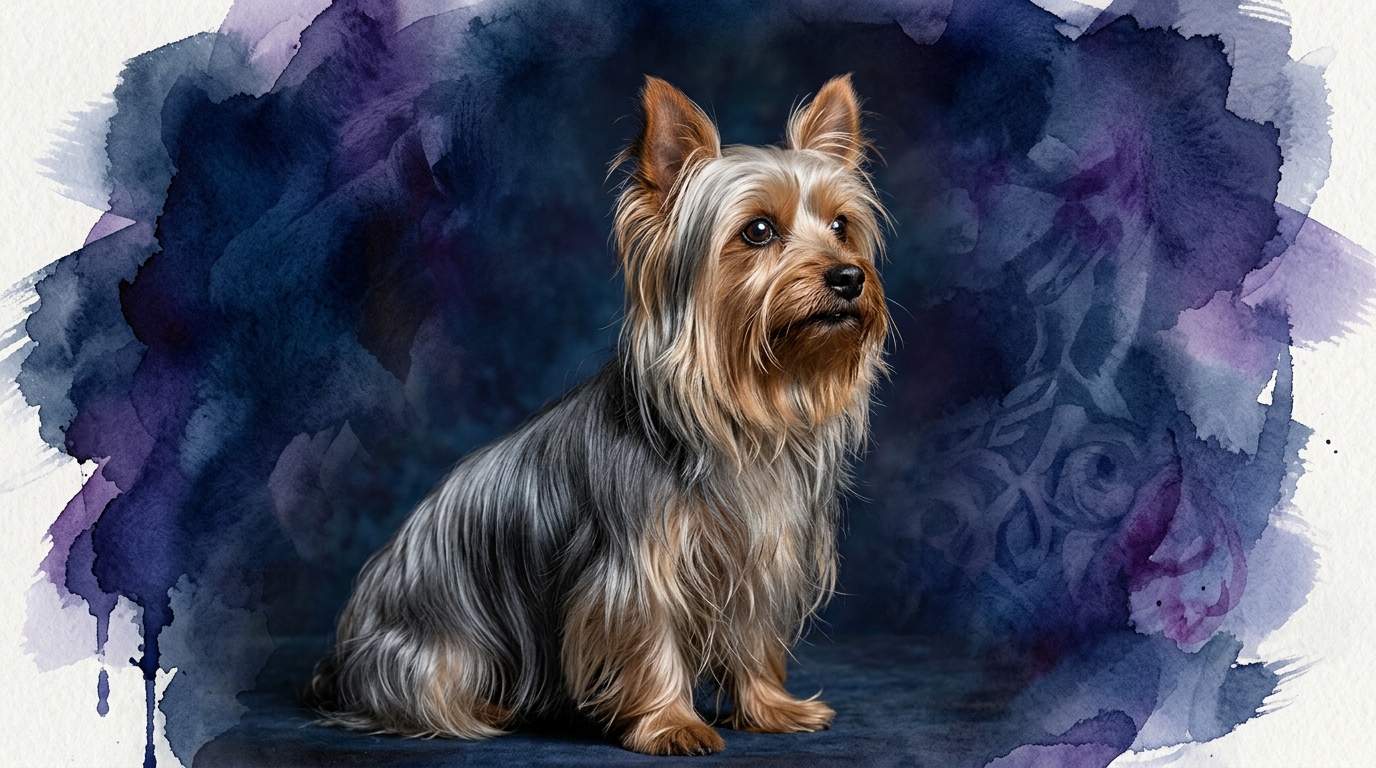
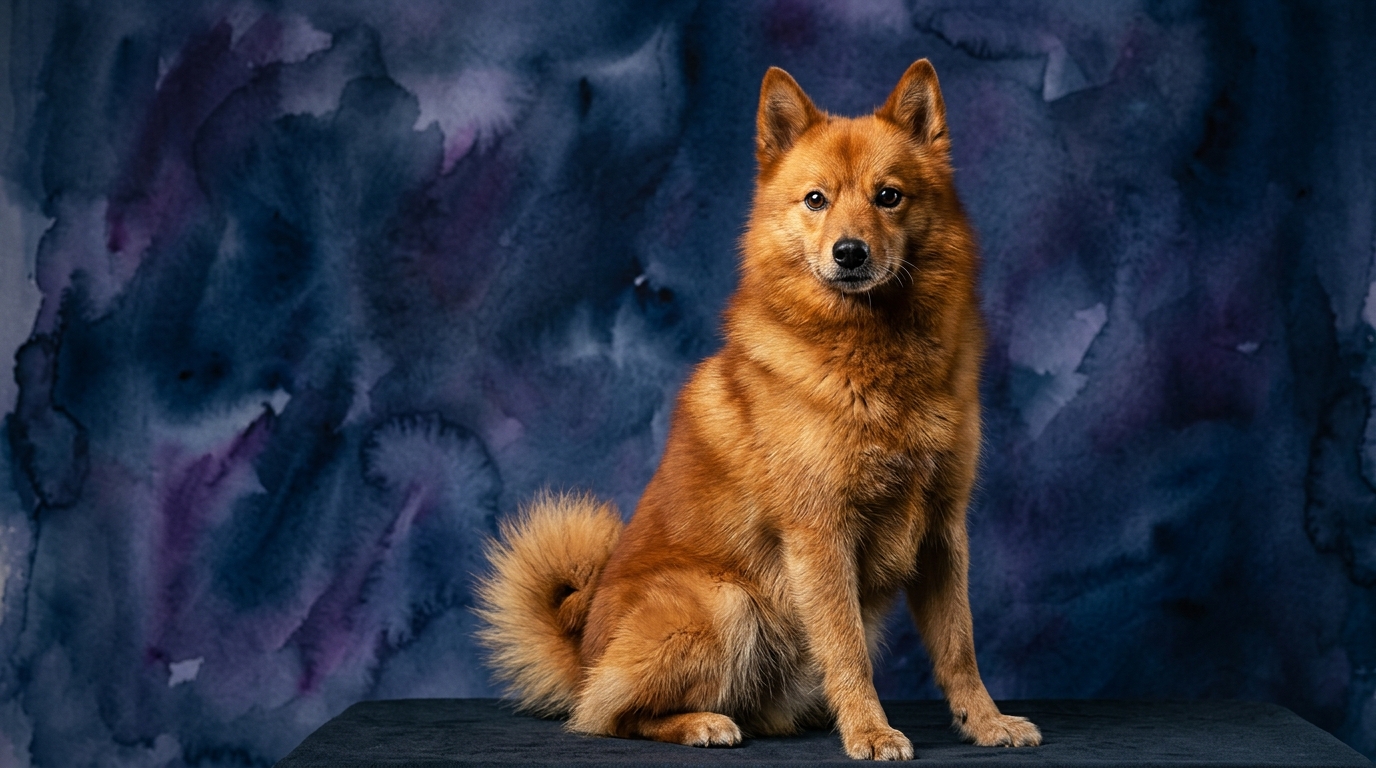
Side-by-Side IQ Profile: Silky Terrier vs. Finnish Spitz
The Cosmic Pet Pet IQ Lab assesses canine intelligence across five key dimensions, each rated on a scale of 1 to 5. Interestingly, both the Silky Terrier and the Finnish Spitz achieve a consistent 3/5 across all categories, suggesting a balanced, moderate cognitive capacity. However, a numerical score alone doesn't tell the full story; the *application* of this intelligence varies significantly due to their distinct histories and breed purposes.
For the Silky Terrier, a breed from the Toy group originally developed in Australia for companionship and vermin control, their moderate Problem Solving (3/5) often manifests as cleverness in navigating complex household environments, figuring out how to access desired items, or cleverly soliciting human attention. Their Training Speed (3/5) indicates they are generally responsive to learning new commands, particularly when motivated by positive reinforcement and human interaction, though a terrier's independent streak can sometimes influence their focus. Social Intelligence (3/5) for a Silky is typically geared towards understanding and integrating into the immediate family unit, making them highly attuned to their owners' moods and routines. Their Instinctive Drive (3/5) primarily encompasses their innate terrier urges to chase small objects or dig, while their Memory (3/5) allows them to retain learned behaviors and routines effectively, contributing to their consistent companionship.
The Finnish Spitz, a Non-Sporting breed with a rich history as a vocal hunting dog in Finland, interprets the same 3/5 scores through a different lens. Their Problem Solving (3/5) is often demonstrated in their ability to independently assess and navigate varied outdoor terrains, locate game, or interpret subtle environmental cues during a hunt. Their Training Speed (3/5) reflects their capacity to learn, but it's often tempered by their independent nature; they might learn at their own pace and require compelling motivation. Social Intelligence (3/5) for a Finnish Spitz is deeply tied to their specialized communication, particularly their distinct range of barks used to 'point' game, and their strong bond with their immediate family. Their Instinctive Drive (3/5) is prominently displayed in their specialized 'barking instinct' and moderate prey drive, compelling them to explore and vocalize. Finally, their Memory (3/5) enables them to recall specific hunting grounds, successful strategies, and the nuances of their owner's signals, making them reliable in their traditional roles.
Where the Silky Terrier Excels Cognitively
Despite identical scores, the Silky Terrier's cognitive strengths are particularly evident in their application of intelligence within a domestic, companion-focused context. Their 3/5 social intelligence, for instance, translates into a remarkable aptitude for navigating intricate human-canine social dynamics. Silky Terriers often demonstrate a keen ability to read subtle shifts in human mood, timing their requests for attention or comfort with precision, showcasing a refined understanding of their household's emotional landscape. This isn't about raw intellectual superiority, but a specific, practical manifestation of their social acumen honed for cohabitation.
Furthermore, their 3/5 problem-solving ability, combined with their compact size and terrier tenacity, allows them to excel at clever, small-scale domestic challenges. They frequently demonstrate ingenuity in finding dropped treats, maneuvering past household obstacles to reach a desired spot, or even figuring out how to open specific cabinets. This practical, 'in-the-moment' problem-solving within a home environment often gives the impression of a nimble, adaptable mind perfectly suited for close-quarter living and interactive play.
The Silky Terrier's moderate training speed and memory, coupled with a strong desire for human interaction, also contribute to their proficiency in adapting to new household routines and learning a wide repertoire of tricks or manners. While they possess an independent streak, their motivation to engage with their primary caregivers often translates into a quicker uptake of new expectations, especially when consistent positive reinforcement and engaging methods are employed. This adaptability makes them particularly rewarding for owners who enjoy teaching and interacting through training.
Where the Finnish Spitz Excels Cognitively
The Finnish Spitz, in contrast, demonstrates its 3/5 cognitive scores through a lens of independent utility and specialized communication, rooted in its hunting heritage. Their 3/5 social intelligence is uniquely expressed through their highly developed auditory processing and sophisticated vocalizations. These dogs possess an innate ability to discern subtle sounds in the environment, interpret their significance, and communicate findings through a nuanced 'barking language' that goes beyond simple noise. This specialized form of social intelligence, focused on conveying information through sound, is a testament to their historical role and requires a distinct cognitive capacity for environmental interpretation and communication.
Moreover, their 3/5 problem-solving and instinctive drive converge to create an animal adept at independent environmental assessment and decision-making in outdoor settings. Bred to work autonomously ahead of the hunter, a Finnish Spitz often displays a remarkable capacity for evaluating terrain, tracking scents, and making on-the-spot judgments without constant human direction. Their ability to recall effective strategies and navigate complex natural landscapes demonstrates a practical, applied intelligence that thrives in conditions requiring self-reliance and keen observation.
While their training speed is also 3/5, the Finnish Spitz exhibits a particular cognitive strength in sustained focus on instinct-driven tasks. When engaged in activities that tap into their natural hunting or scenting drives, they can maintain remarkable concentration for extended periods. This isn't necessarily about rapidly learning complex obedience routines, but rather a deep, persistent mental engagement with tasks that align with their inherent purpose, showcasing a specific kind of cognitive endurance and dedication when their instincts are truly activated.
Training Dynamics: Silky Terrier vs. Finnish Spitz
Both breeds share a 3/5 training speed, indicating they are moderately receptive to learning. However, the *approach* to training and the *perceived ease* can differ significantly due to their underlying temperaments and motivations. The Silky Terrier, with its strong desire for companionship and engagement with its family, often responds well to positive reinforcement and consistent, playful training sessions. They are generally eager to please their people, which can make them quite biddable. Yet, their terrier instincts mean they can be easily distracted by novel scents or sounds, and their independent streak may surface if they perceive a task as uninteresting or repetitive. Patience, variety, and high-value rewards are key to harnessing their moderate learning capacity effectively.
The Finnish Spitz, while equally capable of learning, presents a different set of training considerations. Their history as independent hunting dogs means they were not bred for strict, unquestioning obedience; instead, they were encouraged to make their own judgments in the field. This translates into a more independent nature in training, where their motivation often stems from the perceived value or enjoyment of the task itself, rather than an inherent desire to please. Their 3/5 instinctive drive, particularly their vocalizations and prey drive, can sometimes override commands if a strong stimulus is present. Training a Finnish Spitz requires immense patience, creative engagement, and a deep understanding of their unique communication style, building a foundation of trust and respect rather than relying solely on traditional obedience methods. They remember what they learn (3/5 memory), but whether they *choose* to perform it can depend on the context and their current focus.
Matching Owners: Active vs. Relaxed Lifestyles
The choice between a Silky Terrier and a Finnish Spitz often comes down to an owner's lifestyle and their capacity to meet specific breed needs. Despite their small stature, Silky Terriers are energetic and require regular physical and mental stimulation. They thrive with owners who enjoy daily walks, interactive indoor games, and perhaps dabbling in dog sports like agility or obedience. They are well-suited for active owners who live in apartments or homes with smaller yards, as long as their need for engagement is met through quality time and consistent activity. They are lively companions who appreciate being central to family activities but don't typically demand extensive, long-duration outdoor excursions.
The Finnish Spitz, on the other hand, is distinctly suited for more active, outdoors-oriented individuals or families. Their heritage as hunting dogs means they possess considerable stamina and a pronounced need for robust physical exercise and mental engagement that taps into their natural instincts. Owners who enjoy hiking, long walks in varied natural environments, or participating in dog sports such as scent work, tracking, or even rally obedience, would find a Finnish Spitz a rewarding companion. A relaxed owner who cannot provide consistent opportunities for exploration and instinctual outlets might find the Finnish Spitz's energy levels and vocal nature challenging to manage in a more sedentary lifestyle.
The Verdict
Choose the Silky Terrier if you seek a vigilant, clever companion who excels in navigating a lively household and enjoys interactive mental games with their family. They thrive with owners who appreciate a spirited personality and can offer consistent, positive engagement within a primarily indoor-centric lifestyle.
Opt for the Finnish Spitz if you are an active, outdoors-oriented individual or family prepared to engage a perceptive, independent thinker in activities that honor their natural hunting instincts and vocal communication. They are best suited for those who can provide ample mental stimulation and consistent outdoor exploration.
🧠 Find Your Pet's IQ Score
Our Pet IQ Lab assessment covers 25+ tests across 5 cognitive dimensions — personalized to your breed.
Take the Full IQ Test →Frequently Asked Questions
Do Silky Terriers or Finnish Spitz learn tricks faster?
Both breeds have a 3/5 training speed, indicating a moderate learning pace. A Silky Terrier might appear to learn tricks faster due to their eagerness to please and focus on their human, especially with high-value rewards and engaging methods. A Finnish Spitz, while capable, often requires more compelling motivation, a strong bond, and may learn at their own discretion, making trick training a test of creativity and consistency for the owner.
How do their social intelligence scores (3/5) differ in practice?
While both score 3/5, a Silky Terrier's social intelligence is often directed towards understanding and integrating into the immediate family unit, being highly attuned to human moods and routines for companionship. The Finnish Spitz's social intelligence, while strong within its family unit, is also heavily influenced by its unique vocal communication and independent working history, making them adept at interpreting environmental cues and communicating with distinct vocalizations during activities like hunting.
Are either of these breeds recommended for first-time dog owners?
Both breeds can present unique challenges for first-time owners due to their distinct personalities and needs, despite their moderate IQ scores. Silky Terriers require consistent training for their terrier tenacity and potential for alert barking, while Finnish Spitz need owners who understand their independent nature, strong vocalizations, and significant exercise requirements. Owners willing to invest time in positive reinforcement training and understanding breed-specific traits will find success with either, but neither is typically considered a 'beginner' breed without dedicated effort.
Which breed is more vocal, the Silky Terrier or the Finnish Spitz?
The Finnish Spitz is notably more vocal, earning its nickname as the 'barking bird dog.' Their 3/5 instinctive drive includes a specialized vocalization used to alert hunters, making them prone to barking at anything that catches their attention. Silky Terriers, while also capable of alert barking due to their terrier nature, typically do not possess the same sustained, expressive vocal repertoire as the Finnish Spitz, making the Finnish Spitz the more consistently vocal of the two.