Side-by-Side Cognitive Profile
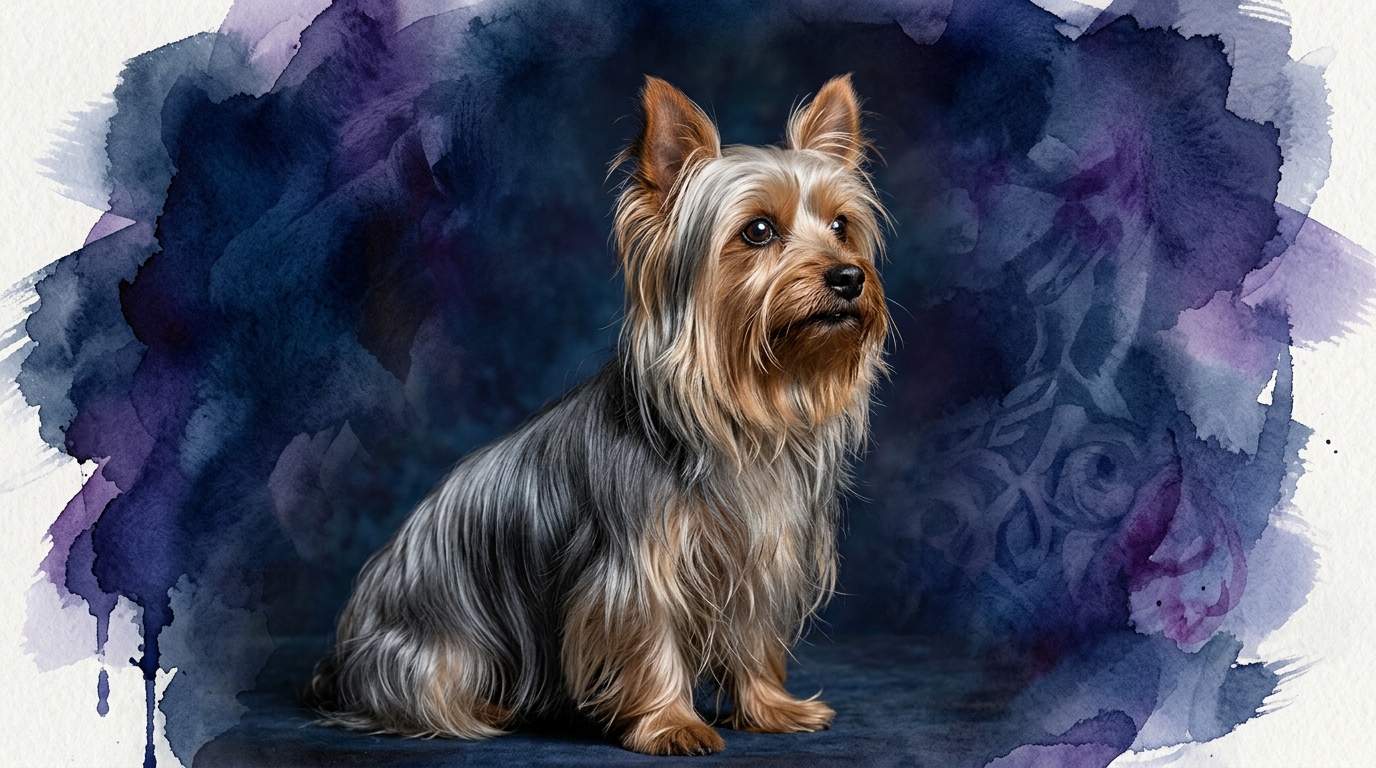
To truly understand the cognitive makeup of the Silky Terrier and the German Pinscher, we examine their identical scores across five crucial IQ dimensions within The Cosmic Pet Pet IQ Lab framework. The Silky Terrier, a spirited member of the Toy group, historically excelled as a companion and tenacious vermin hunter. Its Problem Solving (3/5) manifests as clever persistence in navigating domestic challenges, such as figuring out how to get attention or access a favored spot. Training Speed (3/5) indicates it learns commands at a moderate pace, though its independent terrier spirit requires engaging, consistent methods. Social Intelligence (3/5) highlights its deep attunement to human family dynamics, allowing it to quickly grasp subtle cues and emotional states within its immediate social circle. Instinctive Drive (3/5) reflects a moderate prey drive and strong desire to be involved, often translating into vigilant alerting to novel sounds. Its Memory (3/5) allows it to retain learned routines, commands, and past interactions with reasonable accuracy.
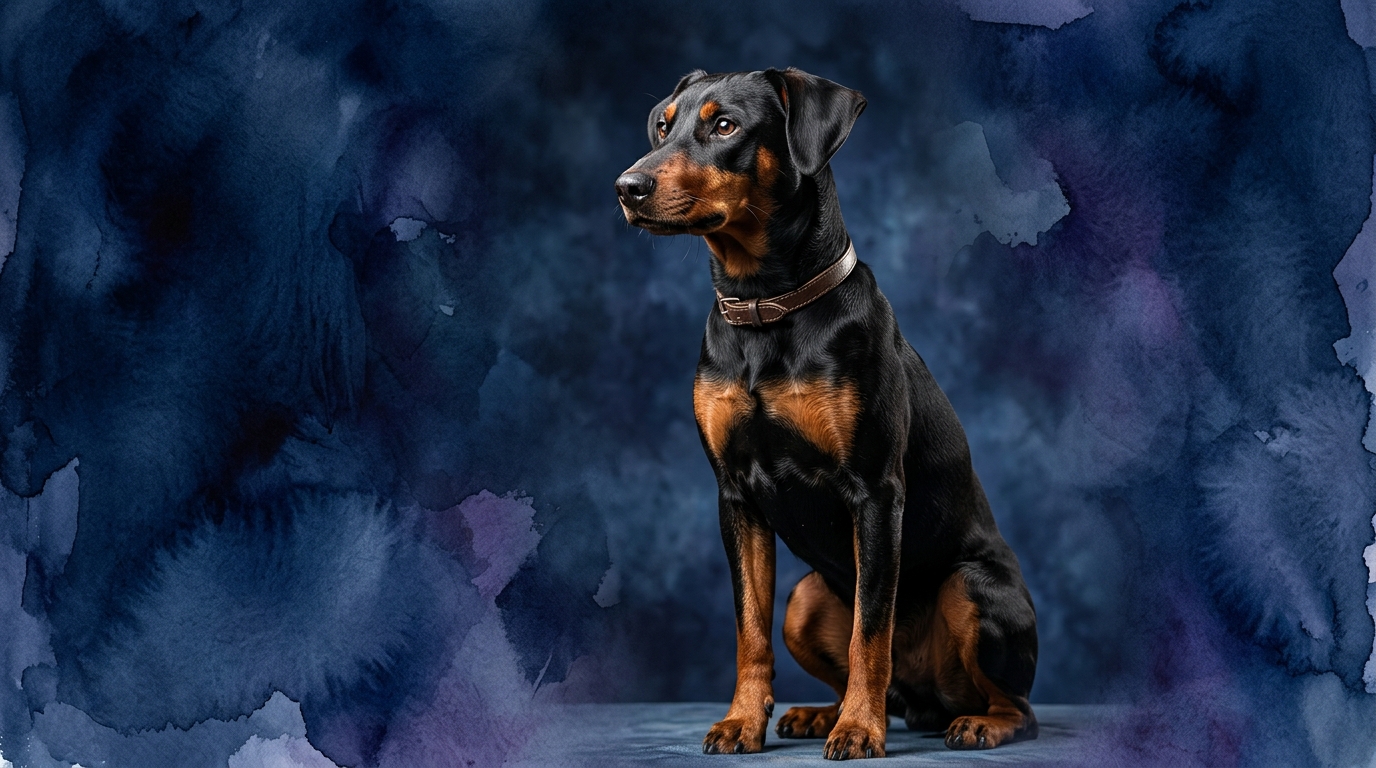
The German Pinscher, a versatile member of the Working group, was originally bred for guarding and vermin control on German farms. Its Problem Solving (3/5) is typically applied to practical, environmental assessments, like identifying potential threats or devising methods to patrol its territory, often with an independent, purposeful approach. Training Speed (3/5) signifies its capability to learn quickly, yet its strong will and working dog mindset demand confident leadership and varied, stimulating instruction. Social Intelligence (3/5) emphasizes its keen observational awareness of its surroundings and family, enabling it to distinguish between familiar individuals and perceived intruders. Instinctive Drive (3/5) is robust, fueling its strong guarding instincts and moderate prey drive, necessitating outlets for this inherent energy. Its Memory (3/5) is solid for retaining commands, boundaries, and spatial information, contributing to its reliability in maintaining order and security.
Where the Silky Terrier Cognitively Excels
The Silky Terrier, despite its identical numerical scores, often shines in cognitive domains that prioritize close human interaction and adaptability to a companion lifestyle. Its 3/5 social intelligence frequently translates into a nuanced understanding of household dynamics, making it particularly adept at 'reading' its owner's emotional state or anticipating daily routines. This breed's problem-solving skills, also rated 3/5, are often directed towards navigating complex social situations within the family, perhaps figuring out how to secure a coveted spot or orchestrate a play session through charming persistence. The Silky's memory (3/5) is effective in recalling specific interactions and preferences of its primary caregivers, allowing it to tailor its responses and enhance its role as a devoted, albeit sometimes demanding, companion. Its instinctive drive (3/5) is often channeled into playful pursuits or alerts to perceived intruders, making it a vigilant small guardian.
Where the German Pinscher Cognitively Excels
In contrast, the German Pinscher's cognitive strengths, while scoring identically, lean towards practical application and independent thought, reflective of its working heritage. Its 3/5 problem-solving ability often manifests as a robust capacity to assess and act upon environmental cues, whether identifying a novel object in the yard or devising a strategy to patrol its territory effectively. The German Pinscher's social intelligence (3/5) is keenly developed for observational awareness, enabling it to quickly distinguish between acceptable visitors and potential threats, contributing to its natural guarding prowess. This breed's instinctive drive (3/5) is a significant cognitive asset, fueling its vigilance and determination in tasks, requiring mental engagement that a less driven breed might not demand. Its memory (3/5) is particularly strong for spatial awareness and recalling established boundaries or training protocols, making it reliable in maintaining order within its designated domain.
Training Dynamics: Which is Easier and Why
Despite both breeds scoring 3/5 in training speed, the practical experience of training a Silky Terrier versus a German Pinscher can differ considerably due to their inherent temperaments and drives. The Silky Terrier, with its strong bond to its primary owner and social intelligence, may respond well to positive reinforcement methods that leverage its desire for attention and affection. However, its terrier independence and occasional stubbornness mean that training sessions must be kept engaging and consistent. A Silky might quickly grasp a command but choose not to execute it if a more appealing distraction arises, requiring patience and creative motivation.
The German Pinscher, conversely, possesses a robust working drive and a more independent nature. Its 3/5 training speed indicates it learns commands efficiently, but its strong will and protective instincts necessitate firm, consistent leadership and a diverse training regimen. A German Pinscher's cognitive abilities are best channeled through structured tasks and clear expectations, as it may test boundaries if it perceives a lack of leadership. Therefore, while both learn at a similar pace, the German Pinscher typically requires a more experienced hand to harness its cognitive potential effectively.
Lifestyle Match: Active vs. Relaxed Owners
When considering an owner's lifestyle, the cognitive and physical energy demands of these two breeds present distinct profiles. The Silky Terrier, with its 3/5 instinctive drive and moderate energy levels, is well-suited for owners who enjoy regular, moderate activity. This breed thrives on daily walks, interactive play sessions, and mental puzzles, preventing boredom and channeling its terrier zest. While energetic within the home, it is generally content with a comfortable amount of activity and enjoys periods of relaxation with its family, fitting active individuals or families who appreciate a lively companion without requiring extreme athletic commitment.
The German Pinscher, however, is unequivocally a breed for truly active owners. Its 3/5 instinctive drive, combined with its working dog heritage, means it possesses a substantial need for physical exercise and mental stimulation. This breed excels with owners who can provide daily vigorous activity such as long runs, hiking, agility training, or engaging in dog sports. Its problem-solving and memory are best utilized when given a 'job' or consistent challenges, making it an ideal partner for individuals committed to an active, purposeful lifestyle. A relaxed owner who cannot meet these needs may find a German Pinscher becoming restless or destructive.
The Verdict
Choose the Silky Terrier if you seek a highly social, charming, and moderately active companion who thrives on close family interaction and engages its intelligence in domestic settings.
Opt for the German Pinscher if you are an experienced, active owner prepared to provide consistent leadership, vigorous exercise, and mental challenges for a protective, independent, and purposeful working breed.
🧠 Find Your Pet's IQ Score
Our Pet IQ Lab assessment covers 25+ tests across 5 cognitive dimensions — personalized to your breed.
Take the Full IQ Test →Frequently Asked Questions
Are Silky Terriers good at learning tricks?
Yes, with a training speed of 3/5 and solid memory, Silky Terriers are quite capable of learning a variety of tricks. Their social intelligence often makes them eager to please their owners, especially when positive reinforcement and engaging methods are used. Consistency is key to overcoming their occasional independent streak.
Do German Pinschers need a lot of mental stimulation?
Absolutely. With a 3/5 problem-solving ability and strong instinctive drive from their working heritage, German Pinschers require significant mental stimulation to prevent boredom and destructive behaviors. Puzzle toys, obedience training, and dog sports are excellent ways to engage their minds.
How do their problem-solving skills differ in daily life?
While both score 3/5, a Silky Terrier's problem-solving might involve figuring out how to get attention or access a forbidden treat within the house. A German Pinscher's problem-solving often manifests in more practical, independent ways, such as assessing a perceived threat or finding a way to patrol its territory more effectively.