Side-by-Side IQ Profile: Understanding Identical Scores
At first glance, the data from The Cosmic Pet Pet IQ Lab presents both the Silky Terrier and the Lhasa Apso with uniform 3/5 scores across all five cognitive dimensions: Problem Solving, Training Speed, Social Intelligence, Instinctive Drive, and Memory. This uniformity doesn't imply identical mental landscapes, but rather that their cognitive strengths, while present, manifest through the lens of their unique breed histories and temperaments. We must look beyond the numbers to understand the distinct expressions of their shared intellectual capacity.
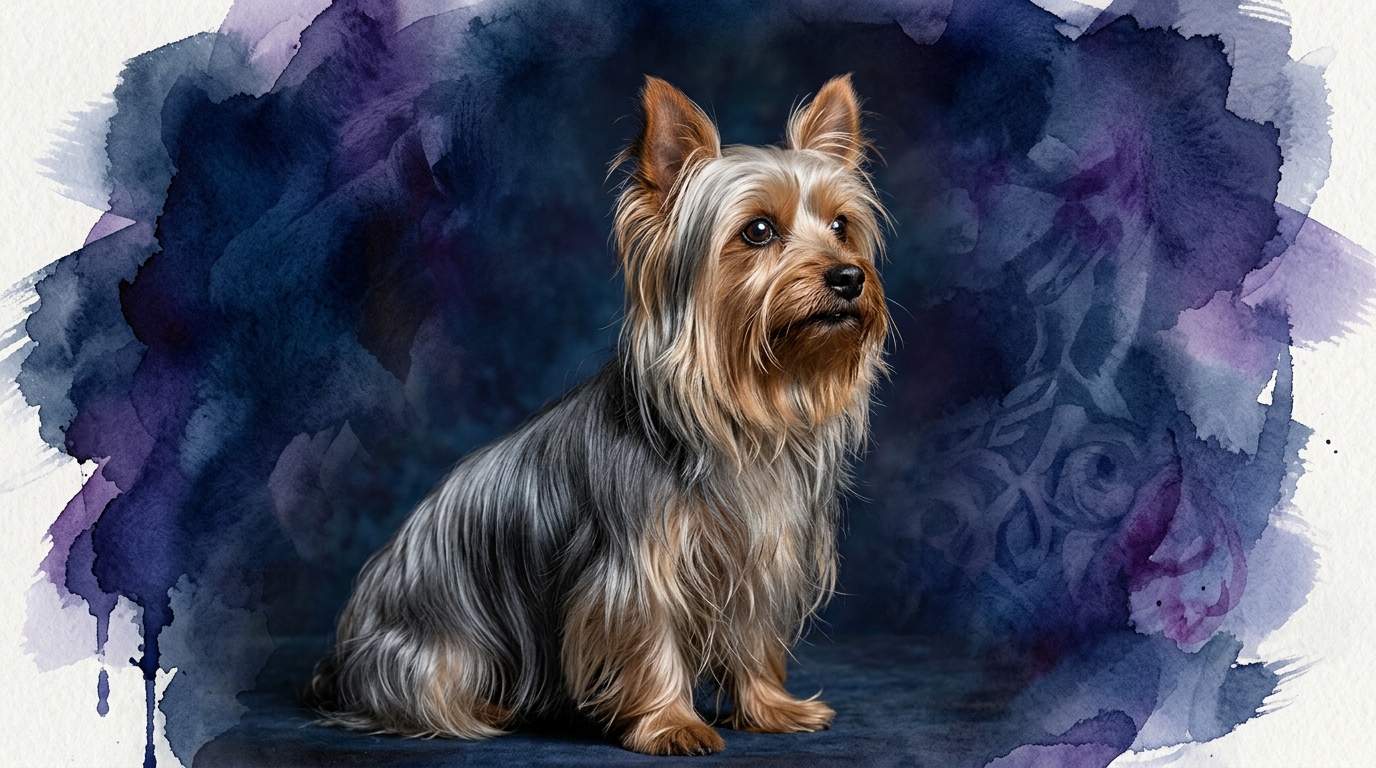
For the **Silky Terrier**, a breed from the Toy Group originally developed in Australia as a ratter and companion, these 3/5 scores are colored by its spirited terrier nature. Its Problem Solving at 3/5 often appears as cleverness in navigating its environment, figuring out how to access forbidden areas, or manipulating objects to its advantage, often in pursuit of play or curiosity. Training Speed at 3/5 means they can grasp new commands with reasonable quickness, but their inherent zest and occasional stubborn streak mean consistency and engaging methods are vital for sustained compliance. Social Intelligence at 3/5 is evident in their deep attachment to their family, often being highly attuned to human emotions, though their strong prey drive and territoriality can lead to wariness or exuberance with strangers. Their Instinctive Drive at 3/5 is dominated by a keen prey drive, digging tendencies, and a propensity for vocalizing, all characteristic of their terrier heritage. Finally, Memory at 3/5 ensures they recall learned behaviors and routines, both desired and undesired, and can remember specific locations of interest or past experiences.
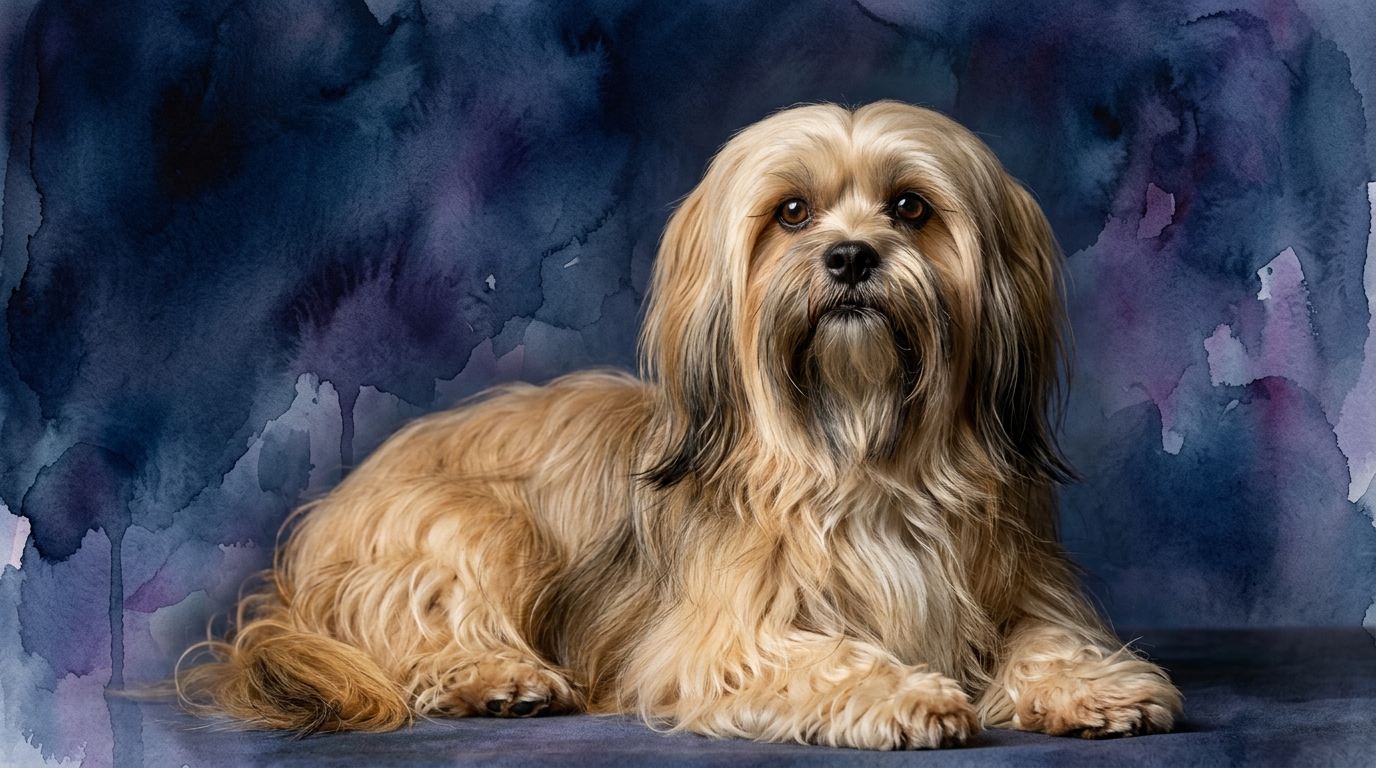
The **Lhasa Apso**, hailing from the Non-Sporting Group and historically bred as a sentinel in Tibetan monasteries, interprets the same 3/5 cognitive scores through a very different lens. Its Problem Solving at 3/5 manifests as independent thought and strategic observation, particularly concerning their territory and perceived threats. They are adept at assessing situations and deciding on the best course of action from their unique, often self-assured, perspective. Training Speed at 3/5 indicates their capacity to learn, but their independent and discerning nature means they often need to understand the 'why' behind a command, or perceive a clear benefit, before offering consistent cooperation; rote repetition might be met with an elegant refusal. Social Intelligence at 3/5 is expressed through profound loyalty to their chosen family, often forming a singular, devoted bond, yet they remain reserved and often aloof with strangers, a direct reflection of their guardian lineage. Their Instinctive Drive at 3/5 is primarily focused on their sentinel role, involving vigilant observation and alert barking to announce anything unusual. Memory at 3/5 is excellent for long-term recall, particularly for recognizing familiar faces versus newcomers, and remembering specific routines or boundaries, reinforcing their role as watchful companions.
Where the Silky Terrier Wins Cognitively
While both breeds share identical 3/5 scores, the Silky Terrier's cognitive strengths shine in areas demanding adaptable problem-solving and proactive engagement. Their 3/5 Problem Solving often translates into a quick grasp of dynamic environments, making them adept at navigating agility courses or figuring out complex puzzle toys with a spirited enthusiasm. This isn't just about finding a solution, but doing so with a playful, interactive energy.
Their 3/5 Social Intelligence, while requiring careful early socialization, fosters a more outwardly expressive and playful interaction style with their immediate human family. They are often the instigators of games, using their understanding of human cues to solicit attention and engage in joyful antics. This makes them particularly responsive to owners who enjoy a highly interactive and reciprocal relationship.
Furthermore, the Silky Terrier's 3/5 Instinctive Drive, particularly its prey drive, can be a significant cognitive asset when channeled appropriately. This intense focus and determination can be redirected into activities like scent work or certain dog sports, where their keen senses and persistence become a powerful tool for task completion. Their memory (3/5) supports this by helping them recall specific training sequences or the location of hidden objects, enhancing their performance in such engaging pursuits.
Where the Lhasa Apso Wins Cognitively
The Lhasa Apso's cognitive strengths, while also rated 3/5, excel in areas demanding independent judgment, discerning observation, and unwavering loyalty. Their 3/5 Problem Solving is often expressed through strategic thinking related to their environment and family's safety. They might assess a new situation with careful deliberation, deciding when and how to issue an alert, rather than reacting impulsively. This independent thought process is a hallmark of their sentinel heritage.
Their 3/5 Social Intelligence, though reserved with outsiders, fosters an exceptionally deep and discerning bond with their chosen family. They possess a subtle understanding of household dynamics and human moods, offering a quiet, watchful presence rather than overt demands for interaction. This allows them to be highly empathetic companions who provide comfort through their steady, observant nature.
The Lhasa Apso’s 3/5 Memory is particularly strong in its ability to recall who belongs and who doesn't, making them exceptionally reliable as watchdogs. They remember patterns and deviations, contributing to their effective guardian role. Their Instinctive Drive (3/5), focused on territorial alerts rather than prey pursuit, means they are less likely to be distracted by small critters during walks, allowing for a more focused, albeit independently-minded, approach to their surroundings.
Which is Easier to Train and Why
When considering ease of training, both breeds, with their 3/5 Training Speed, present unique considerations that stem from their core temperaments and historical roles. The Silky Terrier, while quick to pick up commands, requires an owner who understands the terrier spirit. Their inherent eagerness to please their family, combined with their spirited nature, can make initial training sessions feel engaging and rewarding. They respond well to positive reinforcement, novelty, and methods that tap into their playful curiosity, often excelling in trick training or agility where their problem-solving (3/5) and memory (3/5) are challenged.
However, their 3/5 Instinctive Drive, particularly their prey drive and occasional stubbornness, means that consistency and a high-value reward system are paramount. Distractions can easily derail a training session, and their determination can lead to selective hearing if the task isn't sufficiently engaging or if something more interesting, like a rustling leaf, captures their attention. While not Coren-ranked, their breed group suggests they thrive with engaging, consistent, and patient guidance to channel their cognitive strengths effectively.
The Lhasa Apso, on the other hand, is ranked #68 in Coren's intelligence list, placing them in the 'Fair Working/Obedience Intelligence' category, which aligns well with their 3/5 Training Speed. This ranking doesn't imply a lack of ability, but rather a different approach to learning. Lhasas are certainly capable of learning commands and routines, but their independent 3/5 Problem Solving and discerning 3/5 Social Intelligence mean they often need to be convinced that a command is worthwhile. They are not dogs that will blindly obey; they require a trainer to build a respectful partnership, understanding that they value their autonomy.
Training a Lhasa Apso often requires more patience and creative motivation. Repetitive drills might be met with disinterest or even a subtle refusal, as they prefer to think for themselves. Their 3/5 Memory means they will recall commands, but their compliance is often tied to their independent will and whether they perceive a benefit or logic in the action. They are less prone to distraction by prey but more by their own internal assessment of the situation, making consistency, fairness, and positive reinforcement crucial for successful training outcomes.
Which Suits Active Owners vs. Relaxed Owners
The choice between a Silky Terrier and a Lhasa Apso for active versus relaxed owners hinges significantly on how their identical 3/5 cognitive dimensions manifest in their daily energy and engagement needs. For **active owners**, the Silky Terrier is often a more fitting companion. Their 3/5 Instinctive Drive fuels a desire for regular physical and mental stimulation, making them ideal for individuals who enjoy daily walks, interactive play sessions, or even dog sports like agility or earthdog trials. Their 3/5 Problem Solving thrives when given opportunities to explore, learn new tricks, and engage with their environment actively. They flourish with consistent interaction and can become restless or mischievous without adequate outlets for their energy and curiosity, making them a vibrant addition to a dynamic household.
Conversely, the **Lhasa Apso** generally suits **relaxed owners** who appreciate a more calm and observant companion. While they certainly enjoy walks and mental engagement, their activity needs are typically lower than a Silky Terrier's. Their 3/5 Problem Solving is often expressed in a more contemplative manner, content with surveying their surroundings from a comfortable vantage point and engaging in quiet observation. Their 3/5 Social Intelligence allows them to be deeply devoted companions who are perfectly content spending quiet time with their family, offering a watchful, reassuring presence rather than demanding constant high-energy interaction. They do, however, require consistent mental engagement and socialization to ensure their discerning nature doesn't lead to excessive aloofness or suspicion towards strangers, maintaining their balanced temperament.
The Verdict: When to Choose Each Breed
The Verdict
Choose the Silky Terrier if you seek an engaging, curious companion eager for interactive play and mental challenges, and you're prepared to channel their terrier tenacity with consistent, positive training.
Choose the Lhasa Apso if you desire a discerning, loyal guardian with an independent spirit, content with a more relaxed pace but still requiring thoughtful engagement and patient, partnership-based training.
🧠 Find Your Pet's IQ Score
Our Pet IQ Lab assessment covers 25+ tests across 5 cognitive dimensions — personalized to your breed.
Take the Full IQ Test →Frequently Asked Questions
Do Silky Terriers or Lhasa Apsos bark more?
Both breeds have a 3/5 instinctive drive, which includes vocalization. Silky Terriers might bark more due to their excitement and prey drive, while Lhasa Apsos bark more as part of their guardian instinct, alerting to perceived threats or strangers.
Are Silky Terriers or Lhasa Apsos better with children?
Both breeds can be good with respectful children, but their social intelligence (3/5) means careful socialization is crucial. Silky Terriers might be more tolerant of boisterous play, while Lhasa Apsos prefer quieter interactions and may be less patient with rough handling due to their independent and discerning nature.
How do their 3/5 memory scores differ in daily life?
A Silky Terrier's 3/5 memory often manifests in remembering routines and where toys are hidden, aiding their playful problem-solving and engagement. A Lhasa Apso's 3/5 memory excels in recalling who belongs and who doesn't, reinforcing their discerning guardian role and consistent territorial awareness.