Side-by-Side Cognitive Profiles: A Deeper Look at 3/5 Scores
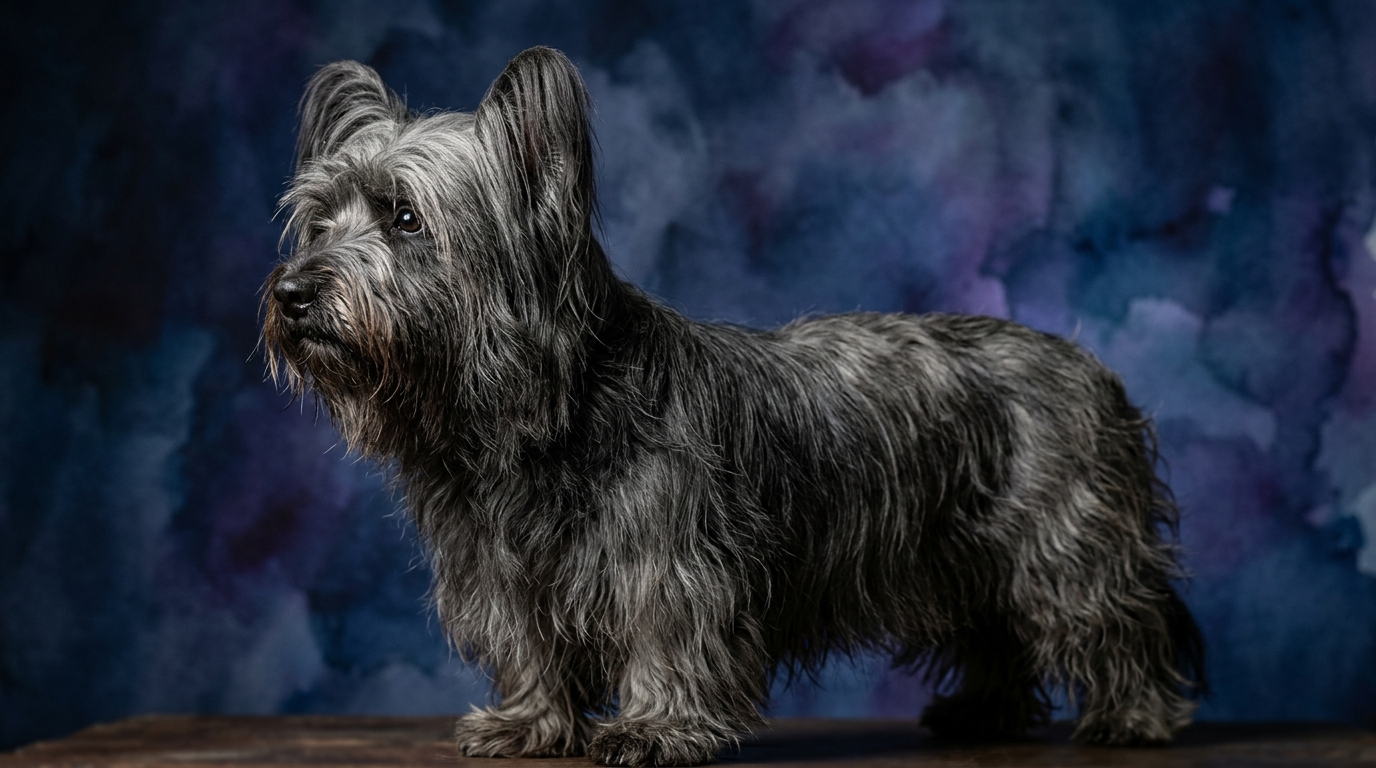
On paper, the Skye Terrier and the Rhodesian Ridgeback both register a 3/5 across all five cognitive dimensions in the Pet IQ Lab: Problem Solving, Training Speed, Social Intelligence, Instinctive Drive, and Memory. This shared numerical rating, however, belies a rich tapestry of behavioral differences shaped by their foundational purposes. For the Skye Terrier, a 3/5 in Problem Solving often translates to ingenious methods for navigating confined spaces and outsmarting small prey, demonstrating a tenacious, independent wit in pursuing its quarry. Its 3/5 Training Speed reflects an ability to learn, but with the caveat of a strong, independent terrier spirit that demands engaging, consistent methods to overcome its natural inclination towards self-directed action. Their 3/5 Social Intelligence is typically expressed as profound loyalty and keen observation within their immediate family circle, often accompanied by a reserved demeanor towards strangers. The Skye’s 3/5 Instinctive Drive is a powerful, focused urge to hunt, dig, and bark, a legacy of its vermin-hunting past. Finally, a 3/5 Memory means they retain learned behaviors and routines, but also remember experiences and perceived injustices with a distinct terrier stubbornness.
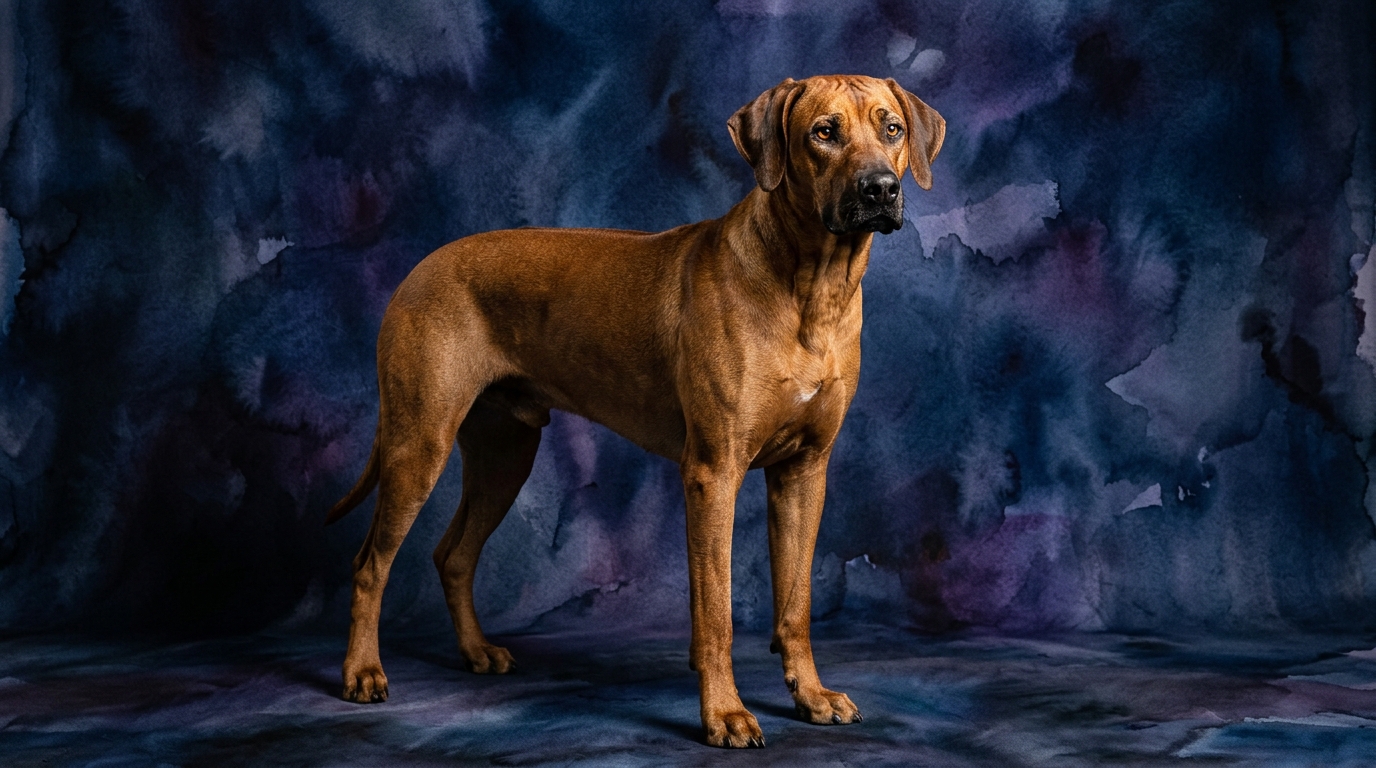
The Rhodesian Ridgeback, a dignified hound from Southern Africa, applies its identical 3/5 scores in vastly different contexts. Its 3/5 Problem Solving shines in complex tracking scenarios, where it must assess environmental cues and make independent decisions while pursuing large game or guarding property. The 3/5 Training Speed indicates they are capable learners, but their sensitive nature and independent streak mean they thrive under respectful, consistent leadership rather than rote drills, often requiring more nuanced motivational techniques. Their 3/5 Social Intelligence manifests as a discerning nature, forming deep bonds with their chosen family while maintaining a watchful, often aloof, stance with outsiders, adept at reading intentions. The Ridgeback’s 3/5 Instinctive Drive is characterized by a powerful tracking ability, a protective instinct, and a drive for sustained physical activity, reflecting its heritage as a hunter and guardian in challenging landscapes. A 3/5 Memory ensures they recall extensive training, territorial boundaries, and specific individuals, making them reliable partners with a strong sense of their environment.
Where the Skye Terrier Excels Cognitively
The Skye Terrier's cognitive strengths are deeply rooted in its original role as a fearless hunter of burrowing animals. Its problem-solving acumen is particularly sharp when it comes to navigating intricate tunnels or tight spaces, displaying remarkable ingenuity in flushing out prey. This breed exhibits a unique perseverance, capable of focused, independent work for extended periods when engaged in a task that taps into its instinctive drive, such as scent work or digging. Their social intelligence, while not broadly displayed, allows them to form exceptionally strong, intuitive bonds with their primary caregivers, anticipating needs and moods within their small, chosen pack. This acute observational skill within their inner circle gives them a specific cognitive edge in intimate family dynamics, where their loyalty translates into a nuanced understanding of human emotion and routine. Their memory serves them well in remembering specific tactics for overcoming obstacles or the locations of perceived 'pests'.
Where the Rhodesian Ridgeback Excels Cognitively
The Rhodesian Ridgeback's cognitive prowess is best observed in its capacity for sustained, strategic thinking over vast distances and in complex environments. Their problem-solving abilities are finely tuned for tracking intricate scent trails, requiring deep focus and the synthesis of multiple sensory inputs over long durations. This breed demonstrates exceptional discernment in social intelligence, capable of assessing threats and identifying intentions with a quiet, watchful intensity, making them astute guardians. Their instinctive drive for tracking and protecting is coupled with a thoughtful independence, allowing them to make sound judgments without constant human direction in challenging situations. This measured approach to problem-solving, particularly in high-stakes scenarios like confronting large game, highlights their unique cognitive strength. Their memory is robust for complex sequences of events, geographical layouts, and the detailed recognition of individuals, which is crucial for their guarding and hunting roles.
Training Dynamics: Skye Terrier vs. Rhodesian Ridgeback
When considering ease of training, both breeds present distinct challenges rooted in their independent natures, despite their identical 3/5 Training Speed scores. The Skye Terrier's training requires a creative and patient approach, as their terrier stubbornness and strong prey drive can make them less inclined to comply with repetitive commands if they don't perceive the value. They respond best to positive reinforcement, engaging games, and varied sessions that appeal to their problem-solving instincts rather than strict obedience drills. Owners must be prepared to redirect their innate urges, like digging and barking, into acceptable outlets. Their relatively smaller size, however, makes managing any behavioral quirks physically easier.
The Rhodesian Ridgeback, while equally independent, possesses a powerful physical presence that necessitates early, consistent, and respectful training. Their sensitivity means harsh corrections are counterproductive, leading to shut-down or resistance. They thrive with a confident, fair leader who establishes clear boundaries and uses positive reinforcement to motivate them. Their strong prey drive and protective instincts require extensive socialization from a young age to ensure they differentiate appropriately between friend and perceived threat. While they grasp concepts quickly, their independent decision-making can sometimes be mistaken for stubbornness; they often require a 'why' before compliance. Their sheer strength means that an untrained Ridgeback can quickly become unmanageable for even strong adults, making early training not just beneficial, but essential for safety and harmonious living.
Lifestyle Suitability: Active Owners vs. Relaxed Owners
The choice between a Skye Terrier and a Rhodesian Ridgeback significantly depends on an owner's lifestyle and activity levels. A Skye Terrier, while not a couch potato, is well-suited for owners who appreciate mental engagement and moderate physical activity. They thrive with daily brisk walks, engaging play sessions, and brain games that challenge their problem-solving skills, such as puzzle toys or scent work. They are adaptable to apartment living provided their mental and physical needs are met, and they enjoy being a central, albeit dignified, part of family life. Owners who enjoy focused training sessions, grooming, and can provide consistent companionship will find a rewarding partner in the Skye.
Conversely, the Rhodesian Ridgeback is an ideal companion for highly active, outdoorsy owners. This breed demands significant daily exercise, often requiring long runs, hikes, or vigorous play sessions to satisfy their athletic build and endurance. Beyond physical exertion, they also need consistent mental stimulation through advanced training, dog sports, or engaging outdoor adventures. Their protective instincts and need for space mean they generally fare best in homes with securely fenced yards and owners committed to extensive socialization. A relaxed, sedentary owner would struggle to meet the substantial physical and mental demands of a Ridgeback, potentially leading to boredom-induced behaviors and an unfulfilled dog. They are best suited for individuals or families who can integrate their dog into an adventurous, active lifestyle and provide firm, consistent leadership.
The Verdict
Choose a Skye Terrier if you seek a clever, tenacious, and loyal companion in a smaller package, valuing intricate mental challenges and a dignified presence over high-impact athleticism.
Opt for a Rhodesian Ridgeback if you are an active, experienced owner capable of providing extensive physical exercise, consistent leadership, and appreciate a discerning, protective, and independent partner for outdoor adventures.
🧠 Find Your Pet's IQ Score
Our Pet IQ Lab assessment covers 25+ tests across 5 cognitive dimensions — personalized to your breed.
Take the Full IQ Test →Frequently Asked Questions
Are Skye Terriers difficult to train?
Skye Terriers possess a strong independent streak and a terrier's stubbornness, which can make training challenging but rewarding. They respond best to positive reinforcement, engaging games, and consistent, patient methods that appeal to their problem-solving nature rather than rote drills.
Do Rhodesian Ridgebacks need a lot of exercise?
Yes, Rhodesian Ridgebacks are athletic hounds with significant endurance and require substantial daily exercise. This includes long runs, hikes, or vigorous play sessions, in addition to mental stimulation, to keep them physically and mentally fulfilled and prevent boredom-related behaviors.
Which breed is better with children?
Both breeds can be good with children when properly socialized and raised together, but their temperaments differ. Skye Terriers are generally good with respectful older children, while Rhodesian Ridgebacks, due to their size and protective instincts, require careful supervision with young children and extensive socialization from puppyhood.