Side-by-Side IQ Profile: Deconstructing the 3/5 Score
While both the Smooth Fox Terrier and the Affenpinscher register a consistent 3/5 across our five cognitive dimensions, the *flavor* of their intelligence is remarkably different, shaped by their historical roles and inherent breed characteristics. This common score doesn't imply identical mental processes, but rather a similar overall capacity expressed through distinct behavioral patterns.
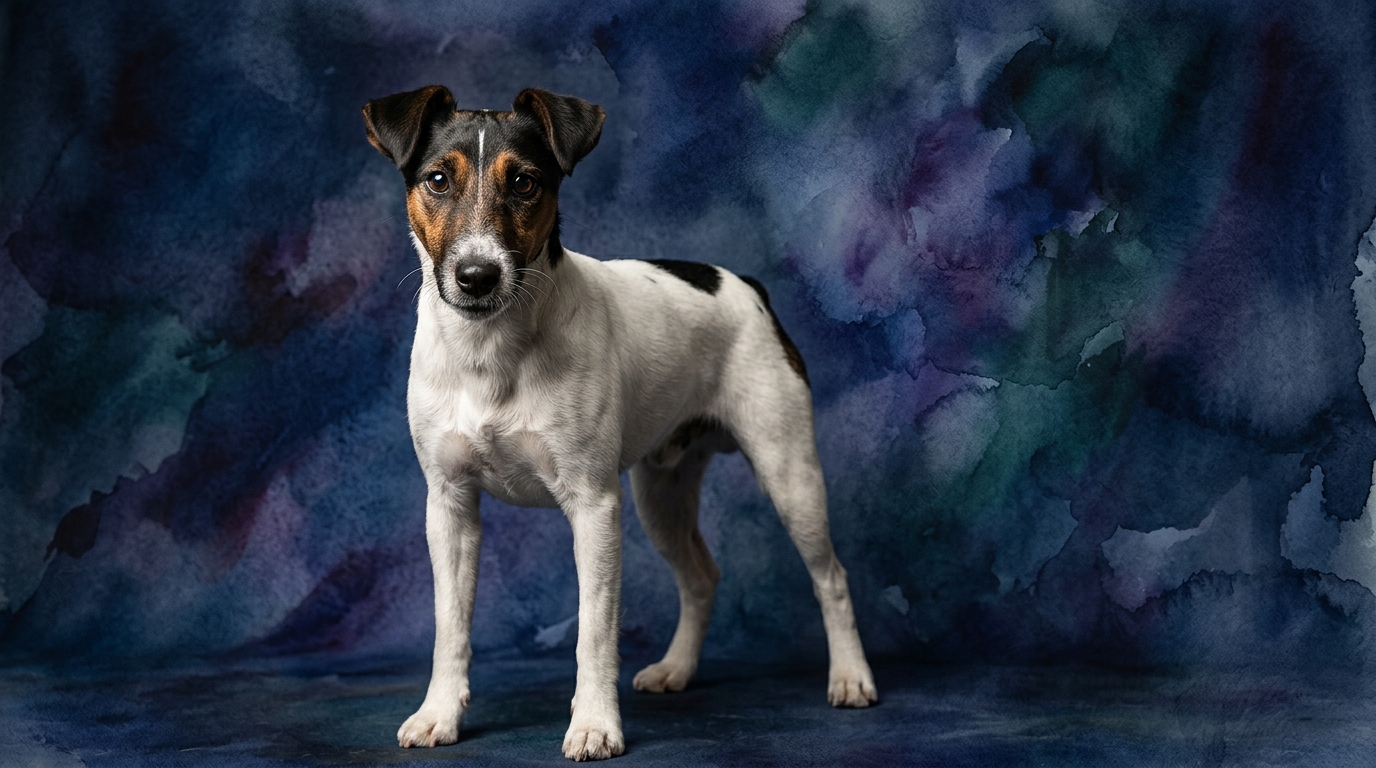
For the **Smooth Fox Terrier**, a quintessential terrier, their **Problem Solving (3/5)** reflects a tenacious and resourceful mindset, particularly when faced with physical obstacles or the pursuit of a goal, like tracking a scent or digging. This isn't abstract reasoning, but rather a practical, hands-on ingenuity in dynamic, often outdoor, environments. Their **Training Speed (3/5)** indicates an ability to learn commands and routines efficiently, though often with an independent streak that requires engaging methods and consistent reinforcement to ensure compliance. **Social Intelligence (3/5)** for a Smooth Fox Terrier typically means they can read human cues well enough to navigate their world and get what they want, but they are not primarily motivated by a desire to please; their interactions are often self-serving and direct. Their **Instinctive Drive (3/5)** is robust, manifesting as a strong prey drive, a desire to chase, and a penchant for digging, which significantly influences their problem-solving and focus. Finally, their **Memory (3/5)** is solid for routines, locations of interest, and commands they have chosen to master, allowing them to recall learned behaviors and experiences effectively.
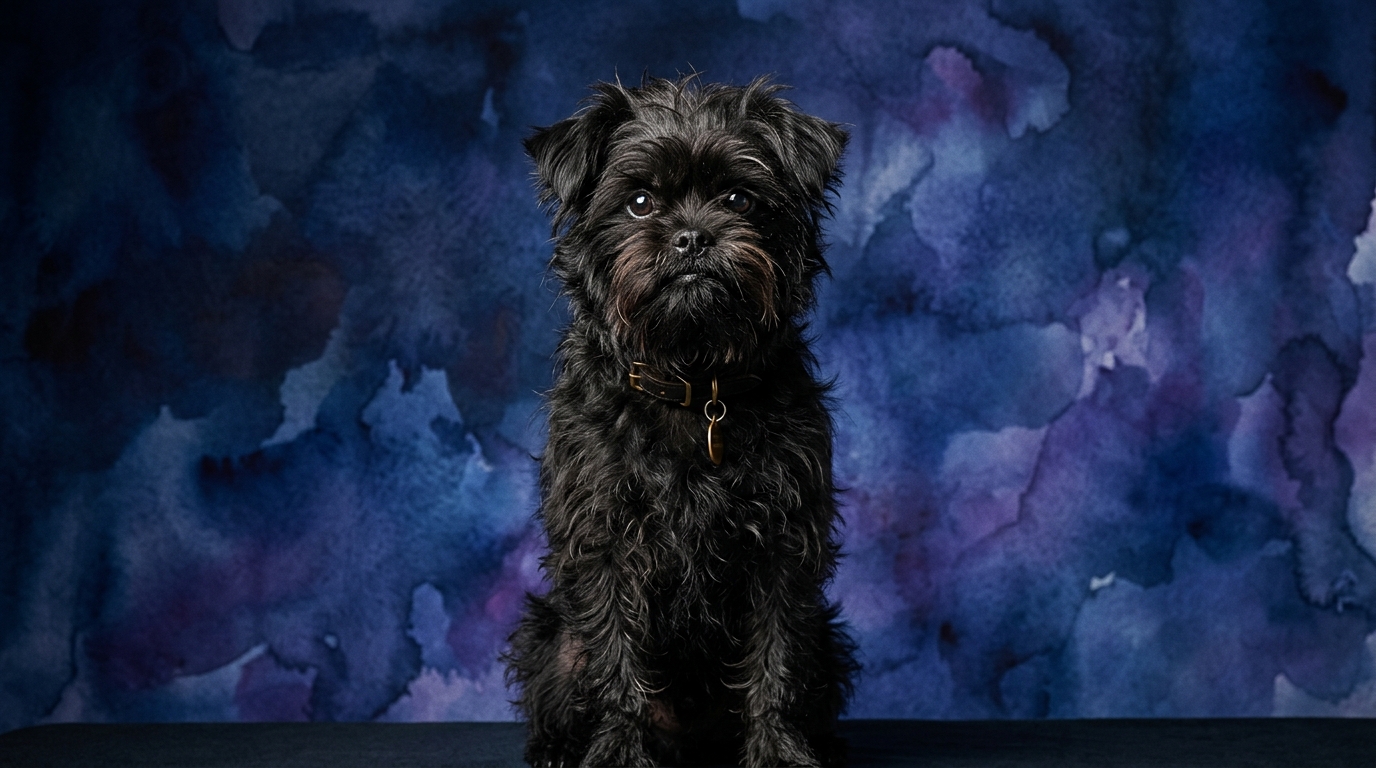
The **Affenpinscher**, a characterful toy breed, expresses its identical scores quite differently. Their **Problem Solving (3/5)** is often more socially nuanced, involving cleverness in manipulating their human companions for treats or attention, or figuring out how to access desired indoor items. This ingenuity is less about physical prowess and more about navigating social and domestic environments. Their **Training Speed (3/5)** suggests they can pick up new commands with reasonable quickness, often motivated by positive reinforcement and affection, though they can also exhibit a stubborn, independent streak. **Social Intelligence (3/5)** is a prominent feature for the Affenpinscher; they are highly attuned to human moods and family dynamics, using their charm and expressive nature to engage and communicate effectively. Their **Instinctive Drive (3/5)** is typically focused on companionship, play, and guarding their immediate territory and people, rather than a strong prey drive, though some 'ratting' instincts may persist. Their **Memory (3/5)** is excellent for remembering people, routines, the location of favored toys or treats, and past interactions, contributing to their endearing and sometimes mischievous personality.
Where the Smooth Fox Terrier Wins Cognitively
The Smooth Fox Terrier's cognitive strengths truly shine in situations demanding independent, action-oriented problem-solving and sustained focus on a physical objective. Their 3/5 problem-solving score, when paired with their 3/5 instinctive drive, translates into an impressive capacity for resourceful navigation of complex, real-world scenarios. They excel at tasks requiring self-directed initiative, such as figuring out how to get through a bush to chase a squirrel, or systematically investigating a scent trail to its origin. This breed demonstrates a particular aptitude for sequential problem-solving in a dynamic environment, making quick decisions based on sensory input and prior experience. They are adept at learning through doing, particularly when the 'doing' involves physical engagement and a clear, tangible outcome, like finding a hidden object or mastering an agility course obstacle. Their memory for these active solutions is robust, allowing them to quickly recall and apply successful strategies in similar future situations, making them particularly effective in field activities or challenging games that tap into their innate drive.
Where the Affenpinscher Wins Cognitively
Conversely, the Affenpinscher's cognitive victories are predominantly rooted in their sophisticated social intelligence and cleverness within a domestic context. Their 3/5 social intelligence score manifests as a masterful ability to interpret human cues, routines, and emotions, allowing them to effectively 'read the room' and adapt their behavior. They are adept at a subtle form of social problem-solving, figuring out how to elicit attention, treats, or play from their owners, often through charming antics or persistent, yet endearing, communication. This breed excels at understanding household dynamics and leveraging their memory of past interactions to achieve desired outcomes. Their problem-solving isn't about chasing prey, but about navigating interpersonal relationships and manipulating their environment to their comfort and benefit, such as finding the warmest spot on the couch or convincing a family member to share a snack. Their memory for specific people, their habits, and the 'rules' of the house is exceptionally sharp, contributing to their reputation as clever and sometimes mischievous companions who always seem to know what's going on.
Training Dynamics: Independence vs. Companionship
Despite both breeds scoring 3/5 for training speed, the practical experience of training a Smooth Fox Terrier versus an Affenpinscher can feel quite different, largely due to their differing motivations and inherent temperaments. The Smooth Fox Terrier's training journey is often characterized by their independent nature and strong instinctive drives. While they possess the mental capacity to learn commands quickly, their focus can easily be diverted by environmental stimuli – a passing scent, a rustling leaf – making sustained attention a challenge. Training requires consistent, engaging, and often varied methods to prevent boredom and harness their intelligence. They respond best when training feels like a stimulating game rather than a rigid set of rules, often requiring an owner to be more creative and persistent in their approach to overcome their self-directed tendencies. Their 3/5 social intelligence means they are not inherently driven by a strong desire to please, making compliance more about their own interest in the activity.
The Affenpinscher, while also capable of stubbornness, often proves to be a more amenable student in a domestic setting. Their strong social intelligence and desire for companionship mean they are frequently motivated by positive reinforcement, praise, and the opportunity to interact closely with their owner. They are generally less distracted by external environmental factors during indoor training sessions, allowing for more focused learning. While their 3/5 training speed is identical, their willingness to engage and their astute observation of human cues can make them appear 'easier' to train for basic obedience and household manners. Their problem-solving often extends to figuring out what their owner wants, making them cooperative partners in the training process, provided the owner is consistent and uses reward-based methods. However, their cleverness can also lead to them finding loopholes in rules, so vigilance and clear boundaries are essential.
Lifestyle Match: Active Engagement vs. Charming Companionship
The ideal owner for each breed is largely dictated by their distinct cognitive profiles and associated needs. The Smooth Fox Terrier, with its robust instinctive drive and practical problem-solving acumen, thrives with active owners who can provide ample physical exercise and mental stimulation. These dogs require consistent outlets for their energy, whether through long walks, challenging games of fetch, agility training, or opportunities for supervised exploration and 'hunting' in secure environments. An owner who enjoys outdoor activities, dog sports, or simply spending significant time engaging their dog's mind and body will find a rewarding partnership. Without sufficient activity and mental engagement, a Smooth Fox Terrier can channel their intelligence into less desirable behaviors, such as digging, barking, or finding creative ways to escape, turning their 3/5 problem-solving into a challenge for the household.
The Affenpinscher, by contrast, generally suits a more relaxed, yet still highly engaged, owner. While energetic and playful, their exercise requirements are moderate; daily walks, indoor play sessions, and interactive toys are usually sufficient to keep them content. They are excellent companions for individuals or families who appreciate a dog that is content to be near them, often participating in household activities from the comfort of a lap or nearby perch. Their high social intelligence means they thrive on consistent human interaction and become deeply bonded with their families. Owners who value a charming, sometimes mischievous, presence, enjoy interactive play within the home, and are willing to provide consistent attention and gentle training will find an ideal match in an Affenpinscher. They are well-suited to apartment living, provided their need for companionship and moderate activity is met, making them a good choice for those who prefer indoor-centric lifestyles but still desire an intelligent, engaging pet.
The Verdict
Opt for the Smooth Fox Terrier if you're an active individual or family seeking a spirited, independent companion for outdoor adventures and engaging training challenges, ready to channel their tenacious problem-solving and instinctive drive.
Select the Affenpinscher if you desire a charming, socially astute companion that thrives on close human interaction, enjoys playful indoor activities, and brings a clever, sometimes mischievous, personality to a more relaxed home environment.
🧠 Find Your Pet's IQ Score
Our Pet IQ Lab assessment covers 25+ tests across 5 cognitive dimensions — personalized to your breed.
Take the Full IQ Test →Frequently Asked Questions
Are Smooth Fox Terriers good with children?
Smooth Fox Terriers can be good with older, respectful children who understand how to interact with an energetic dog. Their terrier nature means they might not tolerate rough play from very young children, and their prey drive needs supervision around smaller pets.
Do Affenpinschers bark a lot?
Affenpinschers can be quite vocal, often barking to alert their owners to visitors or unusual sounds. While not excessive, their watchdog instincts mean they will use their voice to communicate, which can be managed with consistent training and early socialization.
Which breed is more prone to separation anxiety?
Due to their strong bond with their owners and desire for companionship, Affenpinschers may be more prone to separation anxiety if not properly socialized and accustomed to alone time from a young age. Smooth Fox Terriers, being more independent, are generally less susceptible, though any dog can develop it.