Side-by-Side Pet IQ Profile
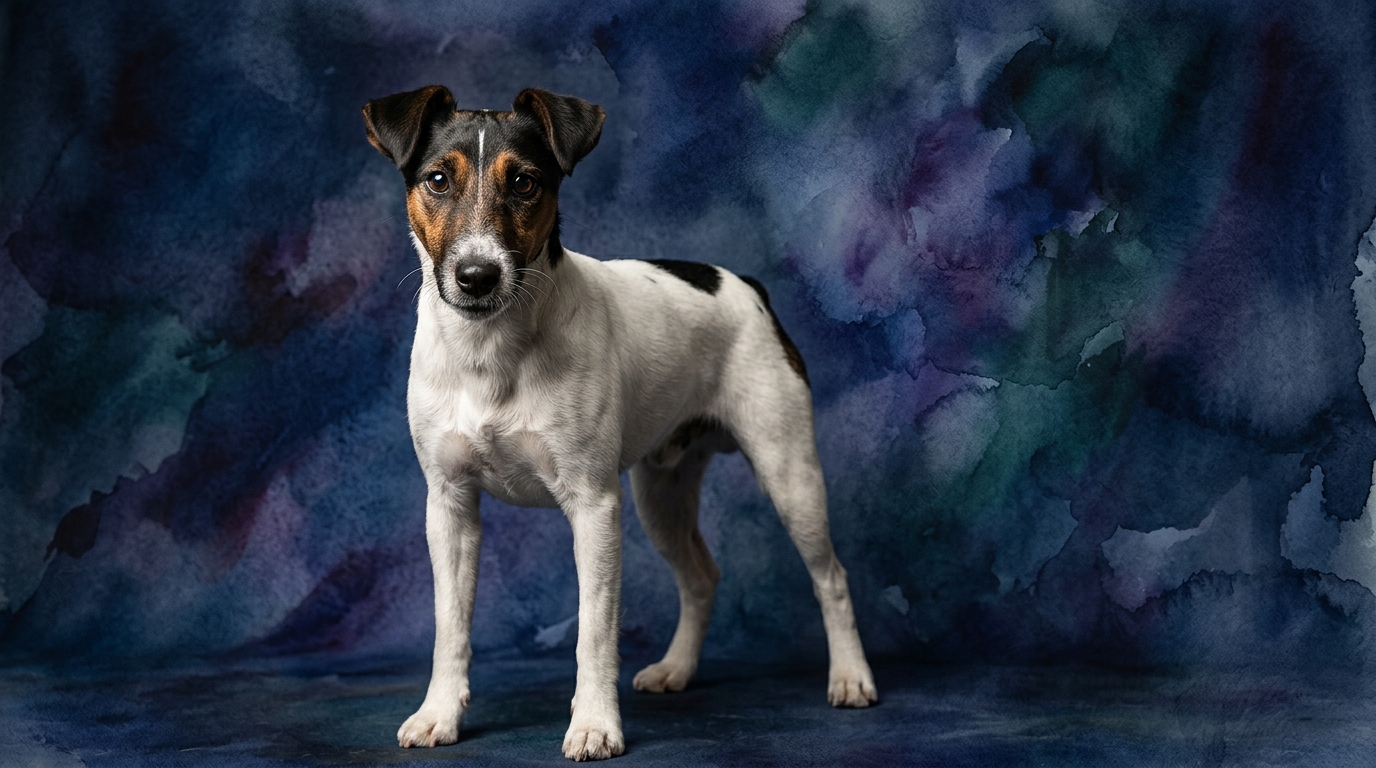
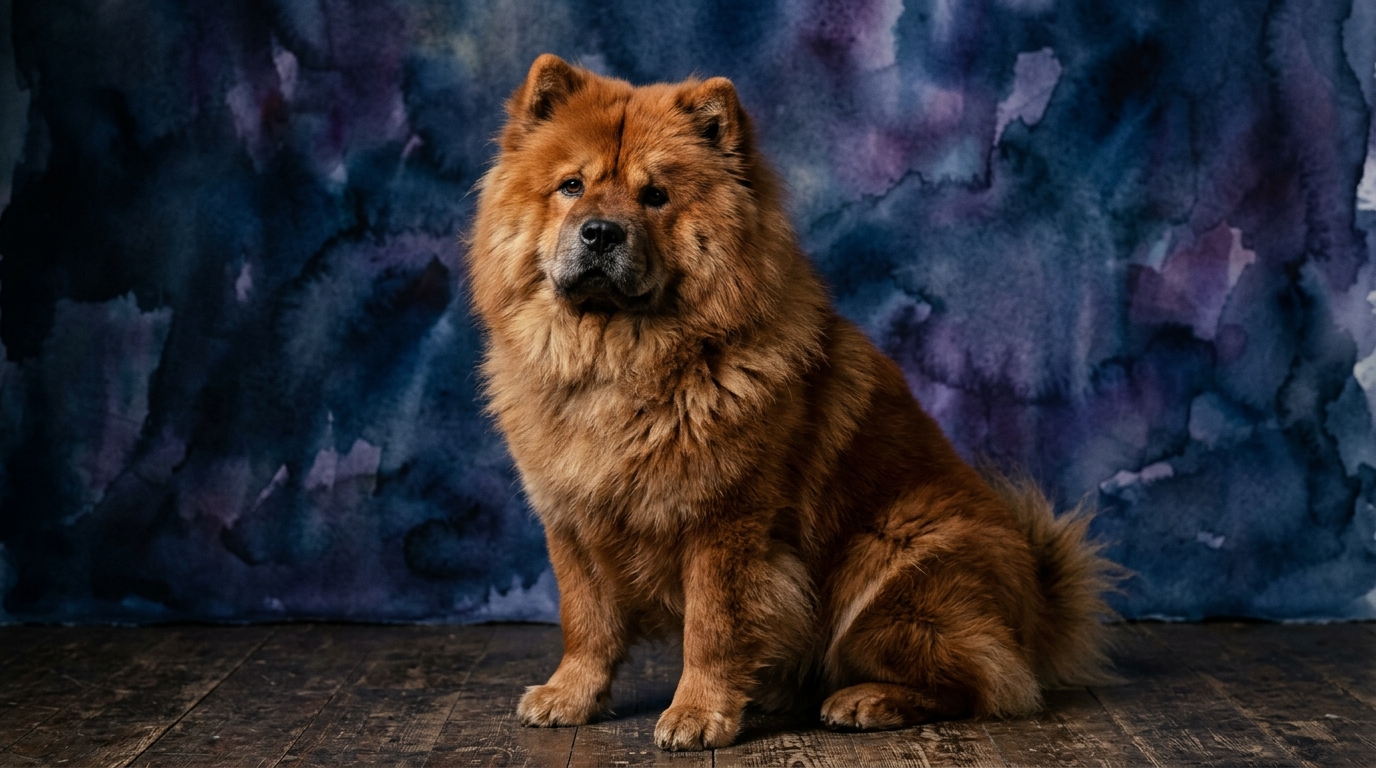
At The Cosmic Pet Pet IQ Lab, we assess canine cognition across five key dimensions. Interestingly, both the Smooth Fox Terrier and the Chow Chow achieve a consistent 3/5 rating in each category, yet the *nature* of their cognitive application is distinctly different.
For the Smooth Fox Terrier:
Problem Solving (3/5): These terriers are adept at practical problem-solving, frequently devising clever strategies to achieve their immediate desires, whether it's unearthing a buried treasure or navigating complex household barriers. Their solutions are often driven by an inherent curiosity and a persistent, independent spirit, reflecting a keen understanding of their environment and how to manipulate it.
Training Speed (3/5): Smooth Fox Terriers pick up new commands and routines with impressive speed, often grasping concepts after only a few repetitions due to their attentiveness and desire for engagement. However, their independent streak and tendency to be easily distracted by novel stimuli mean that consistent, positive reinforcement and varied training techniques are essential to maintain their focus and ensure reliable execution over time.
Social Intelligence (3/5): SFTs exhibit a perceptive social intelligence, quickly assessing the dynamics within their human family and discerning the intentions of strangers. They form strong, loyal bonds with their primary caregivers and are attuned to emotional cues, though their initial reserve with outsiders can be mistaken for aloofness, revealing a selective approach to new social interactions.
Instinctive Drive (3/5): The terrier heritage is profoundly embedded in the Smooth Fox Terrier, manifesting as a powerful prey drive, an insatiable urge to dig, and an ever-present alertness to their surroundings. This robust instinctive drive fuels their energetic pursuits, making them tenacious and determined when engaged in activities that tap into these deeply ingrained natural behaviors.
Memory (3/5): SFTs possess a robust memory, retaining a vast repertoire of commands, routines, and past experiences, from the location of hidden treats to the consequences of certain actions. This strong recall contributes to their ability to learn from their environment and adapt their behavior based on previous outcomes, making them consistent once a pattern is established.
For the Chow Chow:
Problem Solving (3/5): Chow Chows demonstrate a methodical and independent approach to problem-solving, often focused on optimizing their comfort, security, or strategic position within their territory. Their solutions are typically practical and self-directed, such as finding the best spot to observe their domain or navigating a familiar path with minimal effort, rather than engaging in complex, interactive puzzles.
Training Speed (3/5): Chow Chows learn new commands and routines at a steady pace, capable of absorbing information and retaining it reliably. However, their independent and sometimes stubborn nature means they require a strong, consistent leader and clear motivation to comply, often needing more repetition and patience than breeds driven by an eagerness to please. Their 3/5 rating reflects their capacity to learn, tempered by their unique drive.
Social Intelligence (3/5): Chows exhibit a refined social intelligence, creating profound, exclusive bonds with their immediate family members while maintaining a famously reserved and dignified demeanor with strangers. They are highly observant of household dynamics and human moods, understanding social cues without necessarily seeking to actively participate in every interaction, preferring a respectful distance.
Instinctive Drive (3/5): Their instincts are predominantly centered on guardianship, displaying a strong territorial drive and an innate sense of responsibility for their family and property. This deeply ingrained drive manifests as a calm, watchful presence and a discerning wariness towards anything perceived as a threat, shaping their overall temperament and interactions.
Memory (3/5): Chow Chows possess an excellent memory for routines, learned boundaries, and the identities of those within their accepted social circle, rarely forgetting a face or a command they've been taught consistently. This reliable recall contributes to their predictability and their ability to function effectively within established household rules and expectations.
Where the Smooth Fox Terrier Wins Cognitively
The Smooth Fox Terrier's cognitive strengths truly shine in environments demanding quick adaptability, energetic engagement, and spontaneous problem-solving. Their problem-solving, while rated 3/5, often manifests as rapid strategic thinking in novel situations, such as navigating complex agility courses, outsmarting a challenging puzzle toy, or creatively circumventing obstacles to reach a desired object. This terrier's capacity for swift decision-making, combined with their inherent drive and curiosity, gives them a distinct edge in activities requiring a high degree of interactive responsiveness and the ability to pivot rapidly between tasks, making them highly effective in dynamic, fast-paced scenarios.
Where the Chow Chow Wins Cognitively
Conversely, the Chow Chow's cognitive advantages are profoundly evident in their discerning social intelligence and unwavering, self-directed focus, particularly concerning their protective instincts. Their 3/5 social intelligence translates into a remarkable ability to assess and categorize individuals, offering unmatched loyalty and a deep, intuitive understanding of their chosen family while maintaining a judicious and often imposing distance from outsiders. This breed excels in tasks demanding consistent vigilance, a strong sense of territory, and an independent, steadfast adherence to established boundaries, demonstrating a calm yet formidable cognitive presence that requires minimal direct instruction once a task or role is understood.
Which Is Easier to Train and Why
While both breeds score 3/5 for Training Speed, the *path* to successful training diverges significantly. The Smooth Fox Terrier often presents as 'easier' in the sense that they are generally more eager to engage and respond to positive reinforcement with enthusiasm. Their quickness to learn new cues is a definite asset; however, their strong prey drive and independent streak mean they can be easily distracted or decide a command isn't worth their immediate attention if something more interesting arises. Training an SFT requires consistent, engaging sessions that channel their energy and intellectual curiosity, often leveraging games and movement to maintain focus.
The Chow Chow, on the other hand, demands a different training philosophy. Their independence means they aren't inherently driven by a desire to please and will often weigh the utility of a command against their own inclinations. While they certainly possess the memory (3/5) to retain commands, their training requires immense patience, clear boundaries, and a firm yet gentle approach that respects their self-possessed nature. They respond best to consistent routines and trainers who understand that compliance comes from mutual respect and clear communication, rather than enthusiastic obedience.
Which Suits Active Owners vs. Relaxed Owners
Considering their different expressions of energy and social needs, the Smooth Fox Terrier is a clear match for active owners. Their robust instinctive drive (3/5) and need for mental and physical stimulation mean they thrive with daily exercise, engaging play, and activities like agility or earthdog trials. Owners who enjoy outdoor adventures, consistent training, and an always-on companion will find the SFT a rewarding partner. Their inquisitiveness and zest for life demand an owner who can consistently provide outlets for their boundless energy.
The Chow Chow, with its more reserved demeanor and independent social intelligence (3/5), is better suited for relaxed owners who appreciate a quieter, more self-contained companion. While they still require regular walks and mental enrichment, their need for constant high-intensity activity is lower. They are content with calm companionship, often preferring to observe rather than actively participate in every family flurry. Owners seeking a loyal, dignified presence who respects their dog's personal space and independent spirit will find a profound connection with a Chow Chow.
The Verdict
Opt for a Smooth Fox Terrier if you seek an energetic, interactive companion eager for adventure and engaging training, thriving on quick wit and dynamic tasks.
Select a Chow Chow if you prefer a dignified, self-possessed companion who offers calm loyalty and discerning companionship, valuing routine and a respectful, independent bond.
🧠 Find Your Pet's IQ Score
Our Pet IQ Lab assessment covers 25+ tests across 5 cognitive dimensions — personalized to your breed.
Take the Full IQ Test →Frequently Asked Questions
Are Smooth Fox Terriers good family dogs?
Smooth Fox Terriers can be excellent family dogs, especially with active families who understand their energetic nature and need for consistent engagement. They bond closely with their inner circle, though early socialization is important to temper their terrier instincts around smaller pets and new people.
How much exercise does a Chow Chow need?
While not as high-energy as some breeds, Chow Chows still require moderate daily exercise, typically two short to moderate walks or play sessions totaling 30-60 minutes. This helps maintain their physical health and provides mental stimulation without over-exhausting their more sedate nature.
Do Smooth Fox Terriers get along with other pets?
Smooth Fox Terriers possess a strong prey drive (3/5 instinctive drive), which means they may not always get along with smaller pets like cats or rodents unless extensively socialized from a young age. With other dogs, they can be playful but may assert their terrier dominance, requiring careful introductions.