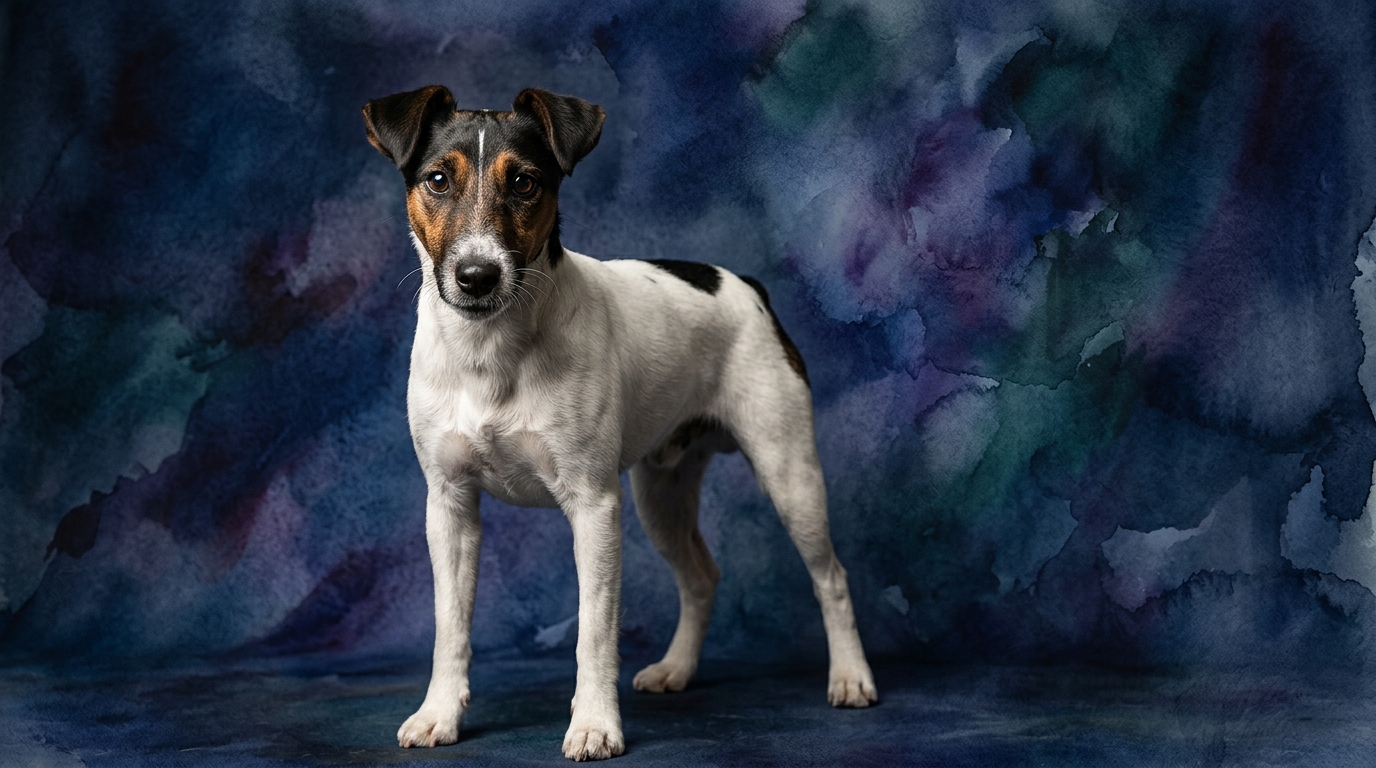
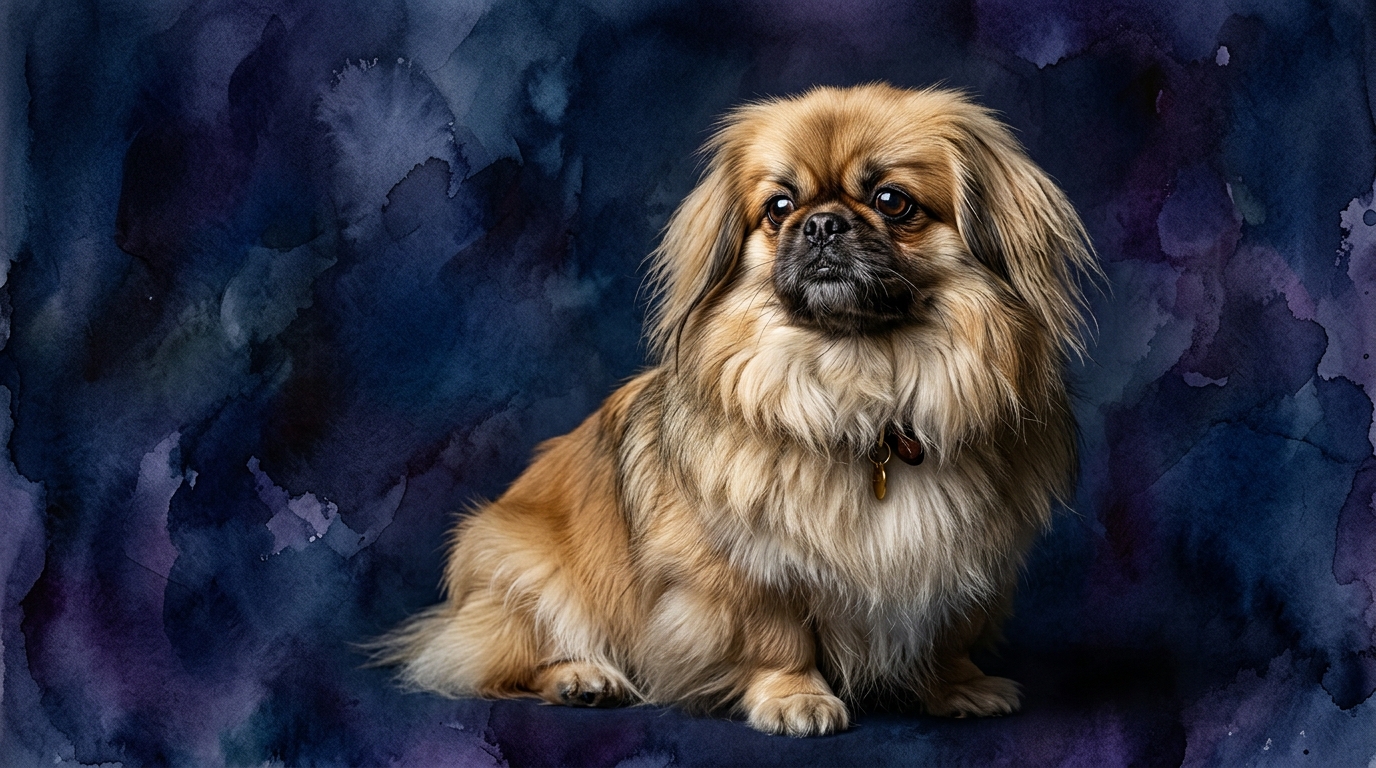
Side-by-Side Cognitive Profiles
Despite their vastly different origins and physical attributes, both the Smooth Fox Terrier and the Pekingese register a consistent 3/5 across all five cognitive dimensions in The Cosmic Pet Pet IQ Lab. This score indicates a respectable capacity for learning and adaptation, but the *expression* of these abilities is where their true differences lie.
For the **Smooth Fox Terrier**, their Problem Solving (3/5) reflects a practical, hands-on intelligence, where they excel at figuring out how to overcome physical obstacles or outmaneuver a perceived “prey” in their environment. They aren't pondering abstract concepts but rather applying learned behaviors and innate instincts to achieve immediate goals, such as escaping a yard or locating a hidden toy. Their Training Speed (3/5) indicates they can grasp new commands with reasonable efficiency, but their independent spirit and acute prey drive mean external stimuli can easily divert their focus. Social Intelligence (3/5) means they are generally perceptive of human moods and intentions, forming strong bonds, yet their inherent boldness can sometimes lead to assertive displays, especially with unfamiliar dogs. Their Instinctive Drive (3/5) is a core characteristic, manifesting as a relentless urge to chase, dig, and explore, profoundly shaping their perception of the world. Finally, their Memory (3/5) is solid for routines, learned commands, and the locations of interesting things, serving their practical, exploratory nature.
The **Pekingese**, also scoring 3/5 across the board, expresses these dimensions differently. Their Problem Solving (3/5) often centers on optimizing comfort and social standing within the household, involving strategies to gain human attention or access preferred spaces. Their solutions are often refined, subtle, and socially oriented. Training Speed (3/5) shows they can learn commands and house rules at a moderate pace, but their strong will and discerning nature mean training requires immense patience and positive reinforcement, demonstrating why compliance is mutually beneficial. Social Intelligence (3/5) is a highlight; they are highly attuned to human companions, excelling at reading subtle cues and emotional states, often using this understanding to their advantage to elicit specific responses. Their Instinctive Drive (3/5), while lacking intense prey drive, includes strong territoriality, self-preservation, and a desire for a secure, comfortable environment. Their Memory (3/5) is good for routines, specific individuals, and past experiences, both positive and negative, which informs their future social behavior and social structure within the home.
Where the Smooth Fox Terrier Wins Cognitively
The Smooth Fox Terrier's cognitive strengths truly shine in scenarios demanding independent action and quick, physical problem-solving, particularly in dynamic outdoor environments. Their 3/5 Problem Solving score, coupled with a robust Instinctive Drive, translates to a formidable ability to assess and react to changing environmental stimuli, such as navigating complex terrain, identifying a hidden scent trail, or devising strategies to flush out small game. This breed demonstrates a practical, tactical intelligence, where thinking on their feet and adapting to immediate challenges are paramount, often requiring them to make rapid decisions without direct human instruction. Their memory also serves this purpose, allowing them to recall past successful maneuvers or the layout of an area, making them highly effective at tasks requiring sustained focus on a physical objective.
Where the Pekingese Wins Cognitively
The Pekingese, while sharing a 3/5 Problem Solving score, demonstrates its cognitive edge in the realm of social dynamics and domestic orchestration. Their strengths lie in a nuanced understanding of human behavior and household routines, often learning how to elicit desired responses from their owners to secure comfort, attention, or specific privileges. This breed's Social Intelligence allows them to navigate complex family structures with subtle cues and charming persistence, effectively 'problem-solving' their way into the most comfortable spot on the sofa or the most opportune lap for a nap. Their Memory aids in recalling which family member is most likely to yield to their charm, and their Instinctive Drive, though not predatory, reinforces their territorial awareness and desire for a secure, pampered existence within their chosen home.
Which is Easier to Train and Why
While both breeds register a 3/5 in Training Speed, their underlying motivations and challenges differ significantly, impacting the 'ease' of their training. The Smooth Fox Terrier's drive to chase and explore means they can be easily distracted; training them requires consistent, engaging methods that harness their energy and curiosity, transforming potential distractions into opportunities for focus. Their independent spirit, a remnant of their working origins, means they learn quickly but may choose to obey only if they perceive a clear benefit or if the command is presented with compelling authority.
Conversely, the Pekingese's independence often stems from a deep-seated self-assurance and a preference for comfort over compliance. They can learn commands efficiently, but their willingness to perform is often contingent on their mood or whether they deem the task worthy of their effort. Training a Pekingese demands immense patience, positive reinforcement, and making the learning process feel like a delightful game they *choose* to participate in, rather than an obligation. Therefore, the 'easier' breed to train depends heavily on the owner's approach: the Smooth Fox Terrier responds better to structured, high-energy sessions, while the Pekingese thrives on gentle, reward-based encouragement.
Which Suits Active Owners vs. Relaxed Owners
For individuals leading an active lifestyle, the Smooth Fox Terrier is often the more compatible companion. Their innate energy, curiosity, and need for mental stimulation align perfectly with owners who enjoy structured play, agility sports, long walks, or even earthdog trials. This breed thrives when given a 'job' to do, even if it's just a challenging puzzle toy or a vigorous game of fetch, making them a superb fit for those who can dedicate time to their physical and cognitive enrichment.
Conversely, the Pekingese is an ideal match for more relaxed owners who appreciate calm companionship and a less physically demanding routine. While they enjoy short strolls and mental engagement, their primary needs revolve around comfort, social interaction within the home, and gentle affection. They suit individuals who are content with a serene presence by their side, offering quiet loyalty and a charming, often regal, demeanor.
The Verdict
Choose a Smooth Fox Terrier if you seek an active, tenacious partner for dynamic activities and value their independent problem-solving in varied environments.
Opt for a Pekingese if you desire a calm, affectionate, and socially astute companion for a more relaxed home environment and nuanced social interactions.
🧠 Find Your Pet's IQ Score
Our Pet IQ Lab assessment covers 25+ tests across 5 cognitive dimensions — personalized to your breed.
Take the Full IQ Test →Frequently Asked Questions
Are Smooth Fox Terriers difficult to train?
Smooth Fox Terriers are capable learners (3/5 Training Speed), but their independent nature and strong prey drive can make training challenging without consistency and engaging methods. Owners must be patient and creative to hold their attention.
Do Pekingese enjoy playing games?
Pekingese do enjoy playing games, especially those that involve interaction with their owners or securing comfort, but they typically prefer shorter, less strenuous play sessions. Their engagement often depends on their mood and whether the game offers a perceived benefit to them.
How do these breeds differ in their social interactions with other pets?
Smooth Fox Terriers, with their strong instinctive drive, can be assertive or even confrontational with other dogs, especially those they perceive as prey or rivals. Pekingese tend to be more selective, often tolerating other pets but preferring to be the center of their human's attention, and may exhibit territoriality.