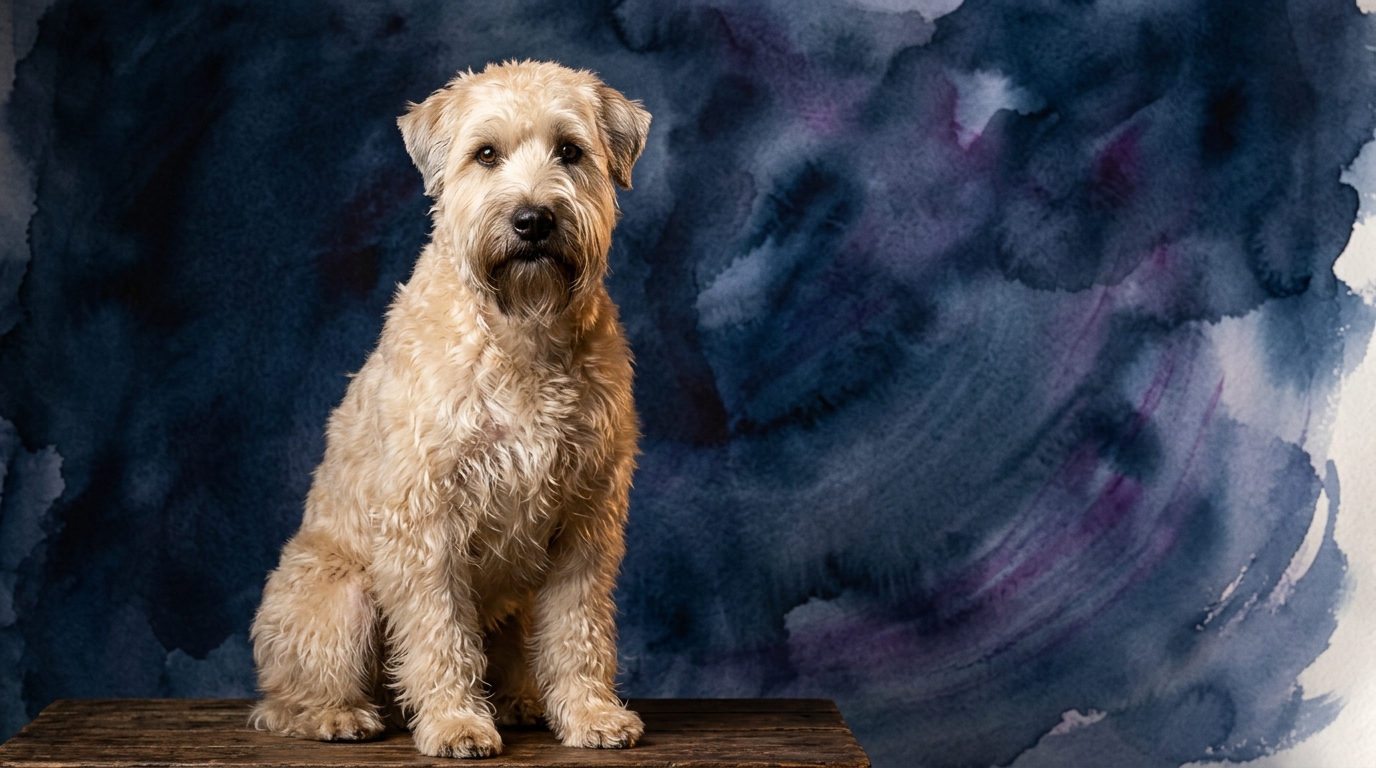
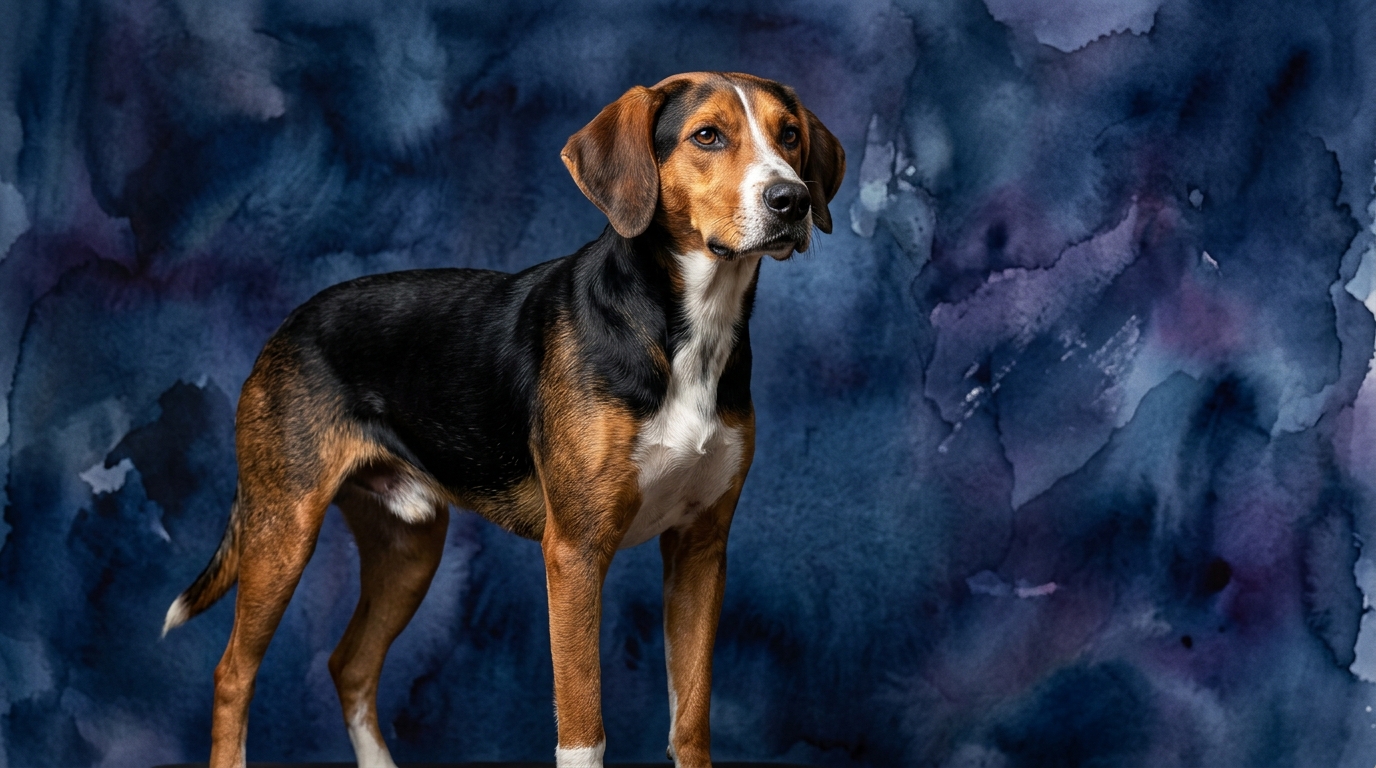
Side-by-Side IQ Profile: Interpreting Similar Scores
At first glance, both the Soft Coated Wheaten Terrier and the American Foxhound present identical scores across The Cosmic Pet Pet IQ Lab's five cognitive dimensions: Problem Solving (3/5), Training Speed (3/5), Social Intelligence (3/5), Instinctive Drive (3/5), and Memory (3/5). However, these scores are not absolute indicators of identical cognitive function; rather, they reflect a moderate capacity that is uniquely expressed through each breed's historical purpose and inherent temperament. Understanding these nuances requires looking beyond the numbers to their behavioral manifestations.
For Problem Solving (3/5), the Wheaten Terrier often exhibits its ingenuity in figuring out physical puzzles, manipulating objects to achieve a goal, or creatively navigating household obstacles, driven by curiosity and persistence inherent to its terrier nature. Conversely, the American Foxhound demonstrates its problem-solving primarily in scent-tracking and navigation, expertly deciphering complex olfactory information to maintain a trail and overcome environmental challenges during pursuit, a direct reflection of its hound heritage.
Regarding Training Speed (3/5), the Wheaten Terrier learns new commands at a moderate pace, but its independent Terrier spirit often means compliance is contingent on its interest and consistent, positive reinforcement. The American Foxhound also learns at a moderate speed, yet its powerful instinctive drive for scent can easily override focus on formal obedience, requiring engaging methods and immense patience to capture its attention.
Social Intelligence (3/5) in the Wheaten Terrier displays as forming strong family bonds and generally interacting enthusiastically with people, though their exuberance may require guidance in social settings. The American Foxhound shows its social intelligence primarily within a pack dynamic, exhibiting a calm, amiable nature with other dogs and their human 'pack,' often more reserved and less overtly demonstrative in individual human interactions.
Instinctive Drive (3/5) for the Wheaten Terrier manifests as a typical Terrier's zest for digging, chasing small prey, and patrolling territory, fueling their playful and alert demeanor. The American Foxhound, however, exhibits a strong, persistent instinctive drive overwhelmingly centered on scent work, pursuit, and endurance, compelling them to follow a trail with singular focus, an instinct honed for generations of hunting.
Finally, Memory (3/5) in the Wheaten Terrier involves retaining routines, commands, and experiences, remembering training cues and household rules, though their independent streak can sometimes make it appear selective. The American Foxhound demonstrates its memory for trails, locations, and scent profiles, recalling complex routes and specific smells, though immediate recall of commands can be superseded by compelling olfactory input when a compelling scent is present.
Where the Soft Coated Wheaten Terrier Wins Cognitively
Despite sharing overall moderate scores, the Soft Coated Wheaten Terrier excels in certain cognitive applications relevant to a modern companion dog. Their problem-solving (3/5) often translates into a more diverse range of domestic ingenuity, such as figuring out how to retrieve a forgotten toy or navigating complex household layouts, driven by an innate curiosity. This makes them adept at engaging with puzzle toys designed for mental stimulation within a home environment.
Their social intelligence (3/5), combined with a lively temperament, often manifests as a greater attunement to their human family's moods and routines, enabling them to seek interaction or comfort more readily. This breed tends to initiate play and engagement with humans, using their moderate social understanding to foster deep, interactive bonds. Furthermore, their memory (3/5) is often applied to remembering complex sequences of human-led games or tricks, making them enjoyable partners for training in varied dog sports or obedience routines where direct interaction is key.
Where the American Foxhound Wins Cognitively
The American Foxhound's cognitive strengths, while rated moderately, are profoundly specialized and demonstrate a different kind of brilliance. Their problem-solving (3/5) and instinctive drive (3/5) are unparalleled when it comes to navigating and deciphering a complex scent-based world. They possess an extraordinary ability to follow a faint trail over long distances and varied terrain, piecing together olfactory information that is imperceptible to humans or many other breeds.
Their memory (3/5) shines in its capacity to retain vast spatial information and specific scent profiles, essentially creating a mental map of their environment based on smells and locations. This allows them to consistently return to a starting point or relocate a specific scent. Moreover, their social intelligence (3/5) within a canine pack context is exceptional, allowing them to integrate smoothly and cooperatively with other dogs, often displaying a calm and tolerant demeanor in group settings, which is a valuable asset in multi-dog households or when exercising in dog parks.
Which is Easier to Train and Why
When considering ease of training, both breeds score a moderate 3/5 for Training Speed, but the challenges they present differ significantly due to their core temperaments and drives. The Soft Coated Wheaten Terrier's training journey is often influenced by its independent and sometimes stubborn Terrier spirit. While they grasp commands quickly, their compliance can be conditional; they might weigh the appeal of a command against a more interesting distraction or their own desires. Training requires consistent, firm, and positive reinforcement to establish boundaries and a strong working relationship, as they are prone to testing limits.
The American Foxhound's training presents a different hurdle: its powerful instinctive drive (3/5) for scent. Once their nose is engaged, their focus becomes singular, making recall or attention to commands incredibly difficult, regardless of how well they've learned them in a distraction-free environment. Training a Foxhound demands immense patience, a profound understanding of their motivations, and often needs to integrate scent work to keep them engaged. Owners must be prepared for the possibility that a compelling trail will always take precedence over human instruction, requiring careful management of their environment and off-leash opportunities.
Which Suits Active Owners vs. Relaxed Owners
For active owners, both breeds can be excellent companions, but their activity needs diverge. The Soft Coated Wheaten Terrier thrives with consistent, interactive play, brisk walks, and opportunities to engage their curiosity and moderate problem-solving abilities. They enjoy being active partners in varied outdoor adventures, often with bursts of energy, and benefit greatly from owners who enjoy training for dog sports like agility or engaging in stimulating games. Their need for human companionship during activity is high.
The American Foxhound demands extensive, sustained exercise, ideally at least an hour or two of vigorous activity daily, often off-leash in secure areas where they can indulge their scent-driven instincts. They are ideal for runners, hikers, or owners who can provide long, consistent periods of endurance-based activity, often alongside other dogs. Neither breed is well-suited for truly 'relaxed' owners in terms of minimal activity. While a Wheaten might adapt to a slightly less active home if provided with ample mental stimulation and shorter, more frequent bursts of play, a Foxhound's profound need for sustained physical and mental engagement through scent work means a relaxed owner would likely struggle to meet their demands, potentially leading to frustration or behavioral issues.
The Verdict: When to Choose Each Companion
The Verdict
Choose the Soft Coated Wheaten Terrier if you seek an interactive, spirited companion who enjoys varied activities and is deeply integrated into family life, offering clever problem-solving within a domestic context.
Opt for the American Foxhound if you embrace a life of long, vigorous outdoor pursuits, appreciate a dog's independent scent-driven work, and value a calm pack member more focused on the trail than constant human interaction.
🧠 Find Your Pet's IQ Score
Our Pet IQ Lab assessment covers 25+ tests across 5 cognitive dimensions — personalized to your breed.
Take the Full IQ Test →Frequently Asked Questions
Are Soft Coated Wheaten Terriers good family dogs?
Yes, Wheatens typically form strong bonds with their families, often displaying a playful and affectionate demeanor. Their social intelligence (3/5) helps them integrate well, though their boisterous nature means supervision is advisable with very young children.
How much exercise does an American Foxhound need?
American Foxhounds require a significant amount of vigorous, sustained exercise daily, ideally at least an hour or two of running or exploring securely off-leash. Their instinctive drive (3/5) for scent work means they thrive on activities that engage their powerful nose and endurance.
Do Soft Coated Wheaten Terriers bark a lot?
Wheatens can be vocal, often using barks to express excitement, alert their owners to visitors, or initiate play, reflecting their Terrier alertness. Consistent training from a young age can help manage excessive barking, but their communicative nature is part of their charm.