Side-by-Side Cognitive Profiles: The Cosmic Pet Pet IQ Lab Scores
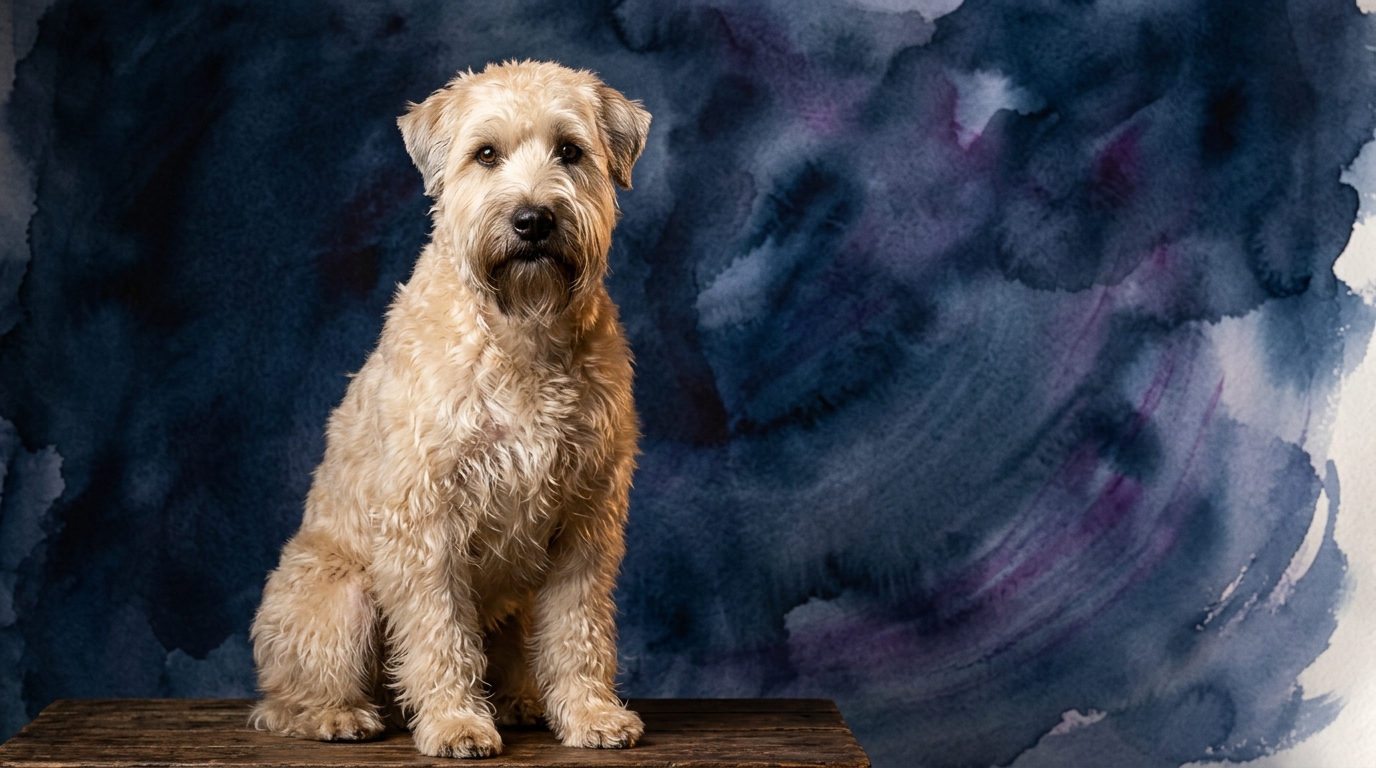
**Soft Coated Wheaten Terrier (Terrier Group):** This breed, not Coren-ranked, shows a balanced cognitive approach. Their **Problem Solving (3/5)** indicates a moderate capacity for independent thought and adapting to novel situations, capable of learning routines but not constantly seeking complex challenges. **Training Speed (3/5)** suggests they learn new commands at a moderate pace, requiring consistent repetition and patience to solidify skills, reflecting their balanced cooperation and terrier independence. **Social Intelligence (3/5)** means they possess a moderate understanding of human social cues, forming strong bonds and reading family moods without broad social interpretation. Their **Instinctive Drive (3/5)** is present but generally manageable, prompting engagement with the world through scent and movement without overwhelming intensity. Finally, **Memory (3/5)** reflects a solid, but not exceptional, recall for learned behaviors and experiences, with intricate sequences possibly fading without reinforcement.
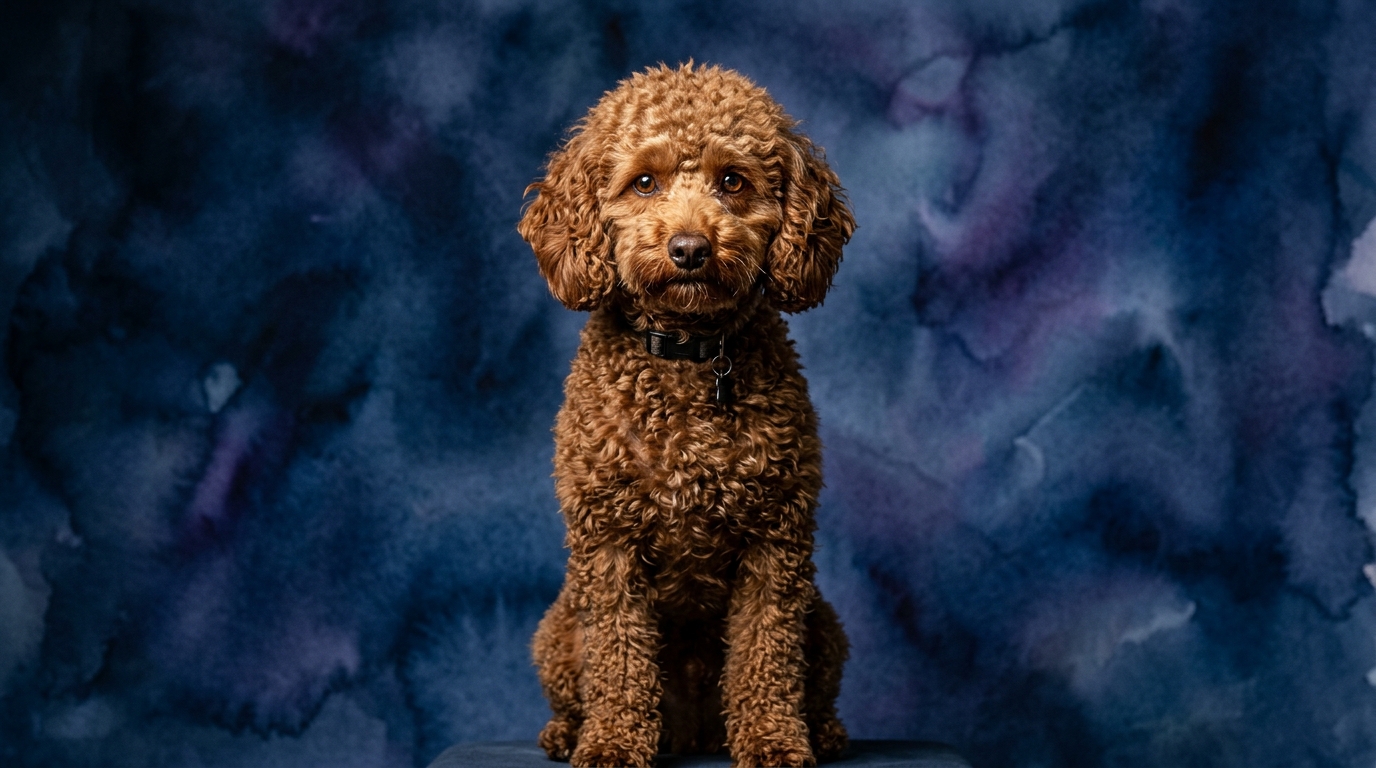
**Miniature Poodle (Non-Sporting Group, Coren Rank #2):** This breed stands out with several high scores. Their **Problem Solving (5/5)** signifies an exceptional ability to analyze and resolve complex challenges, keen observers capable of strategizing to achieve goals, whether with puzzle toys or environmental manipulation. **Training Speed (5/5)** is outstanding; they rapidly acquire new commands and concepts, often grasping them with minimal repetition, making them highly responsive learners. Similar to the Wheaten, their **Social Intelligence (3/5)** is moderate, attuned to human emotions and intentions, forming deep connections, though it's not their standout cognitive trait. Their **Instinctive Drive (3/5)** is also moderate; while historically water retrievers, contemporary instinctive behaviors are balanced and can be channeled. Crucially, **Memory (5/5)** demonstrates a superior ability to retain information over long periods, remembering commands and routines with remarkable accuracy, making learned behaviors durable.
Where the Soft Coated Wheaten Terrier Wins Cognitively
While the Miniature Poodle boasts higher scores in several areas, the Wheaten's balanced cognitive profile offers distinct advantages, particularly in situations where independent thinking without excessive manipulation is valued. Its 3/5 in Problem Solving, combined with a moderate Instinctive Drive, suggests a dog that can adapt and make decisions without constantly seeking complex mental games or outsmarting its owner. This balanced approach often translates to a dog that is resilient and less prone to boredom-induced destructive behaviors stemming from an unmet need for constant intellectual challenges. Their social intelligence, while not exceptional, allows for strong, loyal bonds without the potential for over-sensitivity or intense social anxiety that can sometimes accompany higher social scores in some breeds. The Wheaten's cognitive strengths lie in its harmonious blend of moderate independence and responsiveness, fostering a steady, adaptable companion rather than a canine prodigy needing constant intellectual engagement.
Where the Miniature Poodle Wins Cognitively
The Miniature Poodle's cognitive superiority is evident in its exceptional Problem Solving (5/5), Training Speed (5/5), and Memory (5/5). These scores paint a picture of a dog that not only learns with incredible rapidity but also retains that knowledge and actively applies it to navigate its world. Their superior problem-solving acumen means they can quickly assess situations, devise strategies, and execute plans, making them excellent candidates for complex tasks, trick training, or dog sports requiring intricate sequences. The unmatched training speed means new commands are often grasped in just a few repetitions, making the learning process efficient and rewarding for both dog and owner. Furthermore, their outstanding memory ensures that these learned skills are deeply ingrained, requiring less frequent refreshers and building a robust behavioral repertoire. This cognitive trifecta makes the Miniature Poodle a highly versatile and capable partner for those seeking a dog that can master a wide array of mental challenges and tasks.
Which is Easier to Train and Why
Based on The Cosmic Pet Pet IQ Lab scores, the Miniature Poodle is unequivocally easier to train than the Soft Coated Wheaten Terrier. The Poodle's Training Speed score of 5/5, compared to the Wheaten's 3/5, is a significant differentiator. This means a Miniature Poodle will typically grasp new commands and concepts in fewer repetitions and with greater enthusiasm for the learning process. Their exceptional memory (5/5) also ensures that once a behavior is learned, it is retained effectively, reducing the need for constant reinforcement.
In contrast, the Wheaten Terrier, with its 3/5 Training Speed and Memory, will require more patience, consistency, and repetition to solidify new skills. While they are willing to learn, their terrier independence means they might occasionally offer a "what's in it for me?" attitude, or simply take longer to process and embed new information. Behavioral differences often manifest as the Poodle eagerly anticipating the next command and executing it with precision, whereas the Wheaten might need more motivational prompting and a more patient approach to maintain focus and compliance over the long term. This doesn't mean Wheatens are untrainable, but rather that the training journey will likely be more extended and require greater dedication from the owner compared to the Poodle.
Which Suits Active Owners vs. Relaxed Owners
The cognitive profiles and inherent breed characteristics suggest different suitability for active versus relaxed owners. For **active owners** who enjoy engaging in dog sports, advanced obedience, or extensive mental stimulation, the **Miniature Poodle** is an ideal match. Their 5/5 Problem Solving and Training Speed mean they thrive on complex challenges, learning new tricks, and participating in activities like agility, rally, or even scent work. An active owner can fully utilize the Poodle's intellectual capacity, preventing boredom and channeling their mental energy constructively. These dogs need consistent mental engagement alongside physical exercise to truly flourish.
For **relaxed owners** who appreciate a dog with a solid, dependable temperament that isn't constantly seeking to outwit them or demand intricate mental puzzles, the **Soft Coated Wheaten Terrier** might be a better fit. While they still require regular exercise and mental engagement, their 3/5 scores across the board indicate a moderate need for intellectual stimulation. They are content with consistent routines, enjoyable walks, and quality time with their family without the intense drive for constant "work" or learning new, complex tasks. Their moderate instinctive drive means their natural behaviors are generally manageable, fitting well into a home that values a cheerful, adaptable companion without the demands of a canine academic.
The Verdict
Choose the Soft Coated Wheaten Terrier if you seek a cheerful, adaptable companion with a balanced cognitive profile, offering moderate independence and a steady presence without demanding constant complex mental challenges. They are a good fit for owners who appreciate a dog that learns at a reasonable pace and forms strong, loyal bonds.
Opt for the Miniature Poodle if you are an active owner eager to engage with a highly capable dog that excels in problem-solving, learns new skills with remarkable speed, and retains information exceptionally well. They thrive on mental stimulation and are perfect for advanced training, dog sports, or those who enjoy teaching a wide array of tricks.
🧠 Find Your Pet's IQ Score
Our Pet IQ Lab assessment covers 25+ tests across 5 cognitive dimensions — personalized to your breed.
Take the Full IQ Test →Frequently Asked Questions
Do Soft Coated Wheaten Terriers make good family pets?
Yes, Soft Coated Wheaten Terriers often make excellent family pets due to their cheerful disposition and moderate social intelligence. They form strong bonds with their families and are generally good with children, though early socialization is always beneficial.
Are Miniature Poodles prone to behavioral issues if not mentally stimulated?
Miniature Poodles, with their high problem-solving and memory scores, can become bored and develop undesirable behaviors like excessive barking or destructive chewing if not adequately mentally stimulated. They thrive on regular training, puzzle toys, and engaging activities to keep their keen minds occupied.
How do the grooming needs of these two breeds compare?
Both breeds require regular grooming. The Soft Coated Wheaten Terrier has a single coat that needs frequent brushing to prevent matting and professional grooming every 4-6 weeks, while the Miniature Poodle's curly, non-shedding coat also requires regular brushing and professional clipping every 6-8 weeks to maintain its health and appearance.