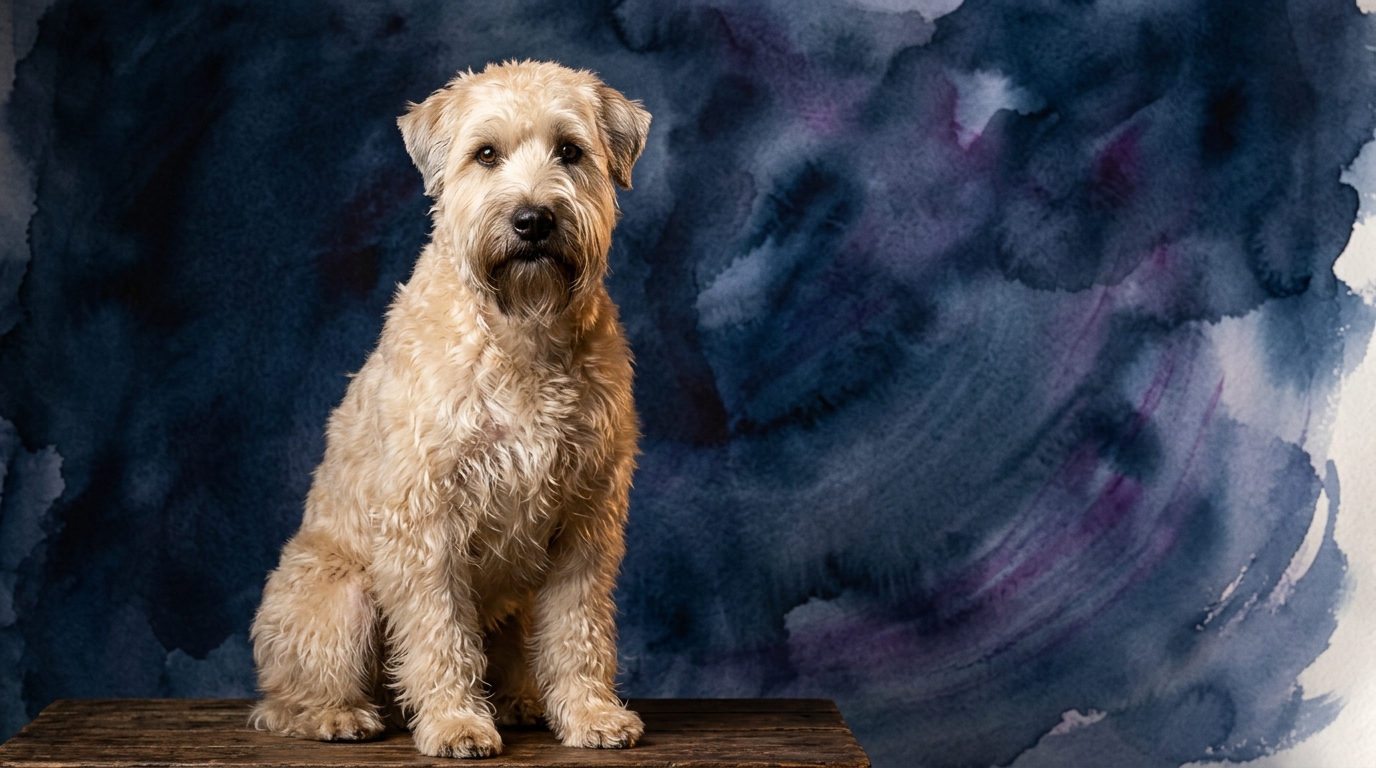
Side-by-Side IQ Profile: Soft Coated Wheaten Terrier
**Problem Solving (3/5):** Wheatens approach challenges with a persistent, often creative drive to achieve immediate goals, like retrieving a dropped toy or subtly manipulating for a treat. Their problem-solving involves trial-and-error combined with an endearing tenacity, often geared towards interacting with their human world.
**Training Speed (3/5):** Eager to please, their training speed is tempered by an independent spirit. They grasp concepts reasonably quickly but decide on the moment's effort. Consistent positive reinforcement and game-like training are crucial to harnessing their potential.
**Social Intelligence (3/5):** Typically effusive and deeply connected to family, Wheatens display a keen awareness of moods and seek engagement. Their social intelligence manifests in integrating into family dynamics, often with exuberant communication, thriving on interaction.
**Instinctive Drive (3/5):** Their terrier heritage means a moderate drive for chasing small critters, digging, and being an alert “doorbell” dog. This manageable drive requires appropriate outlets.
**Memory (3/5):** Wheatens solidly recall commands, routines, and favored items or people. They remember past interactions, informing future responses and aiding consistent household expectations.
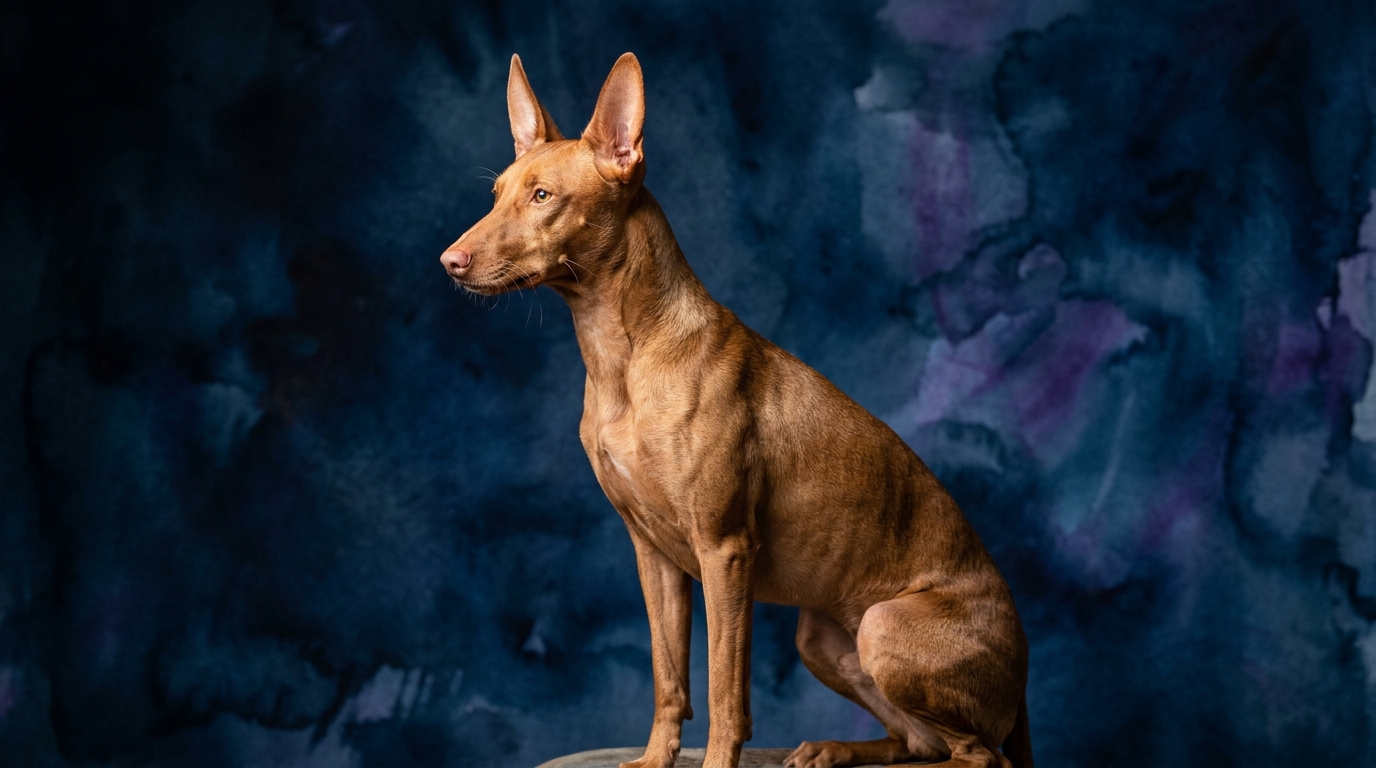
Side-by-Side IQ Profile: Pharaoh Hound
**Problem Solving (3/5):** Rooted in their sighthound role, their problem-solving is independent thought in pursuit, navigating environments, assessing distances, and strategizing during a chase. They find clever ways to get comfortable or escape perceived confinement, driven by curiosity.
**Training Speed (3/5):** Pharaoh Hounds learn at a moderate pace, but their training speed is significantly influenced by independence and strong prey drive. They understand commands but weigh rewards against their own desires, requiring immense patience, creativity, and high-value incentives.
**Social Intelligence (3/5):** Often sensitive and deeply affectionate with family, Pharaoh Hounds are reserved with strangers. Their social intelligence is expressed through subtle cues, a nuanced understanding of routines, and a desire for quiet companionship, forming strong bonds.
**Instinctive Drive (3/5):** Their predominant drive is the sighthound's powerful prey instinct: to spot, chase, and pursue movement. This inherent, potent drive requires secure environments and careful management, defining their focus on visual stimuli and speed.
**Memory (3/5):** Pharaoh Hounds possess a good memory for routines, boundaries, and past experiences. They recall people, places, and commands effectively, though adherence can be situational. They vividly remember perceived injustices, informing their cautious approach.
Where the Soft Coated Wheaten Terrier Wins Cognitively
The Soft Coated Wheaten Terrier excels in its dynamic engagement with its human family and adaptability. Their 3/5 social intelligence, combined with problem-solving, makes them overtly communicative and participatory. A Wheaten is more likely to 'talk' or subtly nudge, demonstrating proactive social engagement.
Their inherent optimism helps them adjust to changes as long as companionship is met. Their problem-solving is often geared towards interacting with humans for treats or play, making them feel more 'tuned in' to human intentions, even if interpreted creatively. This fosters a consistent enthusiasm for learning within positive frameworks.
Where the Pharaoh Hound Wins Cognitively
The Pharaoh Hound's cognitive strengths lie in independent thought and environmental awareness, honed as solitary hunters. Their 3/5 problem-solving manifests less as human manipulation and more as self-reliant navigation and assessment, particularly in open spaces. Keen visual acuity and instinctive drive contribute to superior observation and reaction to distant stimuli.
Their reserved social intelligence allows a deeper, nuanced bond within their intimate family, expressed through quiet presence and sensitive emotional responses. Their memory is effective for spatial information and past experiences, aiding in learning boundaries and recalling favorite locations. This independent processing means they often make their own assessments, a valuable trait in specific contexts.
Which Is Easier to Train and Why
Despite identical 3/5 training speeds, the Soft Coated Wheaten Terrier generally proves easier to train for the average owner due to their inherent desire to interact and please. Wheatens thrive on positive attention and engagement; their terrier assertiveness can be channeled into enthusiastic participation. Their social intelligence helps them quickly grasp human desires, and their memory for positive experiences makes them eager to repeat behaviors for rewards. Consistency is vital for their stubborn streak, but their underlying motivation for companionship makes them more pliable.
In contrast, the Pharaoh Hound's independence, a sighthound hallmark, makes training more nuanced. Their 3/5 training speed is coupled with strong internal motivations often outweighing compliance, especially with distractions. Owners must use high-value rewards, short, engaging sessions, and a deep understanding of positive reinforcement. Their sensitivity means harsh corrections are counterproductive, emphasizing a patient, gentle, and highly motivating approach. The Wheaten's default inclination towards cooperation smooths the training journey for most.
Which Suits Active Owners vs. Relaxed Owners
For active owners, both breeds offer advantages, but the Soft Coated Wheaten Terrier aligns with a broader range of active lifestyles. Wheatens possess boundless energy and zest, thriving on regular exercise, engaging play, and mental stimulation. They are enthusiastic participants in hikes and sports, happily keeping pace, and their social intelligence means they genuinely enjoy family activities. Mental outlets for their problem-solving and instinctive drives are crucial.
The Pharaoh Hound also requires significant physical activity, particularly opportunities to run in secure, fenced areas for their prey drive. Their activity profile is intense bursts of speed followed by quiet relaxation; they may not prefer continuous human-directed play. For relaxed owners, neither is truly sedentary. However, a Pharaoh Hound might suit a relaxed owner who respects their need for explosive, independent exercise followed by long periods of calm, often independent, lounging. A Wheaten's constant need for interaction might overwhelm a truly relaxed owner, whereas an exercised Pharaoh Hound is content to be nearby without demanding constant engagement.
The Verdict
You should choose a Soft Coated Wheaten Terrier if you seek an effusive, interactive companion thriving on family engagement and offering clever solutions to daily challenges. Their eager-to-please nature and moderate terrier drive make them a joyful partner for consistent, positive training and an adaptable participant in an active family life.
You should choose a Pharaoh Hound if you appreciate a sensitive, independent thinker with profound athletic grace and a nuanced bond with their chosen family. Owners committed to understanding sighthound motivation and providing secure outlets for their powerful instinctive drives will find a loyal, quietly affectionate, and elegant companion.
🧠 Find Your Pet's IQ Score
Our Pet IQ Lab assessment covers 25+ tests across 5 cognitive dimensions — personalized to your breed.
Take the Full IQ Test →Frequently Asked Questions
Are Soft Coated Wheaten Terriers good with children?
Soft Coated Wheaten Terriers generally possess a cheerful and playful disposition that can make them excellent family dogs. Their social intelligence and love for interaction often extend to children, but their exuberance and "Wheaten Greetin'" can be overwhelming for very young kids, requiring supervision and early training.
Do Pharaoh Hounds bark a lot?
Pharaoh Hounds are not typically excessive barkers; they tend to be quieter than many breeds. They might bark to alert their owners to something unusual or express excitement, but their instinctive drive is more focused on visual pursuit rather than vocalization as a primary form of communication or warning.
How much exercise do these breeds need daily?
Both breeds require substantial daily exercise to remain happy and healthy. Wheatens need a good mix of walks, playtime, and mental challenges to satisfy their energy and problem-solving drive. Pharaoh Hounds thrive on opportunities for high-speed running in a securely fenced area, coupled with regular walks, to fulfill their sighthound instincts.