Side-by-Side IQ Profile
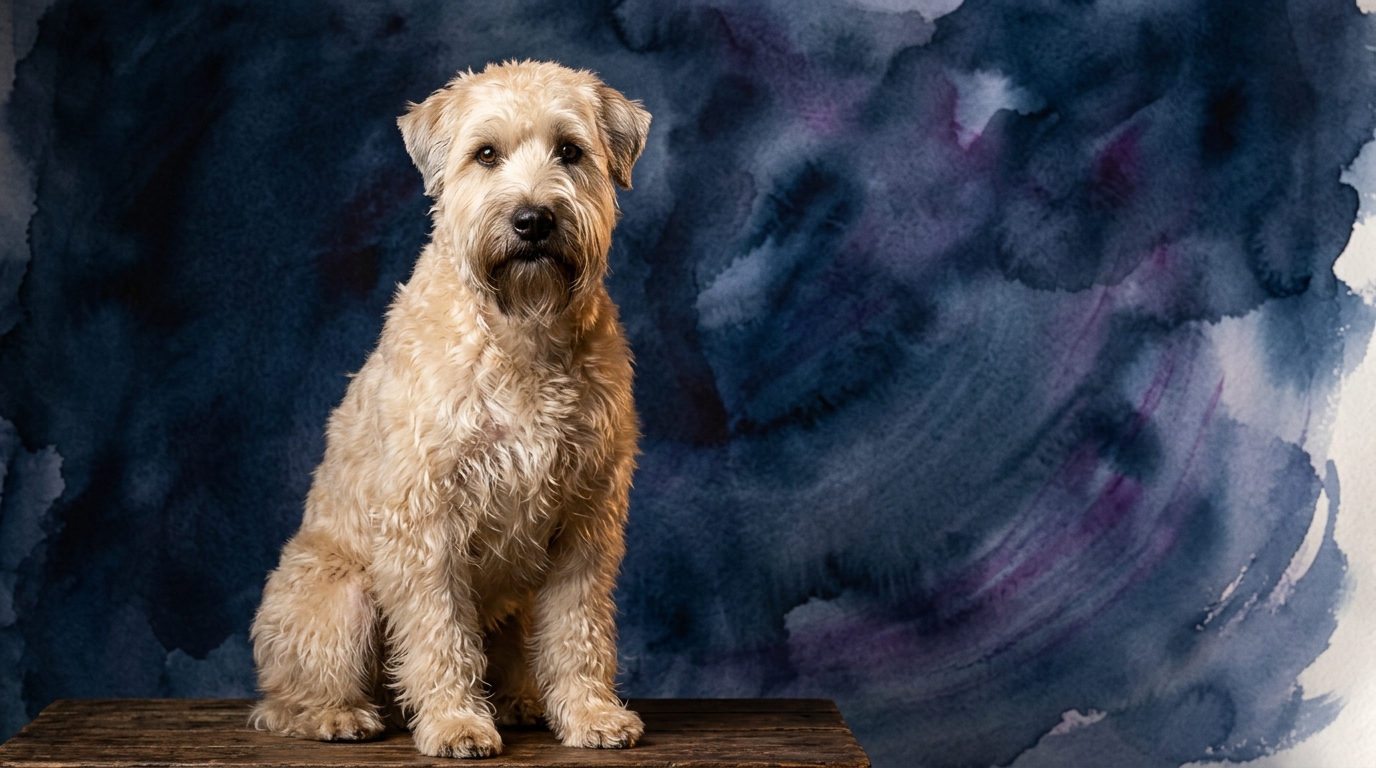
**Soft Coated Wheaten Terrier**
**Problem Solving (3/5):** Wheatens display resourceful, often charming problem-solving, figuring out how to achieve goals like opening cabinets or getting attention. Their solutions are marked by persistence and terrier ingenuity, often with a playful, mischievous flair.
**Training Speed (3/5):** They learn new commands at a moderate pace, eager to please but with an independent streak. Consistency and engaging, positive reinforcement are crucial, as distractions can easily divert their focus.
**Social Intelligence (3/5):** Highly attuned to family emotions and routines, forming deep bonds. With strangers, they can be boisterously friendly or cautiously observant, reflecting discernment rather than social deficiency.
**Instinctive Drive (3/5):** A moderate yet distinct terrier drive for chasing small objects, digging, and barking. These instincts, rooted in their farm dog history, require appropriate outlets.
**Memory (3/5):** Good recall for routines, commands, and hidden items. They remember past interactions, influencing future responses and aiding adaptation to household rules.
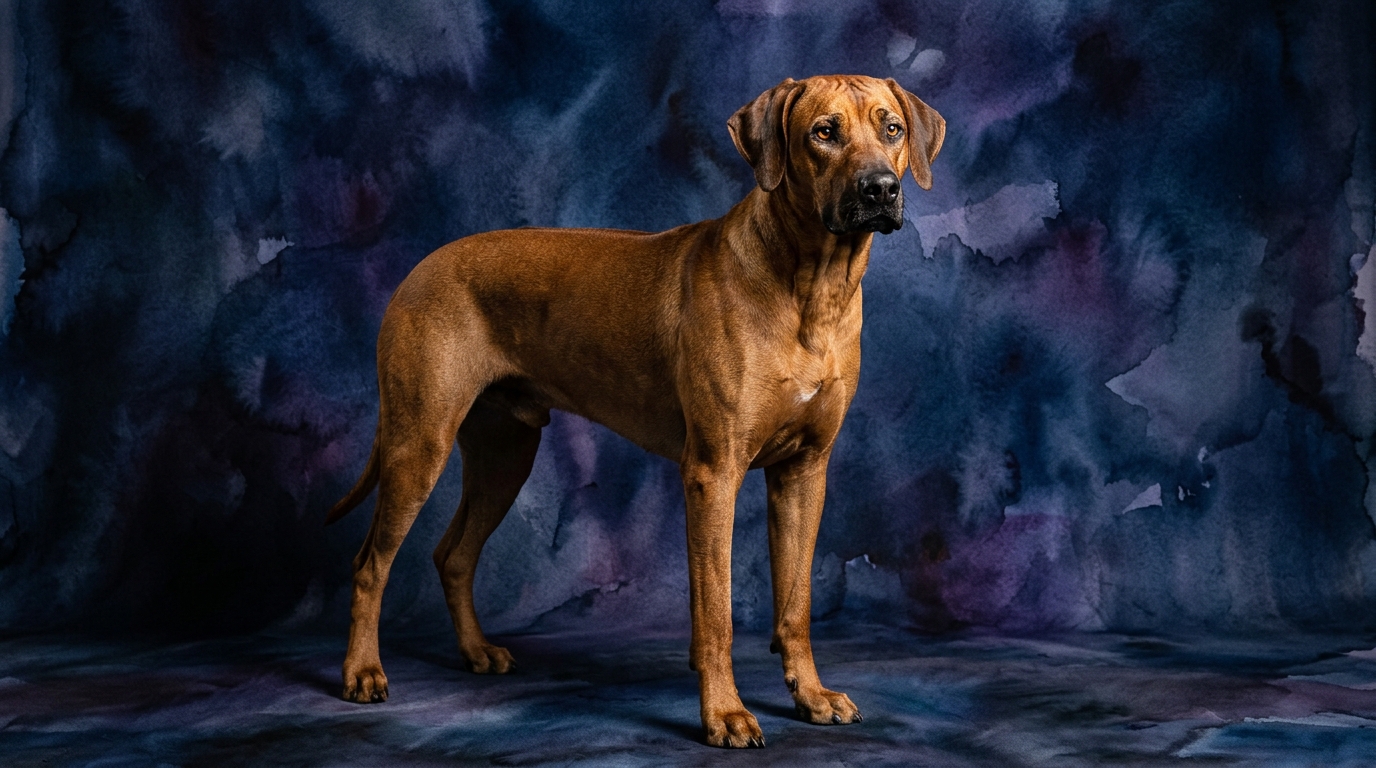
**Rhodesian Ridgeback**
**Problem Solving (3/5):** Ridgebacks approach problem-solving with observation and independent strategy, methodically assessing situations like accessing forbidden areas. Their solutions are goal-oriented, reflecting their ancestral role of tracking and outsmarting large game.
**Training Speed (3/5):** They learn commands moderately, but their independent hound nature demands clear motivation and consistent guidance. Compliance often requires a perceived incentive or alignment with their own agenda.
**Social Intelligence (3/5):** Profoundly loyal to family, intuitively understanding moods. Towards strangers, they are reserved and watchful, demonstrating keen discernment characteristic of their guardian heritage.
**Instinctive Drive (3/5):** A strong drive rooted in large game hunting, manifesting as powerful prey drive, guarding instincts, and scent tracking. These intrinsic drives require structured outlets and consistent management.
**Memory (3/5):** Good memory for people, places, and past training. They retain learned behaviors and routines, with past experiences shaping future reactions and aiding environmental navigation.
Where Soft Coated Wheaten Terrier Wins Cognitively
While both breeds score identically, the Wheaten Terrier often displays a more overtly playful cognitive engagement. Their 3/5 problem-solving frequently manifests in charmingly inventive ways to gain attention or initiate interaction, appearing more 'clever' domestically. Their social intelligence, also 3/5, includes a more immediate, effusive connection with familiar people, translating into a dog that overtly 'reads' and responds to human emotional states with visible enthusiasm. This makes their thought processes more transparent and fosters playful collaboration.
Where Rhodesian Ridgeback Wins Cognitively
The Rhodesian Ridgeback, despite identical scores, often excels in cognitive areas demanding focused independence and environmental awareness. Their 3/5 problem-solving is expressed through calm, methodical assessment, navigating complex terrains or managing perceived threats, reflecting their self-reliant hunting history. Their instinctive drive, also 3/5, channels into protective vigilance and precise territorial understanding, making them adept at discerning threats. This translates into deep loyalty and perceptive understanding of family hierarchy without needing overt cues, showcasing a quiet confidence.
Which Is Easier to Train and Why
Assessing ease of training between these breeds, both with a 3/5 training speed, requires understanding their temperamental differences. The Soft Coated Wheaten Terrier, eager to please and social, responds well to positive reinforcement and engaging, varied sessions. They learn quickly when motivated by praise and play, but terrier exuberance and occasional stubbornness demand consistency. Distractions easily capture their attention, necessitating fun, focused training. The Rhodesian Ridgeback, while capable, presents a different dynamic. Their independent hound mentality requires a strong, confident leader and a clear understanding of personal incentive. They aren't always driven to please, weighing commands against their own perceived self-interest. Training a Ridgeback demands unwavering patience and a deep understanding of their motivations. Compliance stems from respect and trust, not always eager enthusiasm. Thus, a novice might find the Wheaten 'easier' due to its overt willingness, whereas the Ridgeback requires a more experienced hand.
Which Suits Active Owners vs. Relaxed Owners
Both the Soft Coated Wheaten Terrier and the Rhodesian Ridgeback demand active engagement, making neither suitable for truly 'relaxed' owners. The Wheaten, with its moderate instinctive drive and playful problem-solving, needs consistent physical exercise and mental stimulation, like daily walks, interactive play, and puzzle toys. Its social intelligence means it craves companionship, fitting owners who include their dog in family activities. A relaxed owner might find the Wheaten's engagement needs overwhelming. The Rhodesian Ridgeback, with a strong instinctive drive and endurance, requires even more substantial physical activity—long runs, hikes, or brisk walks. Their independent problem-solving benefits from structured activities like obedience or tracking. A relaxed owner would quickly face a bored, potentially destructive Ridgeback. Both breeds suit owners committed to daily exercise, mental challenges, and companionship, with the Ridgeback requiring higher intensity and duration.
The Verdict
Choose a Soft Coated Wheaten Terrier if you seek a playful, effusive companion who thrives on social interaction and enjoys varied, engaging mental and physical activities, and you appreciate a dog whose intelligence often manifests in charming, attention-seeking ways.
Opt for a Rhodesian Ridgeback if you are an experienced, confident owner prepared for a deeply loyal, protective companion who excels in independent problem-solving and requires substantial, consistent physical and mental outlets, and you value a dog with a quiet, discerning intellect.
🧠 Find Your Pet's IQ Score
Our Pet IQ Lab assessment covers 25+ tests across 5 cognitive dimensions — personalized to your breed.
Take the Full IQ Test →Frequently Asked Questions
Do Soft Coated Wheaten Terriers get along with other pets?
Soft Coated Wheaten Terriers can coexist with other pets, especially if introduced thoughtfully during puppyhood. However, their moderate instinctive drive means they may have a prey drive towards smaller animals, requiring careful supervision and training to ensure harmonious living.
How much exercise does a Rhodesian Ridgeback need daily?
Rhodesian Ridgebacks require significant daily exercise, typically an hour or more of vigorous activity such as running, hiking, or sustained brisk walks. Their endurance and strong instinctive drive mean they need consistent physical and mental stimulation to remain content and well-behaved.
Are either of these breeds good for first-time dog owners?
While both breeds possess wonderful qualities, neither is typically recommended for first-time dog owners without a strong commitment to training and understanding breed-specific needs. The Wheaten's terrier exuberance and the Ridgeback's independent hound nature require consistent, knowledgeable handling to thrive.