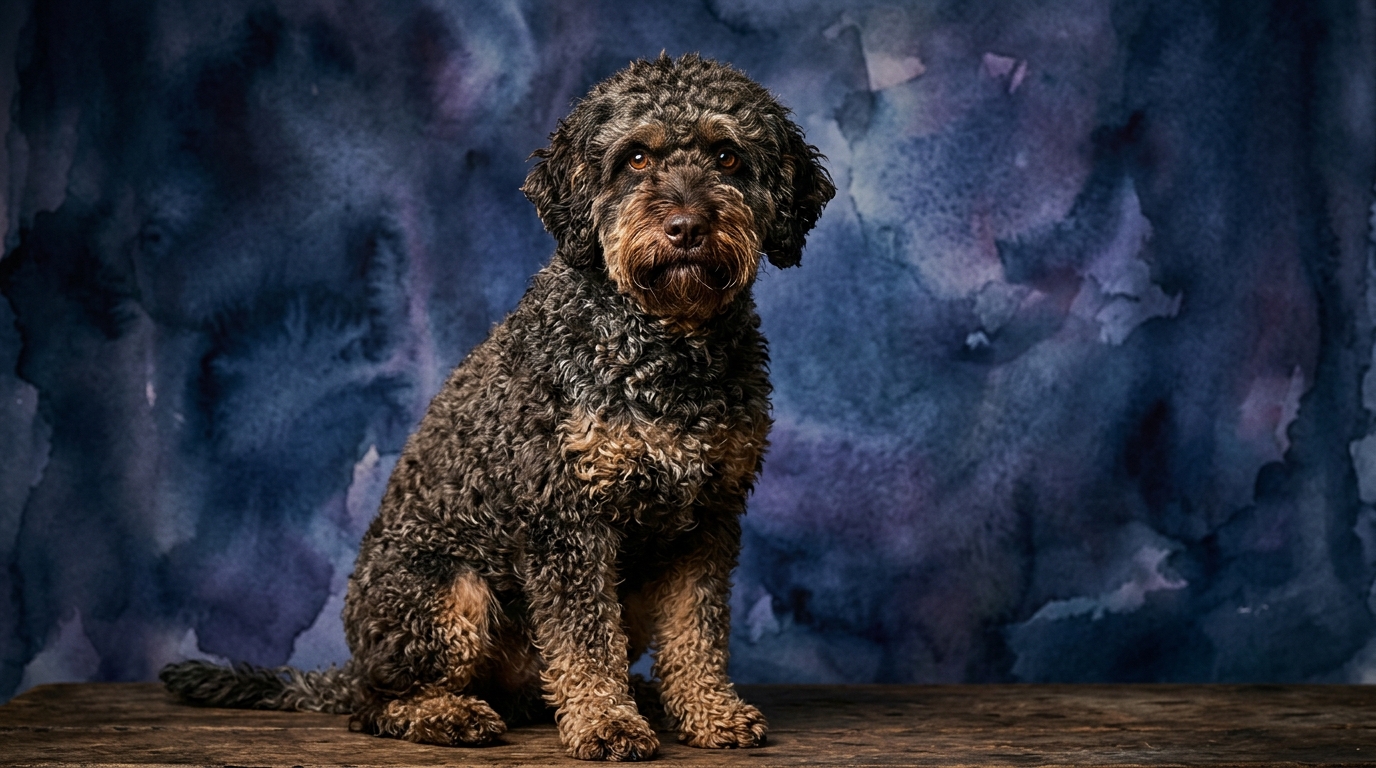
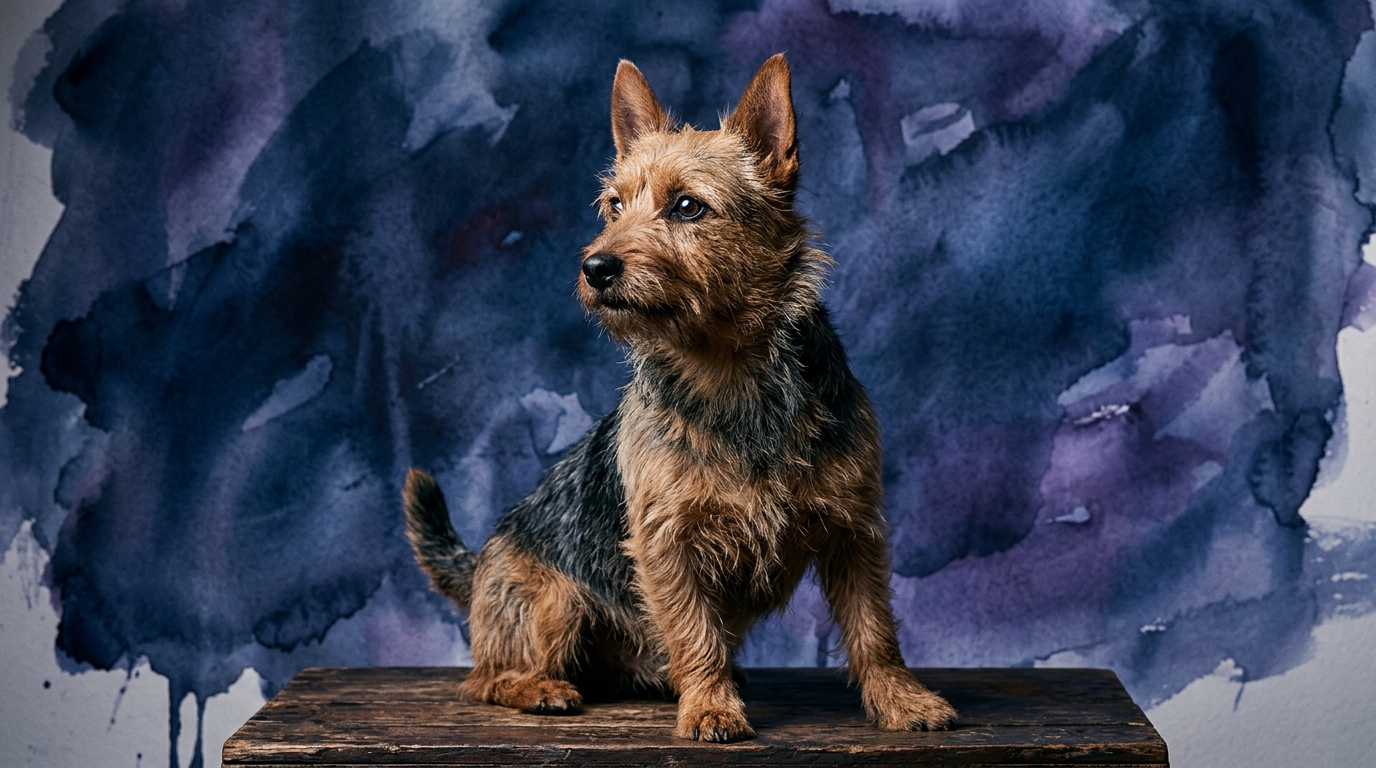
Side-by-Side IQ Profile: Herding Wit vs. Terrier Tenacity
A "3/5" in Problem Solving indicates a moderate capacity for dogs to independently figure out solutions to novel challenges. For the Spanish Water Dog, this often translates into an aptitude for strategic thinking related to movement and control, such as navigating complex environments or anticipating the actions of others in a "flock." Their problem-solving is frequently expressed through spatial awareness and the ability to adapt plans on the fly to achieve a desired outcome, like guiding livestock or locating hidden objects during search games.
In contrast, the Australian Terrier's 3/5 in Problem Solving manifests as a tenacious ingenuity, particularly when faced with obstacles preventing access to a perceived reward or target. They excel at devising methods to bypass barriers, manipulate objects, or outsmart small prey, often demonstrating a persistent, trial-and-error approach born from their vermin-hunting heritage. This breed’s problem-solving might involve figuring out how to open a cabinet to access treats or digging under a fence to explore an enticing scent.
A score of 3/5 for Training Speed signifies that both breeds acquire new commands and behaviors at a moderate pace, requiring consistent reinforcement but generally showing good retention. The Spanish Water Dog, as a herding breed, often exhibits a strong desire to cooperate and work alongside their handler, which can make them receptive to training when clear expectations and positive methods are employed. Their eagerness to please and focus on their human partner can facilitate learning complex sequences and obedience tasks, provided the training is engaging and purposeful.
The Australian Terrier, while also a 3/5, approaches training with a different mindset; their independent and spirited nature means they might require more varied and stimulating methods to maintain engagement. They can grasp concepts quickly but may choose to apply them selectively if not sufficiently motivated, often responding best to training that feels like a game or a challenge rather than rote instruction. Their terrier tenacity means they might test boundaries, necessitating patience and creative reinforcement strategies.
With a 3/5 in Social Intelligence, both breeds possess a moderate ability to interpret and respond to social cues from humans and other animals. The Spanish Water Dog often displays a deep sensitivity to their family's emotions and body language, forming strong, loyal bonds and acting as an attentive companion. Their social acumen extends to understanding group dynamics, making them capable of navigating interactions within a household "flock" and often exhibiting a protective yet discerning demeanor towards strangers. Their herding background fosters an understanding of social hierarchy and cooperation.
The Australian Terrier's 3/5 Social Intelligence is characterized by a keen awareness of their immediate family unit, often developing an intense loyalty to their chosen people. While they are observant and can read human intentions, their social interactions with unfamiliar dogs or people might be more reserved or assertive, reflecting their independent and sometimes feisty terrier temperament. They are adept at assessing situations, quickly distinguishing between friend and potential intruder, and communicating their feelings with clear, albeit sometimes vocal, signals.
A moderate 3/5 in Instinctive Drive means both breeds possess inherent, hardwired behaviors that significantly influence their actions. For the Spanish Water Dog, this manifests prominently as a strong herding instinct – an innate urge to gather, control, and protect their "flock," which in a domestic setting translates to their human family and sometimes other pets. They may exhibit behaviors like nudging, circling, or trying to keep family members together, alongside a natural inclination for guarding and territorial vigilance. This drive provides a powerful basis for their motivation in structured activities.
The Australian Terrier's 3/5 Instinctive Drive is dominated by their terrier heritage: a pronounced prey drive, an urge to chase, dig, and investigate small animals. This innate tenacity and curiosity drive their exploration and play, often leading them to pursue scents, dig holes, and engage in vigorous "hunting" games. Understanding this drive is crucial, as it shapes their responses to environmental stimuli and their need for appropriate outlets.
Scoring 3/5 in Memory indicates a moderate capacity for both breeds to recall learned commands, experiences, and spatial information over time. The Spanish Water Dog's memory supports their ability to retain complex sequences of commands essential for herding tasks or advanced obedience, allowing them to perform intricate routines reliably. They can remember specific routes, the location of items, and the rules of various games, making them consistent performers once a task is learned.
The Australian Terrier's 3/5 memory is equally functional, enabling them to recall successful strategies for problem-solving, remember the location of favorite toys or digging spots, and retain training cues. While perhaps less focused on complex, multi-step routines than a herding dog, their memory is robust for tasks relevant to their independent nature and exploratory pursuits, such as remembering where a squirrel was last seen or the exact spot they buried a bone.
Where the Spanish Water Dog Wins Cognitively
The Spanish Water Dog truly shines when cognitive abilities are applied in a cooperative, purpose-driven context. Their 3/5 problem-solving, combined with their instinctive herding drive and social intelligence, allows them to excel in tasks that require anticipating movements, understanding complex patterns, and working in close partnership with a human handler. This breed's strength lies in its capacity for nuanced control and coordination, whether it's managing a flock, navigating an agility course with precision, or learning intricate scent detection protocols.
Their moderate memory ensures they can reliably recall the sequence of actions and commands, making them highly effective in roles demanding consistency and a shared objective. The SWD’s cognition is geared towards being an active, engaged participant in a team, thriving on clear direction and contributing to a collective goal.
Where the Australian Terrier Wins Cognitively
Conversely, the Australian Terrier's cognitive strengths are most evident in scenarios demanding self-reliance, tenacity, and independent problem-solving. Their 3/5 problem-solving, fueled by a moderate yet persistent instinctive prey drive, equips them to overcome challenges through sheer determination and cleverness. This breed excels at tasks that require persistence, exploring new environments, and figuring out solutions without constant human guidance, such as locating hidden objects, navigating intricate puzzles, or persisting in a digging endeavor.
Their moderate social intelligence, while focused on their immediate family, allows them to quickly assess situations and react decisively, often with a charmingly assertive independence. The Australian Terrier's memory effectively supports their ability to recall successful strategies and locations of interest, making them adept at independent exploration and pursuits where their wit is their primary tool.
Which is Easier to Train and Why
While both breeds share a 3/5 Training Speed, the "ease" of training often depends on the owner's approach and understanding of breed-specific motivations. The Spanish Water Dog, with its inherent desire to work and please its handler, often proves more straightforward to train using traditional positive reinforcement methods. Their herding background instills a biddable nature and a responsiveness to direction, meaning they are generally eager to learn and follow commands when given clear, consistent instruction. Training the SWD can leverage their natural instincts for gathering and control, making activities like recall, boundary setting, and advanced obedience particularly rewarding for both dog and owner.
The Australian Terrier, on the other hand, requires a more creative and engaging training strategy due to their independent and often spirited terrier temperament. While they are certainly capable learners (3/5 Training Speed), their strong prey drive and self-reliant nature mean they might not always prioritize pleasing their handler over satisfying their own instincts. Training an AT often involves making learning feel like a fun game, incorporating their natural drive to chase and explore into the exercises. They may test boundaries more frequently, demanding an owner who is patient, consistent, and willing to experiment with different motivators to maintain their focus and cooperation. While not "harder" to train in terms of cognitive capacity, they require a different kind of dedication and ingenuity from their human partner.
Which Suits Active Owners vs. Relaxed Owners
Neither the Spanish Water Dog nor the Australian Terrier are truly suited for a purely "relaxed" or sedentary lifestyle, given their 3/5 instinctive drive and moderate energy levels. Both breeds require consistent physical and mental engagement to thrive.
For active owners seeking a highly engaged and cooperative partner, the Spanish Water Dog is an excellent match. They flourish when given a "job" or purpose, whether it's through dog sports like agility, obedience, dock diving, or even just long, purposeful hikes. Their cognitive profile makes them eager participants in activities that require teamwork, problem-solving, and a sense of contribution to the family unit. An SWD needs mental stimulation that taps into their herding mind – learning new tricks, puzzle toys, and consistent training are vital to prevent boredom and potential destructive behaviors.
The Australian Terrier also requires an active owner, but one who appreciates their independent spirit and provides outlets for their distinct terrier instincts. They need opportunities for vigorous play, chasing games, and secure environments where they can satisfy their urge to dig and explore safely. While they might not be as driven by structured, cooperative tasks as the SWD, they thrive on bursts of energy, challenging puzzle toys, and scent work that engages their keen sense of smell and prey drive. Owners who enjoy playful interactions, can provide consistent exercise, and are prepared for a dog with a strong, independent streak will find the AT a rewarding companion. Owners seeking a truly "relaxed" couch potato would likely find both breeds more demanding than anticipated, though the AT's ability to entertain itself for periods might make it *slightly* more adaptable to short bursts of activity rather than sustained, directed work.
The Verdict
Opt for the Spanish Water Dog if you seek a highly cooperative, biddable partner eager to engage in complex tasks, dog sports, or a family dog that thrives on purpose and a strong working relationship with its humans. They will flourish with consistent direction and opportunities to channel their herding instincts constructively.
Select the Australian Terrier if you value a spirited, independent companion with a tenacious personality, enjoy engaging in playful challenges, and are prepared to provide outlets for their strong terrier instincts, including digging and chasing. They offer unwavering loyalty combined with a charmingly assertive wit.
🧠 Find Your Pet's IQ Score
Our Pet IQ Lab assessment covers 25+ tests across 5 cognitive dimensions — personalized to your breed.
Take the Full IQ Test →Frequently Asked Questions
Do Spanish Water Dogs and Australian Terriers learn at the same speed?
The Cosmic Pet Pet IQ Lab rates both breeds at 3/5 for Training Speed, indicating they learn new commands at a moderate pace. However, their motivations differ: SWDs are often more handler-focused, while ATs require more varied, game-like training due to their independent nature.
Which breed is better at problem-solving?
Both breeds score 3/5 in Problem Solving, but their strengths lie in different areas. Spanish Water Dogs excel in strategic problem-solving related to movement and control, like managing a "flock," while Australian Terriers show tenacious ingenuity in overcoming physical obstacles or outsmarting "prey."
How do their instinctive drives impact their behavior?
With a 3/5 Instinctive Drive, the Spanish Water Dog exhibits strong herding tendencies, desiring to gather and protect its family. The Australian Terrier's 3/5 drive manifests as a pronounced prey drive, leading to urges for chasing, digging, and investigating, which requires appropriate outlets to manage.