Side-by-Side IQ Profile: Spanish Water Dog vs. Chesapeake Bay Retriever
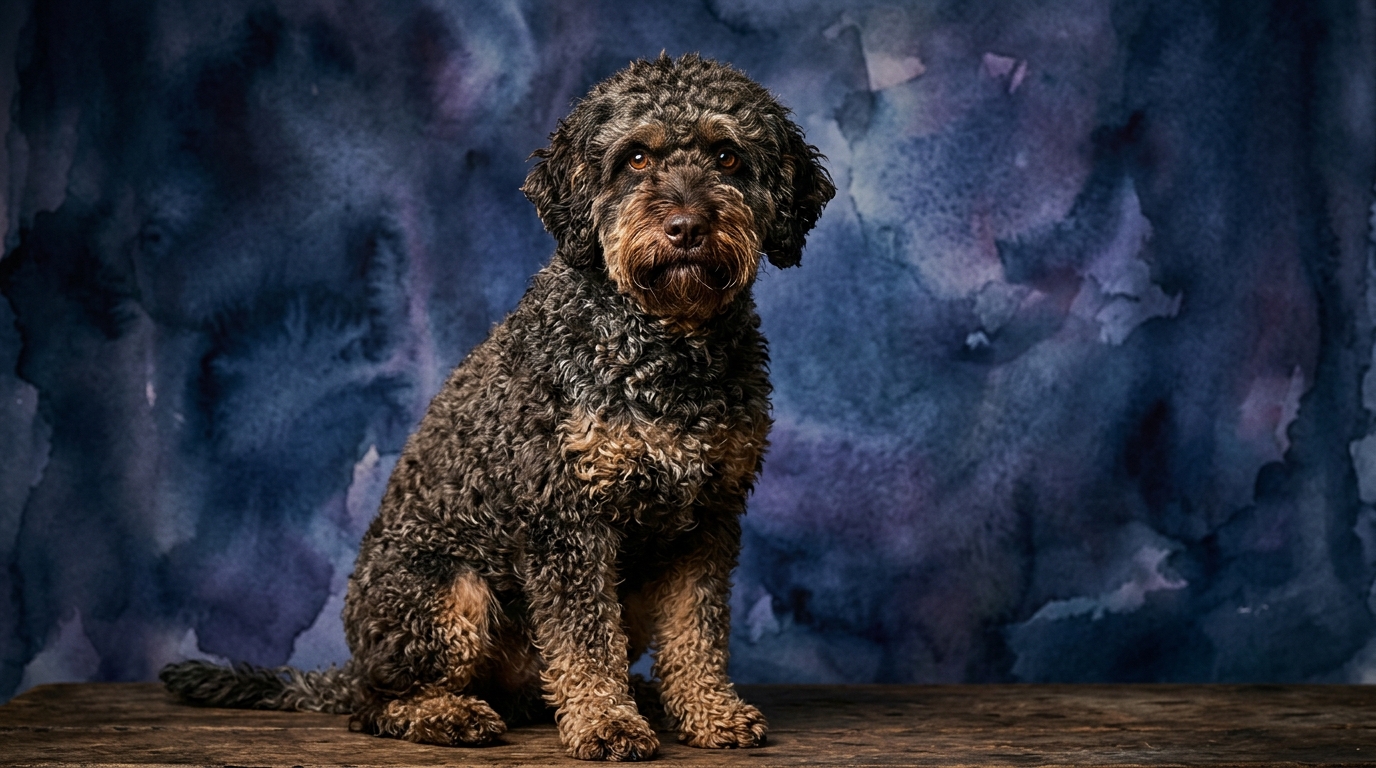
The Cosmic Pet Pet IQ Lab provides a detailed breakdown of canine cognition across five dimensions. For the Spanish Water Dog, we observe a consistently balanced profile. Their Problem Solving ability, rated 3/5, indicates a practical intelligence for navigating everyday challenges and adapting to new situations, reflecting their historical role as versatile herders. Training Speed, also at 3/5, suggests a moderate pace of learning new commands, requiring consistent and engaging methods rather than instant mastery. Social Intelligence, at 3/5, points to a moderate capacity for interpreting human cues and interacting with their environment, making them generally responsive companions. Their Instinctive Drive, 3/5, signifies a present but manageable drive to perform breed-specific tasks, which can be channeled effectively. Finally, Memory, at 3/5, implies a reliable recall for learned behaviors and routines. This even distribution across the cognitive spectrum paints a picture of a well-rounded, competent canine mind.
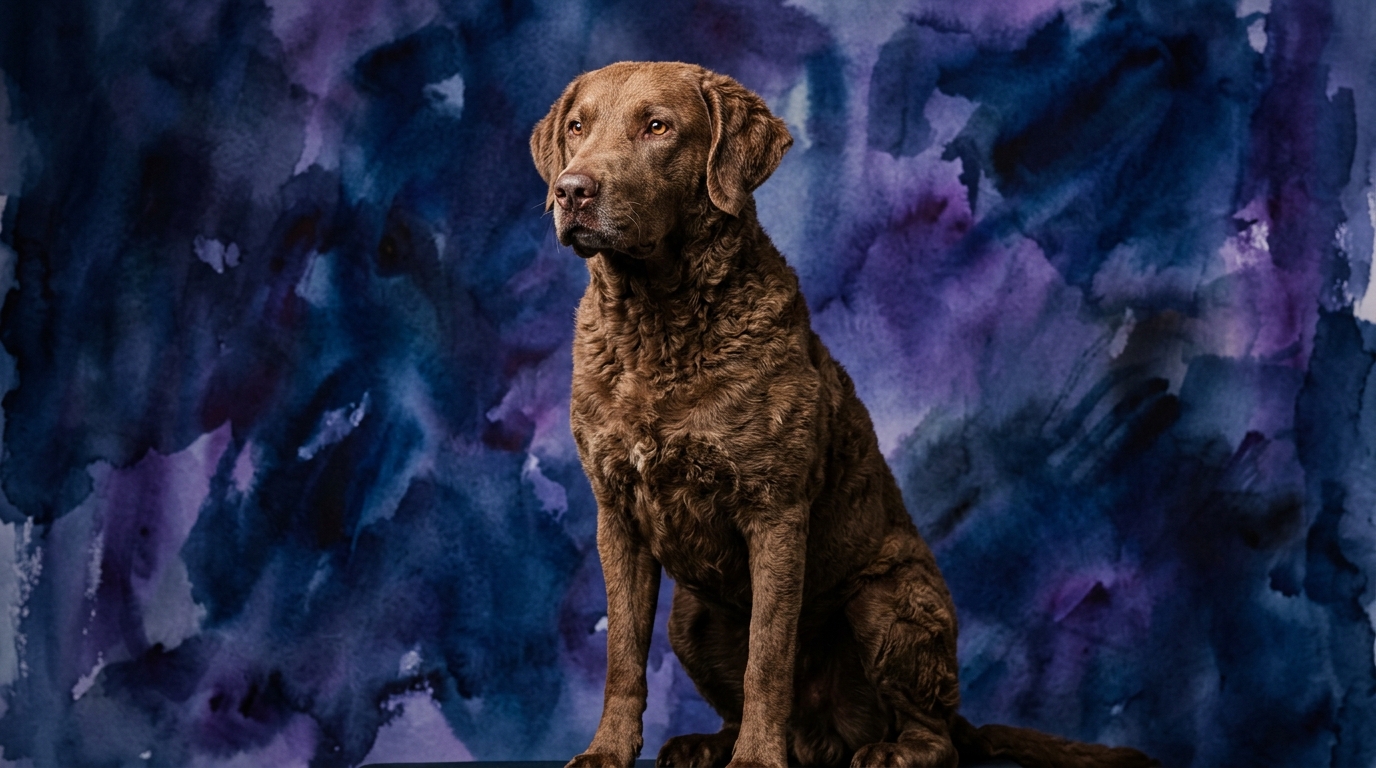
The Chesapeake Bay Retriever, in contrast, presents a profile with several elevated scores, placing it at Coren rank #27 for obedience/working intelligence. Its Problem Solving ability stands at a robust 4/5, indicating a strong capacity for independent thought and figuring out complex tasks, crucial for its demanding retrieving work in challenging environments. Training Speed, also 4/5, suggests a quicker grasp of new commands and concepts, often requiring fewer repetitions to solidify learning. Social Intelligence matches the Spanish Water Dog at 3/5, reflecting a similar moderate understanding of social cues and environmental interactions. Instinctive Drive is likewise 3/5, indicating a pronounced drive for retrieving and working, which is a hallmark of the breed. A standout feature is Memory, rated 4/5, highlighting an impressive ability to retain information, including complex sequences of retrieves or extensive command repertoires, making them reliable partners in intricate tasks. This profile suggests a dog with specific cognitive strengths geared towards high-level task performance and retention.
Where the Spanish Water Dog Wins Cognitively
The Spanish Water Dog’s cognitive strengths lie in its balanced adaptability rather than singular peaks. With every dimension scoring 3/5, this breed demonstrates a consistent, reliable level of intelligence across the board. This balance means that while they may not outpace a Chesapeake Bay Retriever in raw problem-solving speed or memory recall, they offer a steady, predictable cognitive foundation. Their moderate Instinctive Drive (3/5) ensures they possess enough inherent motivation for tasks without becoming overly intense or single-minded, making them versatile for a broader range of activities beyond their traditional herding role. This balanced intellect allows them to integrate smoothly into various family dynamics and adapt to diverse living situations without the intense mental demands of a breed with higher specialized cognitive scores, offering a predictable and manageable intellectual engagement.
Where the Chesapeake Bay Retriever Wins Cognitively
The Chesapeake Bay Retriever clearly distinguishes itself with superior scores in Problem Solving (4/5), Training Speed (4/5), and Memory (4/5). This means a Chessie possesses a deeper capacity for independent reasoning, enabling them to decipher complex situations and find solutions more readily than the Spanish Water Dog. Their accelerated Training Speed indicates they can absorb and execute new commands with fewer repetitions, making them highly efficient learners for advanced obedience or specialized working roles. Furthermore, their exceptional Memory (4/5) allows them to retain a vast array of information, from intricate multi-step tasks to the locations of multiple retrieved items, over significant periods. This cognitive superiority in specific areas makes the Chesapeake Bay Retriever a formidable partner for demanding activities that require precision, rapid learning, and excellent recall.
Which is Easier to Train, and Why?
Based on "The Cosmic Pet Pet IQ Lab" metrics, the Chesapeake Bay Retriever is generally easier to train due to its higher Training Speed (4/5) and superior Memory (4/5) compared to the Spanish Water Dog's 3/5 in both categories. A Chessie will typically grasp new commands and concepts more quickly, requiring fewer repetitions to achieve proficiency. This efficiency stems from their enhanced ability to process and store information, leading to faster reinforcement of desired behaviors and better long-term retention of what they’ve learned. For instance, teaching a multi-step retrieving sequence or complex agility course would likely progress faster with a Chesapeake Bay Retriever, as they process the patterns and remember the steps with greater ease. The Spanish Water Dog, while trainable, may require more patience, consistency, and varied training approaches to maintain engagement and solidify learning, reflecting its moderate training speed and memory. Their training journey might feel more like a steady climb, whereas the Chessie's could be perceived as a quicker ascent to mastery in specific areas.
Which Suits Active Owners vs. Relaxed Owners
Both breeds possess an Instinctive Drive of 3/5, indicating a moderate to high need for activity and mental engagement, making neither truly suited for truly relaxed, sedentary owners. However, the nuances in their cognitive profiles suggest slightly different demands. The Spanish Water Dog, with its balanced 3/5 across all dimensions, requires consistent physical activity and mental stimulation to prevent boredom, but its needs are generally manageable for active individuals or families who enjoy regular walks, hikes, and engaging games. Their moderate problem-solving and training speed mean they thrive on routine and clear direction, making them good partners for structured activities like herding trials or basic obedience.
The Chesapeake Bay Retriever, with its higher Problem Solving (4/5), Training Speed (4/5), and Memory (4/5), demands more than just physical exercise; it requires significant mental challenges to thrive. These dogs excel when given a "job" to do, whether it's advanced obedience, complex retrieving tasks, or competitive dog sports. An owner who can tap into their superior cognitive abilities through consistent, challenging training and varied activities will find a highly engaged and satisfied companion. Therefore, the Chesapeake Bay Retriever is better suited for highly active, experienced owners who are committed to providing substantial mental stimulation and specialized training, whereas the Spanish Water Dog can adapt more readily to moderately active owners seeking a versatile, engaging companion.
The Verdict
If you seek a versatile, adaptable companion with a balanced intellect that thrives on consistent, moderately challenging activities and offers a predictable learning curve, the Spanish Water Dog is an excellent choice.
However, if you are an experienced, highly active owner eager to engage in advanced training, competitive dog sports, or demanding working roles, valuing rapid learning, superior problem-solving, and exceptional memory, the Chesapeake Bay Retriever will be your ideal partner.
🧠 Find Your Pet's IQ Score
Our Pet IQ Lab assessment covers 25+ tests across 5 cognitive dimensions — personalized to your breed.
Take the Full IQ Test →Frequently Asked Questions
Does Coren rank directly correlate with "The Cosmic Pet Pet IQ Lab" scores?
Coren's ranking primarily assesses obedience and working intelligence, which aligns closely with "Training Speed" and "Memory" in our lab's framework. While there's often a correlation, "The Cosmic Pet Pet IQ Lab" provides a more granular breakdown across five distinct cognitive dimensions, offering a broader view of a dog's overall intellectual capacity beyond just trainability.
Can a Spanish Water Dog excel in complex tasks despite its 3/5 problem-solving score?
Absolutely. A 3/5 in Problem Solving indicates a solid capacity for navigating challenges, not a limitation. With consistent training, clear guidance, and engaging methods, Spanish Water Dogs can certainly learn and perform complex tasks. They might simply take more repetitions or benefit from tasks broken down into smaller steps compared to a breed with a 4/5 score.
How does "Instinctive Drive" impact an owner's experience with these breeds?
An Instinctive Drive of 3/5 for both breeds means they possess inherent urges related to their working heritage, such as herding for the SWD or retrieving for the CBR. This drive, while not overwhelming, requires appropriate outlets to prevent boredom or redirected behaviors. Owners should channel this drive through structured play, training, and breed-specific activities to ensure a well-adjusted companion.