Side-by-Side Cognitive Profiles
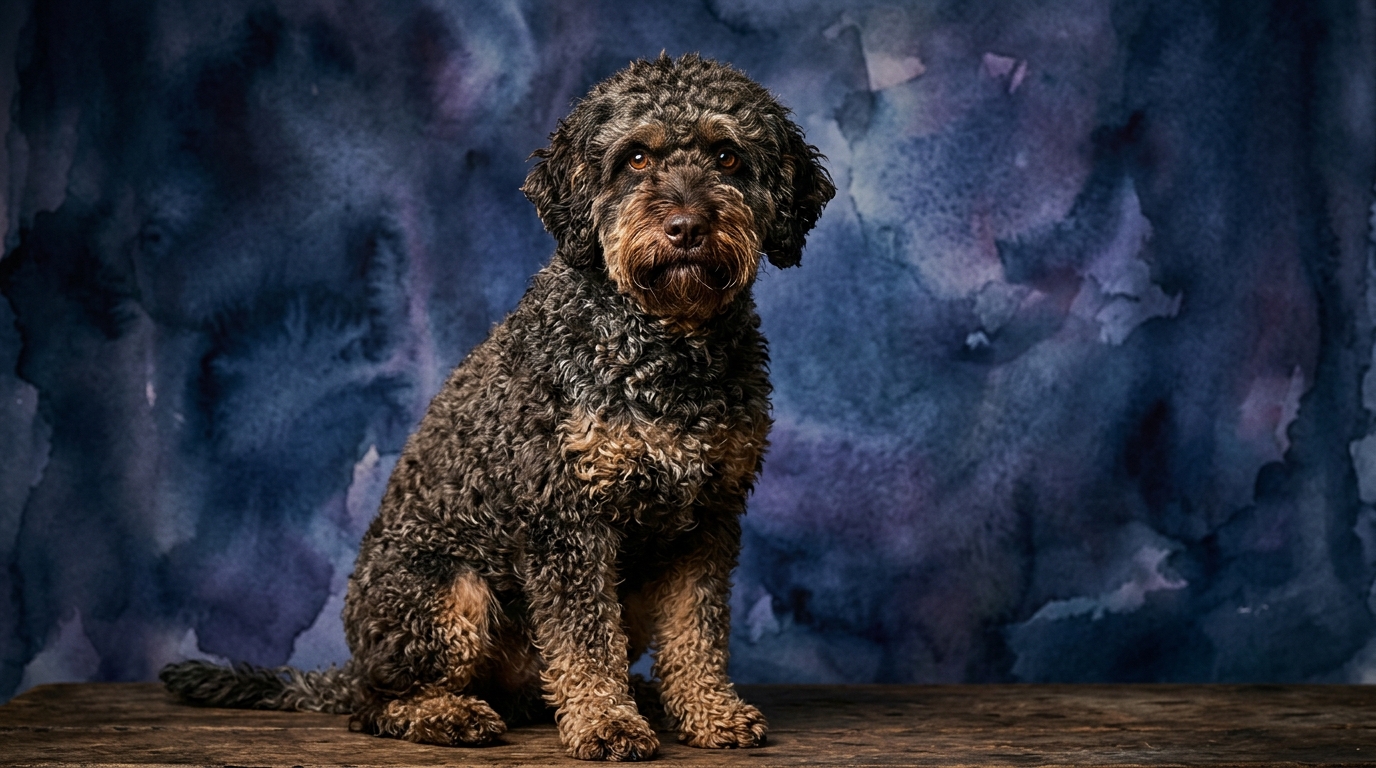
The Spanish Water Dog (SWD) - The Agile Herder's Mind: The Spanish Water Dog, a robust herding breed, exhibits its problem-solving acumen (3/5) through its historical role in managing livestock, involving dynamic spatial reasoning and adapting strategies on the fly. Their training speed (3/5) reflects an eagerness to engage in cooperative tasks, absorbing complex command sequences quickly when a clear purpose, often tied to work, is presented. Social intelligence (3/5) for the SWD is characterized by a strong bond with their handler, a keen ability to interpret human intentions, and an understanding of pack dynamics crucial for coordinated effort. Their instinctive drive (3/5) is powerfully channeled into herding, retrieving, and guarding, manifesting as a persistent desire for engagement. Their memory (3/5) is excellent for routines, learned tasks, and the specific locations of their "flock" or family members, allowing for consistent performance.
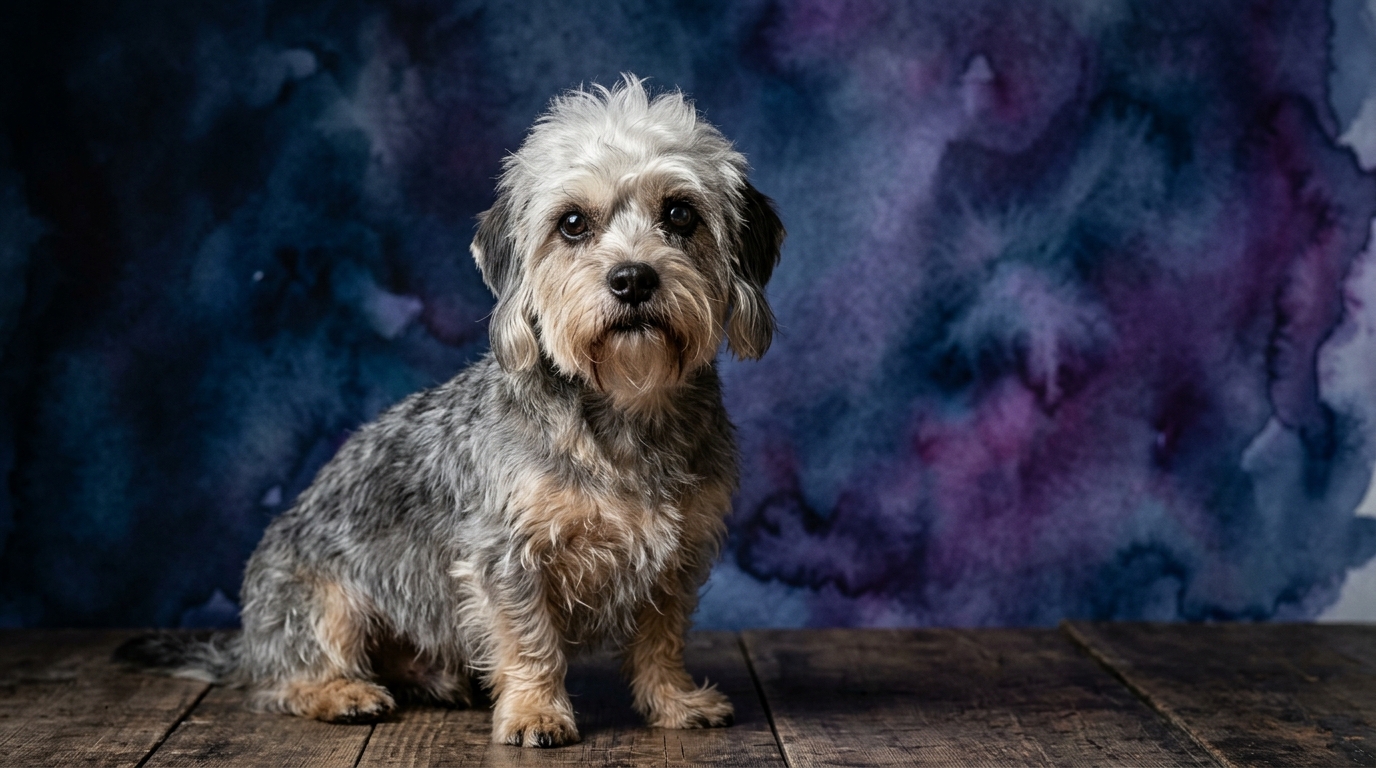
The Dandie Dinmont Terrier (DDT) - The Tenacious Earthdog's Wit: The Dandie Dinmont Terrier, a distinctive terrier breed, demonstrates its problem-solving capabilities (3/5) with a tenacious, independent flair. Historically bred to hunt vermin, their intelligence often involves figuring out how to navigate tight spaces or outsmart elusive prey, relying on cunning and self-reliance. Their training speed (3/5) is evident in their ability to grasp concepts, but often requires a handler who understands the terrier's independent spirit, learning rapidly when motivated by personal reward or innate drives. Social intelligence (3/5) in the Dandie is expressed through a discerning nature, forming deep attachments to family while often maintaining a reserved demeanor with strangers. Their instinctive drive (3/5) is deeply rooted in hunting, digging, and a bold, self-assured temperament. Their memory (3/5) is strong for locations of interest, established household routines, and trusted companions.
Where the Spanish Water Dog Wins Cognitively
The Spanish Water Dog excels in cognitive areas demanding cooperative problem-solving and fluid adaptation within a structured framework. Their herding background means they are often more attuned to human direction and subtle cues, making them adept at learning sequences of commands requiring precise execution and timing. This translates into a superior ability to participate in dog sports like agility or obedience, where anticipating the handler's next move and performing complex patterns are paramount. The SWD's problem-solving leans towards collaborative task completion, such as guiding animals or retrieving specific items based on verbal cues.
Their social intelligence, while equally rated, often translates into a more overt "people-pleasing" drive compared to the Dandie. This means an SWD might invest more cognitive effort into understanding and responding to their owner's emotional state, seeking approval through their actions. This subtle difference in social engagement can make them appear more responsive to nuanced human communication, fostering a strong partnership dynamic where the dog actively seeks to understand and fulfill human objectives. Their memory is particularly geared towards remembering complex routines and the specific roles of various "flock" members, allowing them to consistently apply learned strategies in evolving situations.
Where the Dandie Dinmont Terrier Wins Cognitively
The Dandie Dinmont Terrier often demonstrates a distinct cognitive edge in independent problem-solving and tenacious pursuit of self-initiated goals. Their terrier heritage imbues them with cunning resourcefulness, allowing them to devise creative, often unconventional, solutions to obstacles. This might manifest as figuring out how to open a cabinet for a treat, or systematically exploring every possible escape route, driven by sheer determination. While their problem-solving is rated 3/5, it's characterized by a "think outside the box" approach, less reliant on human guidance and more on personal initiative and persistence.
Their instinctive drive, also rated 3/5, is channeled into a laser-focused determination that can be a cognitive asset. When a Dandie sets its mind to something – tracking a scent, digging, or acquiring a toy – their cognitive resources are intensely concentrated on that singular objective, often demonstrating impressive perseverance. This focused drive, coupled with their memory, means they are excellent at remembering successful strategies for achieving their self-determined goals, whether it's the best digging spot or which household member shares snacks. Their social intelligence, while perhaps less overtly cooperative, allows them to skillfully navigate social situations to their advantage, understanding who to charm and who to ignore.
Which is Easier to Train and Why
Despite both breeds scoring 3/5 for training speed, the Spanish Water Dog generally presents as the easier breed to train for conventional obedience and cooperative tasks. Their herding instincts naturally predispose them to working in partnership, responding well to direction and deriving satisfaction from completing tasks as part of a team. They are typically eager to please and possess a strong desire for engagement, meaning they often pick up commands quickly and reliably with positive reinforcement and consistency. Their cognitive approach to training involves understanding handler cues and executing them precisely, making them highly responsive to structured lessons. However, their intelligence requires mental stimulation; without it, they can become bored and invent their own, less desirable, "tasks."
The Dandie Dinmont Terrier, while capable of learning, presents a different kind of training challenge due to their inherent independence and self-assurance. Their problem-solving is often geared towards their own agenda; while they learn quickly, they might choose *not* to comply if they don't see immediate benefit or if strong instinctive drives override obedience. Training a Dandie requires immense patience, creativity, and understanding of their terrier mindset. Handlers must make training sessions engaging, rewarding, and consistent, often employing game-based methods. They are not "eager to please" like a herding dog; instead, they are motivated by what serves *them*, requiring a more persuasive approach to achieve consistent results.
Which Suits Active Owners vs. Relaxed Owners
The Spanish Water Dog is unequivocally better suited for active owners. Their strong instinctive drive (3/5) and need for mental and physical engagement mean they thrive with a "job" to do, whether it's dog sports, long hikes, or complex interactive games. They possess significant stamina and require consistent outlets for their energy and cognitive abilities. An owner who enjoys daily vigorous exercise, training sessions, and providing ample mental puzzles will find the SWD a rewarding and balanced companion. Their cooperative nature means they often enjoy sharing these activities. A relaxed owner unable to commit to significant daily activity would find the SWD's needs overwhelming, potentially leading to boredom-induced behaviors.
The Dandie Dinmont Terrier, while not a couch potato, can be a better fit for owners with a more relaxed activity level, provided mental stimulation needs are met. While they enjoy walks and playtime, their exercise requirements are generally less intense than a herding dog's. Their instinctive drive (3/5) manifests more in bursts of activity, intense scent-tracking, and patrolling territory, rather than sustained, high-energy output. A relaxed owner who enjoys shorter, frequent walks, scent work, or puzzle toys challenging their independent problem-solving might find the Dandie a good match. They are content with a comfortable routine but still require consistent mental engagement to prevent boredom and destructive behaviors born from their tenacious spirit.
The Verdict
Choose the Spanish Water Dog if: You are an active individual or family seeking a highly engaged, cooperative companion eager to learn and participate in vigorous activities and structured training. This breed thrives with owners who can channel their herding intelligence and drive into purposeful mental and physical work, fostering a deep partnership.
Choose the Dandie Dinmont Terrier if: You appreciate an independent, spirited companion with a keen mind and a tenacious personality, and you are prepared for a creative, patient approach to training. This breed suits owners who can provide consistent mental challenges and moderate physical activity, valuing a dog with a distinct, self-assured character.
🧠 Find Your Pet's IQ Score
Our Pet IQ Lab assessment covers 25+ tests across 5 cognitive dimensions — personalized to your breed.
Take the Full IQ Test →Frequently Asked Questions
Do Spanish Water Dogs and Dandie Dinmont Terriers have similar learning capabilities despite their different breed groups?
Yes, both breeds are rated 3/5 for training speed, indicating they are capable learners. However, the *approach* to training differs; SWDs typically respond well to cooperative tasks, while DDTs require more motivation tailored to their independent, self-serving terrier nature.
How do their problem-solving skills differ if both are rated 3/5?
The Spanish Water Dog's problem-solving often involves adapting to dynamic situations within a cooperative framework, like herding. The Dandie Dinmont Terrier's problem-solving is more about independent cunning and persistence to achieve a self-determined goal, such as finding a hidden treat or navigating obstacles.
Which breed is more likely to challenge an owner's authority?
The Dandie Dinmont Terrier, with its strong independent streak and inherent terrier tenacity, is generally more likely to test boundaries and challenge authority. Spanish Water Dogs, while intelligent and sometimes strong-willed, typically have a stronger inclination towards cooperation and pleasing their handler.