Side-by-Side IQ Profile
The Cosmic Pet Pet IQ Lab assesses canine intelligence across five key dimensions: Problem Solving, Training Speed, Social Intelligence, Instinctive Drive, and Memory. While both the Spanish Water Dog and Finnish Spitz register a consistent 3/5 across all these categories, the manifestation and application of these cognitive strengths are remarkably distinct, reflecting their unique historical purposes and intrinsic temperaments.
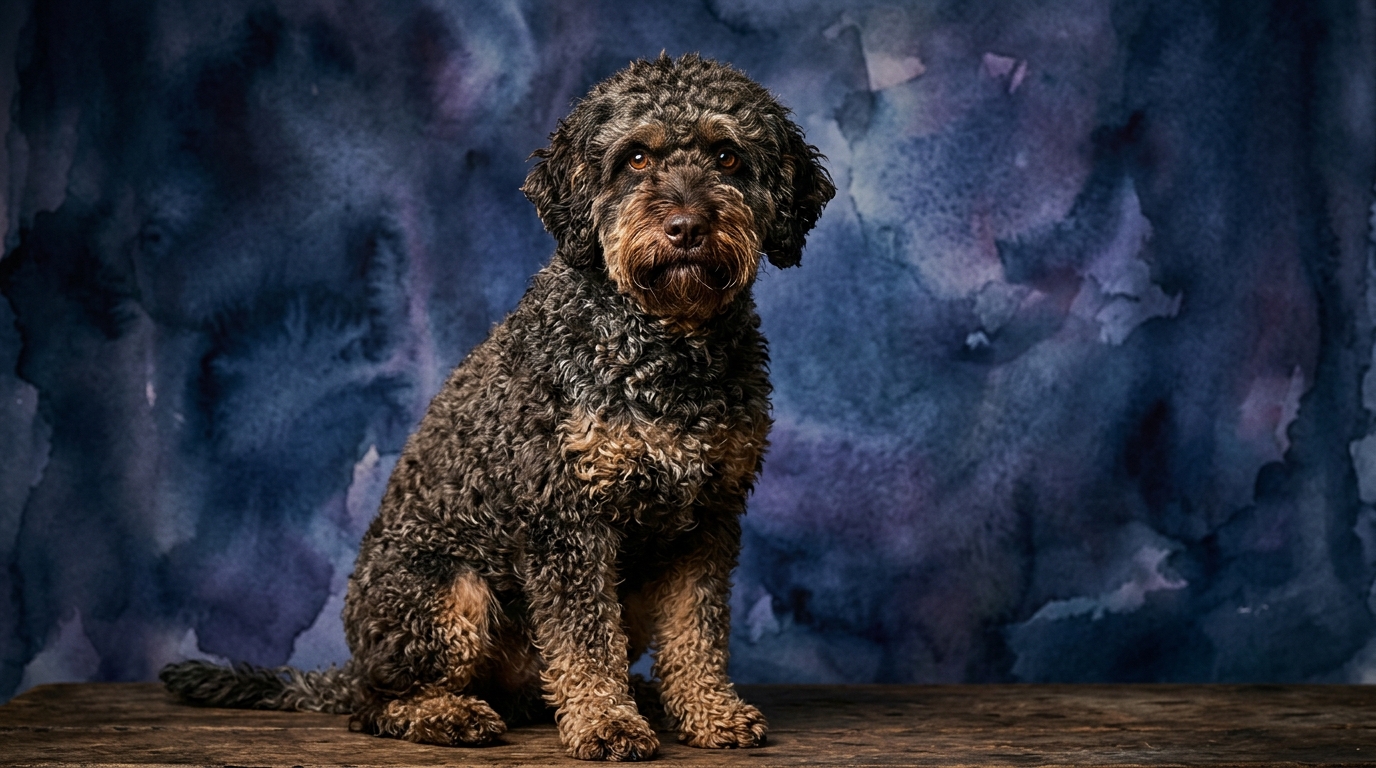
**Spanish Water Dog (SWD)**: A Herding breed, the SWD's cognitive profile is geared towards cooperative work and practical adaptability. Their **Problem Solving 3/5** reflects a capacity to assess and navigate practical challenges in dynamic environments, such as gathering livestock or adapting to changing terrain, demonstrating a practical intelligence focused on tangible outcomes and efficient solutions within a working context. Their **Training Speed 3/5** signifies a moderate pace in absorbing new commands and routines, particularly when training aligns with their innate desire to work alongside a handler; their herding background fosters responsiveness, allowing them to connect actions with desired results fairly quickly if the task feels purposeful. **Social Intelligence 3/5** allows them to read cues from humans and other animals, enabling effective cooperation in herding and guarding roles, understanding hierarchies and expectations within their social group. The SWD’s **Instinctive Drive 3/5** is a robust force rooted in its herding heritage, expressed through keen interest in movement, a desire to gather, and a protective instinct, providing consistent motivation for engagement and task fulfillment. Finally, their **Memory 3/5** ensures they retain learned behaviors, routes, and associations effectively over time, contributing to their reliability and adaptability once a pattern is established.
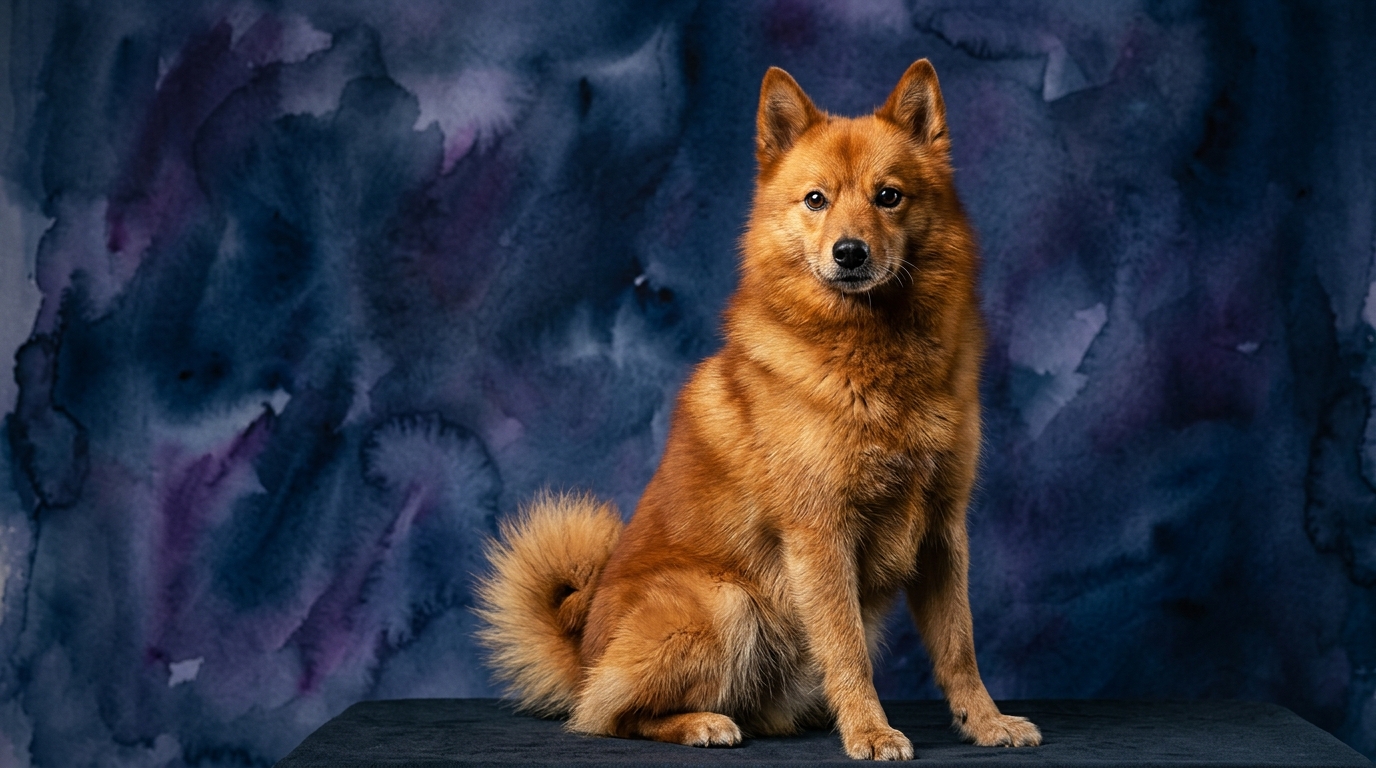
**Finnish Spitz (FS)**: Classified as a Non-Sporting breed, the Finnish Spitz's intelligence is shaped by its role as an independent hunting dog. Their **Problem Solving 3/5** signifies an ability to independently strategize and overcome obstacles, particularly in pursuit of self-directed goals like locating game or navigating complex woodland, relying on their own judgment without constant human guidance. **Training Speed 3/5** means the FS learns at a moderate rate, excelling when training is engaging, positive, and clearly demonstrates a benefit to them; while not inherently driven by a strong desire to please, they are capable of learning a wide array of commands that tap into their natural hunting instincts or provide mental stimulation. Their **Social Intelligence 3/5** manifests as a moderate level of social awareness, understanding subtle cues from their family and responding to social dynamics, often discerning with strangers and communicating needs effectively, often through distinctive vocalizations. The primary **Instinctive Drive 3/5** for the Finnish Spitz revolves around hunting and "barking at game," a unique form of communication and location marking; this drive is strong, manifesting as an alertness to their environment, a powerful prey drive, and a tendency to use their voice to signal observations. Their **Memory 3/5** demonstrates good recall for learned commands, routines, and the locations of interesting scents or past experiences, allowing for consistent behavior once patterns are ingrained.
Where Spanish Water Dog Wins Cognitively
The Spanish Water Dog truly shines in cognitive tasks demanding cooperative problem-solving and an integrated working relationship with a human handler. Their herding heritage has honed their "Problem Solving 3/5" to excel at dynamic tasks requiring quick assessments and adjustments in response to external stimuli, like guiding livestock or navigating obstacle courses with precision. This isn't just about raw cognitive capacity, but about how that capacity is *applied* in partnership. Their "Social Intelligence 3/5" is geared towards anticipating human intentions and responding to subtle cues, making them exceptionally adept at intricate obedience, agility, or rally work where seamless communication is paramount. Furthermore, their "Instinctive Drive 3/5" is channeled into purposeful activity directed by a person, giving them an edge in learning complex sequences that serve a functional goal, making them more predisposed to engaging in structured activities that require a dog to be "in tune" with their handler's directives. They demonstrate superior cognitive flexibility when asked to shift between tasks or modify a strategy based on handler feedback, a hallmark of their adaptable working nature.
Where Finnish Spitz Wins Cognitively
The Finnish Spitz excels in cognitive domains requiring independent initiative, environmental awareness, and self-directed problem-solving, leveraging its unique "Instinctive Drive 3/5" for hunting. Their "Problem Solving 3/5" is particularly strong when the task involves sensory discrimination and autonomous decision-making, such as tracking a scent through varied terrain or discerning the location of hidden game without direct human intervention. This breed's cognitive strengths lie in its ability to process complex environmental information and formulate a strategy based on instinct and learned experience. Their "Memory 3/5" is keenly applied to remembering specific locations of interesting stimuli and past successful hunting strategies, allowing them to learn from experience in a way that fuels their independent pursuits. The Finnish Spitz's "Social Intelligence 3/5," while perhaps not as overtly cooperative as a herding dog, is highly tuned to understanding their immediate surroundings and reacting appropriately, often communicating their findings through their distinct vocalizations. They demonstrate a cognitive advantage in situations where a dog needs to be a self-starter, relying on its own judgment and keen senses to achieve a goal.
Which is Easier to Train and Why
Despite both breeds registering a "Training Speed 3/5," the Spanish Water Dog generally presents as an easier dog to train for most owners due to fundamental differences in their motivational drives and social structures. The SWD's "Instinctive Drive 3/5" is deeply rooted in a desire to work collaboratively and please its handler, a characteristic inherent to herding breeds. This translates into a dog that often actively seeks direction and finds satisfaction in fulfilling tasks given by a human. Their "Social Intelligence 3/5" is geared towards understanding and responding to human commands and intentions, making them more receptive to traditional reward-based training methods. They tend to be more biddable, meaning they are more inclined to obey and follow instructions, even when distractions are present, because cooperation is part of their cognitive makeup.
The Finnish Spitz, while perfectly capable of learning with its "Training Speed 3/5," possesses an "Instinctive Drive 3/5" that is primarily independent, focused on self-rewarding hunting behaviors like vocalizing at game. Their "Social Intelligence 3/5" is more about understanding their immediate pack and environment, rather than an inherent drive to perform for a human's approval. Training a Finnish Spitz often requires more creativity, patience, and a strong understanding of what motivates *them*, which might not always align with a handler's immediate desires. They can be more prone to selective hearing or pursuing their own interests if the training isn't sufficiently engaging or rewarding from their perspective. While they learn, their independent spirit means they may require more consistent reinforcement and a very clear "what's in it for me" explanation, making the training process feel less straightforward for novice owners.
Which Suits Active Owners vs. Relaxed Owners
For active owners seeking a canine partner for demanding activities, the Spanish Water Dog is often the more suitable choice. Their "Instinctive Drive 3/5" and "Problem Solving 3/5" combine to create a dog that thrives on having a job, whether it's herding, agility, dock diving, or extensive hiking. They possess significant stamina and mental acuity, requiring consistent physical exercise and intellectual engagement to prevent boredom and channeling their energy constructively. A relaxed owner might find the SWD's need for activity and mental stimulation overwhelming, as an under-stimulated SWD can become restless or channel its cognitive abilities into less desirable behaviors around the home.
The Finnish Spitz, while also possessing an active "Instinctive Drive 3/5" (primarily for hunting and vocalization), can be a better fit for owners who are active but perhaps not seeking a dog for highly structured, cooperative sports. They enjoy walks, exploring, and activities that engage their senses, like scent work or "find it" games. Their independence means they might be content with less intense, handler-focused activities, as long as they get sufficient opportunity to exercise their body and mind, perhaps with more self-directed play or exploration. A relaxed owner might still find the Finnish Spitz's vocal nature and need for consistent, albeit perhaps less intense, exercise challenging, but their capacity for independent contentment can make them a slightly more manageable option than a herding dog constantly seeking a "job." They need mental stimulation, but it doesn't always have to be a collaborative "task" in the same way an SWD might demand.
The Verdict
Choose a Spanish Water Dog if you seek a highly engaged, cooperative partner for structured activities and a dog that thrives on having a clear purpose and working alongside you.
Choose a Finnish Spitz if you appreciate a more independent companion with a keen sense of its surroundings, capable of self-directed problem-solving and expressive communication, and are prepared to engage its unique hunting instincts.
🧠 Find Your Pet's IQ Score
Our Pet IQ Lab assessment covers 25+ tests across 5 cognitive dimensions — personalized to your breed.
Take the Full IQ Test →Frequently Asked Questions
Do Spanish Water Dogs bark a lot like Finnish Spitzes?
Spanish Water Dogs typically have a moderate barking tendency, primarily using their voice for alerting or during play. While they can be vocal, their barking is generally not as persistent or central to their communication style as the Finnish Spitz's characteristic "yodel" or "barking at game."
Can a Finnish Spitz live in an apartment?
A Finnish Spitz can potentially live in an apartment if their exercise and mental stimulation needs are consistently met through daily walks, playtime, and engaging activities. However, their tendency for vocalization, especially when bored or alerting, might be a significant challenge for apartment living and neighbors.
Are Spanish Water Dogs good with children?
Spanish Water Dogs can be excellent family dogs and generally good with children, especially if raised with them and properly socialized. Their protective instincts and energetic nature mean they require supervision with very young children and benefit from clear boundaries to prevent herding behaviors.