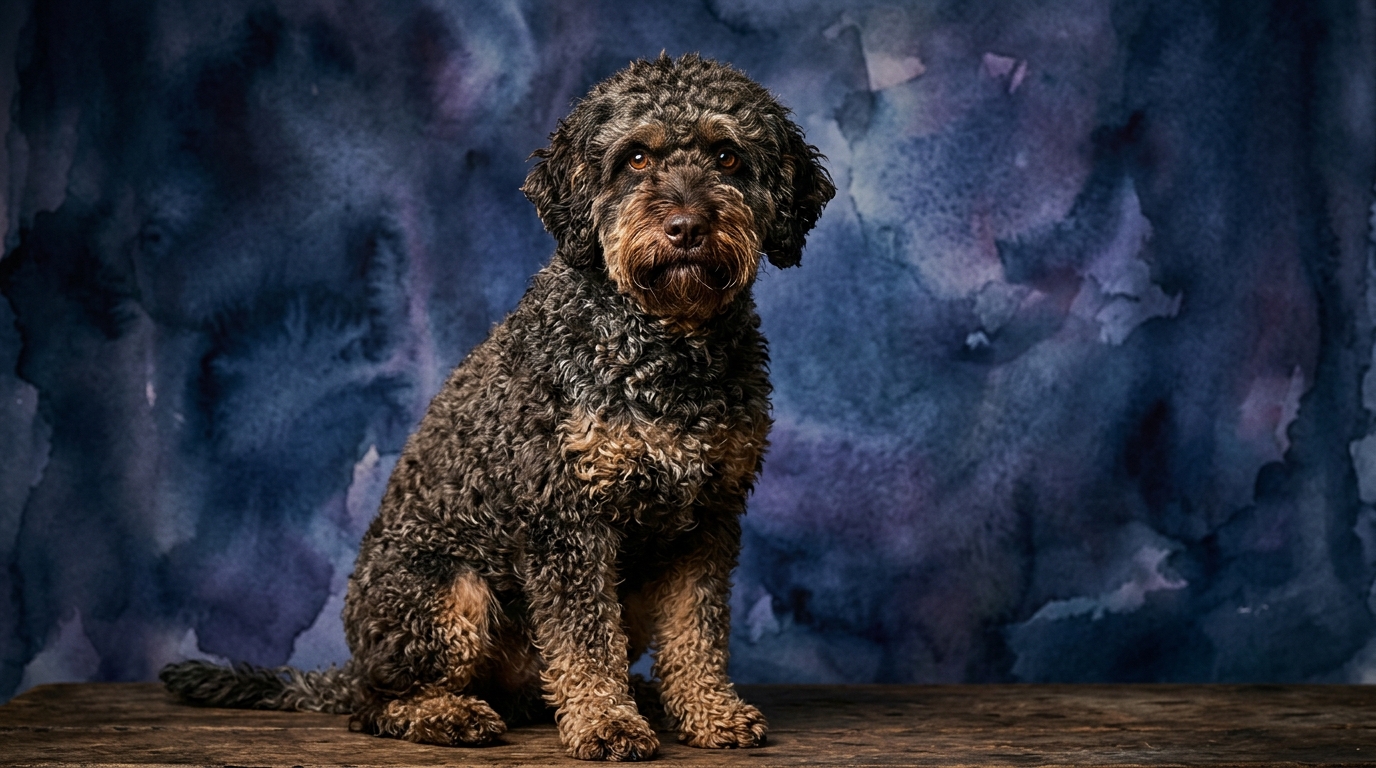
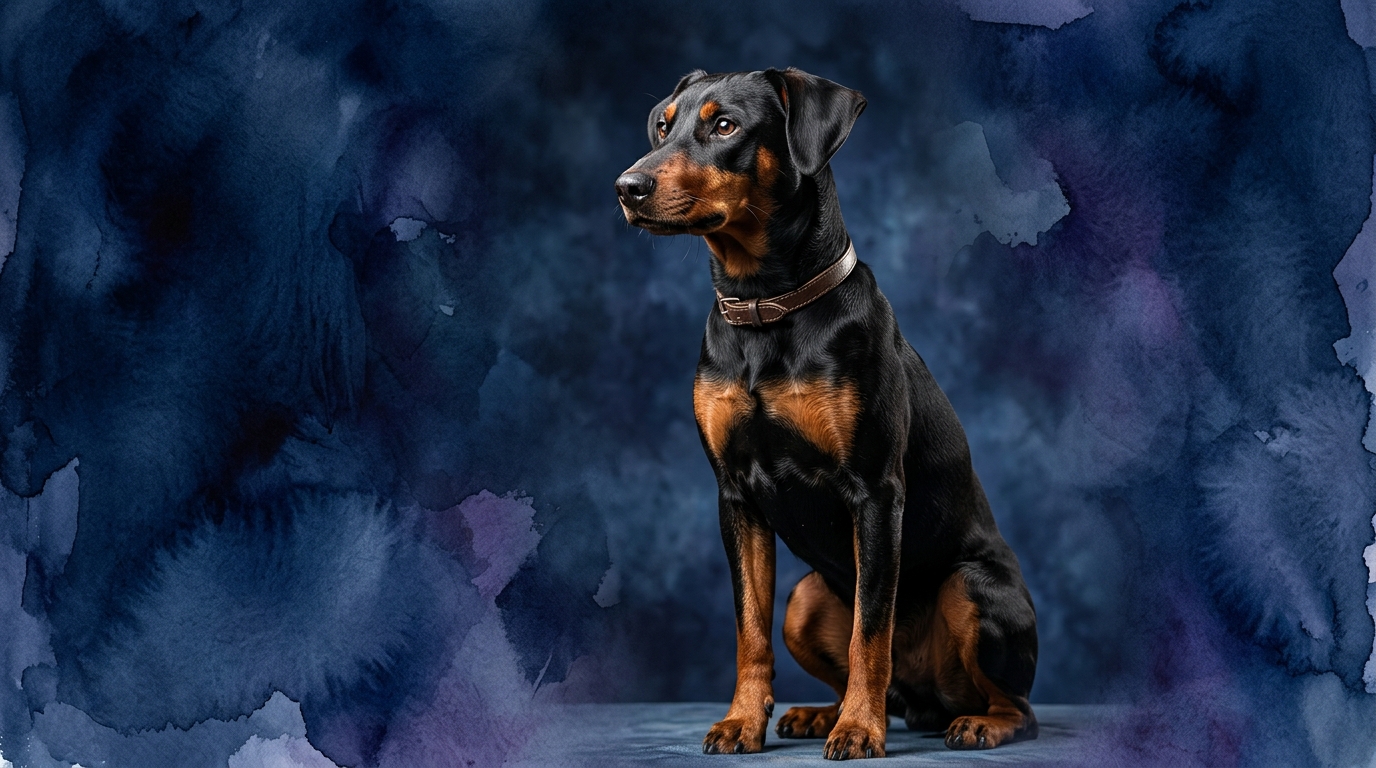
Side-by-Side IQ Profile: Herding Instinct Meets Working Drive
The Cosmic Pet Pet IQ Lab assesses five crucial dimensions of canine intelligence, and both the Spanish Water Dog (SWD) and the German Pinscher (GP) register a balanced 3/5 across the board. This identical scoring suggests a comparable baseline capacity for learning and adaptation, yet the *application* of this capacity is where their paths diverge. For the Spanish Water Dog, a Herding breed, a 3/5 in problem-solving indicates an aptitude for navigating complex, dynamic situations involving livestock, often requiring independent decision-making to manage a flock or herd. This is not about brute force problem-solving, but rather nuanced, adaptable thinking in a fluid environment.
Their 3/5 training speed suggests they are receptive learners, capable of absorbing new commands and routines at a moderate pace, particularly when tasks align with their natural herding instincts or provide a clear purpose. Social intelligence at 3/5 points to an ability to read cues from their human handlers and other animals, crucial for coordinating efforts in a working partnership. Instintive drive, also 3/5, highlights a robust inherent motivation to perform tasks related to their heritage, such as gathering or controlling movement. Finally, a 3/5 memory indicates they retain learned behaviors and social interactions effectively over time, essential for consistent performance in their roles.
The German Pinscher, a Working breed, also demonstrates a 3/5 in problem-solving, but their cognitive efforts are typically directed towards tasks like guarding, vermin control, or general utility. This 3/5 manifests as a determined approach to overcoming physical or environmental challenges to achieve a specific objective, often requiring focus and persistence rather than fluid adaptation. Their 3/5 training speed means they too are capable learners, readily picking up commands, though their strong will might sometimes require more consistent and engaging methods to maintain their attention and compliance. Social intelligence at 3/5 suggests they are adept at understanding their human family dynamics and can be discerning in their interactions with strangers, a trait valuable for a guardian.
Their 3/5 instinctive drive is channeled into protective behaviors, vigilance, and the pursuit of small prey, reflecting their historical duties. A 3/5 memory ensures they remember their training, routines, and who belongs to their inner circle, solidifying their role as a reliable family member and protector. While the numerical scores are identical, the underlying cognitive processes, shaped by centuries of selective breeding for specific functions, lead to distinct mental landscapes for these two fascinating breeds.
Where the Spanish Water Dog Wins Cognitively
While both breeds share a 3/5 across cognitive dimensions, the Spanish Water Dog's mental strengths truly shine in scenarios demanding adaptable, fluid intelligence within a dynamic environment. Their 3/5 problem-solving, when paired with their Herding group heritage, equips them for situations that are constantly changing, such as maneuvering livestock or navigating varied terrain. This means they excel at tasks requiring quick, independent judgments where a pre-programmed response isn't sufficient. Their cognitive edge lies in their capacity for improvisation and their ability to interpret subtle environmental shifts, making them adept at activities like agility or complex scent work where the 'rules' can shift.
The SWD's social intelligence, rated 3/5, often manifests as a nuanced understanding of group dynamics and a cooperative spirit when working alongside a handler, particularly in tasks that mimic their herding roots. They possess an intuitive grasp of positioning and movement, allowing them to anticipate and react with precision. Their memory (3/5) supports this by enabling them to recall complex sequences of actions or intricate layouts, which is crucial for mastering multi-stage tasks or remembering specific instructions over time, even if the context changes slightly.
Where the German Pinscher Wins Cognitively
The German Pinscher's cognitive advantages, despite identical 3/5 scores, are rooted in their Working breed background, emphasizing focused determination and a practical approach to challenges. Their 3/5 problem-solving excels in situations requiring persistent effort and strategic thinking to achieve a clear objective, such as figuring out how to access a desired item or patrolling a boundary effectively. They exhibit a cleverness geared towards overcoming obstacles with tenacity, often employing a systematic approach rather than spontaneous adaptation. This makes them particularly adept at tasks requiring consistent attention to detail and a strong drive to complete a mission, like advanced obedience or protection work.
The GP's instinctive drive (3/5) imbues their cognitive functions with a strong sense of purpose, often leading to a focused and unwavering approach to tasks, especially those involving vigilance or 'guarding' resources. Their memory (3/5) is particularly robust for recalling established routines, boundaries, and the specific individuals within their trusted circle, reinforcing their role as a reliable family guardian. This precise memory allows them to quickly identify deviations from the norm, an invaluable trait for their protective inclinations. Their social intelligence (3/5) often manifests as a discerning nature, making them excellent at evaluating situations and people, deciding who is friend or foe with notable clarity.
Which is Easier to Train and Why
Assessing which breed is 'easier' to train, given their identical 3/5 training speed, requires looking beyond raw learning capacity to their behavioral nuances and motivations. The Spanish Water Dog, while a moderately quick learner, often thrives on variety and engagement. Their herding background means they are typically eager to participate in activities that involve movement, problem-solving, and working in partnership. They can be sensitive to handler feedback and respond well to positive reinforcement methods that keep training sessions interesting and purposeful. Their adaptability in a herding context translates to an openness to different training approaches, provided they feel understood and stimulated. However, their independent streak, a hallmark of herding dogs, can sometimes mean they'll 'think for themselves' if not consistently guided, requiring a handler who can channel their cognitive energy effectively.
The German Pinscher, with its 3/5 training speed, also learns readily but brings a distinct intensity to the training process. They are often described as having a strong will and a confident demeanor, which can be both an asset and a challenge. They require a firm, consistent, and confident handler who establishes clear expectations from the outset. GPs respond well to structured training that provides mental stimulation and reinforces their natural drive to 'work' or have a job. Their discerning social intelligence means they form strong bonds with their primary handler, but can be less inclined to blindly follow commands from others. While they learn commands quickly, ensuring consistent execution can require more patience and a deeper understanding of their independent, sometimes stubborn, nature. Their focus on a task can be intense, but redirection might be needed if they lock onto something not part of the training plan. Therefore, while both learn at a similar rate, the SWD might be perceived as 'easier' for owners seeking a more cooperative and adaptable partner, while the GP requires an owner who appreciates and can harness a more resolute and independent spirit.
Which Suits Active Owners vs. Relaxed Owners
Neither the Spanish Water Dog nor the German Pinscher are truly suited for a relaxed, sedentary owner. Both breeds possess a 3/5 instinctive drive, indicating a significant need for physical activity and mental engagement, albeit expressed differently. The Spanish Water Dog, with its Herding heritage, thrives with active owners who can provide ample opportunities for physical exercise that engages their body and mind. Activities like hiking, swimming (they are naturally drawn to water), agility, or herding trials are ideal. They need a purpose, and without sufficient outlets for their energy and problem-solving skills, they can become bored and potentially destructive. An active owner for an SWD is someone who enjoys outdoor adventures and can incorporate their dog into a dynamic lifestyle, offering consistent mental challenges through training and interactive play. Their 3/5 social intelligence means they enjoy being part of family activities.
The German Pinscher, stemming from the Working group, also demands an active lifestyle, though their activities might lean more towards structured exercise and mental tasks that utilize their vigilance and determination. They excel in dog sports like obedience, rally, or even protection sports, which provide both physical exertion and mental discipline. Owners who are committed to consistent training, long walks, and engaging their GP in 'jobs' around the house or yard (like patrolling the perimeter, under supervision) will find a rewarding companion. A relaxed owner would quickly find a German Pinscher's 3/5 instinctive drive and problem-solving leading to self-directed activities, which might not always align with household rules. Both breeds require owners who understand the importance of mental and physical stimulation to prevent boredom and channel their inherent drives constructively. However, the SWD might be slightly more adaptable to varied outdoor activities, while the GP often appreciates more structured, goal-oriented engagement.
The Verdict
Choose the Spanish Water Dog if you are an active owner seeking a versatile, adaptable companion for dynamic outdoor activities and enjoy working with a dog that thrives on fluid problem-solving and cooperative partnership.
Opt for the German Pinscher if you are a confident, consistent owner who appreciates a resolute, discerning companion for structured training, protective roles, and activities that demand focused determination and a strong work ethic.
🧠 Find Your Pet's IQ Score
Our Pet IQ Lab assessment covers 25+ tests across 5 cognitive dimensions — personalized to your breed.
Take the Full IQ Test →Frequently Asked Questions
Do Spanish Water Dogs or German Pinschers learn commands faster?
Both the Spanish Water Dog and the German Pinscher have a training speed rating of 3/5, indicating they learn commands at a comparable, moderate pace. The perceived ease of training might vary based on their individual temperaments and the handler's ability to motivate them effectively, rather than a significant difference in their learning capacity.
Which breed is better at problem-solving?
Both breeds are rated 3/5 for problem-solving, but they apply this intelligence differently. The Spanish Water Dog excels at adaptive, fluid problem-solving in dynamic environments, while the German Pinscher's strength lies in persistent, focused problem-solving to achieve specific goals, reflecting their distinct historical roles.
Are these breeds suitable for first-time dog owners?
Neither breed is typically recommended for first-time dog owners due to their moderate IQ scores combined with strong instinctive drives and independent streaks. Both require consistent training, significant mental and physical stimulation, and an owner experienced in channeling their inherent working tendencies effectively.