Side-by-Side Cognitive Profile: SWD vs. GWP
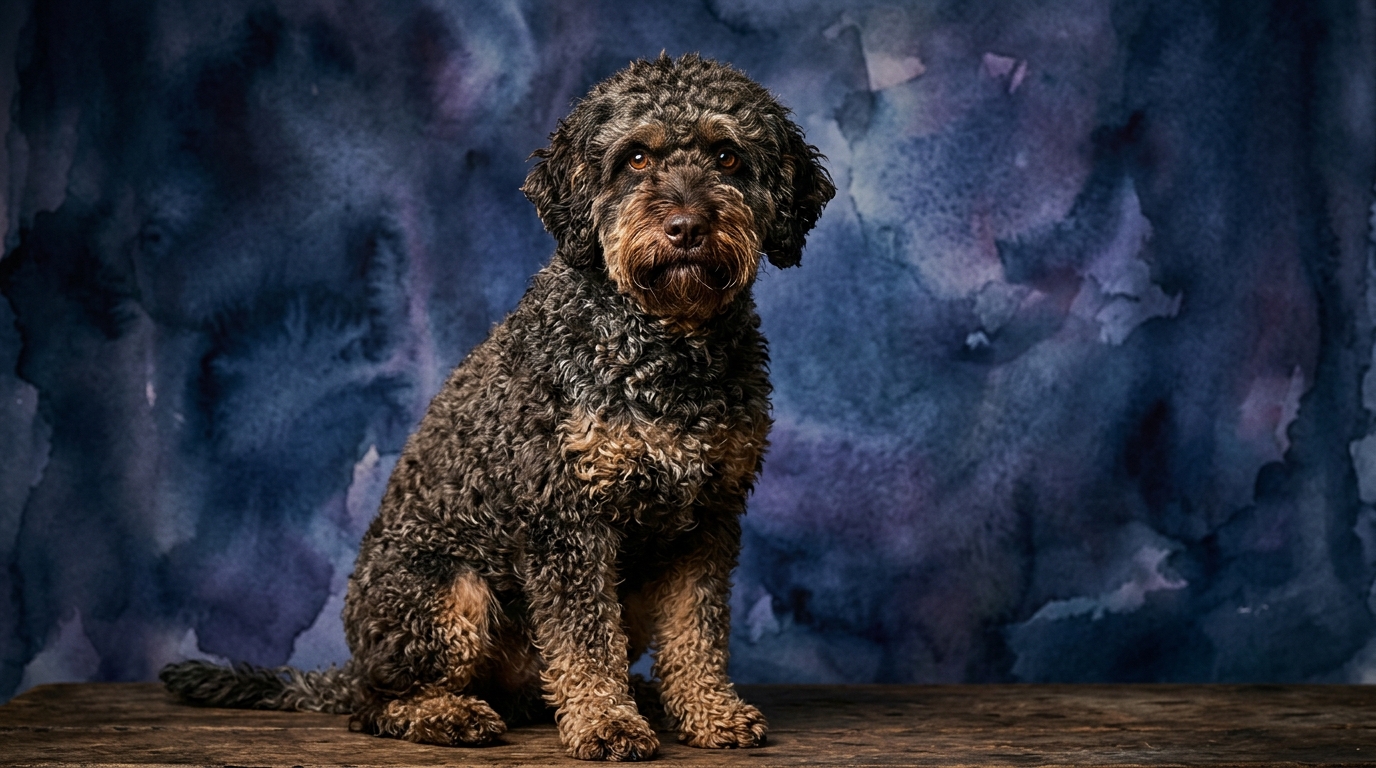
The Cosmic Pet Pet IQ Lab employs a five-dimensional framework to assess canine intelligence, offering a nuanced view beyond simple rankings. For the Spanish Water Dog, a Herding breed, we observe a balanced cognitive profile across the board. Their Problem Solving ability rates at 3/5, indicating a capacity for navigating moderately complex situations and finding solutions, often relying on their innate herding strategies. Training Speed is also 3/5, suggesting they grasp new commands and routines at a steady pace, requiring consistent and engaging instruction. Social Intelligence, at 3/5, points to a good understanding of human cues and pack dynamics, allowing them to integrate well into family life. Their Instinctive Drive, rated 3/5, reflects a strong, yet manageable, urge to herd and work, manifesting in vigilance and a desire for purpose. Finally, their Memory at 3/5 means they retain learned behaviors and experiences reliably over time, benefiting from regular reinforcement.
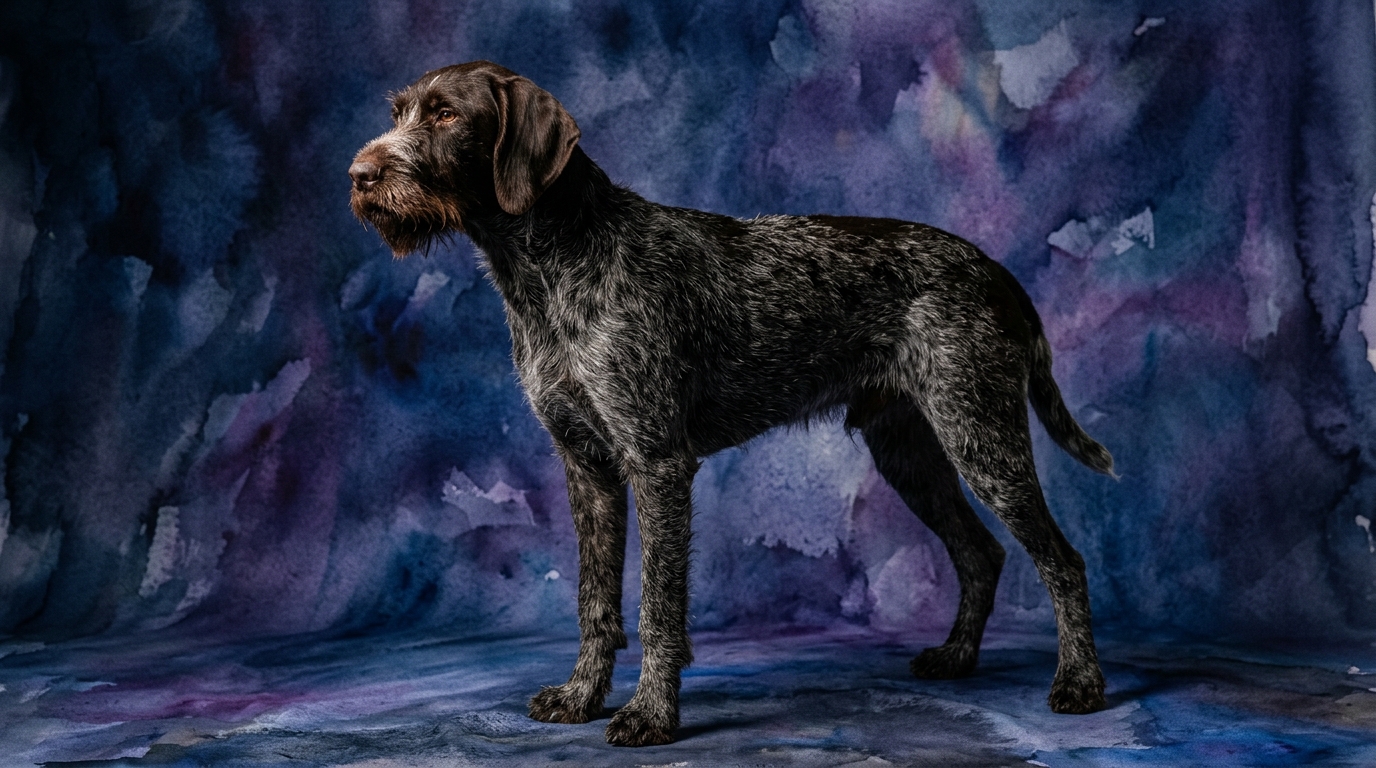
In contrast, the German Wirehaired Pointer, a Sporting breed, presents a profile with several elevated scores, reflecting their specialized working heritage. Their Problem Solving ability stands at 4/5, indicating a superior capacity to analyze complex scenarios, especially those involving tracking, retrieving, and navigating varied terrains during a hunt. Training Speed is notably higher at 4/5, meaning they typically acquire new commands and tasks very quickly, often needing fewer repetitions than many other breeds. Social Intelligence is rated 3/5, similar to the Spanish Water Dog, showing a solid aptitude for interpreting human communication and social structures. Their Instinctive Drive, also 3/5, points to a powerful, focused drive for pointing, retrieving, and scent work, deeply ingrained in their genetic makeup. Their Memory, at 4/5, is a significant asset, allowing them to recall intricate hunting patterns, scent trails, and extensive command sets with impressive accuracy, crucial for their demanding field work.
Where the Spanish Water Dog's Cognitive Profile Shines
While the German Wirehaired Pointer shows higher scores in certain areas, the Spanish Water Dog's balanced cognitive profile offers distinct advantages for specific owners and lifestyles. Their consistent 3/5 across all five dimensions suggests a versatile and adaptable mind. This breed's problem-solving, though not as rapid as the GWP's, is often applied in a more independent, observational manner, characteristic of herding dogs who must make decisions apart from direct human command. Their social intelligence, matching the GWP, allows for a strong bond with their family, often expressed through a deep loyalty and an intuitive understanding of household routines and emotional states.
The Spanish Water Dog's instinctive drive, rooted in herding, manifests as a desire to keep their 'flock' (family) together and safe. This translates into a vigilant nature and a keen awareness of their surroundings, making them excellent, self-appointed guardians. Their memory, while not top-tier, is robust enough to build a solid foundation of learned behaviors and tricks, fostering a responsive companion. This breed's overall cognitive balance means they are not overly dominant in any single mental faculty, offering a well-rounded and engaging canine partner that can excel in a variety of activities from agility to water work, thriving on consistent interaction and varied mental challenges.
Where the German Wirehaired Pointer Excels Cognitively
The German Wirehaired Pointer's cognitive strengths are evident in its elevated scores for problem-solving, training speed, and memory, making them a formidable partner for complex tasks. Their 4/5 problem-solving ability means they are adept at strategizing in dynamic environments, quickly assessing situations whether tracking game through dense cover or navigating an intricate agility course. This cognitive agility allows them to adapt rapidly to changing conditions and learn from experience, a critical trait for a versatile hunting dog.
The GWP's superior training speed (4/5) is a standout feature, indicating an eager and quick-witted learner. They typically pick up new commands and complex sequences with remarkable efficiency, often needing minimal repetition before mastering a skill. This rapid acquisition of knowledge, combined with their 4/5 memory, allows them to retain an extensive repertoire of commands and intricate routines. This strong memory is vital for remembering vast hunting territories, the location of fallen game, and the nuances of various training scenarios, making them exceptionally reliable in their working roles and a joy for experienced trainers who appreciate swift progress.
Training Dynamics: Which is Easier and Why?
When comparing trainability, the German Wirehaired Pointer generally presents as the 'easier' breed to train, primarily due to its higher Training Speed (4/5) and Memory (4/5). These traits mean a GWP typically grasps new commands and behaviors more rapidly and retains them longer, leading to quicker progress in formal training sessions. Their focused, task-oriented instinctive drive, honed for hunting, predisposes them to channel their energy into specific, directed activities, making them highly responsive to consistent, positive reinforcement methods aimed at achieving a goal.
The Spanish Water Dog, with a Training Speed of 3/5 and Memory of 3/5, is certainly trainable but often requires a more patient and engaging approach. Their herding background can instill a degree of independence and a tendency to think for themselves, sometimes presenting as a stubborn streak if not properly motivated. Training an SWD benefits from variety, short sessions, and making the learning process feel like a game, leveraging their social intelligence and desire for interaction. While they might take more repetitions to solidify a command than a GWP, their desire to please their 'flock' ensures they are capable learners with consistent effort and clear communication, but they may not offer the same swift obedience as their Sporting counterpart.
Suitability: Active Owners vs. Versatile Companions
Both the Spanish Water Dog and the German Wirehaired Pointer are breeds with significant energy and cognitive needs, making them unsuitable for truly 'relaxed' owners in the traditional sense. However, their specific requirements cater to different types of active lifestyles. The German Wirehaired Pointer thrives with owners who can provide structured, purposeful activity that engages their strong instinctive drive for hunting, tracking, and retrieving. They excel in environments where they can burn off energy through long hikes, field work, or competitive dog sports like hunt tests and agility. Their superior problem-solving and memory make them excellent partners for owners who enjoy teaching complex skills and engaging in mentally stimulating tasks that require focus and endurance. They are best suited for individuals or families who embrace an intensely active outdoor lifestyle and are prepared to dedicate substantial time to training and exercise.
The Spanish Water Dog, while equally energetic, leans towards owners who appreciate a versatile, interactive companion. Their herding drive means they enjoy activities that involve 'managing' their environment or family, such as playing fetch, participating in dog sports like agility and flyball, or accompanying owners on varied outdoor adventures. They are very people-oriented and thrive on being included in family activities, often acting as a shadow. Their balanced cognitive profile makes them adaptable to a range of challenges, but they require consistent mental engagement to prevent boredom, which can lead to inventive, sometimes undesirable, self-employment. Owners who enjoy a dog that is always ready for an adventure, but also appreciates interactive play and a strong bond, will find an SWD a rewarding companion, provided they can meet their substantial exercise and mental stimulation needs through varied activities.
The Verdict
Choose the Spanish Water Dog if you seek a balanced, versatile companion who thrives on interactive engagement and offers a strong, loyal bond, provided you can meet their consistent need for physical and mental stimulation with varied activities.
Opt for the German Wirehaired Pointer if you desire a highly trainable, focused partner for intense outdoor activities and complex tasks, appreciating their quick learning and impressive memory for dedicated working or sporting endeavors.
🧠 Find Your Pet's IQ Score
Our Pet IQ Lab assessment covers 25+ tests across 5 cognitive dimensions — personalized to your breed.
Take the Full IQ Test →Frequently Asked Questions
Do Spanish Water Dogs or German Wirehaired Pointers shed?
The Spanish Water Dog possesses a unique single coat that is woolly and curly, which corded naturally if left untrimmed, and sheds minimally. The German Wirehaired Pointer has a dense, wiry outer coat and a soft undercoat, which sheds seasonally but typically less than smooth-coated breeds.
Which breed is better with children?
Both breeds can be good with children when properly socialized from a young age and raised in a household that respects their boundaries and energy levels. The Spanish Water Dog's herding instinct might lead to nipping at heels if not managed, while the German Wirehaired Pointer's robust energy requires supervision to prevent accidental knocks during play.
Are these breeds suitable for apartment living?
Neither the Spanish Water Dog nor the German Wirehaired Pointer is ideally suited for apartment living due to their high energy levels and need for extensive physical and mental exercise. They thrive in homes with secure yards and owners committed to providing ample outdoor activity and consistent stimulation to prevent boredom and destructive behaviors.