Side-by-Side IQ Profile: Spanish Water Dog vs. Harrier
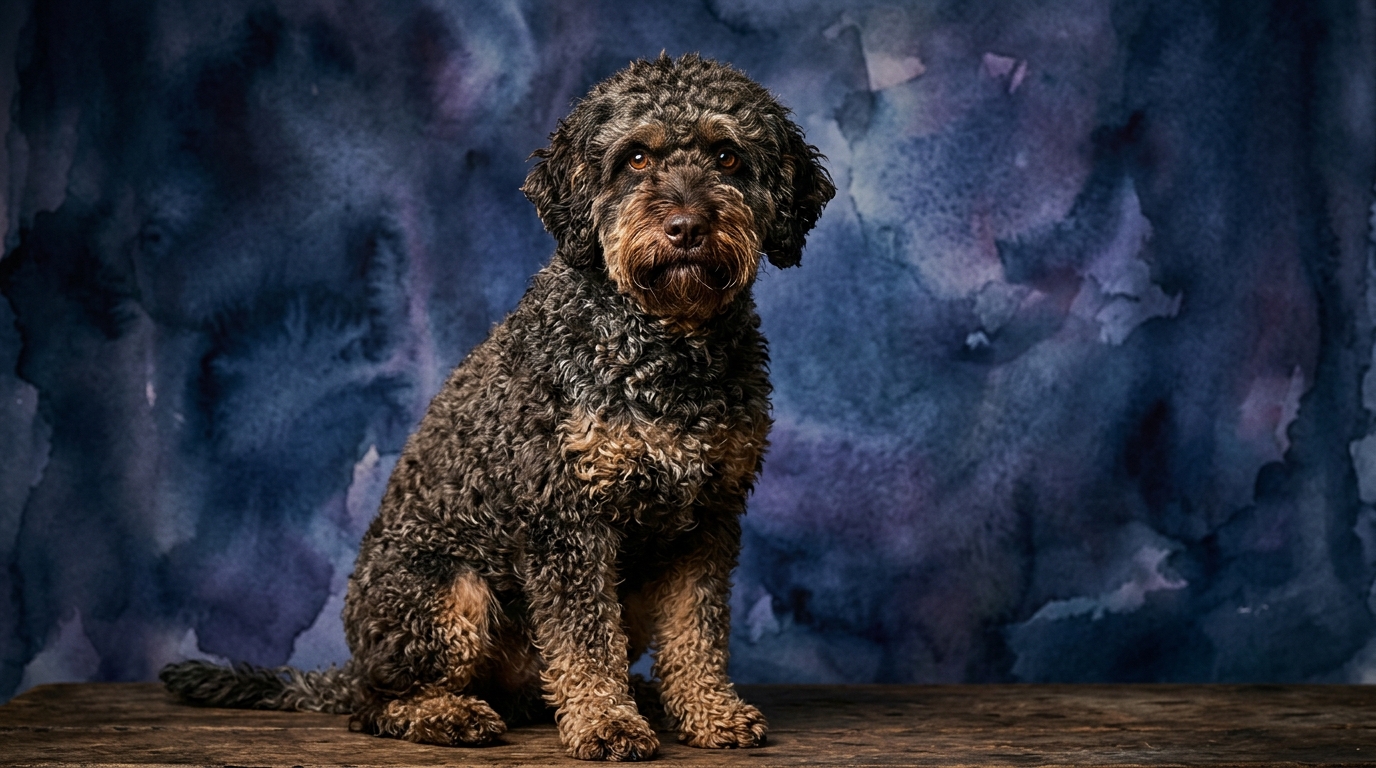
**Spanish Water Dog (Herding Group)**: This versatile breed, originating from Spain, is a robust working dog with a distinctive curly coat. Their cognitive profile reflects their heritage as herders and water retrievers.
**Problem Solving (3/5):** The Spanish Water Dog displays practical, adaptable problem-solving, honed by its herding history. They excel at interpreting environmental cues to manage livestock or navigate complex terrain, translating to a daily aptitude for household puzzles or devising strategies to retrieve objects. Their approach often involves keen observation of human behavior to solve challenges collaboratively.
**Training Speed (3/5):** This breed learns commands efficiently, but their training speed is balanced by an inherent independence and strong will. They absorb new information quickly, especially when tasks are engaging and align with their desire to work. However, their intelligence means they can bore with repetition, demanding varied, stimulating methods for consistent engagement and learned behavior application.
**Social Intelligence (3/5):** Forming deep bonds with their primary family, SWDs show high attunement to human emotions and intentions. Their social intelligence manifests in a protective yet sensitive nature, reading subtle human body language. With strangers, they tend to be reserved, observing before engaging, prioritizing their inner circle and understanding social boundaries.
**Instinctive Drive (3/5):** The Spanish Water Dog possesses a robust instinctive drive, expressed through herding capabilities, water retrieving passion, and guarding tendencies. This strong internal motivation means they seek purpose and outlets for their energy. Properly channeled, their drive is a powerful training asset, but unmanaged, it can lead to "herding" family members or chasing.
**Memory (3/5):** Their memory is excellent for retaining learned commands, routines, and familiar territory layouts. They recall specific training sequences and complex tasks even after periods, allowing them to build upon past experiences. This consistency is particularly strong for tasks related to their working roles.
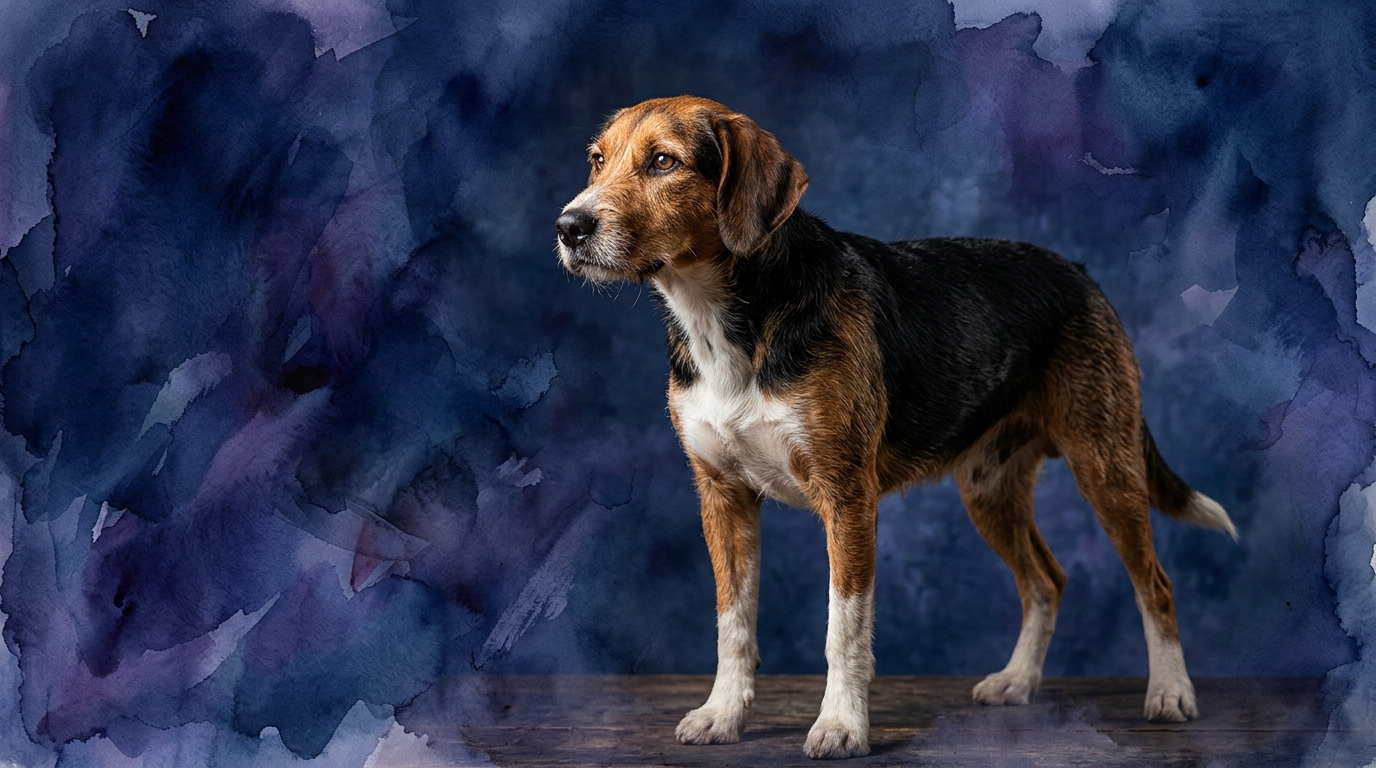
**Harrier (Hound Group)**: A medium-sized scent hound with a long history as a hunting companion, the Harrier's cognitive traits are deeply entwined with its purpose of tracking game.
**Problem Solving (3/5):** The Harrier's problem-solving skills are finely tuned to the complexities of the hunt. Their intelligence shines in following intricate scent trails, navigating obstacles like streams or dense undergrowth to pursue quarry. This involves spatial reasoning and persistent deduction to overcome environmental challenges, demonstrating a focused, goal-oriented approach driven by their nose.
**Training Speed (3/5):** Harriers learn at a moderate pace, but their training speed is heavily influenced by their powerful, independent scent drive. While they grasp commands, their primary motivation often lies in pursuing an interesting smell over immediate handler obedience. Training demands immense patience, creativity, and high-value rewards to compete with their instincts.
**Social Intelligence (3/5):** As pack hounds, Harriers possess a distinct social intelligence geared towards canine companionship and group dynamics. They thrive in multi-dog households and understand pack structure. With humans, they are generally affectionate, but their social interactions can be secondary to olfactory pursuits outdoors. They appreciate human connection, often expressed through physical closeness.
**Instinctive Drive (3/5):** The Harrier's instinctive drive is overwhelmingly dominated by its unyielding prey drive and exceptional scenting ability. Bred for endurance and tracking, they possess an almost obsessive focus on following a trail. This profound drive fuels their boundless energy and determination, making them persistent workers but requiring extensive management to prevent wandering.
**Memory (3/5):** Harriers possess a remarkable memory for scent information, recalling distinct profiles of various animals and successful hunting ground topography. While remembering routines and commands, their memory truly excels in recalling environmental details pertinent to hunting, such as where a specific scent was encountered or territory layout for tracking.
Where the Spanish Water Dog Wins Cognitively
The Spanish Water Dog truly shines in cognitive flexibility and its capacity for handler-oriented problem-solving. While both breeds score 3/5, the SWD’s problem-solving is often directed towards cooperative tasks, making them adept at understanding and executing complex multi-step commands from a human. Their herding background instills a desire to work *with* a partner, leading to a more collaborative approach to challenges, whether it's navigating an agility course or learning intricate tricks.
Furthermore, their social intelligence, also rated 3/5, often translates into a deeper emotional attunement to their human companions. They are more likely to pick up on subtle changes in tone or body language, adjusting their behavior accordingly. This makes them exceptionally responsive in situations requiring nuanced communication, fostering a strong, almost intuitive partnership where the dog anticipates the handler's next move. This collaborative spirit provides a distinct cognitive edge in a domestic setting.
Where the Harrier Wins Cognitively
The Harrier's cognitive strengths lie profoundly in its specialized sensory intelligence and unwavering persistence, particularly concerning its olfactory capabilities. While both breeds have 3/5 in problem-solving, the Harrier’s brain is a marvel of scent processing, allowing it to interpret a world of invisible information that humans cannot access. Their ability to follow a "cold" trail, differentiate between countless smells, and maintain focus on a single scent for hours is a testament to a unique form of cognitive dedication that few breeds can match.
Their instinctive drive, also 3/5, coupled with this advanced sensory processing, gives them an unparalleled advantage in tasks requiring stamina and single-minded pursuit. They excel in situations where a goal needs to be relentlessly pursued, ignoring distractions. This deep-seated drive translates into an incredible capacity for endurance and an almost automatic decision-making process when on a scent, making them supremely efficient at their intended purpose and demonstrating a different, yet equally impressive, kind of cognitive prowess.
Which is Easier to Train and Why?
When considering ease of training, the Spanish Water Dog generally presents a more straightforward path for the average owner. Their herding lineage means they are often eager to please and possess a natural inclination to work in partnership with their handler, even with their independent streak. While they require mental stimulation and consistent methods, their motivation often aligns with human direction, making them more receptive to traditional obedience and sport training.
The Harrier, conversely, can pose a greater challenge due to its powerful, independent scent drive. Their 3/5 training speed is often overshadowed by their primary instinct to follow a scent, which can make them seem less biddable or easily distracted. Training a Harrier demands exceptional patience, creativity, and a deep understanding of their hound nature, often requiring high-value rewards and engaging, scent-based games to compete with their natural inclinations. They are not less capable of learning, but their motivations are fundamentally different.
Which Suits Active Owners vs. Relaxed Owners?
Neither the Spanish Water Dog nor the Harrier is suitable for relaxed owners; both require significant daily activity and mental engagement. The Spanish Water Dog thrives with active owners who can provide consistent mental challenges, such as agility, obedience, or dog sports, alongside ample physical exercise. They need a job to do, whether it's herding, retrieving, or complex puzzle solving, preferring activities that involve their human companion. Their energy is directed and cooperative.
The Harrier, however, demands a different type of active owner – one prepared for long, vigorous walks, runs, or hikes, ideally with opportunities for safe off-leash exploration in secure areas where their nose can lead. Their endurance is formidable, and their need for scent work is paramount. They excel with owners who appreciate their independent spirit and can provide outlets for their strong prey drive, possibly through tracking or lure coursing, often thriving in multi-dog households where they can engage in pack dynamics.
The Verdict
Choose the Spanish Water Dog if you seek a highly engaged, cooperative canine partner for diverse activities, valuing emotional attunement and a dog eager to learn complex tasks alongside you.
Opt for the Harrier if you are an endurance enthusiast, passionate about scent work, and ready to embrace a tenacious, independent hound whose joy comes from following its nose and thriving in a pack environment.
🧠 Find Your Pet's IQ Score
Our Pet IQ Lab assessment covers 25+ tests across 5 cognitive dimensions — personalized to your breed.
Take the Full IQ Test →Frequently Asked Questions
Do Spanish Water Dogs need to herd to be happy?
While a strong instinct, actual herding isn't mandatory. They thrive on having a "job" that engages their mind and body, such as agility, obedience, or retrieving. Consistent mental stimulation and physical exercise are key to their well-being.
Can a Harrier live in an apartment?
A Harrier *can* live in an apartment if its significant exercise and mental stimulation needs are met daily. This means multiple long walks, runs, or dedicated scent work sessions, as their endurance and drive are substantial. A secure yard is always beneficial, but not strictly necessary if other outlets are provided.
Are Spanish Water Dogs good with children?
Spanish Water Dogs can be wonderful family dogs, often forming strong bonds with children within their immediate family. However, their herding instinct can sometimes lead them to "herd" children, so supervision and early training are essential to teach appropriate interactions. They are generally protective and loyal.