Side-by-Side Cognitive Profiles
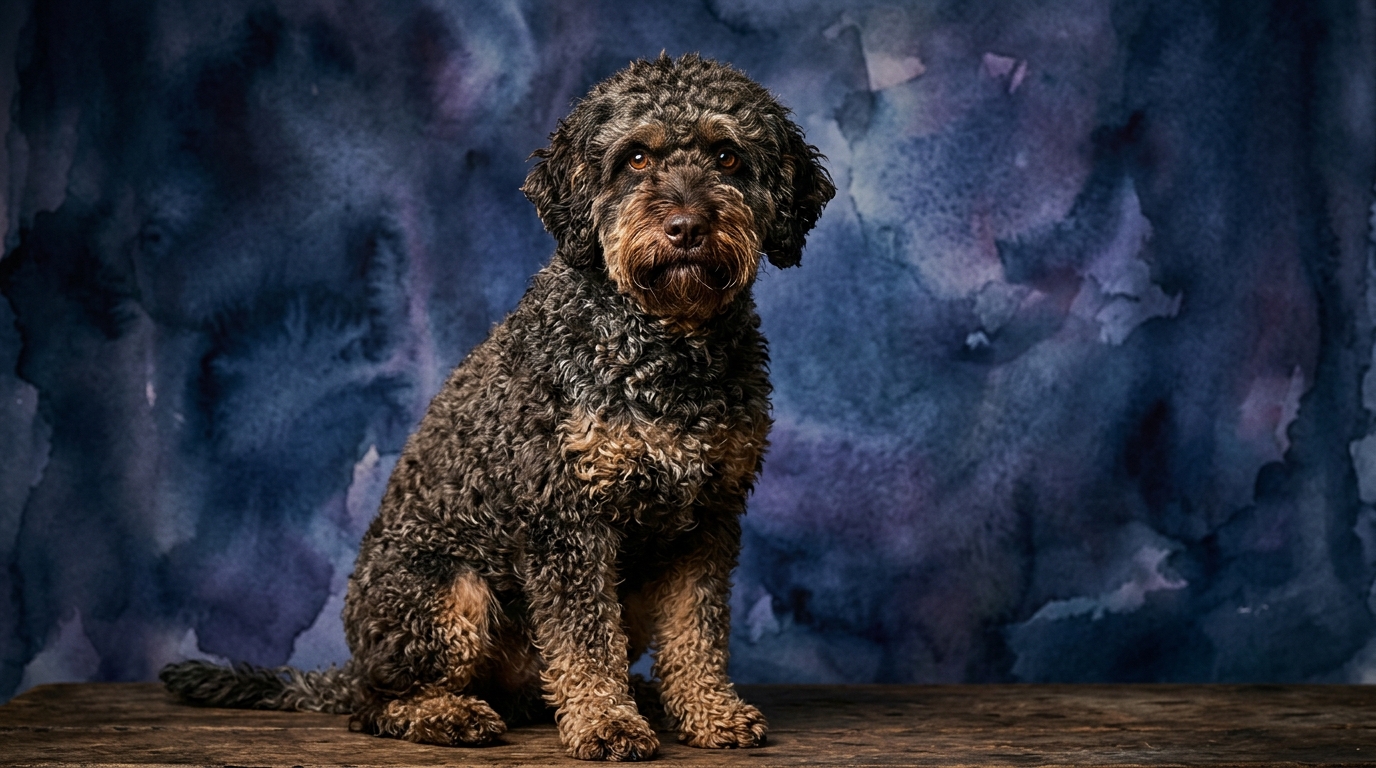
The Spanish Water Dog (SWD), a member of the Herding group, presents a balanced cognitive profile. Their Problem Solving, rated 3/5, manifests as practical adaptability in dynamic situations, such as maneuvering livestock or navigating complex terrain to complete a task. Training Speed, also 3/5, indicates a capacity for learning new commands and routines with moderate repetition, often motivated by a desire for partnership and purpose. Social Intelligence, at 3/5, reflects an aptitude for reading human intent and group dynamics, essential for cooperative work, and an ability to form strong bonds within their family unit. Their Instinctive Drive, 3/5, is characterized by a pronounced herding instinct, a desire to work, and a strong affinity for water, often expressed through focused attention and a need for mental engagement. Lastly, Memory, rated 3/5, allows them to retain complex sequences of commands, recall specific locations, and remember routines over extended periods, contributing to their reliability in learned tasks.
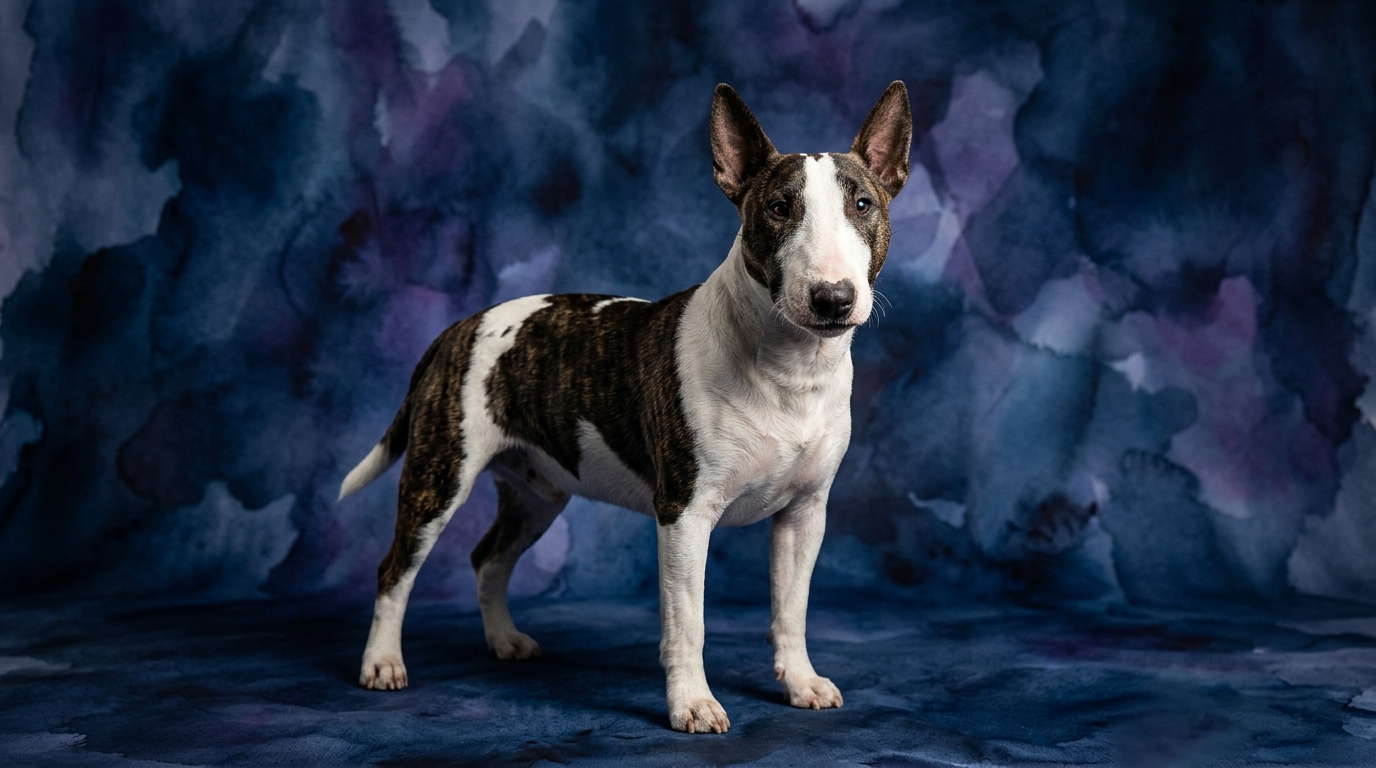
The Miniature Bull Terrier (MBT), from the Terrier group, shares the same numerical ratings across cognitive dimensions but expresses them through a different behavioral lens. Their Problem Solving, 3/5, is demonstrated through resourcefulness in overcoming obstacles to achieve a goal, whether it's accessing a desired item or figuring out a puzzle toy, often with a determined and persistent approach. Training Speed, 3/5, suggests they can grasp new concepts efficiently, but their independent nature means engagement and consistent, positive reinforcement are key to maintaining focus and willingness to comply. Social Intelligence, 3/5, shows an ability to discern social hierarchies and individual personalities, both canine and human, and to navigate interactions with a confident, sometimes assertive, demeanor. Their Instinctive Drive, 3/5, is marked by a strong prey drive, a persistent digging instinct, and a spirited, sometimes stubborn, independence, reflecting their badger-hunting ancestry and robust terrier nature. Memory, also 3/5, enables them to recall past experiences, learned boundaries, and preferred routines, though their independent streak might sometimes lead them to 'selectively' apply what they remember based on their current motivation.
Where the Spanish Water Dog Wins Cognitively
The Spanish Water Dog's cognitive strengths particularly shine in scenarios demanding cooperative effort and environmental responsiveness. Their 3/5 problem-solving, coupled with their herding background, means they excel at tasks requiring them to anticipate and react to changing variables, such as navigating an agility course with precision or adapting to new training cues on the fly. This breed often demonstrates a remarkable capacity for understanding complex, multi-step commands, interpreting subtle body language, and working alongside their human partners to achieve a shared objective. Their social intelligence, also rated 3/5, is geared towards partnership, making them adept at mirroring human emotions and intentions, which translates into a more intuitive and symbiotic working relationship. This cognitive architecture allows them to integrate seamlessly into family routines, often acting as vigilant, yet sensitive, participants in daily life.
Where the Miniature Bull Terrier Wins Cognitively
The Miniature Bull Terrier, with its 3/5 problem-solving and memory, showcases a different but equally compelling set of cognitive advantages. Their historical role as vermin hunters and companions in various sports has honed a tenacious and inventive intellect. They excel at independent problem-solving, often finding creative, sometimes mischievous, ways to overcome obstacles to reach a desired outcome, whether it's figuring out how to open a cupboard or outsmarting a puzzle toy. Their strong instinctive drive (3/5) fuels a relentless persistence, allowing them to focus intently on a task, even if it requires significant effort or patience. This determination, combined with their memory, means once they've learned a strategy that works for them, they are likely to repeat it. Their social intelligence, while also 3/5, leans towards understanding individual motivations and navigating social dynamics with a confident self-assurance, often allowing them to hold their own in diverse social settings.
Training Dynamics: Which is Easier and Why
Despite both breeds scoring 3/5 in training speed, the Spanish Water Dog generally presents as easier to train for obedience and cooperative tasks due to fundamental differences in their inherent motivations and behavioral patterns. The SWD's herding heritage instills a strong desire to work in partnership and a natural inclination towards biddability. They often seek to please their human companions and thrive on having a purpose, making them highly receptive to instruction, especially when training involves engaging their intellect and physical capabilities. Their social intelligence supports this by making them keen observers of human cues, allowing them to pick up on subtle signals during training sessions.
The Miniature Bull Terrier, conversely, while capable of learning quickly, often requires a more nuanced and patient training approach. Their terrier independence and robust, self-assured nature mean they can be easily bored by repetitive drills or may choose to disregard commands if they don't perceive a compelling reason to comply. Training an MBT necessitates creativity, variety, and a deep understanding of positive reinforcement to keep them engaged and motivated. While they possess excellent memory, they may 'selectively' recall commands based on their current interest, presenting a unique challenge that requires a handler who appreciates their spirited autonomy and can make training feel like a game or an exciting challenge rather than a chore.
Matching Breeds to Owner Lifestyles
For owners seeking an active and engaged canine partner, both breeds offer considerable appeal, but for different reasons. The Spanish Water Dog is an excellent match for individuals or families who enjoy outdoor activities such as hiking, swimming, agility, or dog sports. Their energetic nature, combined with their desire for mental stimulation and a clear purpose, means they thrive on consistent exercise and training that challenges both their body and mind. They are typically keen participants in adventures, eager to explore and work alongside their humans. Their adaptability makes them suitable for a variety of active lifestyles, from rural living to suburban homes with ample outdoor access.
The Miniature Bull Terrier also possesses significant energy and a need for mental engagement, making them suitable for active owners who appreciate a dog with a distinct personality and a robust constitution. However, their activity tends to be more bursts of intense play and exploration rather than sustained, focused work like the SWD. They enjoy vigorous games, long walks, and opportunities to investigate their environment. For more relaxed owners, neither breed is truly a 'couch potato.' An SWD might adapt better to a slightly less active household if provided with ample mental enrichment and consistent, shorter bursts of physical activity. An MBT, while enjoying downtime, still requires regular, structured outlets for their energy and strong will, and a relaxed owner might find their independent problem-solving skills applied to less desirable pursuits if not properly channeled. Ultimately, both thrive with active engagement, but the *type* of activity and interaction differs.
The Verdict
Opt for the Spanish Water Dog if you seek a cooperative, versatile, and highly biddable partner eager to learn and participate in a wide range of activities, thriving on purpose and clear direction. They are ideal for owners who appreciate a dog that integrates seamlessly into a structured, active lifestyle and enjoys working alongside them.
Select the Miniature Bull Terrier if you are drawn to a confident, spirited, and tenacious companion with an independent streak, who will challenge and entertain you with their clever problem-solving and robust personality. They suit experienced owners who can provide consistent, engaging training and appreciate a dog that approaches life with determined enthusiasm.
🧠 Find Your Pet's IQ Score
Our Pet IQ Lab assessment covers 25+ tests across 5 cognitive dimensions — personalized to your breed.
Take the Full IQ Test →Frequently Asked Questions
Do Spanish Water Dogs have a stronger herding instinct than Miniature Bull Terriers have a prey drive?
Both breeds exhibit strong instinctive drives, rated 3/5. The Spanish Water Dog's drive is primarily focused on herding, manifesting as a desire to gather, control, and work cooperatively. The Miniature Bull Terrier's drive is centered on prey, leading to persistence in chasing, digging, and independent exploration.
Which breed is better with children, considering their social intelligence?
Both breeds, with 3/5 social intelligence, can be good with children, but require proper socialization and supervision. The Spanish Water Dog's cooperative nature may lead to more gentle interactions, while the Miniature Bull Terrier's robust play style and independent spirit might require more careful management to ensure harmonious play.
Do the similar IQ scores mean they are equally easy to live with for a first-time dog owner?
While their IQ scores are numerically similar, their inherent breed characteristics mean they are not equally easy for a first-time owner. The Spanish Water Dog's biddability and desire to please generally make them more forgiving for novices, whereas the Miniature Bull Terrier's independent and strong-willed nature often requires more experience in consistent training and management.