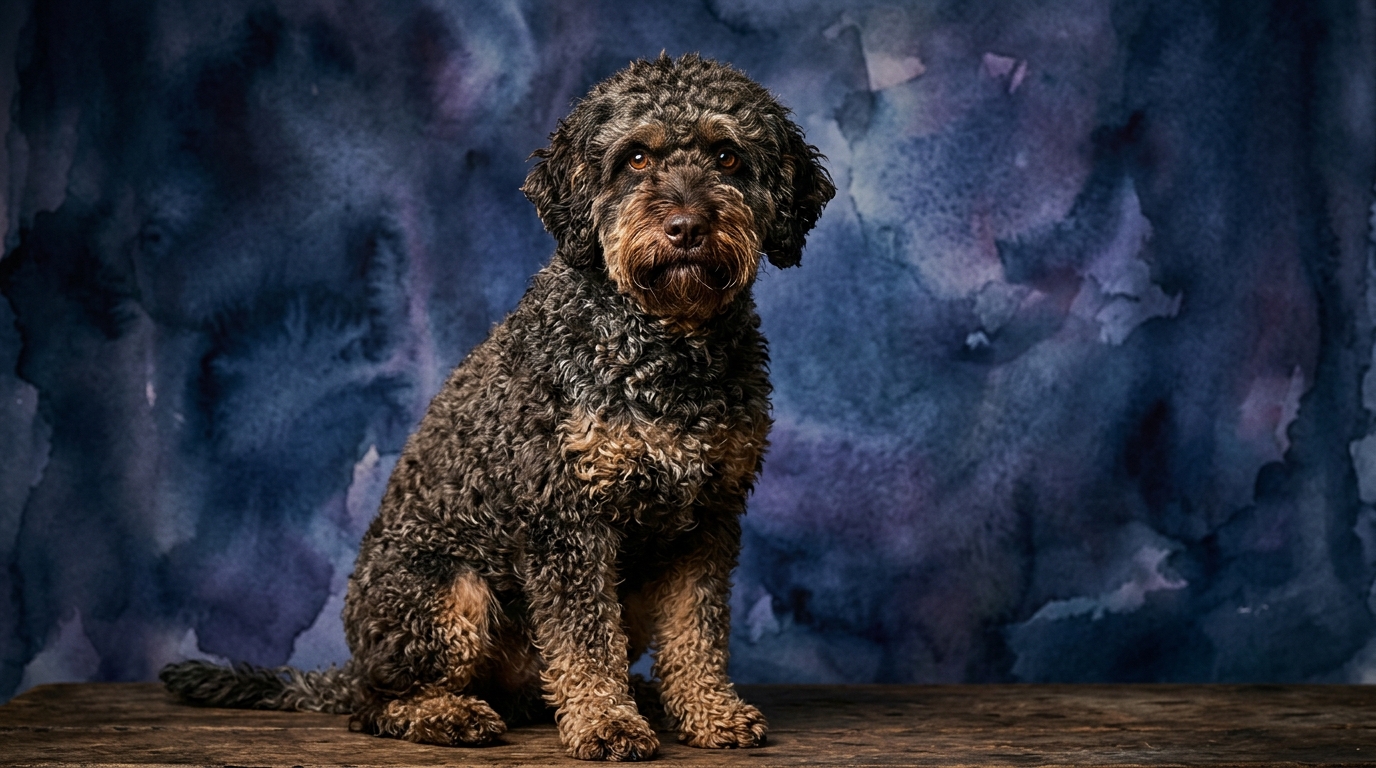
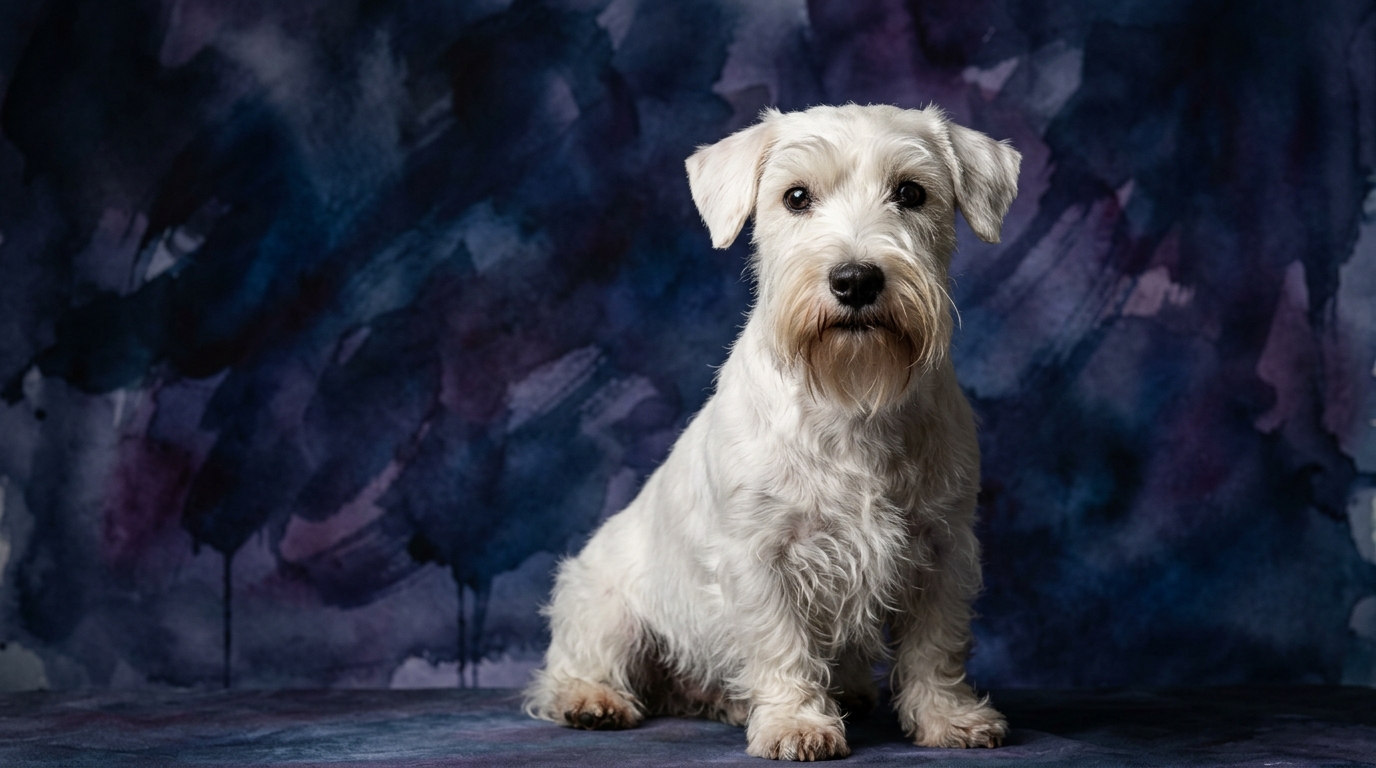
Side-by-Side IQ Profile: Spanish Water Dog vs. Sealyham Terrier
The Spanish Water Dog, a breed steeped in herding traditions, exhibits a Problem Solving score of 3/5, manifesting as an ability to navigate complex environmental scenarios, often involving livestock or multi-step tasks. Their solutions tend to be practical and efficient within a structured context, focused on achieving a clear objective set by their handler or the task itself. Training Speed, also at 3/5, reflects their moderate learning curve for new commands and routines, particularly when the training aligns with their inherent desire for purpose and cooperation. They grasp concepts related to direction and control with good consistency.
Their Social Intelligence, rated 3/5, is a cornerstone of their working heritage, enabling them to keenly read human cues, understand group dynamics, and integrate seamlessly into a working partnership. This facilitates strong bonds and an understanding of their place within a family or work unit. An Instinctive Drive of 3/5 is deeply rooted in their herding origins, driving them to manage, gather, and protect, which translates into a strong desire for engagement and a need to apply their cognitive skills. Finally, their Memory, also 3/5, is robust for recalling specific tasks, learned routines, and the layout of familiar environments, crucial for their historical roles and daily life interactions.
Sealyham Terrier: An Independent Spirit's Cognitive Landscape
The Sealyham Terrier, a tenacious member of the Terrier group, also possesses a Problem Solving score of 3/5, but this manifests quite differently, often in the context of independent pursuit and overcoming obstacles. Their solutions are frequently ingenious and persistent, focused on achieving self-motivated goals like navigating tight spaces or outmaneuvering perceived 'prey.' Their Training Speed, at 3/5, indicates a moderate learning pace; however, their independent streak means that successful training often requires engaging methods that feel like a game or a challenge, rather than mere rote instruction, to maintain their interest and cooperation.
Their Social Intelligence, also 3/5, is characterized by keen observation of their surroundings and family dynamics, though their interactions can be more discerning and sometimes self-serving compared to more overtly cooperative breeds. They understand their place but may prioritize their own agenda. An Instinctive Drive of 3/5 is powerfully expressed through their strong prey drive, digging instincts, and tenacious spirit, fueling their persistence in problem-solving and exploration. Their Memory, rated 3/5, is particularly sharp for recalling locations of interest, past challenges, and rewarding experiences, which supports their independent hunting and exploratory behaviors.
Where the Spanish Water Dog Wins Cognitively
While both breeds share identical Pet IQ Lab scores across dimensions, the Spanish Water Dog often excels in cognitive areas demanding cooperative effort and precise execution under human direction. Their inherent herding instincts hone their ability to anticipate movements, understand complex sequences of commands, and adapt dynamically within a structured task, making them adept at multi-step problem-solving that benefits from human guidance. This includes tasks requiring the precise manipulation of objects or the coordinated movement of 'flocks,' even if those 'flocks' are family members or toys. Their social intelligence is specifically geared towards collaboration, allowing them to interpret subtle cues and adjust their behavior to maintain harmony and achieve a shared objective more readily.
Where the Sealyham Terrier Wins Cognitively
Conversely, the Sealyham Terrier's cognitive strengths shine brightest in scenarios demanding independent thought, unwavering persistence, and ingenious solutions to self-motivated challenges. Their terrier heritage has cultivated a mind that is exceptionally adept at strategizing to overcome obstacles without constant human oversight, whether it's figuring out how to bypass a gate, access a hidden treat, or investigate an intriguing scent. Their problem-solving is often characterized by a tenacious trial-and-error approach, coupled with an excellent memory for what *didn't* work, allowing them to refine their tactics. This self-reliance and creative resourcefulness in pursuing their own agenda is a distinct cognitive advantage, making them formidable puzzle-solvers on their own terms.
Ease of Training: Behavioral Nuances
When it comes to traditional obedience and structured learning, the Spanish Water Dog is generally perceived as more straightforward to train, not because of superior raw intelligence, but due to their cognitive predisposition for cooperation. Their 3/5 social intelligence and instinctive drive are oriented towards working *with* a handler, seeking purpose, and understanding their role within a human-led team. They respond well to consistent direction and find satisfaction in performing tasks as instructed, making them receptive to cues that manage movement and direct their focus. This natural inclination to collaborate means they often learn commands and routines with fewer repetitions, as they are inherently motivated to engage in a partnership.
The Sealyham Terrier, while equally capable of learning with its 3/5 training speed, can present a more nuanced training experience due to its independent streak and strong, self-directed instinctive drive. Their problem-solving skills are often applied to their *own* objectives, meaning they might question the 'why' behind a command if it doesn't immediately align with their interests. Successful training often requires a creative approach, transforming commands into engaging games or challenges that appeal to their inherent tenacity and desire to 'win.' Consistency, high-value rewards, and making the training feel like a puzzle they are solving, rather than just following orders, are key to harnessing their cognitive abilities effectively. Their focus may shift more readily if not consistently engaged.
Matching Canine Cognition to Owner Lifestyle
The Spanish Water Dog, with its 3/5 instinctive drive and problem-solving capacity geared towards engagement, thrives with active owners who can provide consistent mental and physical stimulation. They are not content to be mere couch potatoes; their cognitive profile demands structured activities, advanced obedience, or participation in dog sports that tap into their desire for purpose and collaboration. Owners who enjoy hiking, swimming, or training for various canine disciplines will find a highly engaged and cooperative companion in the Spanish Water Dog, as their social intelligence means they genuinely enjoy being an active participant in family adventures and learning experiences.
The Sealyham Terrier, while not necessarily requiring the same intensity of physical exertion as a herding breed, certainly suits owners who appreciate and are prepared for a different kind of 'active' engagement – one that prioritizes mental stimulation and opportunities for independent problem-solving. Their 3/5 instinctive drive and problem-solving skills mean they need consistent mental challenges, such as complex puzzle toys, scent work, or supervised digging opportunities. They can be content with moderate daily walks, but their minds need to be occupied to prevent boredom-driven behaviors. Owners must be prepared for their tenacity and provide outlets for their cleverness, rather than expecting a passively relaxed companion. They are ideal for those who enjoy engaging a clever, independent spirit.
The Verdict
Choose the Spanish Water Dog if you seek a cooperative, engaged companion who thrives on shared activities, structured learning, and being an integral, active part of the family. They excel when given a 'job' and respond well to consistent, positive direction, making them a rewarding partner for those who enjoy training and canine sports.
Opt for the Sealyham Terrier if you appreciate an independent, persistent, and clever companion with a strong sense of self and a tenacious spirit. They suit owners who enjoy engaging in problem-solving games and can provide consistent, varied mental challenges that appeal to their self-motivated drive and ingenuity.
🧠 Find Your Pet's IQ Score
Our Pet IQ Lab assessment covers 25+ tests across 5 cognitive dimensions — personalized to your breed.
Take the Full IQ Test →Frequently Asked Questions
Do Spanish Water Dogs and Sealyham Terriers learn at the same pace?
While both breeds rate 3/5 for training speed, their *approach* to learning differs significantly. Spanish Water Dogs often learn traditional commands quickly due to their cooperative nature and desire to please, while Sealyham Terriers might require more varied and engaging methods that tap into their independent problem-solving and natural curiosity.
How do their problem-solving skills differ despite the same rating?
The Spanish Water Dog's 3/5 problem-solving is often applied to cooperative tasks, such as understanding complex sequences in herding or obedience. The Sealyham Terrier's 3/5 problem-solving, conversely, shines in independent tasks, like creatively navigating obstacles to achieve a self-motivated goal or outsmarting a puzzle toy.
Which breed is more likely to outsmart its owner?
Both breeds are capable of outsmarting their owners in different contexts due to their 3/5 problem-solving and instinctive drive. A Spanish Water Dog might cleverly anticipate routines or find loopholes in rules, while a Sealyham Terrier might ingeniously figure out how to access forbidden items or escape an enclosure using their tenacity and resourcefulness.