Side-by-Side Cognitive Profiles
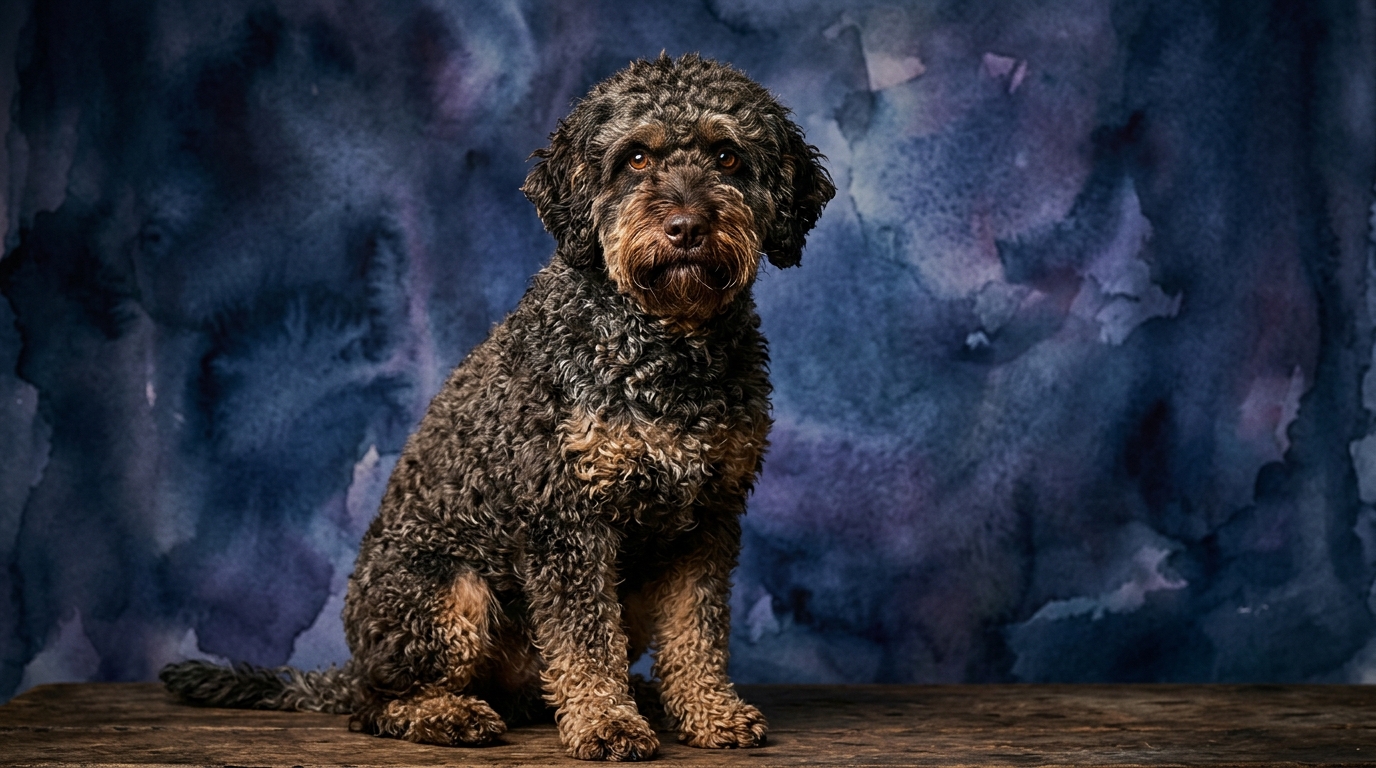
The Spanish Water Dog presents a balanced cognitive profile, scoring 3 out of 5 across all five dimensions. Their problem-solving capacity suggests they can navigate moderately complex tasks, but might require a bit more structured guidance than some other breeds. Training speed at 3/5 indicates they will grasp new commands steadily, benefiting from consistent, positive reinforcement rather than rapid-fire sessions. Social intelligence at 3/5 means they are generally adaptable to various social scenarios, understanding cues and bonding with their family, though perhaps not exhibiting the same nuanced social awareness as breeds scoring higher. Their instinctive drive, also 3/5, points to a moderate inclination for their inherent herding and water work traits, making them responsive to activities that engage these predispositions without being overwhelmingly intense. Finally, a memory score of 3/5 suggests they retain learned information and experiences reasonably well, making past training efforts generally durable.
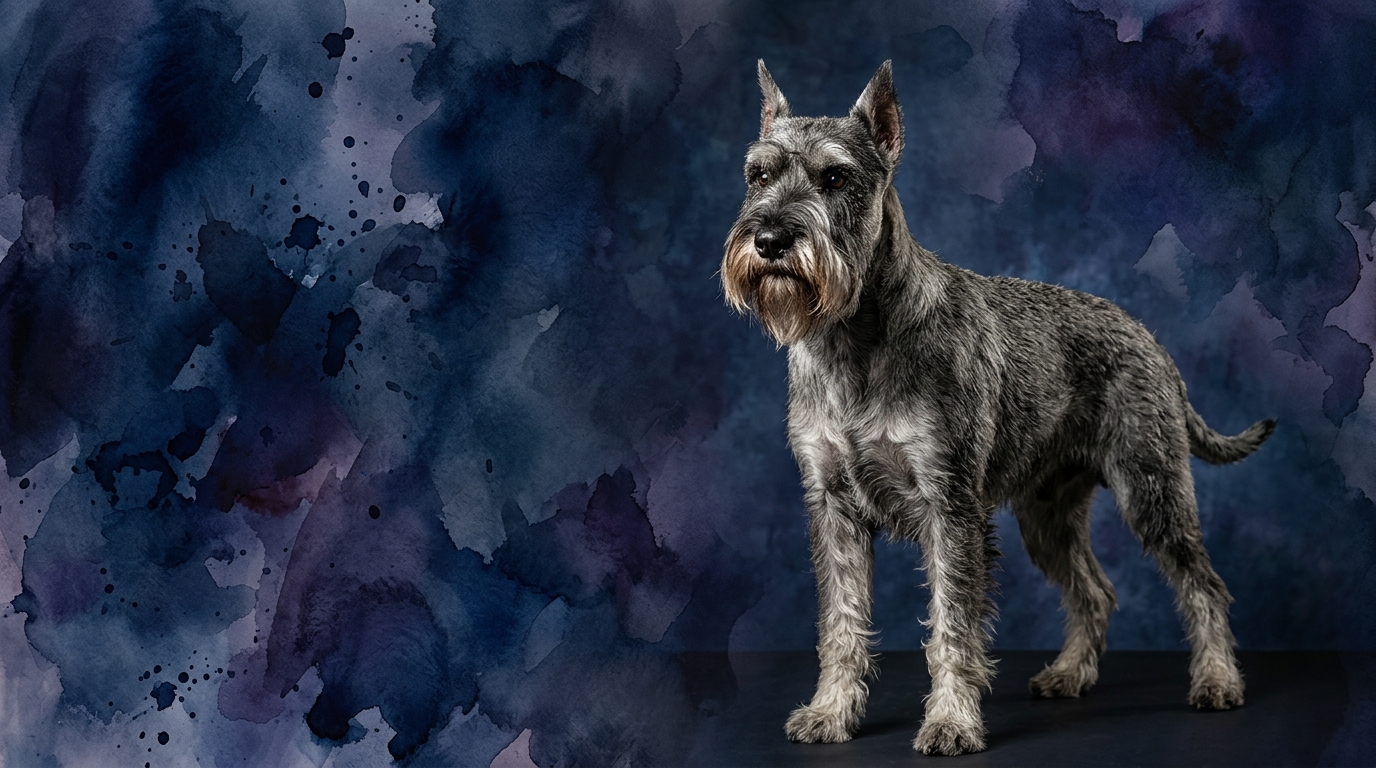
In contrast, the Standard Schnauzer shows a more pronounced aptitude in certain cognitive areas, particularly problem-solving, training speed, and memory, all rated at 4 out of 5. Their problem-solving ability at 4/5 means they often display a resourceful approach to challenges, figuring out how to achieve goals with less human intervention and a greater capacity for independent thought. A training speed of 4/5 indicates they absorb new commands and routines with efficiency, often picking up concepts after fewer repetitions. Like the SWD, their social intelligence is 3/5, suggesting a similar level of adaptability and understanding within social contexts, fostering strong bonds with their human companions. Their instinctive drive, also 3/5, reflects their working heritage, showing a moderate but persistent inclination for tasks requiring vigilance, guarding, and engagement. The memory score of 4/5 highlights their excellent recall, making previous training, experiences, and boundaries enduring aspects of their behavior.
Where the Spanish Water Dog Shines Cognitively
While the Standard Schnauzer edges out the Spanish Water Dog in several metrics, the SWD's balanced cognitive profile offers its own distinct advantages. Their consistent 3/5 across all categories suggests a more uniform and predictable cognitive experience. For owners who prefer a dog with a steady, rather than intensely driven, approach to problem-solving, the SWD's 3/5 in this area means they are less likely to independently devise complex schemes to circumvent rules or access forbidden areas. This moderate problem-solving can translate to a less demanding daily management, where their cognitive engagement is present but not constantly pushing boundaries.
Their 3/5 instinctive drive, tied to their historical role as a versatile herding and water dog, means they possess sufficient working inclination to engage in structured activities without the overwhelming intensity that might be present in breeds with higher drives. This can make them excellent partners for moderate agility, scent work, or water retrieval activities, where their drive is channeled rather than needing constant, high-level management. The SWD’s social intelligence at 3/5, matching the Schnauzer, means they are equally capable of forming deep, adaptable bonds, understanding social cues, and thriving within a family unit, offering a robust foundation for companionship without excessive social complexity.
Where the Standard Schnauzer Excels Cognitively
The Standard Schnauzer undeniably presents a cognitive edge in areas critical for advanced training and complex tasks. Their problem-solving score of 4/5 indicates a dog that can independently assess situations and strategize solutions, often with a remarkable degree of ingenuity. This makes them adept at navigating novel environments, figuring out how latches work, or devising ways to retrieve a dropped toy from an awkward spot. For owners who enjoy engaging with a dog that 'thinks' and can participate in complex problem-solving games, the Schnauzer’s acumen here is a clear advantage.
Coupled with a training speed of 4/5, they are exceptionally quick learners, often grasping new commands and sequences after just a few repetitions. This rapid acquisition of knowledge opens doors to more intricate obedience routines, competitive dog sports, and even nuanced assistance tasks, allowing for faster progression through various training levels. Furthermore, their memory, also rated at 4/5, ensures that these learned behaviors and solutions are retained over extended periods. This strong recall means that once a command or rule is established, it tends to stick, making maintenance training less intensive and allowing them to build a vast repertoire of understood behaviors and experiences without significant erosion over time.
Training Ease: Spanish Water Dog vs. Standard Schnauzer
Comparing ease of training, the Standard Schnauzer holds an advantage due to its higher scores in training speed and memory. A Standard Schnauzer, with a training speed of 4/5, will typically pick up new commands and routines more quickly than a Spanish Water Dog, which scores 3/5. This means a Schnauzer might require fewer repetitions to solidify a new behavior, making training sessions potentially shorter and more efficient. Their superior memory (4/5 vs. 3/5 for SWD) also means that once a Schnauzer learns something, it is likely to be retained for longer, reducing the need for frequent refreshers. The Schnauzer's higher problem-solving capacity (4/5) further contributes to training ease by allowing them to generalize learned concepts to new situations more readily and to actively participate in figuring out what is expected of them, for instance, anticipating the next step in a complex sequence.
The Spanish Water Dog, while not as rapid in acquisition, is still a capable learner with a 3/5 training speed. They will learn, but perhaps at a more deliberate pace, requiring more consistent repetition and patience. Their 3/5 memory means that while they retain information, occasional refreshers are beneficial to keep skills sharp. Owners training an SWD might find success in breaking down complex tasks into smaller, more manageable steps, celebrating each successful progression. Their moderate problem-solving might mean they follow cues more directly rather than trying to 'outsmart' the handler, which can be an advantage for novice trainers seeking a less independently thinking partner. Ultimately, both breeds are trainable, but the Standard Schnauzer generally offers a quicker and more resilient learning curve, making it marginally 'easier' in terms of initial skill acquisition and long-term retention.
Matching Breeds to Lifestyles: Active vs. Relaxed Owners
Both the Spanish Water Dog and the Standard Schnauzer are breeds that thrive with active engagement, making them generally better suited for owners who enjoy an active lifestyle rather than those seeking a highly relaxed companion. The Spanish Water Dog, originating from a herding background, possesses an instinctive drive of 3/5. This means they require consistent physical activity and mental stimulation to prevent boredom and channel their natural working tendencies. Daily walks, runs, swimming (a particular favorite for SWDs), and interactive play are crucial. Their balanced cognitive profile suggests they enjoy varied activities like moderate agility, scent work, or learning new tricks, but may not demand the constant, intense intellectual challenge that some higher-scoring breeds might. An active owner who enjoys outdoor adventures and can provide structured activities a few times a week, alongside daily exercise, would find the SWD a delightful companion. They are adaptable and can settle indoors after sufficient mental and physical exertion, but they are not content to be couch potatoes.
Similarly, the Standard Schnauzer, a member of the Working group with an instinctive drive of 3/5, also demands a significant level of activity. Their historical role as farm dogs, guardians, and vermin hunters means they possess stamina and a need for purpose. Daily vigorous exercise, such as long walks, jogging, or challenging play sessions, is essential. The Schnauzer’s higher problem-solving and training speed scores mean they particularly benefit from activities that engage their minds, such as advanced obedience, competitive dog sports like agility, rally, or tracking, and puzzle toys. They enjoy having a 'job' and can become bored or mischievous if not adequately stimulated. Therefore, an active owner who is prepared to not only provide physical outlets but also consistent mental challenges and training opportunities will find the Standard Schnauzer to be an immensely rewarding and engaged partner. Neither breed is ideal for a truly relaxed, sedentary owner, as both possess innate drives that require regular, purposeful outlets to ensure their well-being and prevent undesirable behaviors.
The Verdict
Choose the Spanish Water Dog if you appreciate a consistently balanced cognitive profile, offering a steady learning pace and moderate engagement for a variety of active pursuits without extreme intensity. They suit owners who value a versatile companion for outdoor activities and structured play, capable of forming deep bonds with a moderate intellectual demand.
Opt for the Standard Schnauzer if you desire a quicker learner with superior problem-solving abilities and robust memory, excelling in advanced training and demanding mental challenges. They are ideal for active owners seeking a highly engaged partner for competitive dog sports or complex tasks, thriving on intellectual stimulation and efficient skill acquisition.
🧠 Find Your Pet's IQ Score
Our Pet IQ Lab assessment covers 25+ tests across 5 cognitive dimensions — personalized to your breed.
Take the Full IQ Test →Frequently Asked Questions
Do Spanish Water Dogs or Standard Schnauzers make better family pets?
Both breeds can be excellent family pets, provided their exercise and mental stimulation needs are met. Spanish Water Dogs tend to be adaptable and bond closely with their families, while Standard Schnauzers are loyal and protective. Socialization from a young age is crucial for both to ensure they interact appropriately with children and other pets, fostering well-adjusted temperaments.
What kind of mental stimulation do these breeds need?
Spanish Water Dogs benefit from puzzle toys, scent games, and learning new tricks, especially those involving water or retrieving, to engage their moderate problem-solving and instinctive drive. Standard Schnauzers thrive on more complex challenges like advanced obedience, agility, tracking, and interactive puzzle feeders that leverage their higher problem-solving and rapid learning capabilities, keeping their sharp minds occupied.
Are there significant differences in their grooming needs?
Yes, their grooming needs are quite distinct. The Spanish Water Dog has a unique woolly, corded coat that requires specific grooming to prevent matting, often involving professional clipping a few times a year rather than daily brushing. The Standard Schnauzer has a dense, wiry double coat that needs regular brushing, hand-stripping a few times a year to maintain coat texture, or professional clipping, which softens the coat but is easier for some owners.