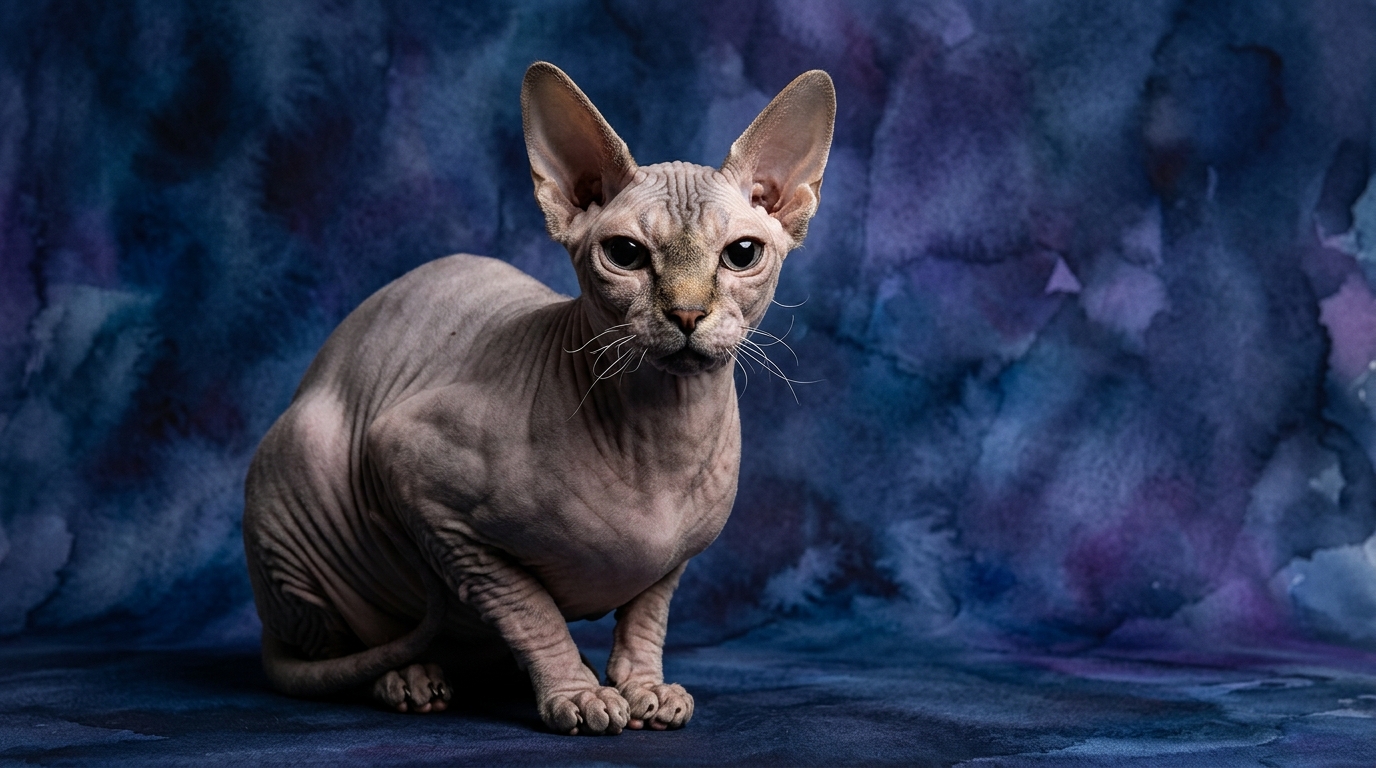
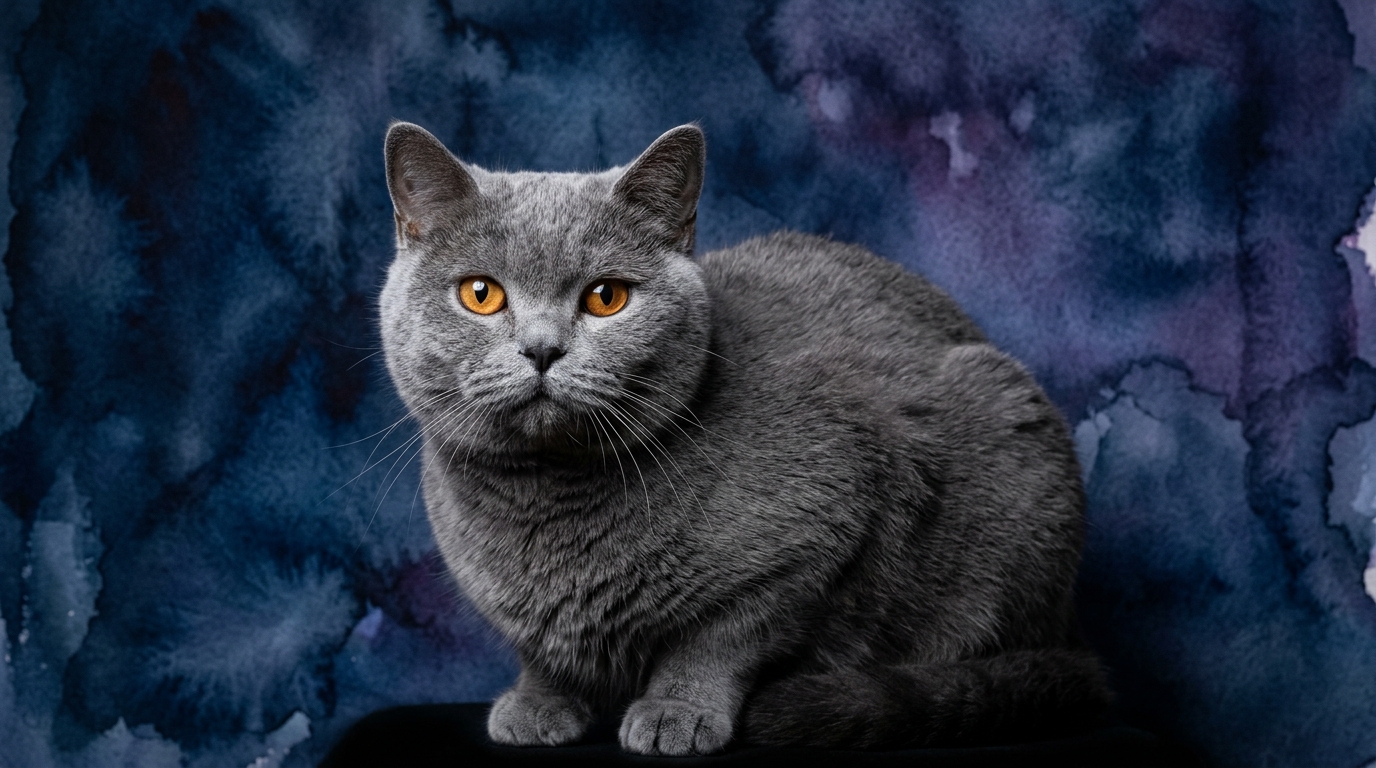
Side-by-Side IQ Profile: Sphynx vs. British Shorthair
The Cosmic Pet Pet IQ Lab provides a detailed breakdown of feline cognitive abilities across five key dimensions. For the Sphynx, these scores paint a picture of an engaging and mentally agile companion. Their Problem Solving is rated at 4/5, indicating a strong capacity for independent thought and overcoming obstacles, often through curious exploration. Training Speed also stands at 4/5, suggesting they absorb new commands and routines quickly, driven by their desire for interaction. A standout Social Intelligence score of 5/5 highlights their exceptional ability to understand and respond to human emotions and social cues, forming deep, reciprocal bonds. Instinctive Drive is moderate at 3/5, meaning their natural hunting behaviors are present but often channeled into interactive play. Finally, their Memory is strong at 4/5, enabling them to retain information about people, places, and routines over long periods, contributing to their adaptability and consistent behavior patterns.
In contrast, the British Shorthair's profile leans towards a more composed and self-sufficient intellect. Their Problem Solving is rated 3/5, suggesting a steady, practical approach to challenges, where they might observe or wait rather than persistently experiment. Training Speed is also 3/5, meaning they can learn effectively but often require more patience and consistent reinforcement compared to their more eager Sphynx counterparts. Their Social Intelligence is a comfortable 3/5, indicating they appreciate companionship and form affectionate bonds, but their expression of connection is often more reserved and independent, preferring to be near rather than constantly engaged. Instinctive Drive mirrors the Sphynx at 3/5, where playful pouncing is enjoyed but not driven by an overwhelming urge to hunt extensively. Their Memory, at 3/5, suggests a good, functional ability to recall important routines and people, thriving on predictability and established patterns.
Where the Sphynx Wins Cognitively
The Sphynx clearly outpaces the British Shorthair in several key cognitive dimensions, primarily due to its elevated scores in Problem Solving (4/5 vs 3/5), Training Speed (4/5 vs 3/5), Social Intelligence (5/5 vs 3/5), and Memory (4/5 vs 3/5). Their superior problem-solving skills mean a Sphynx is more likely to actively engage with environmental challenges, like figuring out how to open doors or manipulate complex toys, demonstrating a proactive curiosity that the British Shorthair's more measured approach often lacks. This intellectual drive makes them persistent in seeking solutions and understanding their surroundings. Furthermore, the Sphynx's exceptional social intelligence fosters a profound capacity for reciprocal interaction; they not only understand human cues but actively seek to participate in family life, often 'conversing' with their owners and adapting their behavior to social dynamics. This deep social connection makes them incredibly responsive to their human companions, a trait less pronounced in the more independent British Shorthair. Their stronger memory also means they retain learned behaviors and social interactions more robustly, building on past experiences with greater efficiency and consistency in their responses.
Where the British Shorthair Wins Cognitively
While the British Shorthair's cognitive scores are generally more moderate than the Sphynx's, their specific profile represents a distinct advantage for certain lifestyles, particularly in their balanced Instinctive Drive (3/5) and their more composed Social Intelligence (3/5). A British Shorthair's moderate problem-solving and training speed, coupled with their lower social demand, means they are often less prone to developing destructive behaviors born from boredom or a desperate need for constant engagement. Their calm demeanor and less intense need for cognitive stimulation can be a cognitive 'win' for owners who appreciate a more self-sufficient feline companion. They are content to observe and be present without requiring constant mental gymnastics or intense interaction, leading to a generally more placid household environment. This self-contained cognitive approach results in a cat that is less likely to become anxious when left alone, finding contentment in their own company and routine, which can be a significant benefit for busy individuals or those seeking a less demanding pet. Their cognitive balance allows for a peaceful coexistence, where their presence is comforting without being overwhelming.
Which is Easier to Train and Why?
The Sphynx holds a clear advantage in trainability, scoring 4/5 in Training Speed compared to the British Shorthair's 3/5. This difference is not just numerical; it reflects a fundamental distinction in their cognitive engagement. The Sphynx's high social intelligence (5/5) means they are inherently motivated by interaction and praise from their human companions, making them eager participants in training sessions. They quickly grasp cause-and-effect relationships and are more inclined to repeat behaviors that elicit positive responses, whether it’s performing a trick for a treat or using a specific scratching post. Their superior problem-solving (4/5) also aids in understanding complex commands or multi-step tasks, allowing them to approach new learning opportunities with curiosity and determination. In contrast, the British Shorthair, with its moderate social intelligence and training speed, can be trained effectively, but often requires more patience and a calmer, more consistent approach. They are less driven by immediate social reward and may require stronger, more tangible incentives, such as treats, to maintain their focus. While they are certainly capable of learning litter box etiquette and basic commands, their independent nature means training must align with their own motivations, rather than a strong desire to please. The Sphynx’s intrinsic drive for connection and mental stimulation makes the training process a collaborative and often quicker endeavor, transforming learning into a shared activity.
Which Suits Active Owners vs. Relaxed Owners?
For active owners seeking a feline companion deeply integrated into their daily life, the Sphynx is an ideal match. Their high social intelligence (5/5) and problem-solving abilities (4/5) mean they thrive on interaction, mental challenges, and being part of family activities. They will eagerly participate in playtime, learn tricks, and even accompany owners on walks, demanding consistent engagement to prevent boredom or destructive behaviors stemming from under-stimulation. A Sphynx needs an owner who can dedicate time to play, puzzle feeders, and one-on-one attention, as their cognitive makeup requires regular stimulation and a sense of belonging. Their strong memory also means they remember routines and look forward to scheduled interactions, creating a predictable yet engaging dynamic. Conversely, the British Shorthair's more moderate cognitive profile makes them perfectly suited for relaxed owners who appreciate a calm, self-sufficient presence. Their 3/5 scores across most dimensions indicate a cat that is content with a predictable routine, quiet companionship, and less intense demands for interaction. They are happy to nap nearby, observe household goings-on, and engage in gentle play on their own terms. While they certainly enjoy affection and attention, they don't require constant stimulation, making them a great fit for individuals or families with less time for rigorous daily engagement but still desire a loving, present pet. Their moderate social intelligence means they are not prone to separation anxiety, finding contentment in their own company.
The Verdict
Choose the Sphynx if you seek a highly interactive, mentally agile companion eager to engage in complex play, learn new things, and form an exceptionally deep social bond, thriving on constant human connection.
Opt for the British Shorthair if you prefer a calm, self-sufficient feline friend who offers a steady, affectionate presence without demanding intense daily mental stimulation or constant interaction, appreciating quiet companionship.
🧠 Find Your Pet's IQ Score
Our Pet IQ Lab assessment covers 25+ tests across 5 cognitive dimensions — personalized to your breed.
Take the Full IQ Test →Frequently Asked Questions
Are Sphynx cats good with puzzle toys?
Yes, Sphynx cats typically excel with puzzle toys due to their 4/5 problem-solving score. Their inherent curiosity and strong memory make them adept at figuring out mechanisms to access treats or hidden objects, providing excellent mental enrichment and satisfying their need for engagement.
Do British Shorthairs get bored easily if not constantly entertained?
British Shorthairs, with their 3/5 problem-solving and social intelligence, are generally less prone to boredom from lack of constant entertainment. They are content with quieter environments and self-play, though they still benefit from regular, gentle interaction and a stimulating environment to maintain their well-being.
How do their memory scores impact daily life?
A Sphynx's 4/5 memory means they quickly learn routines, remember specific interactions, and adapt to changes efficiently, making them responsive to training and consistent in their behavior. A British Shorthair's 3/5 memory ensures they remember essential routines like meal times and litter box locations, contributing to their predictable and stable demeanor without the same level of intricate recall.