
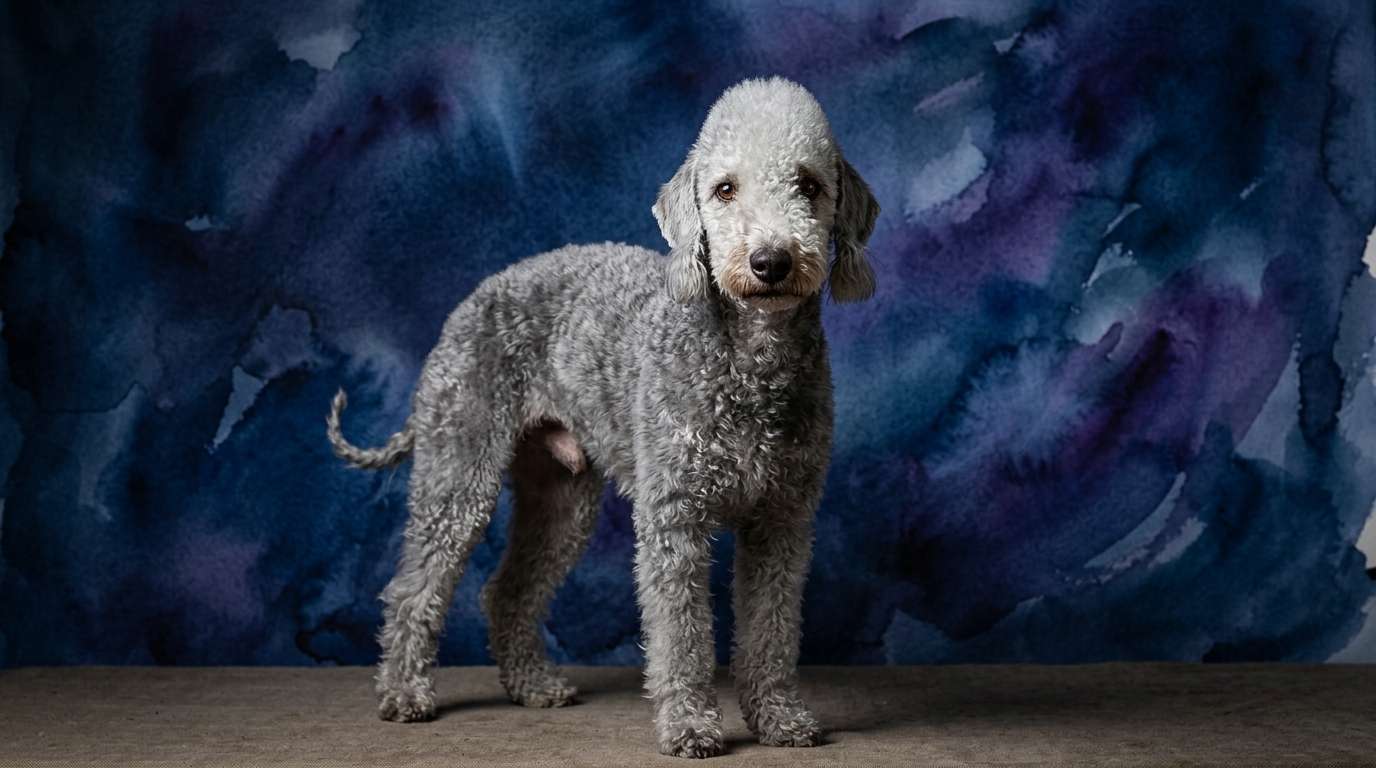
Side-by-Side IQ Profile: Nuances of the 'Average' Score
At first glance, the cognitive profiles of the Spinone Italiano and the Bedlington Terrier present a curious uniformity: both breeds score a consistent 3 out of 5 across all five dimensions of our Pet IQ Lab assessment. This 'average' rating, however, is far from generic; it speaks to a balanced, functional intelligence that manifests distinctly within each breed's historical role and temperament. Understanding these 3/5 scores requires delving into the specific ways each breed applies its cognitive faculties.
For the Spinone Italiano, a classic Italian sporting dog, their Problem Solving score of 3/5 reflects a thoughtful, methodical approach. They excel at tasks requiring persistence and an understanding of environmental cues, such as tracking game through varied terrain or patiently figuring out how to access a hidden treat. Their solutions are often deliberate rather than impulsive. Their Training Speed, also 3/5, indicates a steady learning curve; they are generally biddable and eager to please, absorbing new commands and routines effectively with positive reinforcement, though they may not be the quickest to generalize concepts without repetition. Social Intelligence at 3/5 means they are attuned to human emotions and social structures, making them excellent family companions who understand boundaries and seek interaction, often displaying a gentle empathy. Their Instinctive Drive, a 3/5, is centered on their heritage as a versatile gun dog, manifesting as a moderate but persistent drive for pointing, retrieving, and scent work. This drive is manageable and cooperative rather than overwhelming. Finally, their Memory at 3/5 ensures they retain learned commands, routines, and experiences well, making them reliable partners once a lesson is ingrained.
The Bedlington Terrier, originally bred for hunting vermin in England, also scores 3/5 across the board, yet their application of these cognitive traits is markedly different. Their Problem Solving at 3/5 is characterized by tenacious resourcefulness; they are adept at finding creative, often independent, solutions to obstacles, such as navigating tight spaces to corner prey or figuring out how to bypass a gate. Their approach is often driven by a strong will and a desire to achieve their goal. Training Speed, rated 3/5, reflects their ability to learn quickly, but often on their own terms. While capable of rapid acquisition, their independent terrier spirit means they can sometimes be selective about compliance, requiring engaging and varied training to maintain interest. Social Intelligence at 3/5 denotes a discerning social awareness; they are loyal and affectionate with their chosen family but can be reserved or even aloof with strangers, forming strong bonds within their inner circle. Their Instinctive Drive, a 3/5, is powerfully geared towards their terrier heritage, encompassing a strong prey drive, a propensity for digging, and a protective instinct. This drive is persistent and can be challenging to redirect without consistent training. Memory at 3/5 ensures they remember their lessons and experiences, but also perhaps past 'victories' in outsmarting their owners, solidifying their independent streak.
Where Spinone Italiano Wins Cognitively
While both breeds share identical numerical scores, the Spinone Italiano shines in cognitive areas emphasizing cooperation and patient application of intellect. Their 3/5 in Problem Solving, when combined with their natural biddability and desire to work alongside humans, translates into a superior ability to engage in complex, multi-step tasks that require teamwork. For example, a Spinone is more likely to excel at advanced obedience routines or intricate scent discrimination games where the goal is shared with their handler, patiently working through challenges rather than attempting to brute-force a solution independently.
Furthermore, the Spinone's 3/5 Social Intelligence often manifests as a more overtly empathetic and adaptable nature within a family setting. They are generally more attuned to subtle human cues and changes in household dynamics, making them excellent emotional support animals or companions for diverse family structures. Their moderate Instinctive Drive is also a cognitive advantage in specific scenarios; it means their natural urges for hunting and retrieving are more easily channeled into structured activities, allowing for a more predictable and cooperative learning environment compared to the sometimes more intense and singular focus of a terrier's prey drive.
Where Bedlington Terrier Wins Cognitively
The Bedlington Terrier’s cognitive strengths lie in their self-directed problem-solving and tenacious pursuit of goals, reflecting their vermin-hunting origins. Their 3/5 Problem Solving score, when coupled with their inherent independence, means they are often more adept at figuring out solutions on their own, especially when faced with physical barriers or puzzles that require ingenuity without direct human guidance. They possess a remarkable ability to assess a situation and devise a strategy to overcome it, even if it means bending the rules a little.
The Bedlington's 3/5 Instinctive Drive, though moderate, is characterized by a fierce determination and resilience that gives them an edge in tasks requiring sustained effort and an unwavering focus on a target. This makes them exceptional at activities like earthdog trials or lure coursing, where their natural drive to chase and pursue can be unleashed. Their specific manifestation of 3/5 Social Intelligence also makes them highly discerning; they form incredibly strong, almost intuitive bonds with their primary caregivers, developing a profound understanding of those closest to them, even if they are less outwardly demonstrative with the wider world. This deep, selective connection can be a unique cognitive advantage for owners seeking an intensely loyal and perceptive companion.
Which Is Easier to Train and Why
When it comes to ease of training, the Spinone Italiano generally holds an advantage, despite both breeds scoring 3/5 in Training Speed. The Spinone’s natural biddability and strong desire to please their human companions make them highly receptive to instruction. They respond well to consistent, positive reinforcement methods and are less likely to challenge commands once they understand them. Their gentle nature means they are often more forgiving of handler mistakes and less prone to stubbornness, making the training process a more cooperative and rewarding experience for both dog and owner.
The Bedlington Terrier, while possessing the same 3/5 Training Speed, requires a more nuanced approach. Their independent streak and inherent terrier tenacity mean they can sometimes be more challenging to motivate and keep engaged. They learn quickly but may choose to apply their knowledge only when it suits them or if the reward is sufficiently enticing. Training a Bedlington often demands creativity, consistency, and a strong understanding of their independent mindset, as they can become bored with repetitive drills and may attempt to outsmart their trainer. While capable of learning complex tasks, their willingness to perform them consistently hinges on an owner's ability to make training a fun, varied, and rewarding interaction that respects their spirited nature.
Which Suits Active Owners vs. Relaxed Owners
For owners with an active lifestyle, the Spinone Italiano is an excellent match. Their background as a versatile gun dog means they possess considerable stamina and enjoy regular, moderate to vigorous exercise. They thrive on long walks, hikes, and opportunities for scent work or retrieving games. While they enjoy downtime with their family, their physical and mental well-being is deeply tied to consistent activity, making them ideal for owners who enjoy outdoor adventures and can provide ample opportunities for physical and mental engagement.
The Bedlington Terrier can also be active, often displaying bursts of speed and playful energy, but their exercise needs are generally more adaptable than the Spinone's. They enjoy regular walks and playtime, but do not necessarily require the same endurance-based activities. They are often content with a good run in a secure yard or park followed by a cozy spot on the couch. Their independent nature means they can entertain themselves to some extent, making them suitable for owners who appreciate an active dog but also value periods of relaxation and less demanding companionship. However, their strong prey drive means secure environments for off-leash exercise are crucial.
The Verdict
Choose the Spinone Italiano if you seek a cooperative, empathetic companion for shared outdoor adventures and enjoy a training partnership built on mutual understanding and patience. They thrive with owners who appreciate a steady, biddable temperament.
Opt for the Bedlington Terrier if you are drawn to a tenacious, discerning companion with a spirited independence, appreciating their unique blend of loyalty, wit, and adaptable energy. They suit owners who enjoy a challenge in training and a dog with a distinct personality.
🧠 Find Your Pet's IQ Score
Our Pet IQ Lab assessment covers 25+ tests across 5 cognitive dimensions — personalized to your breed.
Take the Full IQ Test →Frequently Asked Questions
Do Spinone Italianos get along with other pets?
Yes, Spinone Italianos generally have a high social intelligence and a gentle nature, often getting along well with other dogs and even cats, especially if raised with them. Their cooperative temperament makes them adaptable to multi-pet households.
Are Bedlington Terriers good for first-time dog owners?
Bedlington Terriers can be suitable for first-time owners who are committed to consistent training and socialization, understanding their independent and sometimes stubborn nature. Their moderate exercise needs and loyalty can be appealing, but their terrier drive requires thoughtful management.
Which breed is more prone to separation anxiety?
Neither breed is inherently more prone to separation anxiety than the other. Both Spinones, with their social nature, and Bedlingtons, with their strong family bonds, can develop anxiety if left alone for excessive periods without proper training and mental stimulation.