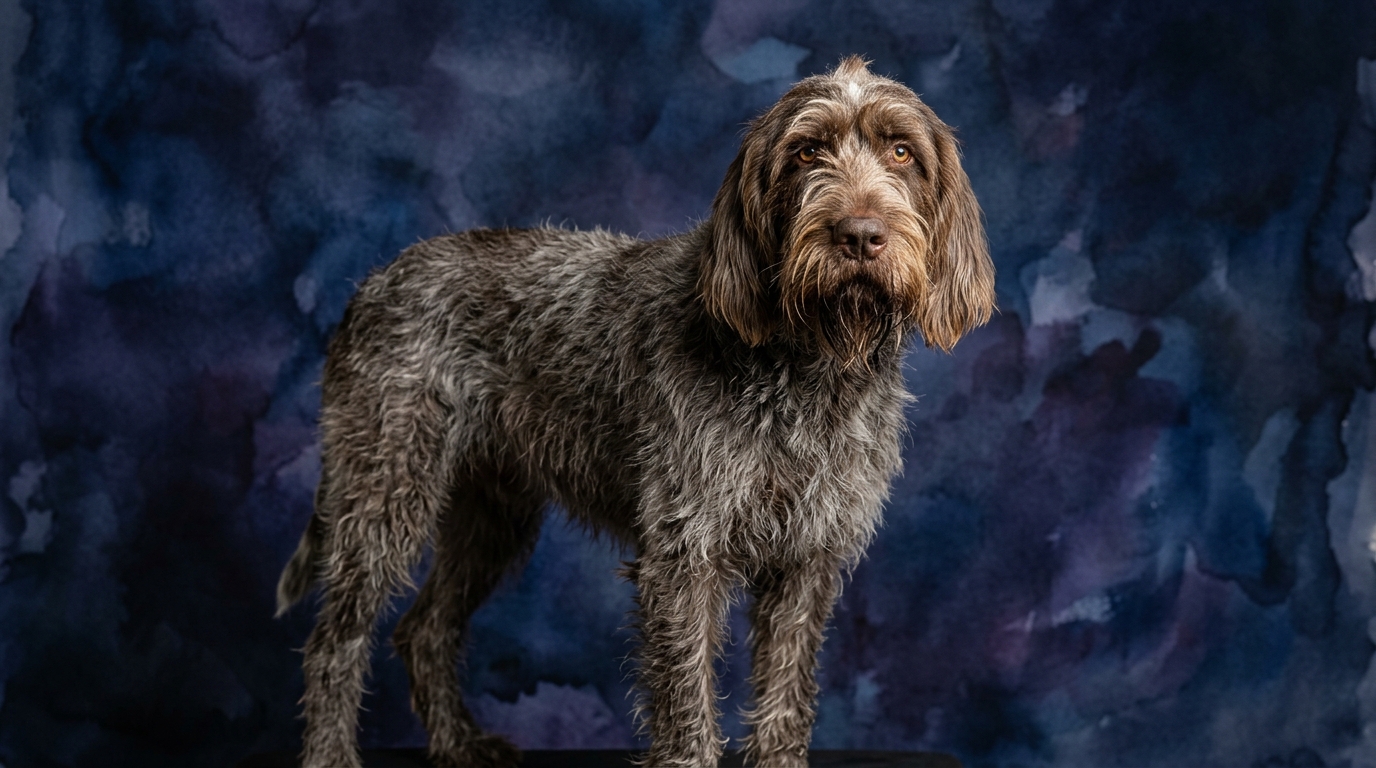
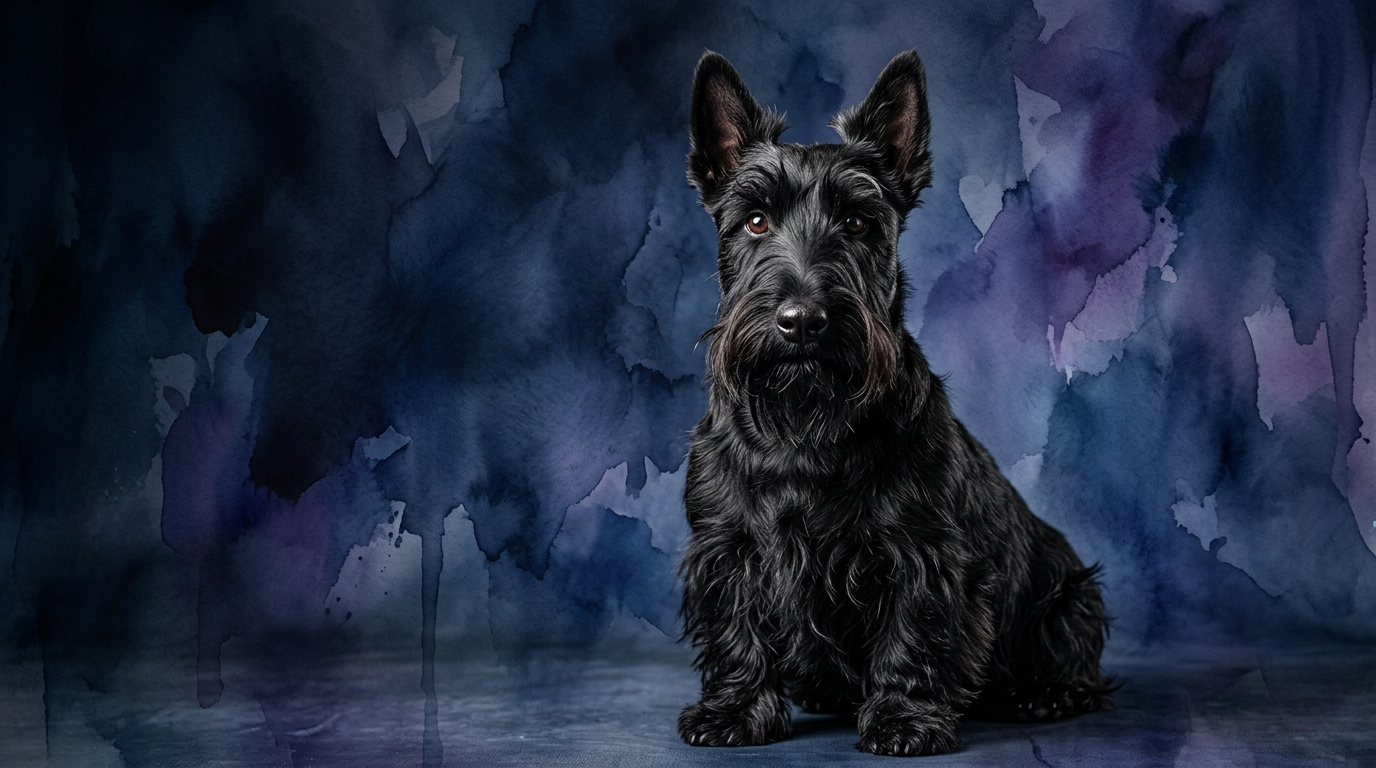
Side-by-side IQ profile
The Pet IQ Lab assigns both the Spinone Italiano and the Scottish Terrier a consistent 3/5 score across all five cognitive dimensions, a fascinating parity that underscores how breed-specific application shapes intelligence rather than raw capacity. For the Spinone Italiano, a 3/5 in Problem Solving reflects a dog adept at navigating complex field scenarios, such as tracking game through varied terrain or figuring out the best path for a retrieve, often in cooperation with a hunter. Their Training Speed at 3/5 indicates a willingness to learn and respond to cues, especially when tasks align with their cooperative hunting instincts. Social Intelligence at 3/5 manifests as a strong bond with their human companions, a responsiveness to subtle commands, and an understanding of human intent, crucial for a close working relationship. Their Instinctive Drive, also 3/5, is geared towards pointing, retrieving, and sustained scent work, a focused persistence rather than independent pursuit. Memory at 3/5 suggests good retention of learned commands, routes, and the locations of game, essential for efficient hunting.
The Scottish Terrier, despite the same numerical scores, expresses its intelligence through a very different lens. A 3/5 in Problem Solving for a Scottie often means devising strategies to corner small prey, navigating tight burrows, or overcoming obstacles to reach a desired target. This problem-solving is typically independent and driven by their innate terrier grit. Their Training Speed at 3/5 indicates they are capable learners, but their independent spirit means they learn best when motivated by something they perceive as valuable, rather than solely for human approval. Social Intelligence at 3/5 for a Scottie translates to a discerning loyalty, often forming deep bonds with a select few, and an understanding of their pack dynamics, though they can be less overtly demonstrative than a Spinone. Their Instinctive Drive at 3/5 is powerful and focused on hunting, digging, and chasing, a relentless pursuit of vermin that reflects their original purpose. Memory at 3/5 allows them to retain knowledge of their territory, the location of potential 'prey,' and learned behaviors, even if they sometimes choose when to apply them.
Where Spinone Italiano wins cognitively
The Spinone Italiano truly shines in cognitive tasks demanding a high degree of collaborative effort and nuanced communication with their human partners. Their problem-solving capabilities, while rated 3/5, are uniquely tuned for cooperative hunting scenarios, where success hinges on reading a handler's body language, interpreting complex hand signals, and making real-time decisions that benefit the team. This means they excel in advanced obedience, agility courses requiring intricate sequencing, or even therapy work where sensitivity to human emotional states is paramount. Their social intelligence, also 3/5, translates into an eager-to-please nature and a profound desire for shared activity, making them exceptionally responsive to positive reinforcement and deeply invested in pleasing their people. They process and retain complex multi-step commands efficiently, leveraging their memory (3/5) to recall detailed routes or sequences in a working environment, a distinct advantage over more independently minded breeds.
Where Scottish Terrier wins cognitively
The Scottish Terrier's cognitive strengths lie in their independent problem-solving and unyielding tenacity, qualities that set them apart despite shared IQ scores. A Scottie's 3/5 problem-solving manifests as a resourceful cunning in navigating challenging environments or outsmarting small game, often requiring them to think for themselves without direct human guidance. This makes them excel at tasks demanding self-reliance, such as intricate puzzle toys designed to stimulate their hunting drive or scent work where they must independently track and locate hidden items. Their instinctive drive (3/5) for digging and pursuit is not just physical; it's a cognitive engine that fuels their persistence, allowing them to focus intently on a task, even when faced with frustration. This focused determination means that once a Scottie commits to a task or a perceived 'mission,' their memory (3/5) helps them recall strategies and targets with remarkable precision, making them formidable in earthdog trials or any activity that taps into their profound terrier grit.
Which is easier to train and why
When considering ease of training, the Spinone Italiano generally presents a more straightforward path for the average owner due to fundamental behavioral differences stemming from their breed purpose. Both breeds score 3/5 in Training Speed, but the Spinone's cooperative nature and inherent desire to work alongside humans mean they are typically more responsive to commands and eager to please. Their social intelligence fosters a deeper connection with their handler, making them highly motivated by praise and positive reinforcement. Spinone tend to absorb new commands readily and retain them consistently, making them suitable for various disciplines from obedience to field work. In contrast, the Scottish Terrier's independence, a hallmark of their terrier heritage, means they often require more patience and creative motivation. While they are certainly capable of learning, a Scottie will frequently weigh whether a command is worth their effort or if there's a more interesting independent pursuit. Their strong instinctive drive can sometimes override their willingness to comply, requiring an owner to be firm, consistent, and innovative in making training engaging and rewarding from the Scottie's perspective.
Which suits active owners vs relaxed owners
The choice between a Spinone Italiano and a Scottish Terrier also hinges significantly on an owner's lifestyle and activity levels. The Spinone Italiano is undeniably better suited for active owners who relish outdoor adventures and seek a constant, engaged companion. As a sporting breed, they require substantial daily exercise, including brisk walks, runs, or off-leash exploration in secure areas, alongside consistent mental stimulation through training and interactive play. They thrive on being an integral part of family activities and can become despondent or destructive if left alone for extended periods or under-exercised. For relaxed owners who prefer a more sedentary lifestyle, a Spinone would likely be too demanding.
The Scottish Terrier, while not a couch potato, can be a better fit for owners who appreciate a dog with bursts of activity followed by periods of independent relaxation. They require daily walks and opportunities to explore and sniff, but their exercise needs, while significant, might be less about endurance and more about vigorous play or mental challenges. A Scottie can adapt to apartment living if their exercise needs are met and they receive ample mental engagement to satisfy their problem-solving and instinctive drives. They are often content to nap at their owner's feet, but will quickly spring into action if a squirrel is spotted or a new puzzle toy appears. They offer a balance of spirited activity and independent downtime, making them a good choice for active owners who also value some personal space.
The Verdict
Choose the Spinone Italiano if you seek a highly cooperative, versatile, and deeply bonded companion for shared outdoor adventures, consistent training, and a deep partnership.
Choose the Scottish Terrier if you appreciate an independent, tenacious, and spirited companion who thrives on problem-solving, has a strong personality, and needs an owner who understands and channels their distinct terrier drive.
🧠 Find Your Pet's IQ Score
Our Pet IQ Lab assessment covers 25+ tests across 5 cognitive dimensions — personalized to your breed.
Take the Full IQ Test →Frequently Asked Questions
Do Spinone Italianos bark a lot?
Spinone Italianos are not typically excessive barkers, but they will use their voice to alert to strangers or express excitement. Consistent training can help manage any unwanted barking.
Are Scottish Terriers good with children?
Scottish Terriers can be good with respectful, older children, but their independent and sometimes sensitive nature means supervision is always advised, especially with very young children. They are not typically as tolerant of rough play as some other breeds.
How much grooming do these breeds require?
The Spinone Italiano has a coarse, single coat that requires weekly brushing to prevent matting and occasional hand-stripping. The Scottish Terrier has a wiry outer coat and a soft undercoat, needing regular brushing, professional grooming every 6-8 weeks, and hand-stripping to maintain coat texture.