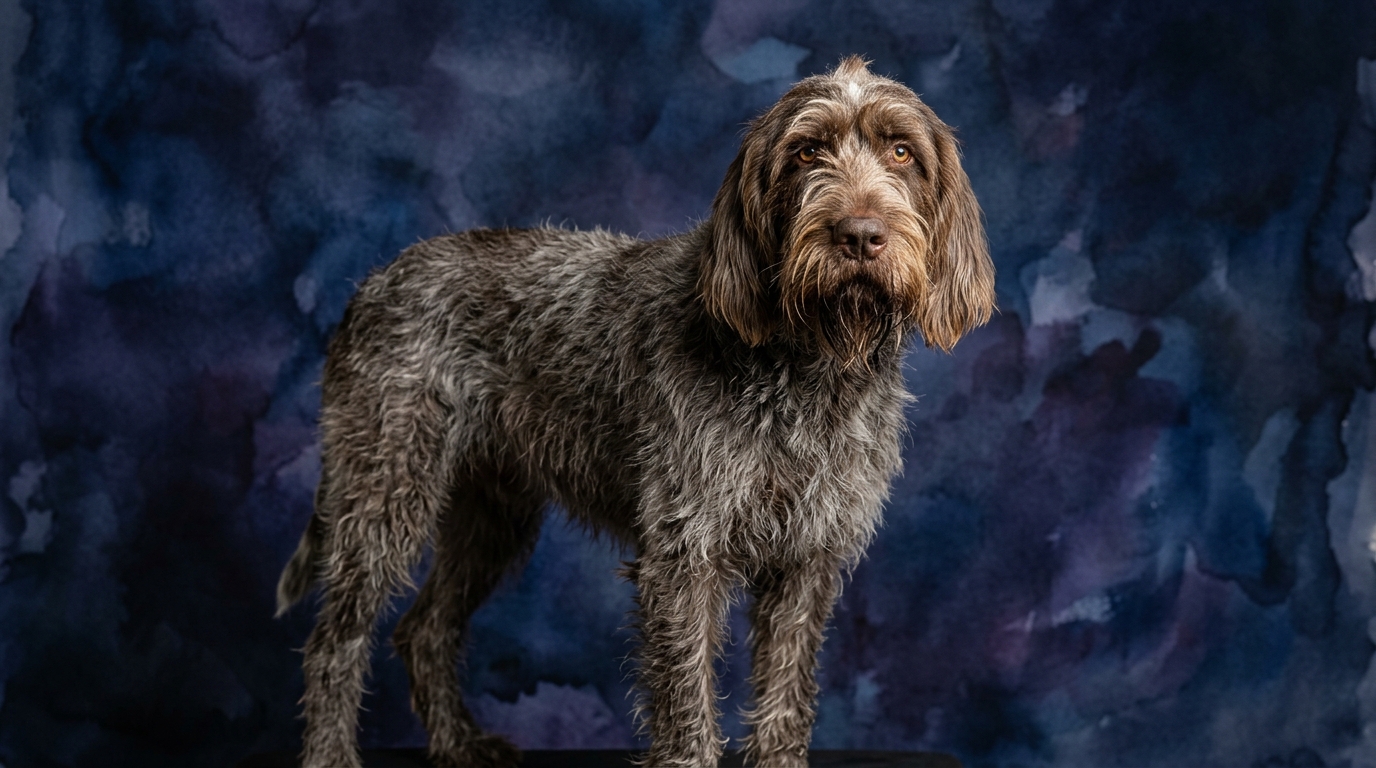
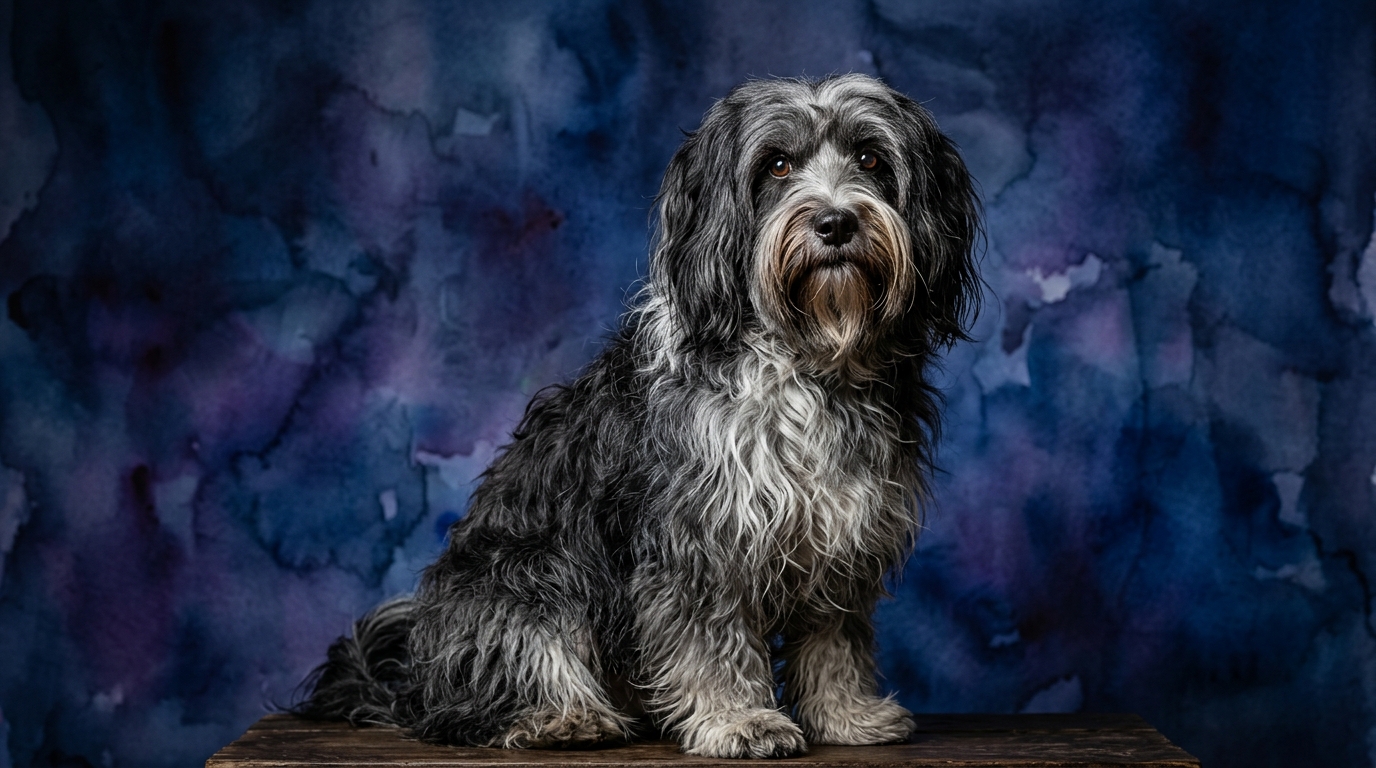
Side-by-Side Cognitive Profile: Unpacking the 3/5 Scores
While both the Spinone Italiano and the Tibetan Terrier register identical 3 out of 5 scores across all five intelligence dimensions, the practical expression of these capacities varies significantly, shaped by their distinct ancestral roles. Understanding these nuances is key to appreciating their individual cognitive strengths.
A 3/5 in **Problem Solving** indicates a solid capacity for independent thought and navigating novel situations without constant human direction. For the Spinone Italiano, this often translates to effective field work, such as discerning the best path through dense cover to retrieve game or figuring out how to unstick a toy from under furniture. Their problem-solving is often tied to their environment and sensory input, demonstrating a methodical approach to obstacles. The Tibetan Terrier, with the same 3/5, typically applies this skill to domestic scenarios, like strategically positioning themselves to gain a better view from a window, opening a cupboard door to investigate a sound, or devising playful ways to engage their family members. Their solutions might be more socially oriented or involve manipulating their immediate surroundings within the home.
A 3/5 in **Training Speed** suggests these breeds are generally receptive to learning and can acquire new commands and routines at a reasonable pace, though they may require consistent, patient reinforcement rather than rapid-fire repetitions. The Spinone Italiano's biddable nature, rooted in its desire to work cooperatively with a handler in the field, contributes to this steady learning curve; they are generally willing to please when motivated. Conversely, the Tibetan Terrier’s training speed, while also 3/5, can be influenced by their independent streak and watchfulness, meaning they learn efficiently but might occasionally require more convincing that a command is truly worth their effort, especially if they perceive a more pressing “duty” like alerting to a perceived threat.
A 3/5 in **Social Intelligence** reflects an ability to understand and respond appropriately to human cues, social structures within a household, and the emotional states of their companions. The Spinone Italiano typically displays this through their gentle, affectionate demeanor, forming strong bonds with their family and often showing a nuanced understanding of their owner's mood, adapting their behavior to offer comfort or solicit interaction. Their social intelligence is often expressed through calm companionship and a desire for connection. The Tibetan Terrier's 3/5 social intelligence manifests in a different way; while deeply devoted to their family, they can be more discerning with strangers, reading social situations carefully before extending trust. They are adept at communicating their needs and desires to their inner circle, and they often pick up on subtle household dynamics, sometimes using this understanding to their advantage in playful ways.
A 3/5 in **Instinctive Drive** points to a moderate but present set of innate behaviors that are characteristic of the breed's historical purpose. For the Spinone Italiano, this score predominantly relates to their strong hunting instincts—pointing, retrieving, and tracking—which are inherent and need appropriate outlets. While not as intense as some high-drive sporting breeds, this natural inclination means they are attuned to scents and movements in their environment, making them engaging partners for outdoor activities. The Tibetan Terrier’s 3/5 instinctive drive is less about hunting and more about their historical role as companion-watchdogs. This translates to an inherent alertness, a tendency to survey their surroundings, and a moderate protective instinct towards their family and territory, often expressed through vocalizations or watchful postures.
A 3/5 in **Memory** signifies a solid capacity to retain learned behaviors, routines, and experiences over time. The Spinone Italiano's memory supports their ability to recall complex field commands and remember scent trails, as well as the routines of their household, demonstrating consistency in their learned responses. This reliable memory aids in their overall trainability and adaptability to various situations. The Tibetan Terrier’s memory score of 3/5 contributes to their ability to remember past interactions, both positive and negative, and recall specific training cues. They are good at remembering household rules and routines, and their memory for specific people or places can make them quite consistent in their reactions to familiar stimuli.
Where the Spinone Italiano Excels Cognitively
Despite identical numerical scores, the Spinone Italiano often demonstrates a distinct cognitive strength in its practical application of problem-solving within an outdoor, task-oriented context. Their historical role as a versatile gun dog has honed a patient, methodical approach to navigating complex environments. A Spinone might excel at figuring out the most efficient way to cross a stream or locate a hidden scent, not through brute force or frenetic energy, but by carefully assessing the situation and applying learned strategies. This translates into a thoughtful persistence, where they are less likely to give up on a task if it requires sustained effort and quiet observation.
Their problem-solving isn't always about speed, but about effective, often collaborative, resolution in partnership with their human. This breed’s social intelligence also shines in its capacity for calm, empathetic companionship, intuitively understanding and responding to human emotional states without overwhelming assertiveness, making them exceptional emotional anchors in a family setting. Their memory for cooperative tasks and positive reinforcement also means they build strong, reliable associations with their handlers.
Where the Tibetan Terrier Shows Unique Cognitive Prowess
The Tibetan Terrier, while sharing the same raw cognitive scores, often showcases its unique strengths in a more domestically focused, socially nuanced manner. Their problem-solving frequently involves clever strategies within the home environment, such as figuring out how to access a favorite toy stored away or subtly manipulating their owners for attention, demonstrating a keen understanding of household dynamics. Their observational skills are particularly refined; a Tibetan Terrier can often 'read' a situation and anticipate upcoming events based on subtle human cues, like the jingle of keys signaling a walk.
This breed's social intelligence, while equally rated, expresses itself through a more discerning and sometimes playful interaction style. They possess a remarkable ability to communicate their desires and boundaries clearly to their trusted circle, often using a range of vocalizations and body language. Their memory also seems particularly strong for social interactions and routines, allowing them to quickly adapt to new household members or changes in schedule, retaining a vivid recall of who is part of their inner circle and how to best engage with them. Their instinctive drive, manifesting as alertness, makes them adept at quickly assessing and reacting to changes in their immediate surroundings.
Training Dynamics: Spinone Italiano vs. Tibetan Terrier
Determining which breed is 'easier' to train is less about raw cognitive capacity and more about their inherent motivations and behavioral predispositions. The Spinone Italiano, with its foundational desire to work alongside humans in the field, generally exhibits a more biddable and cooperative temperament. Their 3/5 training speed is often bolstered by a genuine eagerness to please their handler, making them responsive to positive reinforcement and consistent guidance.
While they can have moments of independent thought or 'Spinone stubbornness,' their historical purpose has ingrained a willingness to be directed, particularly when the training involves scent work, retrieving, or exploring. They thrive on clear structure and a sense of purpose, often viewing training as a shared activity. Their methodical approach to problem-solving also means they can patiently work through training challenges.
Conversely, the Tibetan Terrier, despite the same 3/5 training speed score, presents a different approach to learning. Their independent, watchful nature means they learn quickly, but they might question the utility of a command if it doesn't align with their immediate interests or perceived duties. Their training often requires more creative motivation and a deeper understanding of their individual personality. While highly capable of learning complex commands, their inherent terrier-like streak means they might choose not to comply if they see no compelling reason, or if they are distracted by their watchdog instincts. Consistency is paramount for both, but the Spinone's inherent desire for partnership often makes the training journey feel more straightforward for a novice owner, while the Tibetan Terrier benefits from an owner who appreciates their cleverness and can make training into an engaging, collaborative game.
Matching Breeds to Lifestyles: Active vs. Relaxed Owners
The choice between a Spinone Italiano and a Tibetan Terrier for active versus relaxed owners hinges significantly on how their 3/5 instinctive drives and physical needs align with lifestyle. The Spinone Italiano, a sporting breed, inherently possesses a moderate yet persistent need for physical activity and mental engagement, often linked to their scenting and retrieving instincts. While not as hyper-driven as some other gun dogs, they still thrive on daily walks, opportunities for off-leash exploration in safe areas, and activities that engage their noses and bodies, such as tracking or retrieving games. An active owner who enjoys hiking, long walks, or even field trials will find the Spinone an eager and enduring companion, ready to share adventures and then settle contentedly indoors. Their gentle nature means they can adapt to periods of calm, but regular, purposeful exercise is crucial for their well-being.
The Tibetan Terrier, despite its smaller size, is surprisingly athletic and agile. Their 3/5 instinctive drive, manifesting more as alertness and curiosity rather than a strong prey drive, still requires outlets. They enjoy brisk walks, playful romps in a secure yard, and mental challenges like puzzle toys or agility training. They are adaptable, often content to curl up with their family, but they are not couch potatoes and will become bored or mischievous if their physical and mental needs are neglected. Their problem-solving skills, when not adequately challenged, can lead to inventive ways of self-entertainment that owners might not appreciate.
A relaxed owner who can still commit to daily moderate exercise and engaging play sessions, and who appreciates a watchful, spirited companion, would find a Tibetan Terrier a good fit. However, for those seeking a dog to accompany them on strenuous, extended outdoor activities, the Spinone Italiano’s robust build and methodical stamina often make them the more natural choice, whereas the Tibetan Terrier excels in shorter bursts of activity and mental gymnastics within a family setting.
The Verdict
Choose the Spinone Italiano if you seek a gentle, biddable companion eager for outdoor adventures and collaborative tasks, appreciating a dog whose problem-solving shines in methodical exploration and whose social intelligence offers calm, empathetic connection.
Opt for the Tibetan Terrier if you desire a clever, independent, and watchful family member who excels at domestic problem-solving and offers nuanced social interactions, thriving with an owner who appreciates their spirited cleverness and can engage them with playful mental challenges.
🧠 Find Your Pet's IQ Score
Our Pet IQ Lab assessment covers 25+ tests across 5 cognitive dimensions — personalized to your breed.
Take the Full IQ Test →Frequently Asked Questions
Do Spinone Italianos and Tibetan Terriers require similar amounts of mental stimulation?
While both breeds score 3/5 in problem-solving and memory, the type of mental stimulation they prefer differs. Spinones thrive on tasks that engage their scenting and retrieving instincts, like hide-and-seek games with treats or exploring new environments. Tibetan Terriers enjoy puzzles, interactive toys, and training that challenges their cleverness and observational skills, often within the home context.
Are Spinone Italianos better with children than Tibetan Terriers due to their social intelligence?
Both breeds can be wonderful with children, but their social intelligence manifests differently. Spinone Italianos are generally patient and gentle, often adapting their play to a child's energy level. Tibetan Terriers are devoted to their family and can be playful, but their independent streak means they might prefer to initiate interactions and could be more sensitive to rough play, requiring supervision with very young children.
How does the 3/5 instinctive drive impact daily life for these breeds?
For the Spinone Italiano, a 3/5 instinctive drive means they have a natural inclination towards scenting and retrieving; daily walks or yard time should offer opportunities to engage these senses to prevent boredom. The Tibetan Terrier's 3/5 drive is more about alertness and watchfulness, so they'll likely be good at alerting you to visitors or unusual sounds, which can be managed with consistent training to prevent excessive barking.