Side-by-Side IQ Profile: Unpacking 'Average' Intelligence
At The Cosmic Pet Pet IQ Lab, we assess canine intelligence across five critical dimensions. Interestingly, both the Spinone Italiano and the Welsh Terrier score a consistent 3/5 in each category. This identical numerical rating, however, belies distinct cognitive styles shaped by their breed heritage and typical temperaments. Understanding these nuances is key to appreciating their unique intellects.
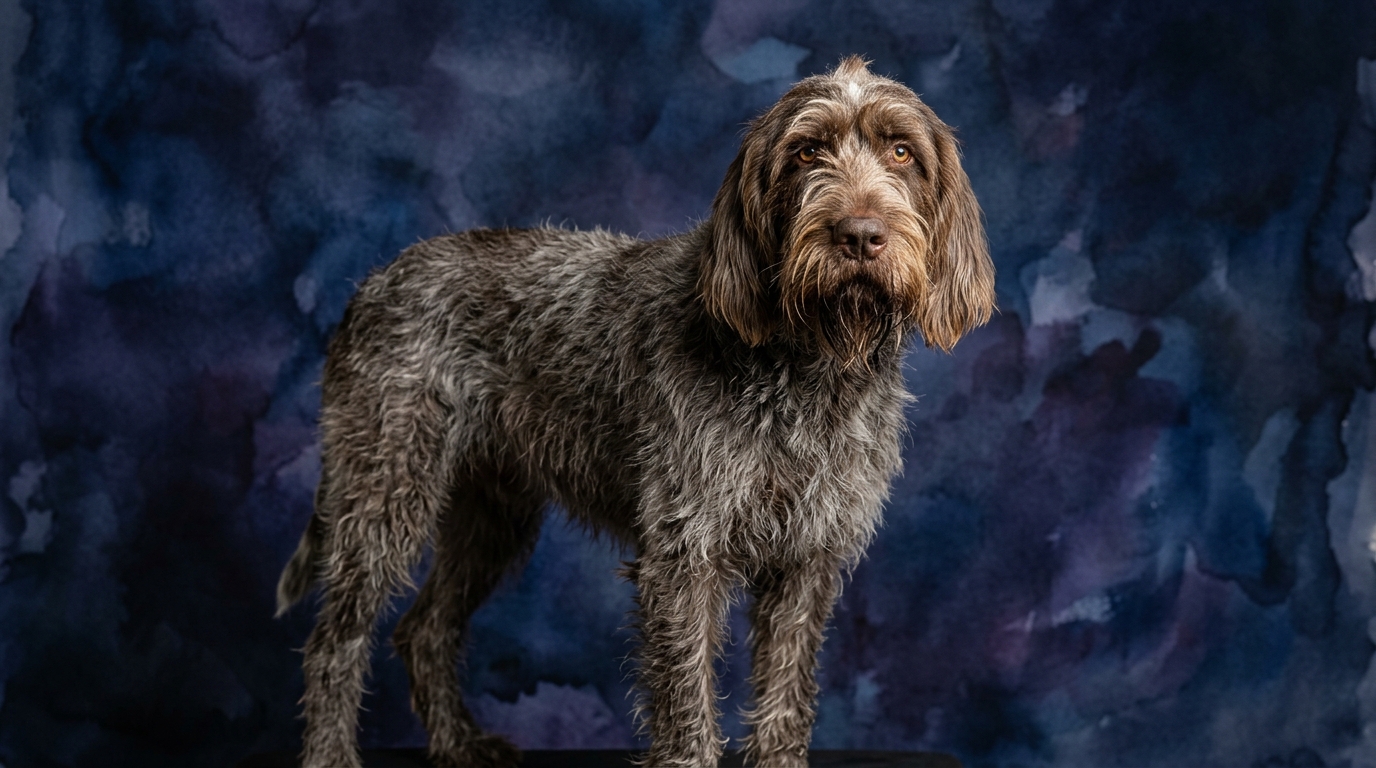
The Spinone Italiano, a Sporting breed, exhibits a practical, methodical approach to problem-solving (3/5), favoring real-world solutions over abstract reasoning. Their persistence, often more than quick insight, helps them navigate challenges like locating a hidden object or traversing varied terrain, making them reliable in practical scenarios. They learn new commands at an average pace (3/5), thriving on consistent positive reinforcement. Their inherent desire to please makes them willing participants, though their calm, deliberate nature means they require patience and clear communication to solidify new behaviors. Possessing an amiable social intelligence (3/5), Spinoni read human moods and intentions reasonably well, adapting smoothly to family dynamics. They typically forge strong bonds and offer a steady, agreeable presence, but their social awareness is more about gentle accord than highly nuanced, intuitive understanding of subtle cues. Their instinctive drive (3/5), moderate but persistent, is rooted in their gundog heritage—a desire to scent, track, and retrieve. This manageable drive requires regular outlets like scent work or outdoor exploration, focusing on their historical working role without becoming overwhelming. Finally, the Spinone exhibits a solid, reliable memory (3/5) for routines, learned commands, and familiar people and places. They retain training well with consistent reinforcement, contributing to their dependable nature and making them capable of stable daily life and practical task retention.
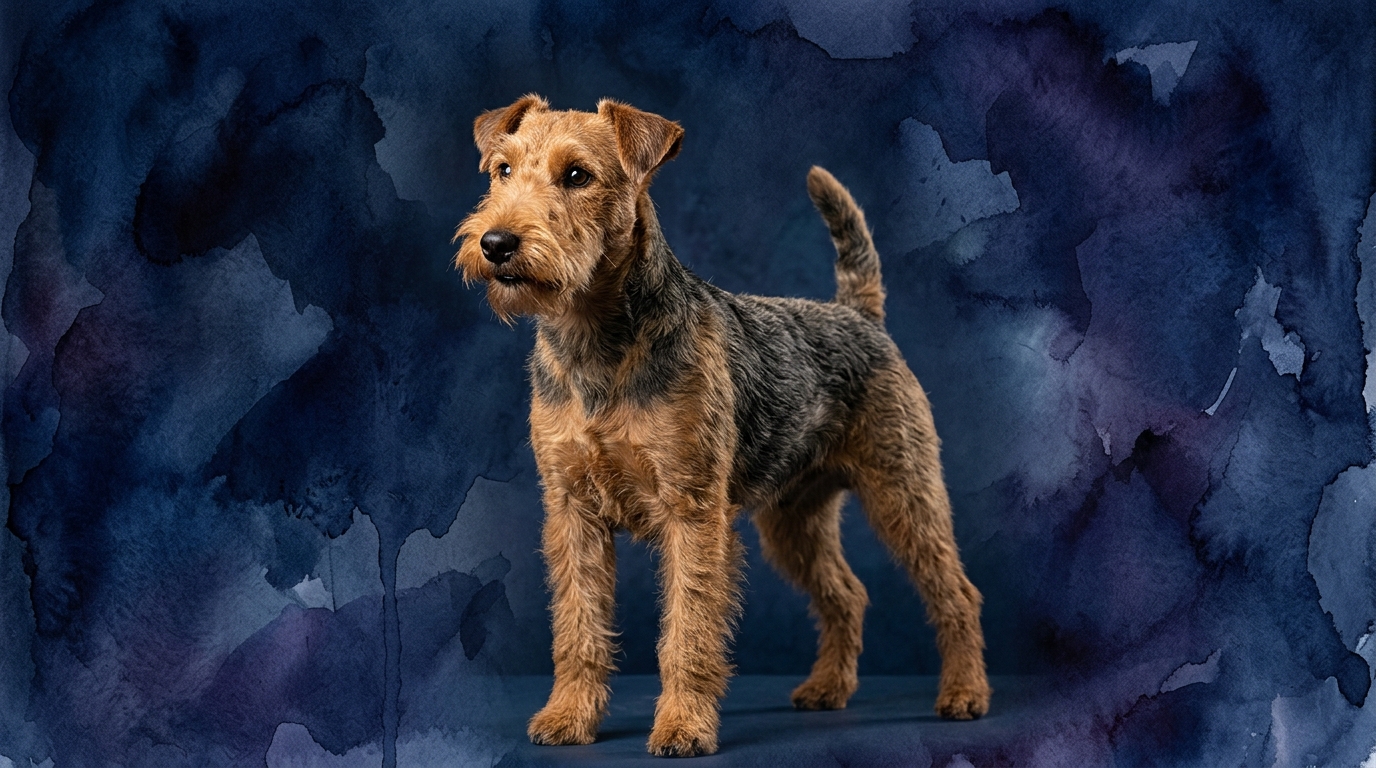
The Welsh Terrier, a tenacious Terrier, demonstrates problem-solving skills (3/5) marked by their independent nature, adept at figuring out ways to achieve their own goals, such as finding a hidden treat or navigating an obstacle. Their approach is driven by strong will and resourcefulness, sometimes leading to creative solutions not always aligned with owner intentions. Welsh Terriers learn at an average speed (3/5), but their training is heavily influenced by their independent streak; compliance depends on their motivation. Training demands creativity, consistency, and engaging rewards to overcome occasional stubbornness and ensure reliable performance. They display a loyal, discerning social intelligence (3/5), forming deep bonds with family while often being reserved with strangers. They read trusted humans effectively but process interactions through an independent lens, asserting their will and valuing their place within their chosen 'pack.' Their instinctive drive (3/5), moderate but persistent, stems from their terrier heritage—a strong impulse to chase, dig, and hunt small prey. This requires consistent management and appropriate outlets like secure digging areas or active play to prevent it from becoming disruptive. Welsh Terriers possess a robust memory (3/5) for commands, routines, and experiences, especially those highly rewarding or unpleasant. They retain training well, but also recall past events that challenged their spirit, contributing to their consistent personality and tenacious hold on habits.
Where the Spinone Italiano Wins Cognitively
While both breeds share a 3/5 rating across all cognitive dimensions, the Spinone Italiano's specific expression of these abilities lends itself to a more cooperative and consistent cognitive profile in many domestic settings. Their problem-solving, though not groundbreaking, is often directed towards assisting their human companions, making them more predictable and less inclined to 'solve' problems that contradict household rules. This cooperative inclination, stemming from their Sporting heritage, means their 'average' social intelligence often translates into a more uniformly gentle and adaptable temperament, making them generally easier to integrate into diverse social environments and multi-pet households without significant conflict.
Where the Welsh Terrier Wins Cognitively
Conversely, the Welsh Terrier's unique manifestation of its 3/5 cognitive scores gives it an edge in situations demanding tenacious independence and self-reliance. Their problem-solving, though sometimes challenging for owners, makes them incredibly resourceful in navigating their environment and achieving their goals, a trait invaluable for a working terrier. This independent streak, combined with their strong memory, means they are less likely to be deterred by minor setbacks and will persistently pursue an objective once set. Their social intelligence, while more selective, fosters intensely loyal bonds with their core family, making them formidable and dedicated protectors within their perceived 'pack.'
Which is Easier to Train and Why
Determining which breed is 'easier' to train when both share a 3/5 training speed rating comes down to understanding their intrinsic motivations and behavioral drives. The Spinone Italiano, with its Sporting dog heritage, generally approaches training with a desire to please its handler. While they learn at an average pace, their calm demeanor and cooperative spirit mean they are often more forgiving of handler errors and more consistent in their responses once a command is understood. They thrive on positive reinforcement and appreciate a steady, predictable training routine, making them generally more straightforward for novice trainers. Their 3/5 social intelligence often translates to a greater willingness to defer to human leadership, smoothing the training process significantly.
The Welsh Terrier, despite also learning at an average pace, presents a different set of training dynamics due to its terrier independence and tenacity. While intelligent, their compliance is often conditional; they need to be convinced that performing a command is more rewarding or interesting than pursuing their own agenda. This means training requires significant creativity, consistency, and a strong understanding of positive reinforcement to make sessions engaging enough to capture and hold their attention. Their 3/5 instinctive drive, particularly their prey drive, can be a strong distraction, requiring careful management during training. While capable of learning a great deal, their occasional stubbornness and self-reliance mean a trainer must be patient, persistent, and adept at making training feel like a collaborative game rather than a series of directives.
Which Suits Active Owners vs. Relaxed Owners
When considering an active versus relaxed lifestyle, both breeds require a moderate level of engagement, but the type of activity differs significantly. The Spinone Italiano, while a Sporting breed, is known for its more laid-back energy within the home, earning it the nickname 'the gentle giant.' They require daily exercise to maintain physical and mental well-being, enjoying long walks, hiking, or field work where they can utilize their scenting abilities. However, they are equally content to relax with their family after their exercise needs are met, making them suitable for active owners who also appreciate quiet evenings. Their 3/5 instinctive drive is purposeful but not frantic, allowing for a balanced activity level.
The Welsh Terrier, conversely, possesses a more persistent and energetic disposition, characteristic of the terrier group. While also needing daily physical exercise, their mental stimulation needs are often higher due to their independent and inquisitive nature. They thrive on activities that engage their problem-solving skills and instinctive drives, such as agility, earthdog trials, or vigorous play sessions that mimic hunting. A relaxed owner might find the Welsh Terrier's consistent need for engagement and potential for mischief overwhelming. They are better suited for active owners who enjoy structured play, training challenges, and can provide consistent outlets for their tenacious energy and keen intellect, preventing boredom and destructive behaviors.
The Verdict
Choose the Spinone Italiano if you seek a cooperative, gentle companion who learns at a steady pace and contributes a calm, amiable presence to your home, thriving with consistent, positive guidance and moderate daily activity.
Opt for the Welsh Terrier if you are an experienced, active owner who appreciates a tenacious, independent intellect, thrives on engaging a dog with creative training, and can provide consistent outlets for their spirited energy and problem-solving drive.
🧠 Find Your Pet's IQ Score
Our Pet IQ Lab assessment covers 25+ tests across 5 cognitive dimensions — personalized to your breed.
Take the Full IQ Test →Frequently Asked Questions
Do Spinone Italianos or Welsh Terriers shed a lot?
Spinone Italianos have a dense, wiry coat that sheds moderately, requiring regular brushing and occasional hand-stripping. Welsh Terriers have a wiry, dense double coat that sheds minimally, making them a good choice for some allergy sufferers, but they require regular hand-stripping or professional grooming to maintain their coat.
Are Spinone Italianos good with children and other pets?
Spinone Italianos are generally known for their gentle and patient temperament, making them typically good with children and often amenable to living with other pets, especially when properly socialized from a young age. Their 3/5 social intelligence often translates to an agreeable nature.
What kind of exercise do Welsh Terriers need daily?
Welsh Terriers require daily vigorous exercise, including brisk walks, playtime in a secure yard, or structured activities like agility or earthdog trials that engage their natural instincts and problem-solving abilities. Their 3/5 instinctive drive means they need consistent outlets for their energy to prevent boredom.