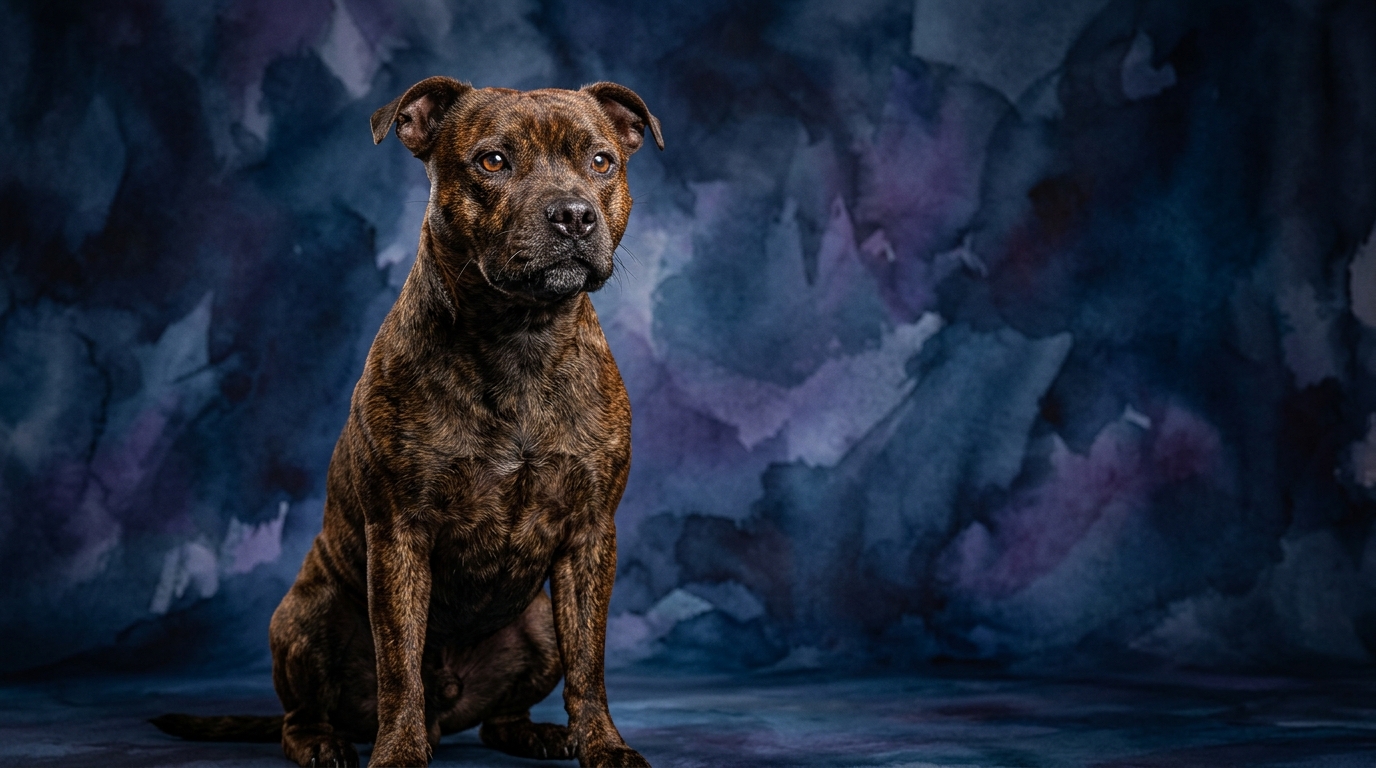
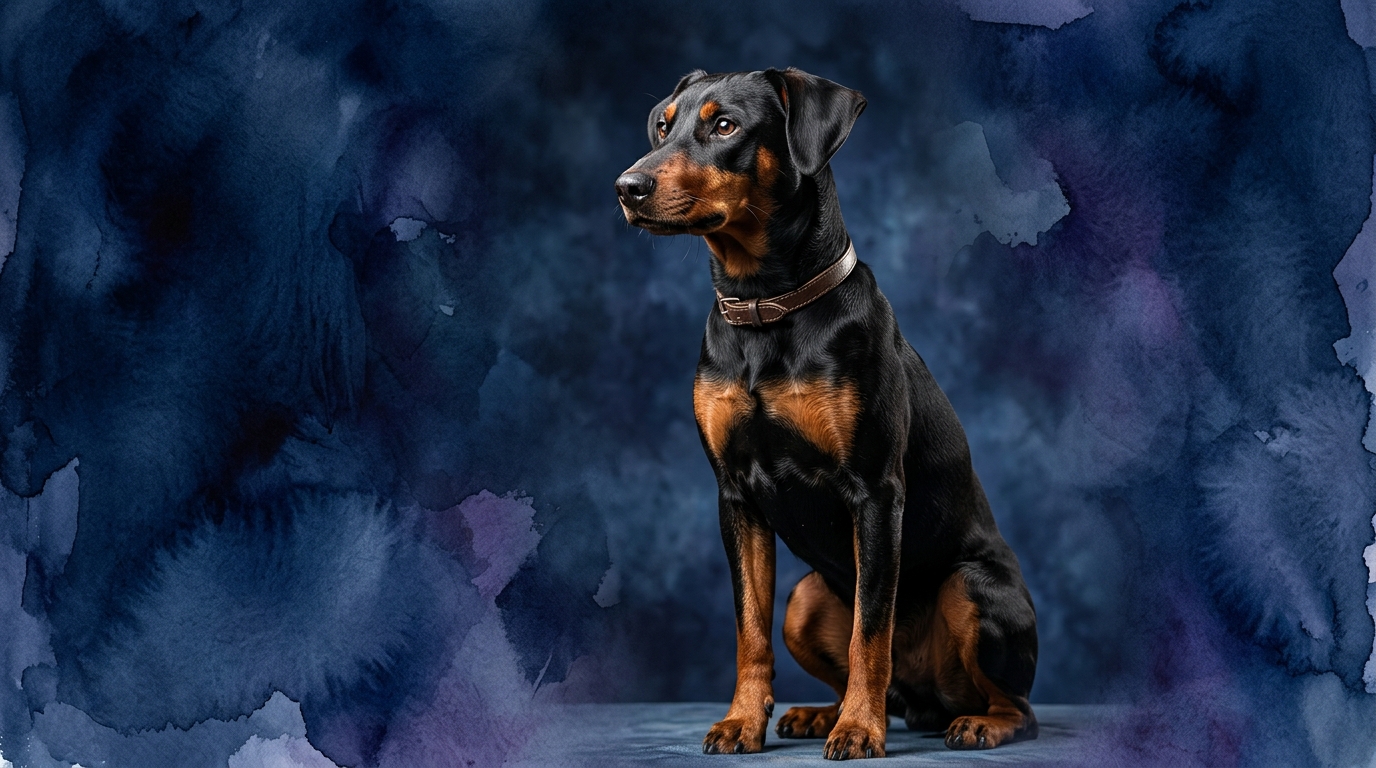
Side-by-Side IQ Profile
**Staffordshire Bull Terrier (Staffie)**: Staffies approach challenges with a tenacious spirit, often employing sheer determination. Their problem-solving might manifest as finding creative ways to reach a desired toy or navigating a complex play environment, driven by their strong desire for interaction and reward. This isn't about intricate strategy, but rather persistent, physical engagement with obstacles. While eager to please their beloved humans, Staffies can also exhibit a characteristic terrier stubbornness. They learn commands at a moderate pace, thriving on positive reinforcement and engaging training methods that feel like play. Consistency is paramount to ensure lessons stick and attention is maintained. Staffies often display a deep emotional connection with their immediate family, reading human moods with surprising sensitivity. Their social intelligence shines in their ability to bond closely and offer comfort. However, their interactions with unfamiliar dogs can be more guarded, reflecting their historical purpose and inherent terrier assertiveness. Their instinctive drive is a blend of strong prey drive – often directed at small, fast-moving objects or small animals – and an intense desire for physical play and engagement. Digging and tugging are common outlets for this drive, stemming from their terrier heritage. They are also driven by a need for companionship. Staffies possess a solid memory for routines, learned commands, and the people and places they associate with positive experiences. They quickly recall where their favorite toys are hidden or the sequence of events leading to a walk, making them reliable in established habits.
**German Pinscher (GP)**: German Pinschers tackle problems with an observant and often strategic mindset, typical of a working breed. Their problem-solving might involve figuring out how to bypass a gate, understanding complex multi-step tasks, or assessing environmental changes that require a response, leaning into their inherent watchfulness and adaptability. German Pinschers learn quickly, often grasping new commands with relative ease. However, their independent nature and strong will mean they require a confident, consistent handler. They excel when training is structured, varied, and taps into their innate drive to perform tasks and understand their role. GPs are highly attuned to their surroundings and the social dynamics within their household and beyond. Their social intelligence is evident in their protective instincts, their ability to discern friend from foe, and their careful assessment of new situations or individuals. They often observe before engaging, demonstrating a nuanced understanding of social cues. Their instinctive drive is rooted in their history as vermin hunters and guard dogs. This manifests as a strong prey drive, often directed at rodents, and a powerful territorial instinct to protect their home and family. They have a strong drive to be alert and to "work" in a protective or watchful capacity. German Pinschers exhibit a robust memory, particularly for people, places, and established boundaries or rules. They remember training cues, past interactions, and any perceived threats, contributing to their reliability as guardians and their ability to follow complex sequences of commands learned over time.
Where Staffordshire Bull Terrier Wins Cognitively
While both breeds share a 3/5 across the board, the Staffie's particular cognitive strengths shine in areas demanding intense emotional attunement and resilient determination. Their social intelligence, though rated identically, often manifests as a profound empathy within their trusted family circle. A Staffie might more readily pick up on subtle shifts in a human's mood, offering comfort or initiating play to lighten the atmosphere, demonstrating a specific form of emotional problem-solving. Furthermore, their problem-solving, though not always strategic, is often coupled with an unmatched tenacity. A Staffie attempting to retrieve a deeply wedged toy will display a relentless, persistent effort, driven by their strong desire for interaction and reward, often outlasting a more analytical approach. This sheer force of will in pursuit of a goal can be a cognitive "win" in certain contexts.
Where German Pinscher Wins Cognitively
The German Pinscher's cognitive strengths, while numerically equivalent, often lean towards a more observational and task-oriented application of their intellect. Their problem-solving capabilities are frequently tied to assessing situations and executing appropriate responses, a legacy of their working heritage. A GP might excel at figuring out how to open a specific gate or understanding the sequence of events required for a complex trick, showing a more analytical and sequential approach to challenges. Their social intelligence is keenly tuned to environmental awareness and protection; they are adept at discerning nuances in the presence of strangers or unusual sounds, often anticipating potential issues before they arise. This proactive vigilance, coupled with a strong memory for perceived threats or changes in routine, gives the German Pinscher an edge in contexts requiring alertness and situational assessment.
Which is Easier to Train and Why
Despite both breeds having a 3/5 in Training Speed, the nuances of their temperaments make for different training experiences. The Staffordshire Bull Terrier, while potentially stubborn due to its terrier heritage, often possesses an intense desire to please its human companions and a strong drive for positive attention. This eagerness, coupled with their robust memory for positive associations, can make them quite responsive to reward-based training methods, especially when training is made fun and engaging. They thrive on clear, consistent communication and feel-good interactions. In contrast, the German Pinscher, with its independent and watchful nature, requires a more experienced and assertive handler. While quick to grasp concepts, a GP's strong will means they might challenge authority or require more mental stimulation and varied tasks to maintain focus. Their training benefits from a firm, fair approach that establishes clear boundaries and channels their working drive into productive learning.
Which Suits Active Owners vs Relaxed Owners
Both breeds are energetic, but their activity needs stem from different cognitive and instinctive drives. The Staffordshire Bull Terrier suits active owners who enjoy interactive play, frequent walks, and engaging in activities like tug-of-war, fetch, or even dog sports that emphasize agility and close partnership. Their cognitive need for social interaction and physical engagement means they thrive on being part of family activities and require consistent mental and physical outlets to prevent boredom. A relaxed owner might find a Staffie too demanding for attention and activity without proper engagement. The German Pinscher also requires significant activity, appealing to owners who appreciate a dog with a purpose. Their working background means they benefit from structured exercise, advanced obedience, agility, or even protection work that stimulates their observational and problem-solving skills. They need mental challenges to prevent boredom and destructive behaviors. While they can relax indoors, their "off-duty" time is often interspersed with periods of alert observation, making them less suited for purely sedentary lifestyles.
The Verdict
Choose the Staffordshire Bull Terrier if you seek a deeply empathetic companion who thrives on close family interaction and persistent, engaging play, and you are prepared for consistent, positive reinforcement training.
Opt for the German Pinscher if you desire a vigilant, intelligent partner for an experienced handler, who excels with structured training, purposeful activities, and a role that allows them to utilize their keen observational and protective instincts.
🧠 Find Your Pet's IQ Score
Our Pet IQ Lab assessment covers 25+ tests across 5 cognitive dimensions — personalized to your breed.
Take the Full IQ Test →Frequently Asked Questions
Do Staffordshire Bull Terriers or German Pinschers have a higher capacity for learning complex tricks?
Both breeds demonstrate a 3/5 in Training Speed and Memory, indicating a solid capacity for learning. The Staffie might excel with tricks involving physical agility and positive reinforcement due to their eagerness to please, while the GP might master complex, multi-step routines that tap into their problem-solving and observational skills with a consistent handler.
How do their social intelligence scores of 3/5 manifest differently in a home environment?
The Staffie's 3/5 social intelligence often means deep emotional attunement to their immediate human family, showing affection and understanding moods. The GP's 3/5 social intelligence is more outwardly focused, manifesting as keen awareness of their surroundings, protective instincts towards their home, and careful assessment of new people or situations.
Given their identical instinctive drive scores, what are the key differences in their natural behaviors?
Both have a 3/5 instinctive drive, but its expression differs. The Staffie's drive often centers on intense physical play, digging, and a strong prey drive for small, moving objects. The German Pinscher's drive is typically geared towards guarding, territorial vigilance, and a strong prey drive for vermin, reflecting their historical working roles.