Side-by-Side IQ Profile: Unpacking the Shared Scores
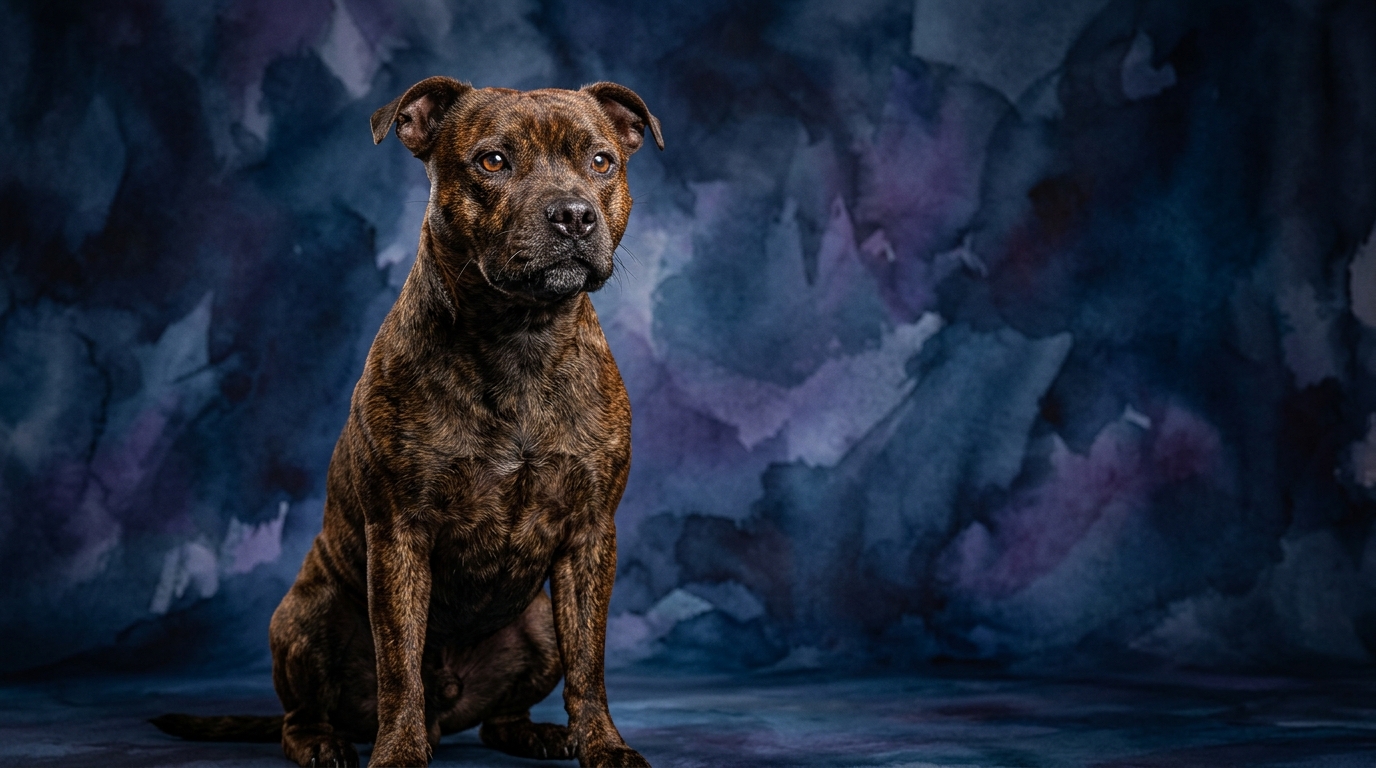
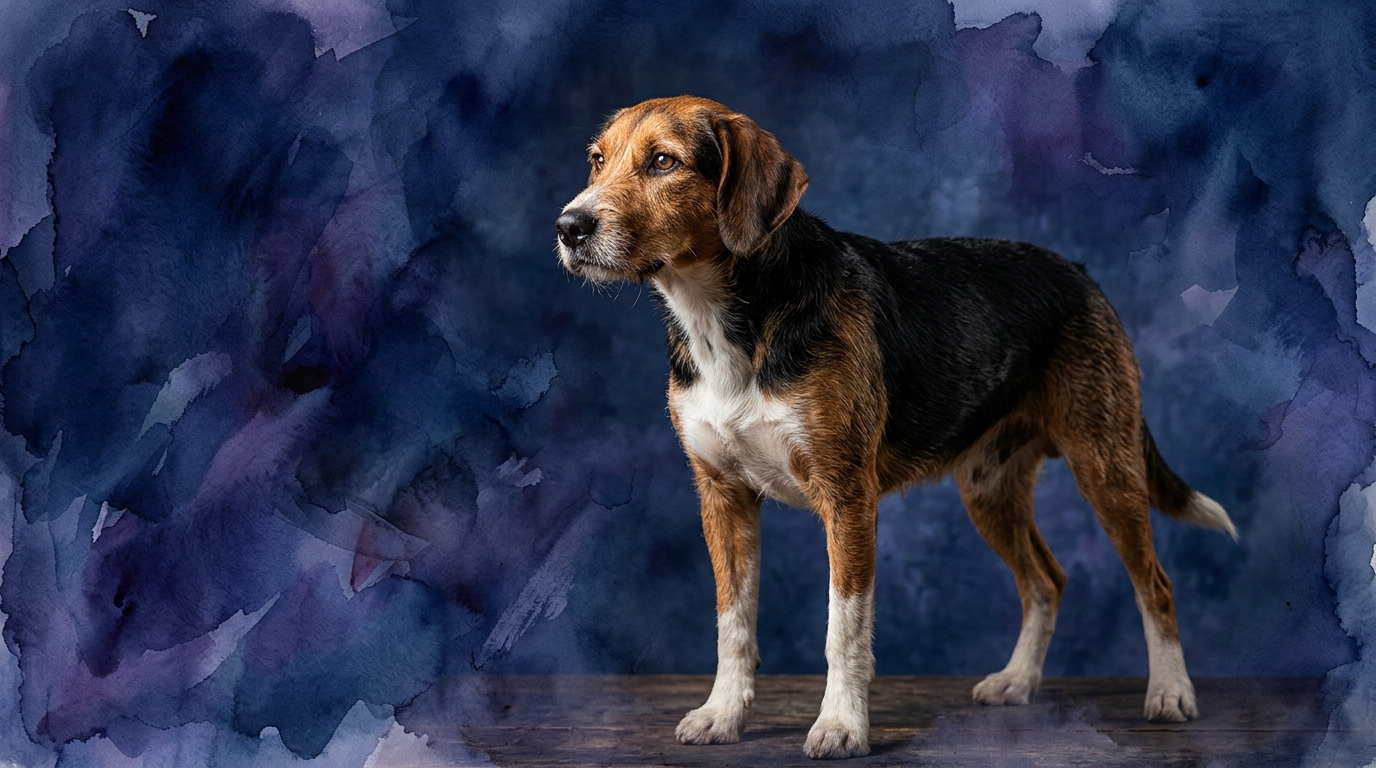
At first glance, the Staffordshire Bull Terrier and the Harrier appear to be cognitive mirror images, each scoring a consistent 3 out of 5 across all five dimensions of The Cosmic Pet Pet IQ Lab's assessment. However, these identical scores manifest through distinct breed-specific lenses, shaped by their historical roles and inherent temperaments. A '3/5' in any category suggests a solid, competent ability that is neither exceptional nor notably challenged, but the *flavor* of that competence varies significantly.
For the **Staffordshire Bull Terrier**, a '3/5' in Problem Solving often translates to a determined approach to navigating their immediate environment to achieve personal comfort or interaction with their beloved humans. They might figure out how to access a favorite toy from a tricky spot or creatively solicit attention, driven by their strong desire for companionship. Their Training Speed, also at '3/5', indicates they learn consistently, though their strong will and independent streak can sometimes require patience and engaging, reward-based methods to keep them focused. Social Intelligence at '3/5' reflects their deep attunement to human emotions and their capacity for forming strong bonds, often prioritizing their family unit above all else. Their Instinctive Drive, a '3/5', is rooted in their terrier heritage, manifesting as a moderate but present urge to chase or dig, which needs appropriate outlets. Lastly, a '3/5' in Memory means they reliably retain commands and experiences, both positive and negative, making early positive reinforcement crucial.
The **Harrier**, with identical '3/5' scores, expresses these capacities differently due to their hound lineage. Their Problem Solving '3/5' is often demonstrated in their ability to track complex scent trails over varied terrain, navigating obstacles with persistent focus to achieve their objective of following a scent. Training Speed at '3/5' for a Harrier means they learn steadily, but their deep-seated instinct to follow their nose can make maintaining focus challenging, especially in stimulating environments. Motivation often needs to be high-value and consistent. Social Intelligence at '3/5' typically manifests as strong pack awareness; they generally interact well with other dogs and understand canine social cues, though their human interactions might be more functional, revolving around activity or their primary caretakers. Their Instinctive Drive, also a '3/5', is a powerful, intrinsic urge to scent, chase, and run, which is central to their identity and requires significant fulfillment. Their Memory '3/5' is reliable for routes, established routines, and the intricacies of scent work, retaining information pertinent to their working heritage.
Where the Staffordshire Bull Terrier Wins Cognitively
While their numerical scores are identical, the Staffordshire Bull Terrier often demonstrates a distinct edge in cognitive tasks that prioritize human connection and nuanced social understanding within a family setting. Their '3/5' in Social Intelligence, when viewed through the lens of their breed, suggests a more profound capacity for emotional reciprocity with humans. Staffies often display an uncanny ability to read their owner's mood, offering comfort or initiating play at opportune moments. This isn't just about recognizing cues, but responding with genuine empathy and a desire to connect. Their problem-solving, while rated 3/5, frequently involves strategies to engage with their people, such as cleverly retrieving a dropped item to prompt interaction or finding the most comfortable spot to be near their family members. This human-centric problem-solving, driven by their deep affection, gives them a unique cognitive advantage in domestic environments where companionship is paramount.
Where the Harrier Wins Cognitively
The Harrier, conversely, showcases its cognitive strengths in areas demanding independent thought, sustained focus on external stimuli, and the processing of complex environmental information. Their '3/5' in Problem Solving, driven by their hound instincts, excels when faced with challenges requiring them to follow a trail, navigate an unfamiliar landscape, or work cooperatively within a canine group to achieve a goal. This isn't about solving puzzles for human approval, but about effectively executing their innate purpose. Their '3/5' Instinctive Drive, while numerically matching the Staffie's, translates into a superior cognitive capacity for scent discrimination and retention, allowing them to process and remember intricate olfactory data over long periods. This specialized form of memory and problem-solving, honed over centuries for hunting, grants them a clear cognitive advantage in tasks requiring sustained, independent work driven by their powerful nose, far surpassing the Staffie's generalist approach to external stimuli.
Which is Easier to Train and Why: Behavioral Nuances
Despite both breeds scoring '3/5' in Training Speed, the practical experience of training them can differ considerably due to their underlying motivations and behavioral predispositions. The Staffordshire Bull Terrier, often characterized by its eagerness to please its chosen people, tends to respond well to positive reinforcement methods that incorporate praise, play, and treats. Their strong desire for human approval means they are generally receptive to learning commands that deepen their bond with their owner. While they can exhibit a stubborn streak, particularly if they don't see the immediate benefit or are otherwise engaged, their focus is typically on their human handler, making it easier to capture and maintain their attention in a structured training session. Their social intelligence also means they often pick up on subtle cues and intentions quickly.
The Harrier, by contrast, presents a different training dynamic. While equally capable of learning, their '3/5' Training Speed is often influenced by their powerful scent drive and independent nature. A Harrier's nose is constantly at work, and even the most engaging training session can be disrupted by an intriguing whiff of something outside. Their historical role as a pack hunter means they are less inherently focused on pleasing a single human and more on fulfilling their innate drive. Training a Harrier requires immense patience, consistency, and highly engaging, high-value rewards to compete with the allure of their environment. They may learn commands, but recall, for instance, can be particularly challenging outdoors if they've caught a compelling scent, as their instinctive drive can override learned behaviors more readily than a Staffie's.
Which Suits Active Owners vs. Relaxed Owners
The choice between a Staffordshire Bull Terrier and a Harrier also hinges significantly on an owner's lifestyle, particularly their activity levels and willingness to engage with breed-specific needs. The Staffordshire Bull Terrier, while active and playful, generally adapts well to various living situations as long as their core needs for exercise and companionship are met. Their '3/5' Instinctive Drive means they enjoy vigorous play sessions, walks, and mental stimulation, but they are equally content to curl up on the couch with their family. An active owner will find a willing partner for adventures, but a moderately active owner who prioritizes quality time and consistent engagement will also find a Staffie a suitable companion. They thrive on human interaction and can become bored or destructive if left isolated, making them ideal for owners who are present and involved.
The Harrier, however, is unequivocally suited for highly active owners who embrace an outdoor, endurance-focused lifestyle. Their '3/5' Instinctive Drive, expressed as a powerful urge to run, explore, and follow scents, necessitates substantial daily exercise that goes beyond a simple walk around the block. These are dogs bred for sustained effort over long distances, and without adequate physical and mental outlets for their drives, they can become restless, vocal, or engage in undesirable behaviors. Owners who enjoy long hikes, trail running, or even participating in scent work or agility will find a Harrier a tireless and enthusiastic partner. For relaxed owners who prefer a more sedentary routine, the Harrier's inherent needs would likely lead to frustration for both dog and human, as their cognitive and physical well-being is deeply tied to fulfilling their ancestral purpose.
The Verdict: When to Choose Each
The Verdict
Choose the Staffordshire Bull Terrier if you seek a loyal, emotionally intelligent companion who thrives on close human interaction and fits well into a moderately active family life, appreciating their balanced cognitive approach to their world. They are best for owners who prioritize companionship and are willing to engage in consistent, positive training.
Opt for the Harrier if you are a highly active, outdoor-oriented individual or family prepared to commit to extensive daily exercise and mental stimulation that satisfies a profound scent and chase drive, valuing their independent, purpose-driven intelligence. They are ideal for owners who can provide ample opportunities for their hound instincts to flourish.
🧠 Find Your Pet's IQ Score
Our Pet IQ Lab assessment covers 25+ tests across 5 cognitive dimensions — personalized to your breed.
Take the Full IQ Test →Frequently Asked Questions
Given their identical training speed scores, are Staffies and Harriers equally easy to train?
While both breeds score 3/5 in training speed, the practical ease of training differs. Staffies, driven by a desire to please their humans, often respond more readily to interaction-based rewards. Harriers, with their strong independent and scent drives, require more persistent, high-value motivation to maintain focus against environmental distractions.
How do their social intelligence scores of 3/5 translate to interactions with other pets?
A Staffie's 3/5 social intelligence often means they are deeply bonded with their human family but might require careful, supervised introductions to other dogs due to their terrier nature. Harriers, with their pack heritage, typically integrate well into multi-dog households and understand canine social dynamics, though they may view smaller pets as prey due to their strong chase drive.
Do both breeds require similar amounts of mental stimulation despite their different drives?
Both breeds benefit from mental stimulation, but the *type* differs. Staffies enjoy puzzle toys and interactive games that involve their human, tapping into their problem-solving and social intelligence. Harriers thrive on activities that engage their powerful nose, such as scent work or exploring new environments, which fulfills their instinctive drive.