Side-by-Side IQ Profile: Unpacking Their Aptitudes
The Cosmic Pet Pet IQ Lab assesses canine intelligence across five critical dimensions, assigning a score out of five to each. Intriguingly, both the Staffordshire Bull Terrier and the Lhasa Apso register a consistent 3/5 across all categories, indicating a solid, adaptable level of cognitive function. However, the *manifestation* of these scores differs significantly between the breeds, reflecting their divergent ancestral roles and physical builds.
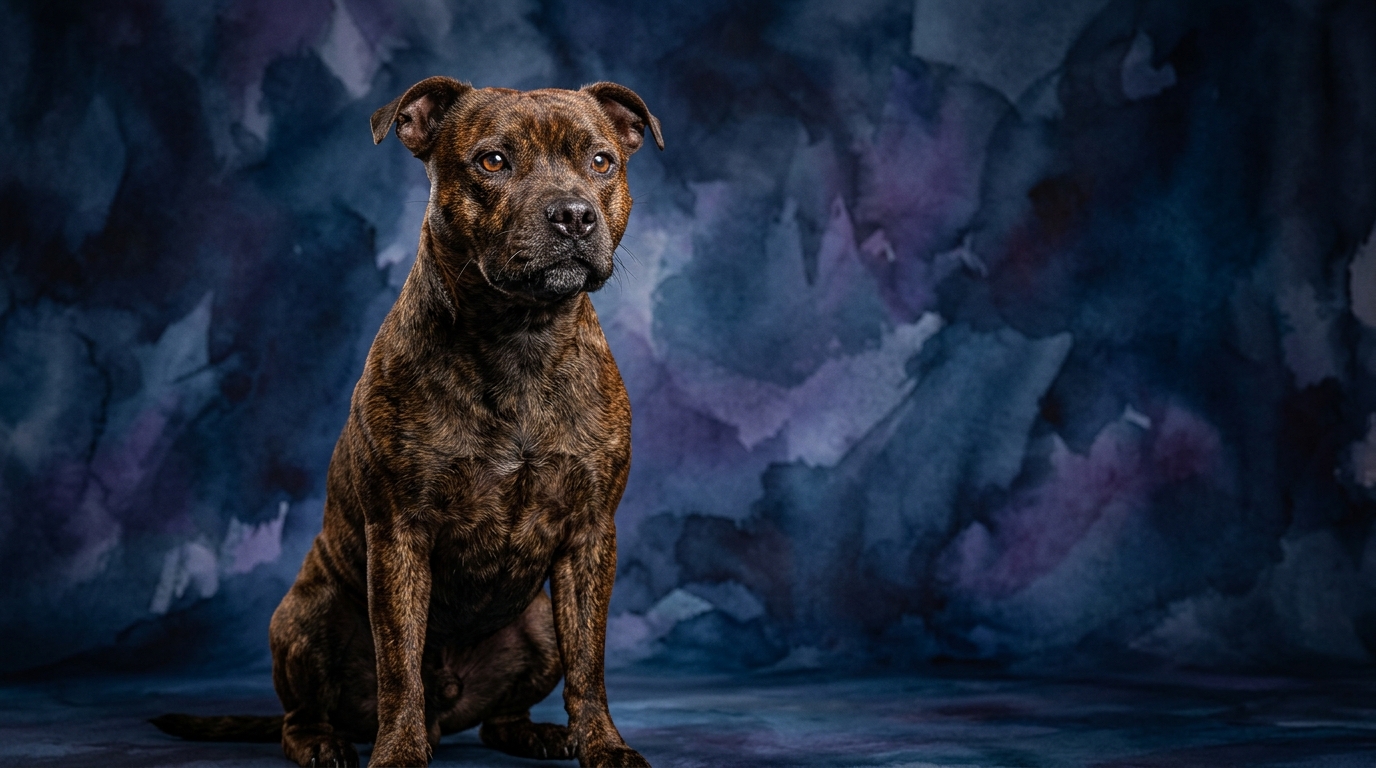
For the Staffordshire Bull Terrier, a 3/5 in Problem Solving often translates to a determined approach to physical challenges, utilizing their strength and tenacity to overcome obstacles or figure out how to access desired items. Their Training Speed at 3/5 suggests they grasp commands with reasonable consistency, particularly when the training engages their playful nature and strong desire for interaction. Social Intelligence at 3/5 means they are generally adept at reading human emotions within their trusted circle, but their robust nature may require careful socialization to extend this understanding to novel situations or other animals. Their Instinctive Drive, also 3/5, often manifests as a strong bond with their family, coupled with a propensity for energetic play or a focused pursuit of toys. Memory at 3/5 indicates they retain learned behaviors and routines effectively, benefiting from consistent reinforcement.
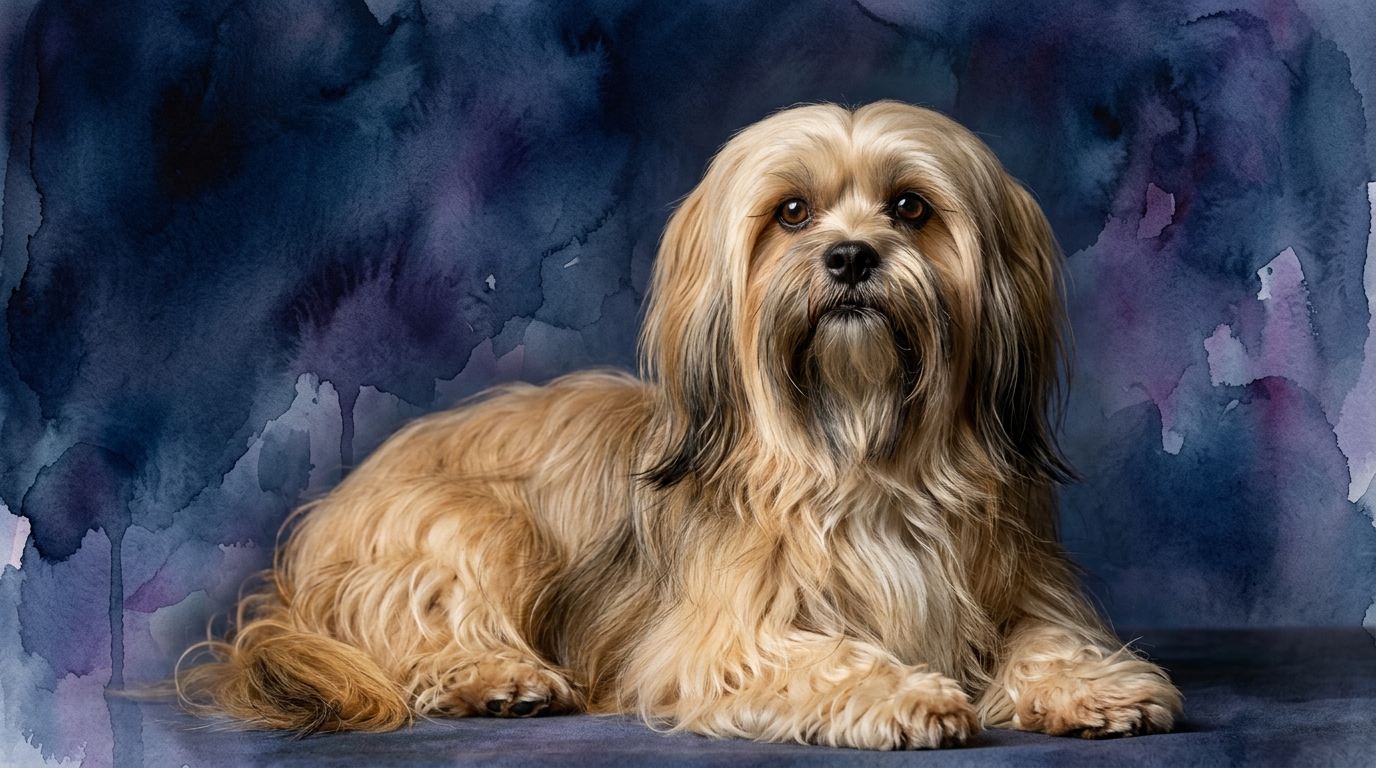
The Lhasa Apso, conversely, applies its 3/5 Problem Solving capacity to more nuanced challenges, such as navigating household dynamics to secure comfort or attention, or subtly manipulating their environment. Their 3/5 Training Speed indicates they learn, but often with a thoughtful, independent streak that necessitates patient, positive reinforcement rather than forceful instruction. Social Intelligence at 3/5 for a Lhasa Apso often means a keen awareness of their immediate family's moods and routines, yet they may exhibit a reserved or discerning demeanor with strangers, a trait stemming from their historical role as alert dogs. Their Instinctive Drive, also 3/5, frequently centers around their protective instincts for their home and people, manifesting as alert barking or a steadfast guarding of their personal space. Memory at 3/5 allows them to recall specific commands and preferences, contributing to their ability to establish predictable routines within their environment.
Where the Staffordshire Bull Terrier Demonstrates Cognitive Advantages
The Staffordshire Bull Terrier's cognitive strengths often shine in scenarios demanding physical engagement and a robust, forward-moving approach. Their 3/5 Problem Solving, combined with their muscular build and determined spirit, allows them to excel at tasks requiring physical manipulation or overcoming tangible barriers. For instance, they might more readily figure out how to open a gate or retrieve a toy from a complex setup by sheer persistence and physical effort. Their 3/5 Instinctive Drive translates into an enthusiastic pursuit of activities like fetch, agility, or interactive puzzle toys that challenge them physically. This drive, when channeled appropriately, makes them highly responsive to training that incorporates movement and play, fostering a quick grasp of commands related to physical actions. The Staffie's social intelligence, while rated 3/5, often manifests as a strong, demonstrative affection for their family, making them particularly attuned to their primary caregivers' emotional states and eager to participate in shared activities. This strong bond can make them highly motivated to cooperate in training, viewing it as a shared endeavor.
Where the Lhasa Apso Exhibits Cognitive Strengths
The Lhasa Apso's cognitive profile, while sharing the 3/5 scores, leans into subtlety, observation, and a discerning nature. Their 3/5 Problem Solving often manifests in their ability to orchestrate situations to their advantage, such as finding the sunniest spot for a nap or subtly communicating their desires to their owners through specific behaviors. This breed's 3/5 Social Intelligence is particularly evident in their keen observation of household routines and their ability to detect novel sounds or changes in their environment, making them exceptional alert dogs. They possess a remarkable capacity to differentiate between familiar and unfamiliar, often reserving their full social engagement for their inner circle. Their 3/5 Instinctive Drive, rooted in their historical role, fuels their vigilant nature and a steadfast loyalty to their family and territory. This gives them an edge in tasks requiring quiet vigilance or a precise memory for specific patterns, like remembering exactly where a treat was hidden or the precise timing of their owner's return. Their memory, at 3/5, serves their discerning nature well, allowing them to recall past interactions and apply that knowledge to current situations, often leading to a wise, almost knowing demeanor.
Training Dynamics: Which Breed is Easier and Why?
Determining which breed is 'easier' to train is less about raw cognitive capacity and more about their inherent motivations and temperaments. Both breeds score 3/5 in Training Speed, indicating they are capable learners, but their approach to learning differs. The Staffordshire Bull Terrier, with its strong desire to please its family and robust energy levels, often responds enthusiastically to positive, play-based training. Their eagerness to engage and their physical prowess mean they can quickly pick up commands when training is made fun and rewarding, often seeing it as an extension of their bond with their owner. Consistency and clear expectations are key, as their determination can sometimes be channeled into less desirable behaviors if not guided.
The Lhasa Apso, on the other hand, possesses an independent and sometimes stubborn streak, a legacy of their solitary guarding role in Tibetan monasteries. Their 3/5 Training Speed means they learn, but they may require more patience and a more nuanced approach. They are less driven by a desire to overtly please and more by their own perceived advantage or comfort. Training a Lhasa Apso necessitates building a strong foundation of trust and respect, using positive reinforcement consistently and avoiding harsh methods that can make them withdraw. They respond best to trainers who understand their thoughtful nature and can make learning a rewarding experience on their own terms, often excelling in tasks that appeal to their observational skills and desire for routine rather than high-energy physical demands.
Matching Breeds to Lifestyles: Active vs. Relaxed Owners
The cognitive and behavioral profiles of these two breeds naturally align with different owner lifestyles. The Staffordshire Bull Terrier, with its energetic application of its 3/5 Problem Solving and Instinctive Drive, thrives with active owners who enjoy regular physical activity and mental engagement. They benefit from owners who can channel their robust determination and playful spirit into structured activities like long walks, vigorous play sessions, or even dog sports. Their social intelligence, while strong within their family, requires consistent exposure and training for broader social interactions, making them suitable for owners committed to ongoing socialization. An active owner who provides consistent engagement and clear boundaries will find the Staffie to be a devoted and responsive companion.
The Lhasa Apso, conversely, often suits owners with a more relaxed or contemplative lifestyle. While they enjoy walks and playtime, their exercise needs are generally moderate, and their 3/5 Instinctive Drive often manifests as a preference for comfort and vigilance within their home environment. Their keen observational skills and discernment make them excellent companions for individuals who appreciate a dog with a strong personality and a watchful nature. Owners who value a dog that is content to be a discerning companion, often observing rather than constantly participating, will find the Lhasa Apso a fulfilling match. Their independence means they can tolerate periods of quiet solitude, but their social intelligence ensures they remain deeply connected to their chosen family, albeit on their own terms.
The Verdict
Choose the Staffordshire Bull Terrier if you are an active owner seeking an enthusiastic, physically robust companion eager for engaging activities and deep family bonds, prepared to channel their determination with consistent training.
Opt for the Lhasa Apso if you prefer a discerning, vigilant, and somewhat independent companion with moderate exercise needs, who thrives in a calm home and offers subtle yet profound companionship.
🧠 Find Your Pet's IQ Score
Our Pet IQ Lab assessment covers 25+ tests across 5 cognitive dimensions — personalized to your breed.
Take the Full IQ Test →Frequently Asked Questions
Do Staffordshire Bull Terriers do well with other pets?
Staffordshire Bull Terriers, with their 3/5 social intelligence, can coexist peacefully with other pets, especially if raised together from a young age and properly socialized. Their strong instinctive drive and robust nature mean careful introductions and consistent supervision are crucial to ensure harmonious relationships.
Are Lhasa Apsos difficult to train due to their independence?
Lhasa Apsos, scoring 3/5 in training speed, are not inherently difficult to train, but their independent nature requires patience and positive reinforcement. They respond best to consistent, reward-based methods that respect their discerning personality, building trust rather than demanding obedience.
Which breed is better for apartment living?
Both breeds can adapt to apartment living with appropriate exercise and mental stimulation, but the Lhasa Apso's more moderate exercise needs and vigilant nature might make it a slightly more natural fit. A Staffordshire Bull Terrier in an apartment would require more dedicated daily outdoor activity to satisfy its robust energy and instinctive drive.