Side-by-Side IQ Profile: Unpacking the Dimensions
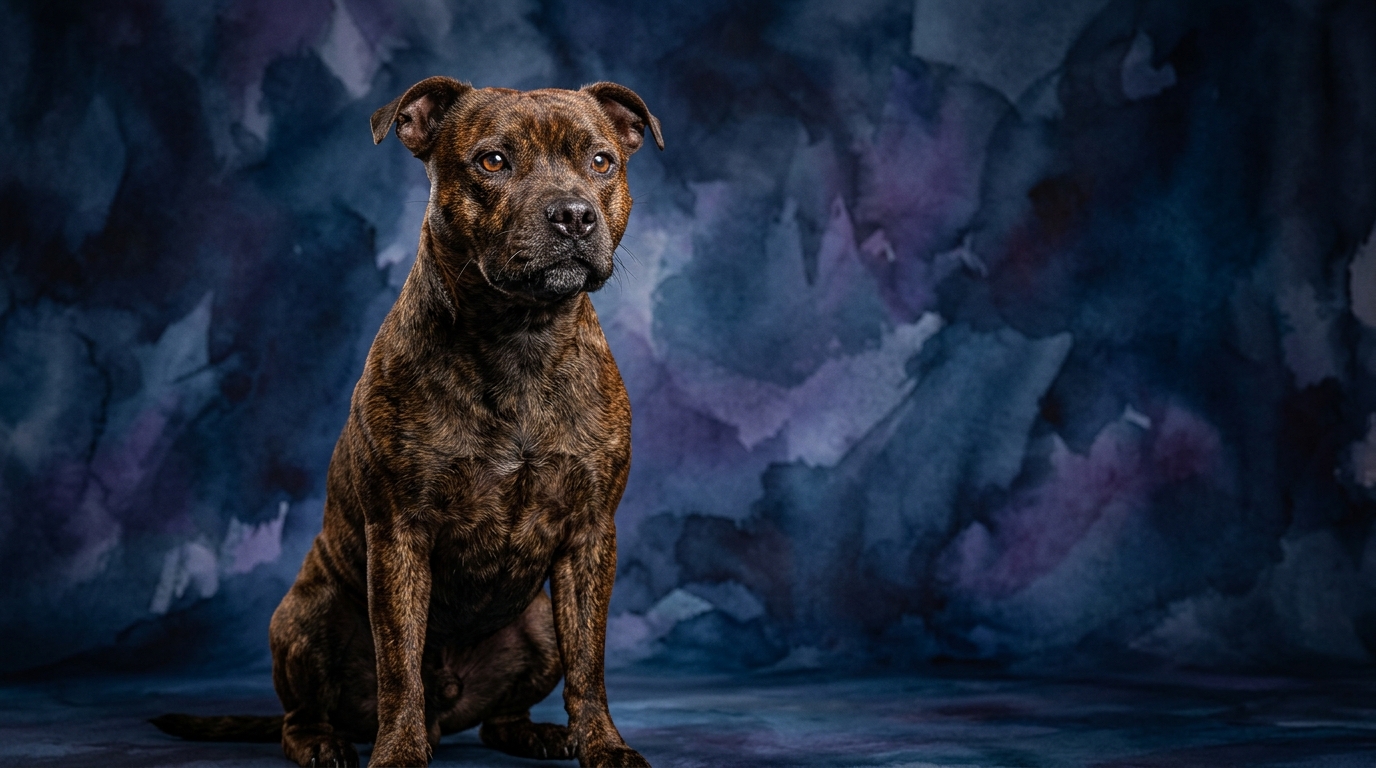
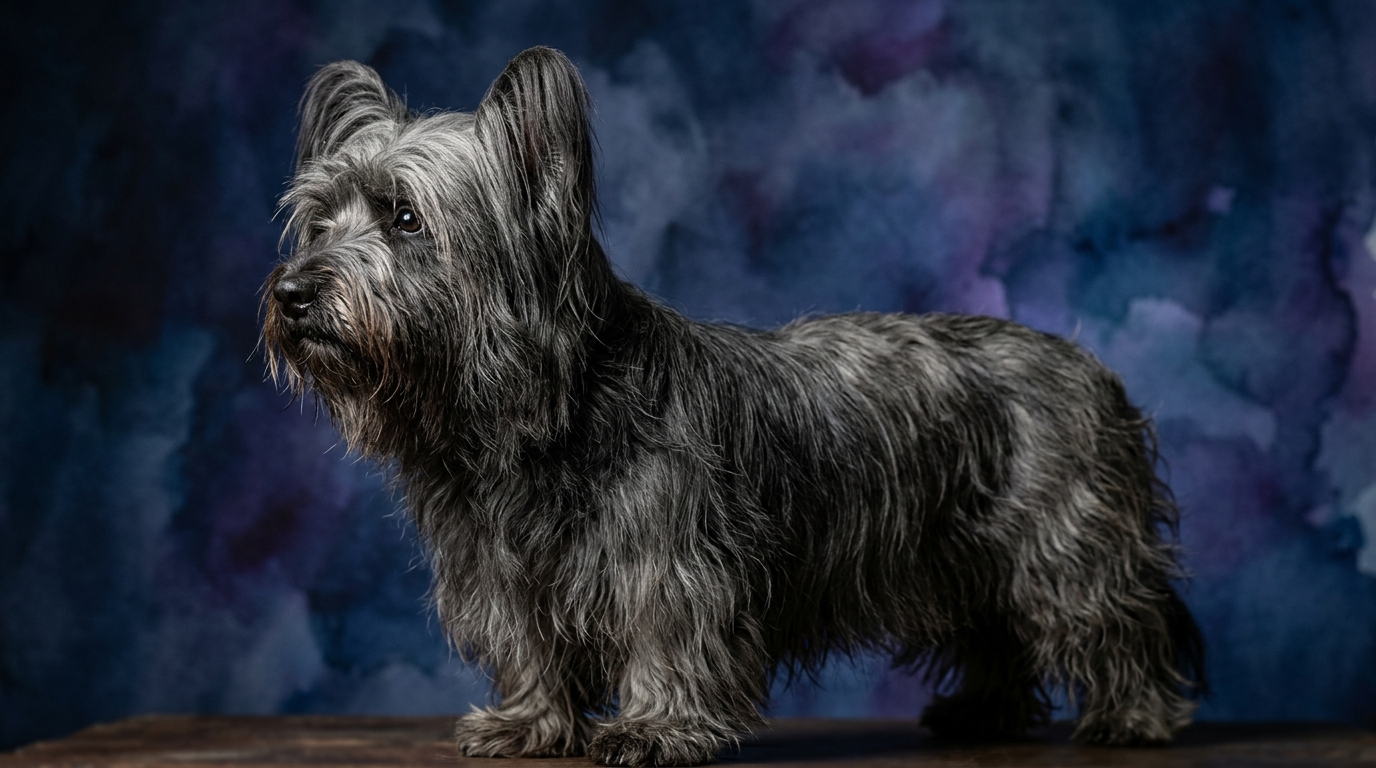
The Staffordshire Bull Terrier and the Skye Terrier both register a consistent 3/5 across all five cognitive dimensions in The Cosmic Pet Pet IQ Lab, presenting a fascinating case study in how identical numerical scores can manifest in varied breed-specific ways. This moderate scoring indicates a solid foundation of cognitive ability, but the application and interpretation of these scores are deeply informed by each breed's unique heritage and temperament.
For Problem Solving (3/5), both breeds demonstrate a moderate capacity to navigate novel situations or overcome minor obstacles. A Staffy might exhibit this through determined efforts to retrieve a favorite toy from under furniture, applying physical strength and persistence, while a Skye Terrier might methodically explore an unfamiliar scent trail, using careful observation to solve the puzzle of its origin.
Training Speed (3/5) suggests a moderate pace of learning new commands and behaviors for both. Staffordshire Bull Terriers often show an enthusiastic willingness to engage, learning effectively with consistent, positive reinforcement, though their exuberance can sometimes be a distraction. Skye Terriers, while equally capable of learning, tend to be more thoughtful and discerning, requiring patience and methods that respect their independent spirit.
Their Social Intelligence (3/5) means both breeds possess a moderate ability to interpret human cues and interact appropriately within their social spheres. A Staffy typically forms strong, demonstrative bonds with their immediate family, showing clear discernment towards strangers, while a Skye Terrier's social acumen often involves a more reserved, observational approach, carefully assessing new individuals and environments before forming connections.
Instinctive Drive (3/5) is present in both breeds, reflecting their terrier heritage, but its expression differs. The Staffy's drive might lean towards robust play, chasing, and a protective instinct for their loved ones, often channeled into interactive games. The Skye Terrier's drive is more traditionally rooted in scent work and persistent pursuit, reflecting their historical role as hunters of burrowing prey, which they might express through focused exploration or digging.
Finally, Memory (3/5) indicates a moderate retention of learned behaviors and experiences for both. They will remember routines, commands, and significant events, requiring consistent reinforcement for less frequently practiced skills. A Staffy will recall the joy of a particular park visit, while a Skye Terrier might distinctly remember the location of a favored napping spot or a specific route taken on a walk.
Where the Staffordshire Bull Terrier Excels Cognitively
Despite identical scores, the Staffordshire Bull Terrier often presents distinct cognitive advantages for certain owners, particularly in their application of social intelligence and problem-solving. Their 3/5 social intelligence frequently translates into an open, demonstrative affection and unwavering loyalty towards their primary family unit, making them exceptionally attuned to the emotional states of their closest humans. This isn't just about reading cues, but about actively seeking connection and offering comfort, which can feel like a profound cognitive strength in a family setting.
Their 3/5 problem-solving, when combined with their natural tenacity and physical robustness, makes them adept at navigating physical challenges or understanding cause-and-effect in interactive play. For instance, a Staffy might quickly figure out how to manipulate a puzzle toy to release treats through sheer determined effort and repetitive action, demonstrating a practical, goal-oriented intelligence that thrives on engagement and reward. They excel at tasks requiring a blend of mental focus and physical execution, often driven by their strong desire to please or achieve a tangible outcome.
Where the Skye Terrier Shines Cognitively
The Skye Terrier's unique expression of their 3/5 cognitive scores highlights different, yet equally valuable, strengths. Their social intelligence, while rated the same, manifests as a more discerning and dignified approach, allowing them to observe and assess new situations with a quiet perceptiveness. This isn't aloofness, but a thoughtful caution, enabling them to make nuanced judgments about new people or environments. They excel at reading subtle social cues, often preferring to form deep bonds with a select few rather than engaging broadly, showcasing a refined social acumen.
Their 3/5 instinctive drive, deeply rooted in their history as tenacious hunters of burrowing prey, translates into an exceptional focus and persistence for specific tasks, particularly those involving scent or exploration. Their problem-solving in this context is highly specialized, allowing them to meticulously track and investigate, demonstrating a cognitive strength in sustained, independent pursuit. This focused drive means they excel at tasks that engage their senses and allow for methodical investigation, making them impressive in activities like scent work or finding hidden objects through careful deduction rather than brute force.
Trainability: Unpacking the '3/5 Training Speed'
While both breeds share a 3/5 rating for Training Speed, their temperaments dictate different training approaches and perceived ease for owners. The Staffordshire Bull Terrier generally presents as eager to please and highly motivated by praise, play, and food. Their enthusiasm and desire for human interaction mean they often engage readily in training sessions, learning new commands with consistent, positive reinforcement. However, their robust energy and potential for distraction require a trainer to maintain focus and make sessions engaging and short. They respond well to clear boundaries and positive reinforcement, quickly understanding what is expected of them, especially when it involves working alongside their beloved humans.
The Skye Terrier, on the other hand, while equally capable of learning, often approaches training with a more independent and thoughtful demeanor. Their 3/5 training speed means they absorb information steadily, but they are less inclined to perform simply to please; they need to understand the 'why' or find inherent value in the task. This can translate into perceived stubbornness if training isn't approached with patience, respect, and creativity. Harsh methods are counterproductive and can lead to withdrawal. Owners must build a strong bond of trust and make training feel like a collaborative effort, often using positive reinforcement and making exercises mentally stimulating. Their strong instinctive drive for independent exploration can make recall challenging without dedicated, high-value reinforcement.
Lifestyle Match: Active vs. Relaxed Owners
The identical 3/5 instinctive drive scores for both breeds don't tell the full story of their daily energy requirements. The Staffordshire Bull Terrier, despite their moderate drive, typically exhibits a robust, energetic presence that thrives in an active household. They are generally ready for adventure, enjoying vigorous play, long walks, and engaging in family activities. Their social intelligence means they genuinely want to be a part of everything, making them ideal for owners who enjoy regular outdoor excursions and interactive play sessions. They are not typically content to be left alone for extended periods and flourish when their physical and social needs are consistently met by an engaged, active owner.
Conversely, the Skye Terrier, while possessing the same 3/5 instinctive drive, expresses it with a more understated elegance. They appreciate regular, moderate exercise, such as daily walks or opportunities to explore a secure garden, but are equally content to spend significant time relaxing indoors with their family. Their problem-solving might be directed more towards investigating scents on a stroll than sustained high-impact activities. They are well-suited to owners who appreciate a dignified companion, one who offers calm companionship but still provides opportunities for their keen senses and independent spirit to be satisfied through mentally stimulating games or leisurely explorations. They fit seamlessly into a more relaxed home environment, provided their need for attention and occasional outdoor adventures is met.
The Verdict
Choose a Staffordshire Bull Terrier if you seek a devoted, physically active companion eager to share in family life and engage in playful, energetic activities. Their robust loyalty and enthusiasm make them a joyful, participatory member of an active household.
Opt for a Skye Terrier if you appreciate a refined, thoughtful companion who enjoys moderate activity balanced with serene indoor companionship. Their dignified independence and keen observational skills make them a discerning, loyal friend for a more relaxed yet engaged owner.
🧠 Find Your Pet's IQ Score
Our Pet IQ Lab assessment covers 25+ tests across 5 cognitive dimensions — personalized to your breed.
Take the Full IQ Test →Frequently Asked Questions
Do identical IQ scores mean these breeds behave identically?
Not at all. While both breeds score 3/5 across the board in our IQ lab, their inherent breed characteristics and historical roles shape how these cognitive abilities are expressed. A Staffy's 3/5 social intelligence, for example, often manifests as boisterous affection, while a Skye Terrier's might appear as discerning observation.
Which breed is better for a first-time dog owner?
The Staffordshire Bull Terrier, with their eagerness to please and generally robust nature, might be slightly more forgiving for a first-time owner committed to consistent positive training. The Skye Terrier's independent streak and sensitive nature often benefit from an owner with some prior experience in understanding terrier personalities and building trust.
How do their instinctive drives differ despite the same score?
Both have a 3/5 instinctive drive, but its direction varies significantly. The Staffy's drive often channels into energetic play and protective instincts for their family, while the Skye Terrier's is more aligned with their historical vermin-hunting role, manifesting as a strong interest in scent work and independent exploration.