Side-by-Side IQ Profile: Standard Schnauzer vs. American Staffordshire Terrier
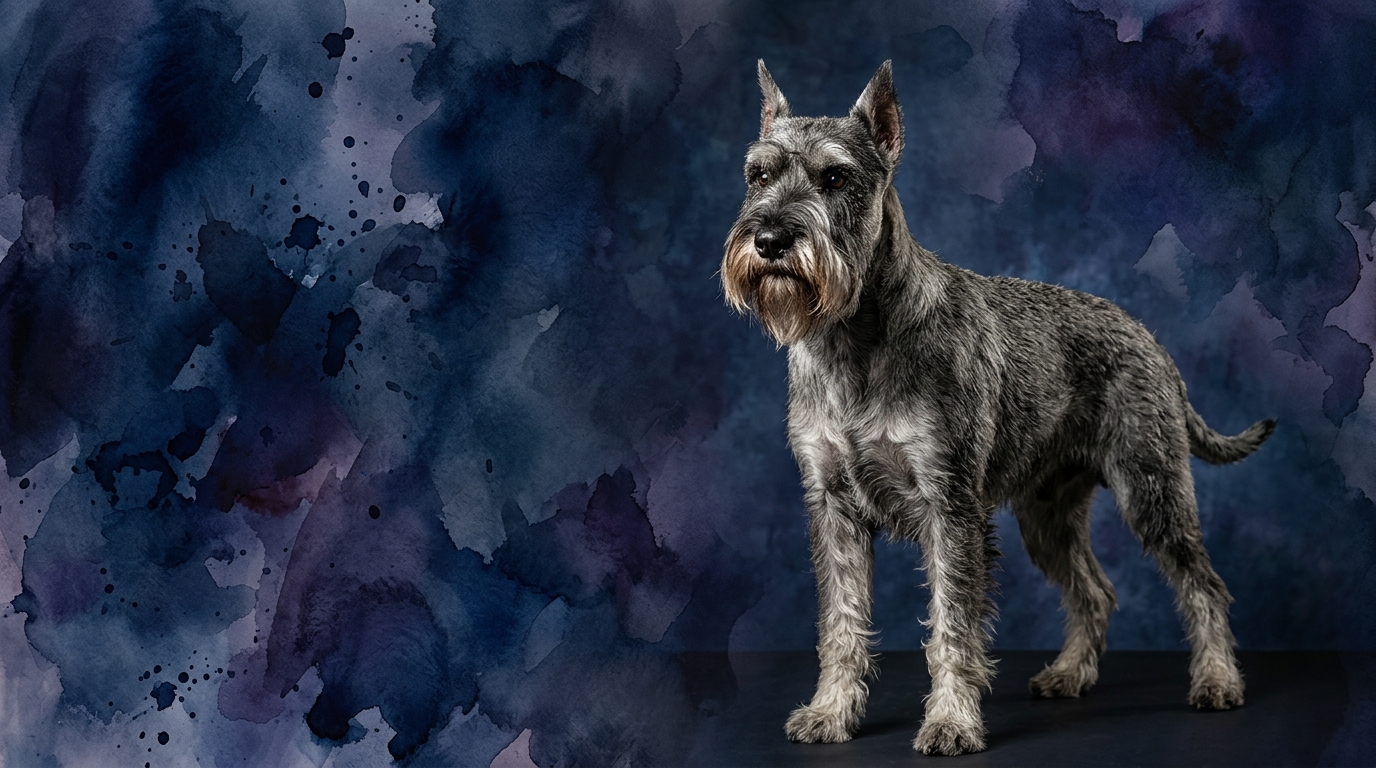
At The Cosmic Pet Pet IQ Lab, we evaluate canine cognition across five crucial dimensions. The Standard Schnauzer, ranking #22 in Coren's intelligence scale, presents a profile marked by agility and purpose. Its Problem Solving is rated at 4/5, indicating a resourceful nature and a capacity for independent thought, allowing it to navigate complex situations with cleverness. Training Speed also scores 4/5, reflecting its eagerness and ability to quickly grasp new commands and routines, making it a responsive learner. Social Intelligence is 3/5, suggesting a good understanding of human cues and emotions, though perhaps with a reserved demeanor compared to more overtly expressive breeds. Instinctive Drive, at 3/5, points to a moderate inherent impulse for working tasks, characteristic of its heritage without being overwhelmingly intense. Finally, its Memory is a strong 4/5, enabling excellent retention of learned behaviors and established patterns.
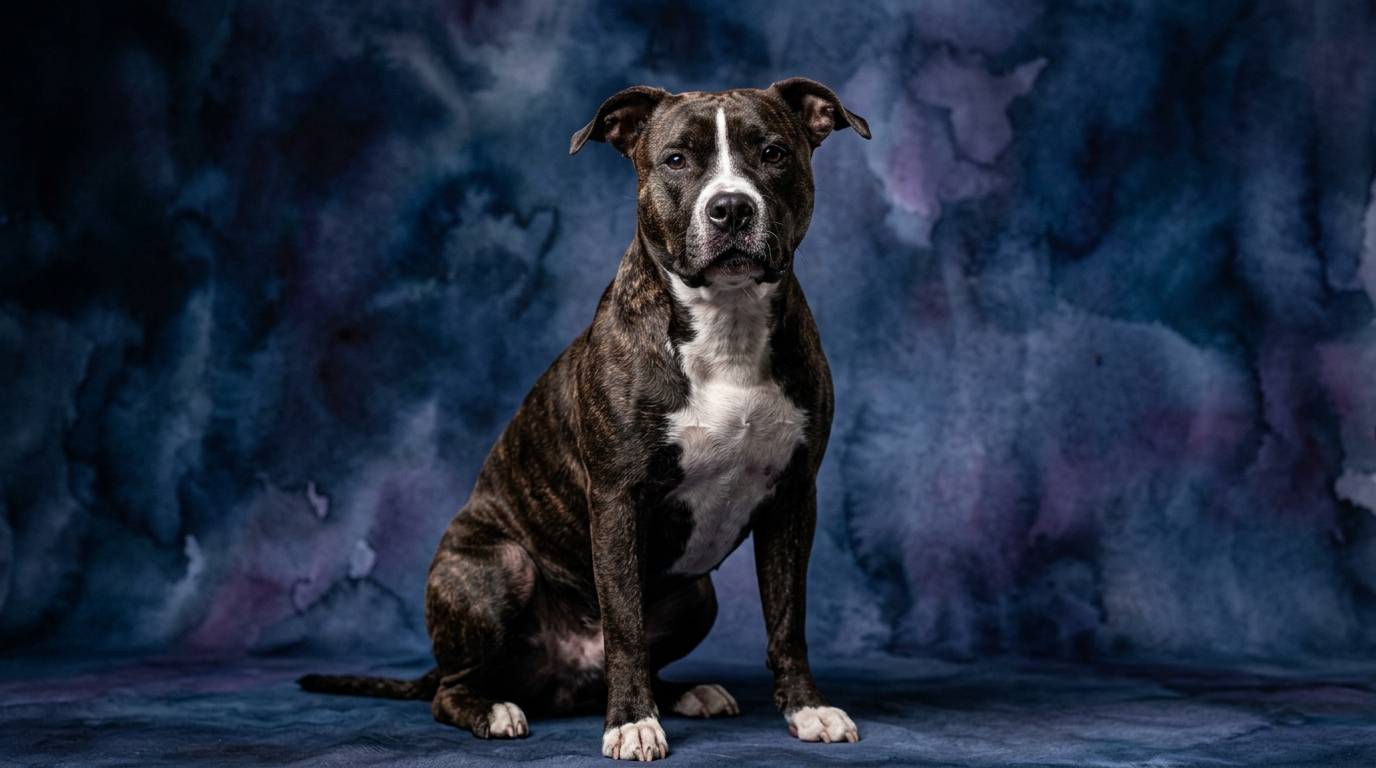
The American Staffordshire Terrier, positioned at #48 in Coren's rankings, offers a profile built on tenacity and strong bonds. Its Problem Solving capacity is 3/5, meaning it can tackle challenges, often with persistence and determination, though it might not always seek the most direct or innovative solution. Training Speed is rated 3/5, indicating a consistent learning ability that thrives on positive reinforcement and clear guidance, though it may require more repetition than some quicker studies. Social Intelligence matches the Schnauzer at 3/5, highlighting its capacity to connect deeply with people and understand their moods, fostering strong companion relationships. Instinctive Drive, also 3/5, reflects its terrier heritage of spiritedness and focus, often channeled into play or companionship rather than specific tasks. Its Memory is a notable 4/5, allowing it to remember experiences, routines, and lessons with impressive recall, which is a significant asset in building reliable habits.
Where the Standard Schnauzer Wins Cognitively
The Standard Schnauzer clearly outpaces the American Staffordshire Terrier in both Problem Solving and Training Speed. With a 4/5 in Problem Solving, the Schnauzer demonstrates a superior capacity for independent thought and strategic planning. This means when faced with a novel situation, such as a puzzle toy requiring multiple steps or an unexpected obstacle in their path, a Schnauzer is more likely to devise a solution independently, often with a clever, self-initiated approach. They are less prone to repetitive trial-and-error and more inclined to assess and react strategically.
Its 4/5 Training Speed score further solidifies its cognitive edge in learning new behaviors efficiently. Schnauzers tend to pick up commands and complex sequences with fewer repetitions, making training sessions highly productive. This quick uptake is not just about obedience; it reflects an ability to generalize learned concepts and apply them in different contexts, showcasing a flexible and adaptable cognitive framework. For owners who enjoy advanced obedience, agility, or trick training, the Schnauzer's faster cognitive processing offers a distinct advantage.
Where the American Staffordshire Terrier Excels Cognitively
While the American Staffordshire Terrier's scores for Problem Solving and Training Speed are slightly lower, its equal standing in Social Intelligence and Memory (both 3/5 and 4/5, respectively) highlights areas where its cognitive profile shines, particularly in the context of companionship and loyalty. Its 4/5 Memory is a profound asset, allowing it to retain positive and negative experiences, routines, and learned behaviors with remarkable accuracy. This excellent recall means that once a behavior or routine is firmly established through consistent training, an AmStaff is likely to remember and perform it reliably over time, creating a predictable and comforting daily rhythm for its family.
The AmStaff's 3/5 Social Intelligence, combined with its strong desire to bond, allows it to be deeply attuned to its human companions' emotional states. While the Schnauzer also possesses this trait, the AmStaff's naturally affectionate and people-oriented temperament often amplifies how this social intelligence is perceived and utilized within a family unit. They excel at reading subtle cues from their owners, making them empathetic companions who respond well to consistent, positive human interaction, fostering a profound and intuitive connection.
Which is Easier to Train and Why
Based on their cognitive profiles, the Standard Schnauzer is generally easier to train due to its higher scores in Training Speed (4/5) and Problem Solving (4/5). A Schnauzer's quick grasp of commands means fewer repetitions are needed for new behaviors to stick, and their problem-solving ability allows them to understand the 'why' behind a command more readily, reducing the likelihood of simply performing rote actions. For example, teaching a Schnauzer to retrieve a specific item might involve fewer attempts before they connect the verbal cue with the desired object and action, thanks to their capacity for independent thought and faster learning.
The American Staffordshire Terrier, with 3/5 in both Training Speed and Problem Solving, requires a more patient and consistent approach. While they are certainly capable learners, they may need more repetitions and a highly motivating training environment to solidify new skills. Their terrier tenacity means they can be persistent, which, if not channeled correctly, might manifest as stubbornness. For instance, an AmStaff might take longer to grasp a complex multi-step command, often relying on trial-and-error or strong positive reinforcement to guide them through. However, their strong memory (4/5) ensures that once a behavior is learned, it is well-retained, making consistency the key to unlocking their full training potential.
Which Suits Active Owners vs. Relaxed Owners
The Standard Schnauzer's cognitive profile, marked by superior problem-solving and training speed, aligns well with active owners who enjoy engaging their dogs in mentally stimulating activities. Owners who are keen on dog sports like agility, obedience trials, or advanced trick training will find the Schnauzer's quick learning and independent thinking highly rewarding. Their moderate instinctive drive (3/5) ensures they have the energy and focus for tasks without being overly intense, making them excellent partners for owners who appreciate a dog that can keep pace with an active, intellectually challenging lifestyle, including regular walks, hikes, and puzzle-solving games.
The American Staffordshire Terrier, with its strong memory and social intelligence, coupled with a moderate instinctive drive, is well-suited for owners who appreciate a devoted companion and are committed to consistent, positive reinforcement. While they enjoy activity, their cognitive strengths lean towards forming deep bonds and remembering routines, making them adaptable to both active and more relaxed home environments, provided their need for attention and structure is met. They thrive with owners who prioritize companionship, consistent training to build good habits, and provide outlets for their physical energy through play and walks, making them excellent family dogs who cherish their human interactions.
The Verdict: When to Choose Each Breed
Choosing between these two breeds hinges on the specific cognitive engagement an owner seeks and the lifestyle they offer. The Standard Schnauzer, with its sharp problem-solving skills and rapid training uptake, is an ideal match for owners eager to engage in advanced obedience, dog sports, or who simply appreciate a dog that can learn quickly and think for itself.
Conversely, the American Staffordshire Terrier, with its profound memory and social attunement, is perfect for owners seeking a loyal, affectionate companion who thrives on consistent routines and positive reinforcement, and who will flourish with a structured yet loving home life.
The Verdict
Choose the Standard Schnauzer if you desire a highly trainable dog for advanced obedience, dog sports, or intellectual challenges, benefiting from its quick learning and independent problem-solving abilities.
Opt for the American Staffordshire Terrier if you're looking for a deeply loyal and affectionate companion who excels with consistent routines and positive training, thriving on strong bonds and a structured home environment.
🧠 Find Your Pet's IQ Score
Our Pet IQ Lab assessment covers 25+ tests across 5 cognitive dimensions — personalized to your breed.
Take the Full IQ Test →Frequently Asked Questions
Does a higher Coren rank mean a dog is 'smarter' in every way?
The Coren ranking primarily reflects a dog's working and obedience intelligence, focusing on training speed and command retention. It doesn't encompass the full spectrum of cognitive abilities, such as social intelligence or problem-solving in novel situations, which are better assessed through our multi-dimensional IQ lab scores.
How does 'Instinctive Drive' impact a dog's daily life?
Instinctive Drive refers to a dog's inherent impulses, such as prey drive, herding instinct, or guarding tendencies. A moderate score (3/5) means these drives are present but manageable, influencing their need for specific outlets like fetch or structured 'work' without typically leading to overwhelming or difficult-to-redirect behaviors.
Can American Staffordshire Terriers be trained for complex tasks despite a lower 'Training Speed' score?
Absolutely. While an American Staffordshire Terrier might take more repetitions to learn complex tasks than a Standard Schnauzer, their strong memory (4/5) ensures that once a behavior is mastered, it is retained reliably. Patience, consistency, and highly motivating rewards are key to unlocking their full potential for complex training.