Side-by-Side Cognitive Profiles
The Cosmic Pet Pet IQ Lab employs a five-dimensional framework to assess canine intelligence, offering a nuanced understanding beyond simple obedience. Here's how the Standard Schnauzer and Kuvasz compare across these vital cognitive dimensions:
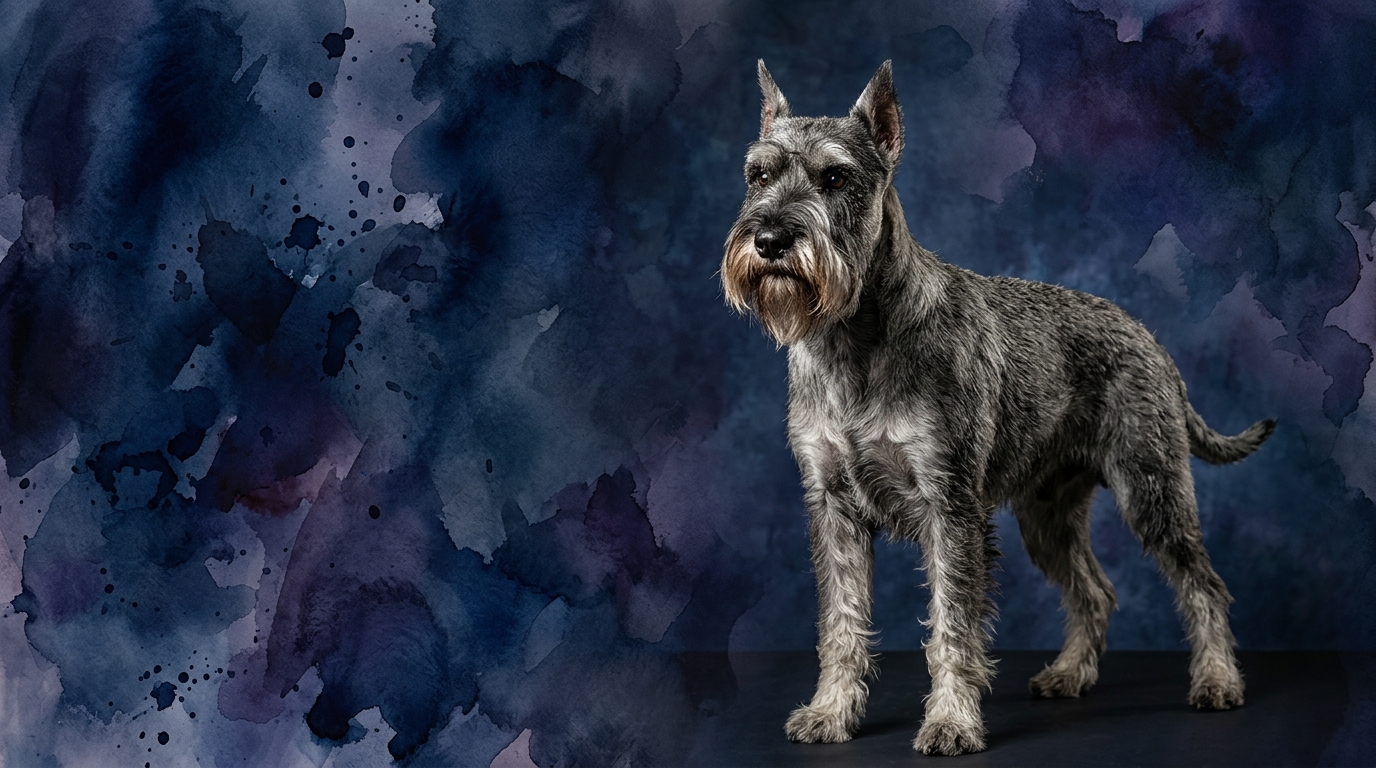
Standard Schnauzer (Coren Rank #22): This breed demonstrates a well-rounded cognitive skill set, making them highly adaptable companions. Their Problem Solving (4/5) score indicates a strong capacity for independent thought and navigating novel situations, often devising creative solutions to environmental challenges, quickly adapting to new puzzles. Their Training Speed (4/5) reflects an impressive alacrity for picking up new commands and routines, often requiring fewer repetitions to solidify a learned behavior, thanks to their eagerness and focused attention. Social Intelligence (3/5) for a Schnauzer is more selective; they form strong bonds with their family but tend to be discerning with strangers, requiring careful introductions. Their Instinctive Drive (3/5) manifests in a moderate urge for tasks like guarding or vermin control, present but generally manageable. Finally, their Memory (4/5) is robust, ensuring excellent recall for learned commands, routines, and past experiences, aiding consistent performance.
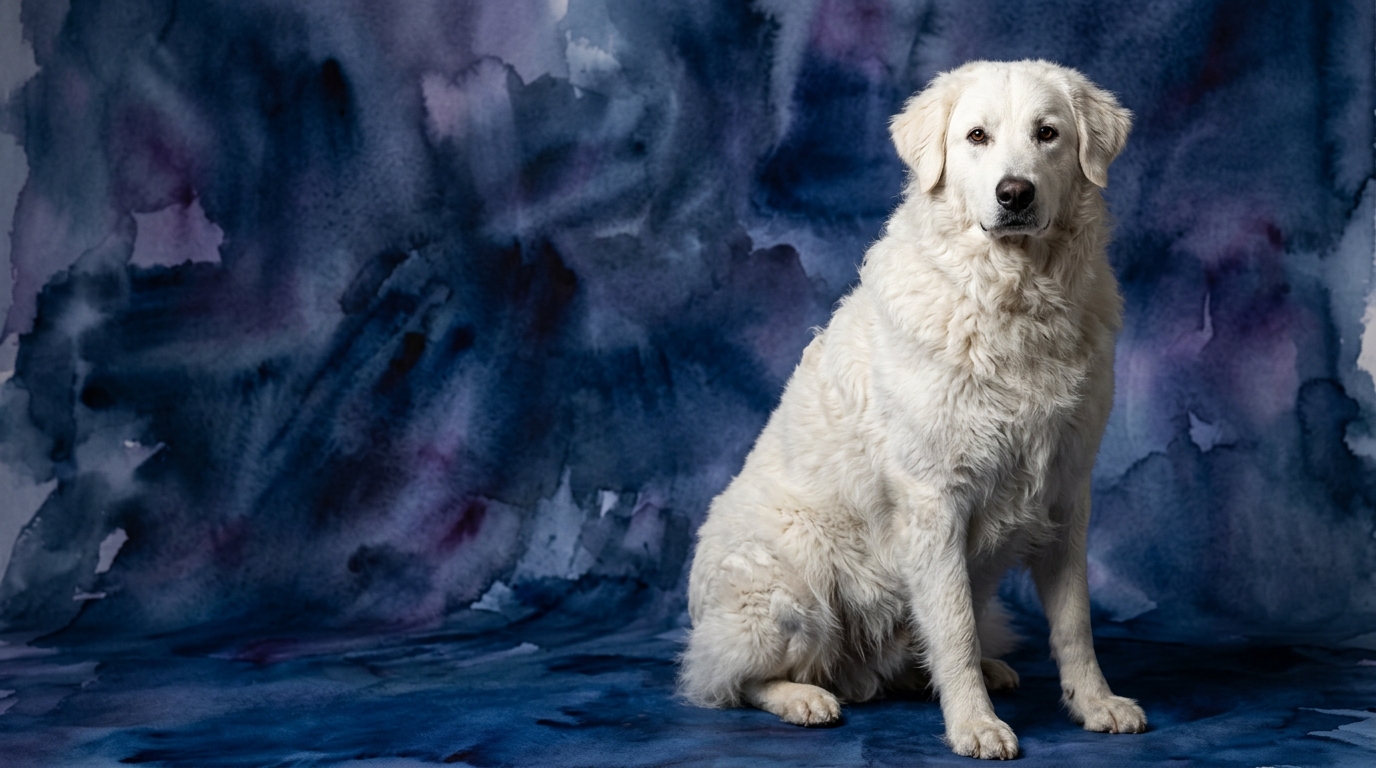
Kuvasz (Coren Rank #42): The Kuvasz presents a cognitive profile deeply rooted in its ancient role as a livestock guardian, emphasizing self-reliance. Their Problem Solving (3/5) is practical and independent; they often rely on innate judgment rather than immediate human direction, with solutions typically direct and rooted in their natural guardian instincts. Training Speed (3/5) suggests they may require more patience and consistency, processing information at their own pace, as their independent nature means they evaluate commands rather than immediately complying. Similar to the Schnauzer, their Social Intelligence (3/5) is reserved, characterized by deep loyalty to their family but a wary, protective stance towards outsiders, with interactions often dictated by their guarding role. Their Instinctive Drive (3/5) is profoundly ingrained protection and livestock guarding, leading to a strong territorial instinct and vigilance that is a core part of their being. Their Memory (4/5) is robust, particularly for people, places, and established routines within their territory, contributing to their reliability as guardians.
Where the Standard Schnauzer Wins Cognitively
The Standard Schnauzer shines particularly brightly in areas demanding quick analytical processing and adaptive learning. Their 4/5 score in Problem Solving indicates a dog that actively seeks to understand and overcome novel challenges, often with a spark of ingenuity, quickly adapting to new environments or puzzle toys. Furthermore, their 4/5 Training Speed score reveals an eagerness and capacity for rapid skill acquisition; they grasp new commands and complex sequences with fewer repetitions. This cognitive agility means a Standard Schnauzer can master a diverse repertoire of behaviors, excelling in dog sports like agility or obedience where precision and swift comprehension are paramount. Their focused attention during training allows them to absorb and integrate information more efficiently, making them highly responsive to varied learning methodologies.
Where the Kuvasz Wins Cognitively
While the Kuvasz's cognitive profile might suggest a slower pace in certain learning tasks, their unique strengths lie in areas demanding independent judgment and unwavering dedication to their primary purpose. Their 3/5 Problem Solving, viewed through the lens of a livestock guardian, translates into profound self-reliance, assessing situations and reacting based on ingrained understanding rather than seeking immediate human direction. This independence is a cognitive asset for roles requiring autonomous decision-making. Their 3/5 Instinctive Drive, deeply rooted in protection, is a cognitive 'win' for owners seeking a dedicated guardian; this drive is a pervasive mental framework influencing their awareness and assessment of threats. Their excellent Memory (4/5), combined with this drive, enables them to consistently recall who belongs and who doesn't, maintaining a reliable perimeter of safety. This breed's cognitive strengths are less about rapid, diverse learning and more about steadfast, self-sufficient protective intelligence.
Which Is Easier to Train and Why
When it comes to ease of training, the Standard Schnauzer generally presents a more straightforward path. Their 4/5 Training Speed indicates a dog typically enthusiastic about learning and quick to connect actions with consequences. They thrive on engaging with their handler, viewing training as collaborative, making them highly receptive to positive reinforcement. A Schnauzer's desire to please, coupled with cognitive agility, means they are more likely to offer behaviors proactively and respond consistently. In contrast, the Kuvasz, with a 3/5 Training Speed, requires a more patient and nuanced approach. Their independent nature means they evaluate commands rather than simply obeying. This isn't a lack of capacity, but a preference for autonomy; a Kuvasz might understand 'sit' but choose not to if they perceive no immediate value or if guarding instincts are engaged. Training a Kuvasz relies heavily on establishing trust, clear communication, and consistency, as they are less inclined to perform merely to please. Their independent streak means sessions must be engaging, fair, and often shorter.
Which Suits Active Owners vs. Independent Owners
For owners who envision an active partnership built on shared activities and continuous learning, the Standard Schnauzer is often the more fitting choice. Their cognitive profile, marked by high Problem Solving and Training Speed, means they thrive on mental stimulation through advanced obedience, agility, or trick training. They require an owner who enjoys consistent engagement and can channel their cognitive energy into productive outlets, preventing boredom-driven behaviors. A Standard Schnauzer will eagerly participate in daily training refreshers and challenging games, making them ideal for individuals who are active and enjoy a dog that is a constant, interactive companion. Conversely, the Kuvasz, while requiring physical exercise and ample space, might be a better match for owners who appreciate a more independent companion and understand the nuances of a guardian breed. While not 'relaxed' in the sense of being sedentary, their cognitive makeup suggests they are less reliant on constant human-initiated mental tasks. They are content patrolling their territory and observing, drawing on their instinctive drives. Owners who lead a structured life and can provide a secure environment where the Kuvasz can fulfill its natural protective role, without requiring constant active direction, will find a deeply loyal, albeit self-directed, companion.
The Verdict
Choose the Standard Schnauzer if you desire a responsive, mentally agile companion eager for diverse training challenges and consistent interaction, thriving on collaborative activities. They excel with owners who can provide ample mental stimulation and enjoy a dog that quickly grasps new concepts.
Opt for the Kuvasz if you seek a self-reliant, deeply loyal guardian, appreciating a dog whose cognitive strengths lie in independent judgment and steadfast protection rather than constant interactive training. They suit owners who understand and respect their autonomous nature and provide a secure environment.
🧠 Find Your Pet's IQ Score
Our Pet IQ Lab assessment covers 25+ tests across 5 cognitive dimensions — personalized to your breed.
Take the Full IQ Test →Frequently Asked Questions
Are Standard Schnauzers good with children?
Standard Schnauzers can be excellent family dogs, often forming strong bonds with children. Their 3/5 social intelligence means they are generally tolerant and playful, but early socialization and consistent boundaries are essential to ensure positive interactions.
How much exercise does a Kuvasz need to stay mentally content?
A Kuvasz needs consistent daily exercise, but it's often more about purposeful activity than high-intensity bursts. Long walks, supervised time in a secure yard for patrolling, and mental engagement through puzzle toys or scent work help satisfy their instinctive drives and cognitive needs.
Can a Kuvasz live in an apartment?
Due to their size, independent nature, and strong guarding instincts, a Kuvasz is generally not suited for apartment living. They thrive in homes with ample secure outdoor space where they can observe and fulfill their innate territorial duties, which is crucial for their cognitive well-being.