Side-by-Side IQ Profile: Standard Schnauzer vs. Norfolk Terrier
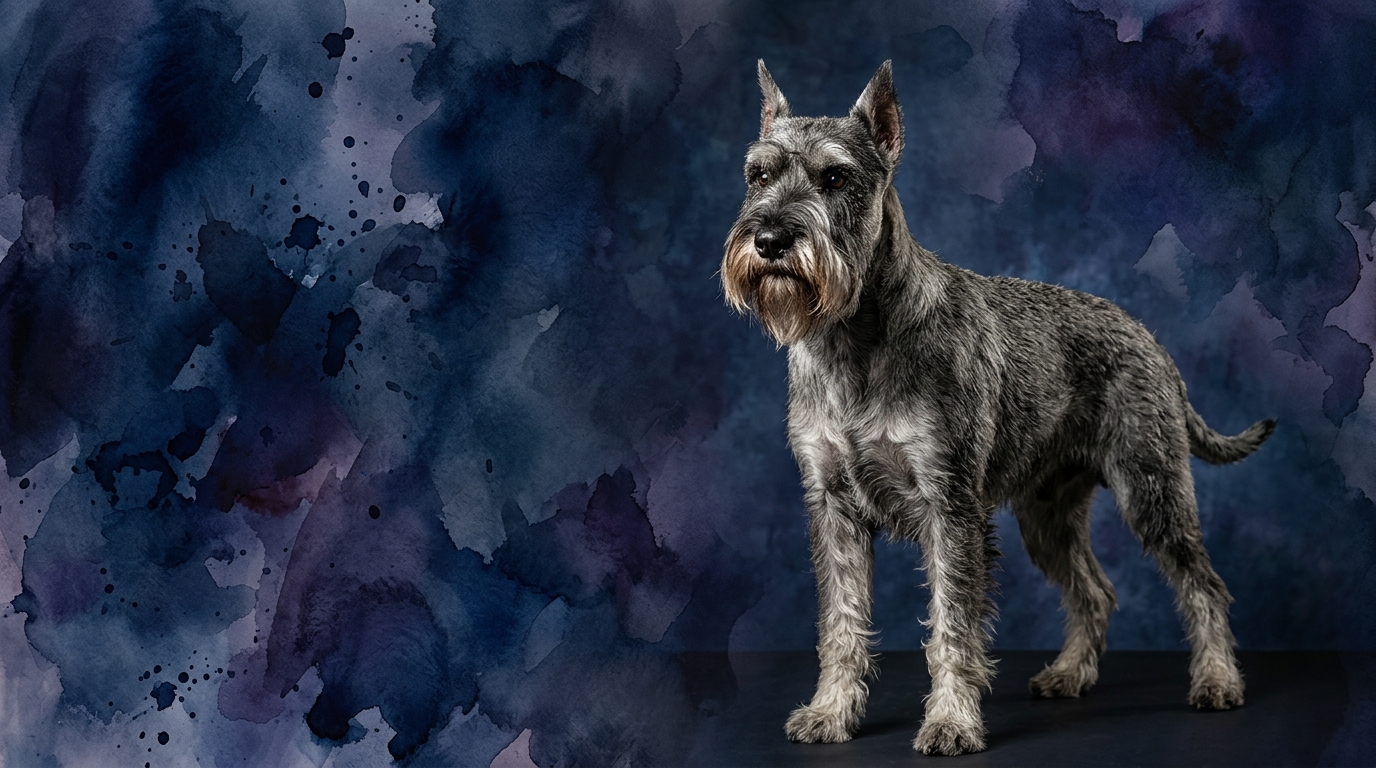
The Cosmic Pet Pet IQ Lab provides a nuanced view of canine intelligence across five key dimensions. For the Standard Schnauzer, a Working group dog ranking #22 on the Coren scale, we observe a robust cognitive toolkit. Their Problem Solving is rated 4/5, indicating a strong capacity for figuring out complex tasks and evaluating situations before acting, often devising effective solutions independently. Training Speed also scores 4/5, reflecting rapid acquisition of new commands and routines thanks to their eagerness and sharp focus. Social Intelligence is 3/5; they form deep bonds but can be discerning with strangers, preferring their inner circle. Instinctive Drive is 3/5, a balanced inclination towards versatile farm dog tasks like guarding or moderate prey pursuit. Finally, Memory stands at 4/5, showcasing a robust ability to retain learned behaviors and past experiences over long periods, significantly aiding in training responsiveness.
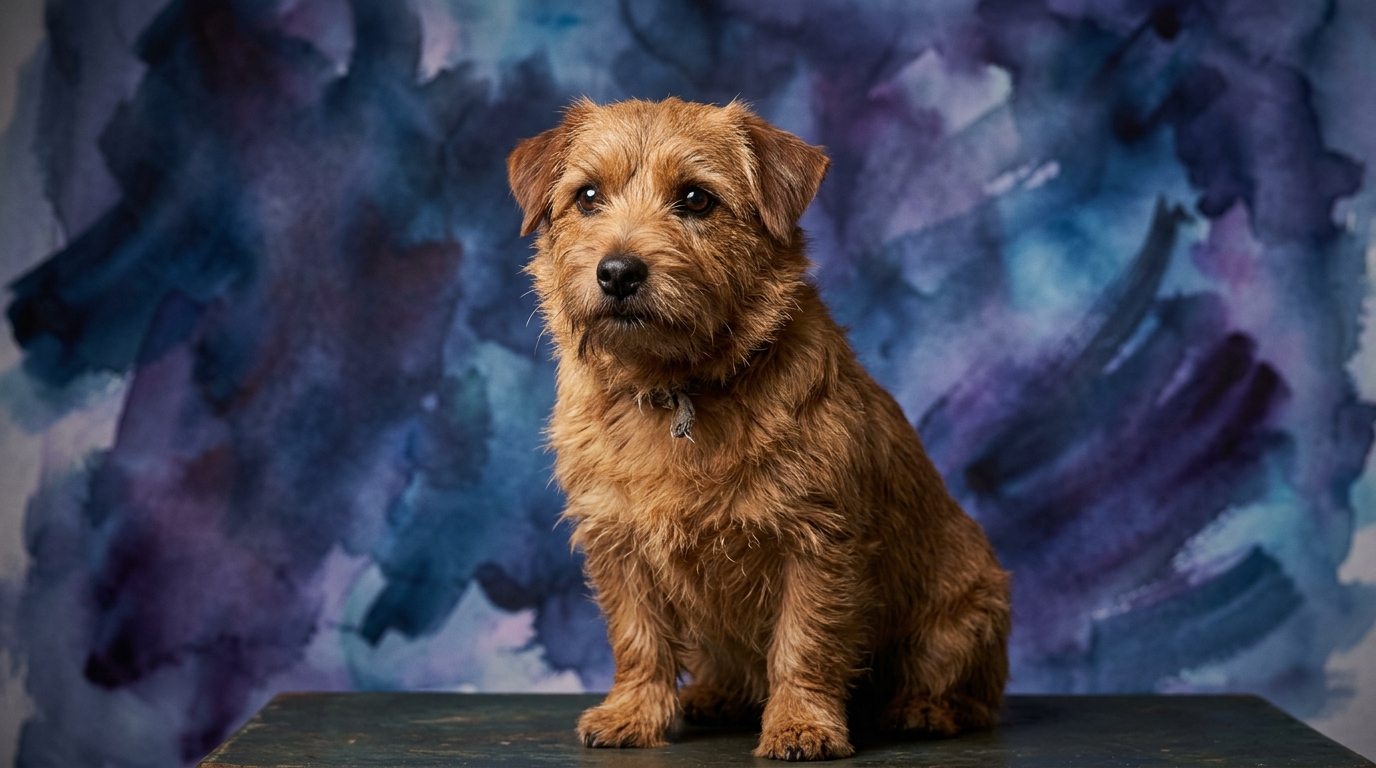
The Norfolk Terrier, a spirited member of the Terrier group and not Coren-ranked, presents a slightly different cognitive makeup. Their Problem Solving is 3/5, approaching challenges with a persistent, often trial-and-error methodology, driven by intuition and determination rather than deliberate analysis. Training Speed is 3/5, meaning they learn at a steady pace, requiring consistent and engaging methods to maintain their interest, making progress with patience. Social Intelligence, like the Schnauzer, is 3/5; they are affectionate with family but often reserved with outsiders, attuned to their owner's emotions yet not always seeking extensive social interaction beyond their inner circle. Their Instinctive Drive is 3/5, strongly linked to their terrier heritage for chasing and digging, a manageable drive for structured play. Memory is 3/5, exhibiting solid recall for routines and familiar commands, remembering pleasant experiences and training cues, though perhaps with less precision for intricate sequences.
Where the Standard Schnauzer Wins Cognitively
The Standard Schnauzer consistently outshines the Norfolk Terrier in areas demanding analytical thought and precise recall. Their superior problem-solving acumen (4/5 vs 3/5) means they are more adept at navigating complex puzzles, understanding multi-step commands, and independently figuring out solutions to environmental challenges. For instance, a Schnauzer might more readily learn to open a specific type of latch or retrieve a hidden object using spatial reasoning. Furthermore, their quicker training speed (4/5 vs 3/5) and stronger memory (4/5 vs 3/5) translate into an animal that grasps new concepts with fewer repetitions and retains them longer. This makes them particularly suited for advanced obedience, agility, or tasks requiring a vast repertoire of learned behaviors, where they can build upon previous knowledge efficiently.
Where the Norfolk Terrier Wins Cognitively
While the Norfolk Terrier doesn't surpass the Schnauzer in numerical IQ scores, their unique cognitive strengths lie in their tenacious application of their abilities. Their problem-solving (3/5) and instinctive drive (3/5) scores, though numerically lower, manifest as an unwavering determination. A Norfolk Terrier might not analyze a puzzle box as meticulously as a Schnauzer, but their sheer persistence and refusal to give up often lead them to a solution through sheer will and repeated attempts. This terrier grit means they excel in tasks requiring sustained effort and a certain level of independent, self-motivated action, even in the face of initial failure. Their moderate instinctive drive, particularly for tracking or 'hunting' games, is applied with a focused intensity that can be incredibly engaging, showcasing a robust spirit that compensates for a less analytical approach.
Training Dynamics: Standard Schnauzer vs. Norfolk Terrier
Based on The Cosmic Pet Pet IQ Lab data, the Standard Schnauzer is generally easier to train due to its higher scores in both Training Speed (4/5) and Memory (4/5). A Schnauzer's capacity to quickly connect actions with consequences and retain those lessons means they require fewer repetitions to master a command. Their working group background instills a desire to perform and please, which, combined with their cognitive strengths, makes them highly responsive to consistent, positive reinforcement. In contrast, the Norfolk Terrier's Training Speed (3/5) and Memory (3/5) suggest a more moderate learning curve. While eager to please their loved ones, terriers often possess an independent streak and a shorter attention span for repetitive drills. Their learning benefits greatly from varied, engaging sessions that tap into their natural curiosity and prey drive, rather than relying solely on rote memorization. Training a Norfolk often demands more creativity and patience from the owner, focusing on making the process fun and rewarding to overcome their inherent terrier 'what's in it for me?' attitude.
Lifestyle Suitability: Active vs. Relaxed Owners
The Standard Schnauzer, with its robust physical build and active mind, generally suits more active owners. Their problem-solving ability and memory mean they thrive on mental challenges, such as advanced training, puzzle toys, and learning complex tricks. Their working group heritage also means they possess a moderate instinctive drive (3/5) for activity and purpose, requiring regular, vigorous exercise to prevent boredom and channeling their energy constructively. Owners who enjoy long walks, hiking, or dog sports like agility will find a willing and capable companion. Conversely, the Norfolk Terrier, while still energetic, can be a better fit for owners with a more relaxed lifestyle, provided their daily need for engaging short bursts of activity is met. Their moderate instinctive drive (3/5) is often satisfied with focused play sessions, short walks, and opportunities for 'terrier work' like digging in a designated area or engaging in scent games. They are adaptable and enjoy cuddling after their exercise needs are met, making them suitable for apartment living with attentive owners who prioritize quality over quantity of activity.
The Verdict
Choose the Standard Schnauzer if you seek a highly trainable, mentally agile companion for advanced obedience, dog sports, or a partner who thrives on complex problem-solving and rigorous mental engagement.
Opt for the Norfolk Terrier if you appreciate a spirited, tenacious companion who excels with consistent, engaging training and enjoys bursts of activity followed by affectionate relaxation, perfect for a dedicated but less intensely active home.
🧠 Find Your Pet's IQ Score
Our Pet IQ Lab assessment covers 25+ tests across 5 cognitive dimensions — personalized to your breed.
Take the Full IQ Test →Frequently Asked Questions
Do Coren rankings apply to all breeds?
Coren rankings typically focus on working and obedience intelligence, assessing a breed's ability to learn and follow commands. Many breeds, especially those with more specialized roles or unique temperaments like some terriers, are not formally ranked, which doesn't diminish their overall cognitive abilities but rather highlights a different manifestation of intelligence.
How does instinctive drive affect daily life with these breeds?
The instinctive drive (3/5 for both) in the Standard Schnauzer might appear as a moderate guarding tendency or a desire to 'work,' while in the Norfolk Terrier, it often manifests as a strong urge to chase small animals or dig. Understanding and channeling these drives through appropriate training and activities is key to a harmonious household.
Can a Norfolk Terrier participate in dog sports?
Absolutely! Despite their moderate training speed, Norfolk Terriers can excel in dog sports like earthdog trials, agility, and even obedience. Their tenacity, fearlessness, and desire to engage with their owners, when properly motivated, make them enthusiastic and capable participants, often surprising with their agility and determination.