Side-by-Side IQ Profile: Standard Schnauzer vs. Rhodesian Ridgeback
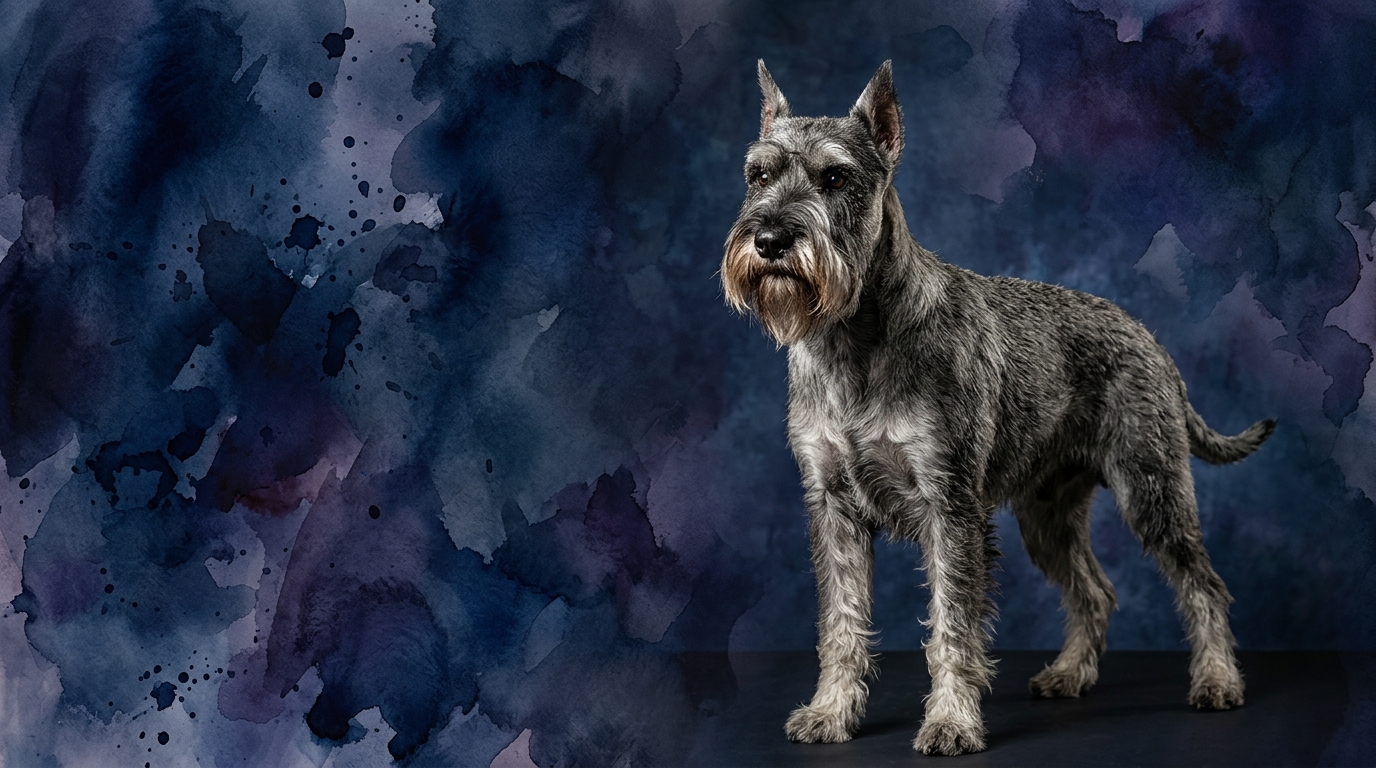
At The Cosmic Pet Pet IQ Lab, we evaluate canine intelligence across five key dimensions, providing a nuanced understanding of each breed's cognitive strengths. The Standard Schnauzer, a Working breed, holds a commendable Coren rank of #22, indicating a strong capacity for understanding and obeying new commands quickly. Its IQ profile shows a Problem Solving score of 4/5, meaning these dogs are adept at navigating complex tasks, figuring out mechanisms, and adapting strategies to reach goals; they don't just follow, they deduce. Their Training Speed also rates 4/5, reflecting a quick grasp of new commands and routines, often requiring fewer repetitions than many breeds and demonstrating a strong desire to engage and understand human cues. Social Intelligence is rated 3/5, indicating an ability to understand social hierarchies and human emotions, though often maintaining a degree of reservedness, observing and reacting thoughtfully rather than impulsively. An Instinctive Drive of 3/5 highlights a moderate prey drive and a strong protective instinct, rooted in their historical role as farm guardians and ratters, a drive that is purposeful and directed. Finally, their Memory at 4/5 means they retain learned behaviors, commands, and experiences over long periods, making training cumulative and reinforcing established patterns effectively.
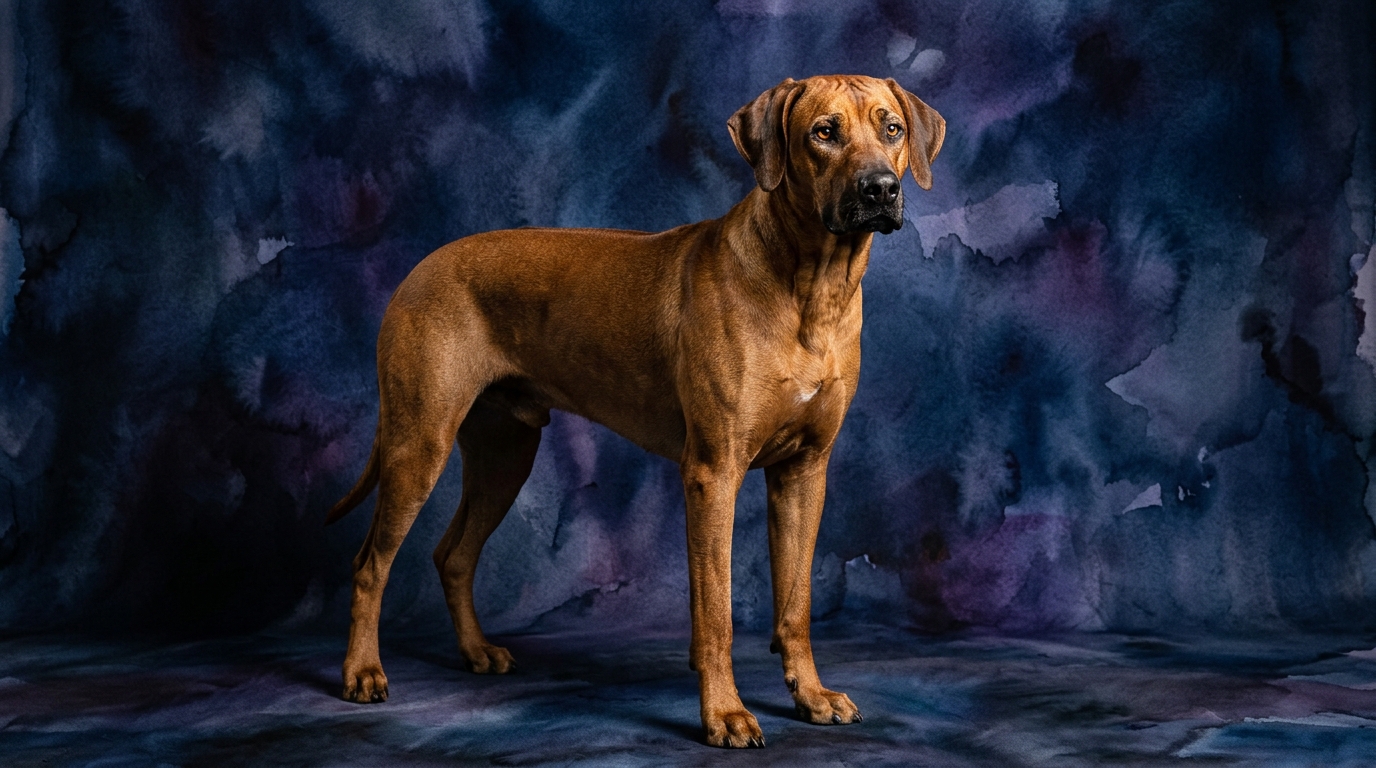
The Rhodesian Ridgeback, a dignified Hound breed, ranks #52 on Coren's scale, suggesting a more independent approach to learning and obedience. Their Problem Solving ability scores 3/5; they approach challenges with a blend of independence and thoughtful consideration, capable of devising solutions, but their method might be less about human-directed efficiency and more about their own resourceful approach. Their Training Speed also stands at 3/5, meaning they learn at a steady pace, but their independent nature often requires more consistent, positive reinforcement and patience, with engagement being key alongside repetition. Social Intelligence is 3/5, reflecting their ability to form deep bonds with their family and read human moods, yet often displaying a dignified aloofness towards strangers, making their social interactions discerning. With an Instinctive Drive of 3/5, they exhibit a distinct sighthound prey drive, coupled with a protective instinct derived from their historical role as lion hunters, a powerful and focused drive when triggered. Their Memory is rated 3/5, indicating good recall for routines, commands, and experiences, though their independent streak might sometimes present as selective recall rather than forgetfulness.
Where the Standard Schnauzer Wins Cognitively
The Standard Schnauzer's superior problem-solving (4/5) and training speed (4/5) give them a distinct edge in tasks requiring rapid learning and cognitive flexibility. A Schnauzer might quickly figure out how to open a complex treat puzzle, demonstrating a proactive approach to mental challenges by manipulating components to achieve a reward. Similarly, they can master a multi-step agility course with fewer repetitions than many breeds, efficiently linking sequences of actions. Their exceptional memory (4/5) further enhances this, allowing them to build upon previous lessons efficiently. For instance, if taught a specific sequence of actions to retrieve an object, a Schnauzer will recall and execute it reliably, even after a significant break, making them exceptionally responsive to structured learning environments and capable of complex skill acquisition.
Where the Rhodesian Ridgeback Wins Cognitively
While not outscoring the Schnauzer in raw speed or eagerness for repetitive tasks, the Rhodesian Ridgeback's cognitive strength lies in its independent reasoning and profound instinctual understanding (Instinctive Drive 3/5, Problem Solving 3/5). They excel in situations requiring self-reliance and nuanced environmental assessment, such as tracking a distant scent or guarding a perimeter without constant direct human command. A Ridgeback might independently assess a situation, like a strange noise outside, and decide on the appropriate, measured response, rather than solely waiting for a cue. Their social intelligence (3/5) allows for deep, discerning bonds, making them acutely aware of their family's well-being and capable of subtle protective behaviors that aren't overtly trained, such as positioning themselves between a family member and a perceived threat. This translates to a dog that can make thoughtful, situation-specific judgments based on a combination of instinct and observation.
Which is Easier to Train and Why
The Standard Schnauzer generally presents as easier to train due to its higher scores in training speed (4/5) and problem solving (4/5), coupled with its strong memory (4/5). They tend to be eager to please and derive satisfaction from mastering tasks, making them highly receptive to traditional obedience methods and positive reinforcement. Their working breed heritage means they often thrive on having a 'job' and will actively seek to understand and comply with commands. For example, a Schnauzer is more likely to quickly grasp intricate commands like 'find your leash' or 'put away your toys,' demonstrating a consistent desire to engage in cooperative tasks and a rapid understanding of multi-step instructions.
In contrast, the Rhodesian Ridgeback, with its lower training speed (3/5) and a more independent problem-solving approach (3/5), requires a different training philosophy. While intelligent, they possess a natural self-sufficiency characteristic of hounds that can sometimes be mistaken for stubbornness. Their training benefits immensely from patience, consistency, and understanding their motivations. A Ridgeback might understand a command but choose to evaluate its immediate relevance or benefit before complying, especially if a more interesting scent or sight captures their attention. They respond best to trainers who respect their independent spirit and use positive reinforcement to build a strong, trusting partnership rather than relying solely on rote repetition; they need to believe in the purpose of the command.
Which Suits Active Owners vs. Relaxed Owners
For active owners who enjoy structured activities, brain games, and consistent training, the Standard Schnauzer is an excellent fit. Their cognitive profile, particularly their high problem-solving and training speed, means they thrive on mental engagement and physical activity that challenges both their body and mind. They are keen participants in dog sports like agility, obedience, and tracking, relishing the opportunity to work alongside their human and master new skills. A Schnauzer will eagerly accompany an owner on hikes, runs, or participate in complex trick training sessions, always ready for the next mental puzzle or physical exertion, preferring a dynamic partnership.
Rhodesian Ridgebacks, while also requiring significant physical exercise to prevent boredom and maintain health, might be better suited for active owners who appreciate a dog with a more independent spirit and a less 'always on' mental demand for human-directed tasks. They enjoy long, vigorous runs, hiking, and exploring, but their cognitive needs often lean towards independent exploration and scent work rather than constant human-led problem-solving. A Ridgeback will happily join an owner for a long trail run or a quiet afternoon of supervised yard exploration, but might not be as consistently engaged in repetitive, complex obedience drills, preferring to observe and act on their own terms once basic commands are mastered. Their dignified calm at home, after sufficient exercise, can appeal to those who enjoy a strong, watchful presence without constant demands for engagement.
The Verdict
Choose the Standard Schnauzer if you seek a highly trainable, mentally agile companion eager for structured learning, complex tasks, and consistent cooperative engagement in activities like dog sports or advanced obedience. Their quick grasp of concepts and strong memory make them ideal for owners who enjoy an active partnership centered around shared cognitive challenges.
Opt for the Rhodesian Ridgeback if you appreciate an independent, discerning companion with strong instincts and a thoughtful, self-reliant approach to the world, provided you can meet their significant exercise needs and commit to patient, consistent training that respects their unique hound temperament. They are best for owners who value a majestic presence and a dog capable of making independent judgments, forming deep, loyal bonds on their own terms.
🧠 Find Your Pet's IQ Score
Our Pet IQ Lab assessment covers 25+ tests across 5 cognitive dimensions — personalized to your breed.
Take the Full IQ Test →Frequently Asked Questions
Do Standard Schnauzers require more mental stimulation than Rhodesian Ridgebacks?
Standard Schnauzers generally thrive on more human-directed mental stimulation, enjoying complex puzzle toys, learning new tricks, and participating in structured training. Rhodesian Ridgebacks also need mental engagement, but their preferences often lean towards independent exploration, scent work, and discerning environmental observation rather than constant, direct human instruction.
How does the Coren rank difference (22 vs 52) manifest in daily life?
The Coren rank difference primarily reflects the Standard Schnauzer's quicker understanding of new commands and higher success rate in obedience trials. In daily life, this means a Schnauzer might learn household rules or new routines faster, while a Ridgeback might require more consistent reinforcement and patience, sometimes appearing to 'think about it' before complying due to their independent nature.
Are Rhodesian Ridgebacks difficult to train?
Rhodesian Ridgebacks are not difficult to train in the sense of lacking cognitive ability; rather, their independent and sometimes strong-willed nature means they require a patient, consistent trainer who uses positive reinforcement and understands their motivations. They respond best to building a trusting partnership, rather than simply rote memorization, and can be highly capable with the right approach.