Unpacking Cognitive Profiles: Standard Schnauzer vs. Silky Terrier
The Cosmic Pet Pet IQ Lab employs a five-dimensional framework to assess canine intelligence, offering a nuanced view beyond simple obedience. These dimensions — Problem Solving, Training Speed, Social Intelligence, Instinctive Drive, and Memory — help us understand how breeds process information, learn, interact, and leverage their innate tendencies.
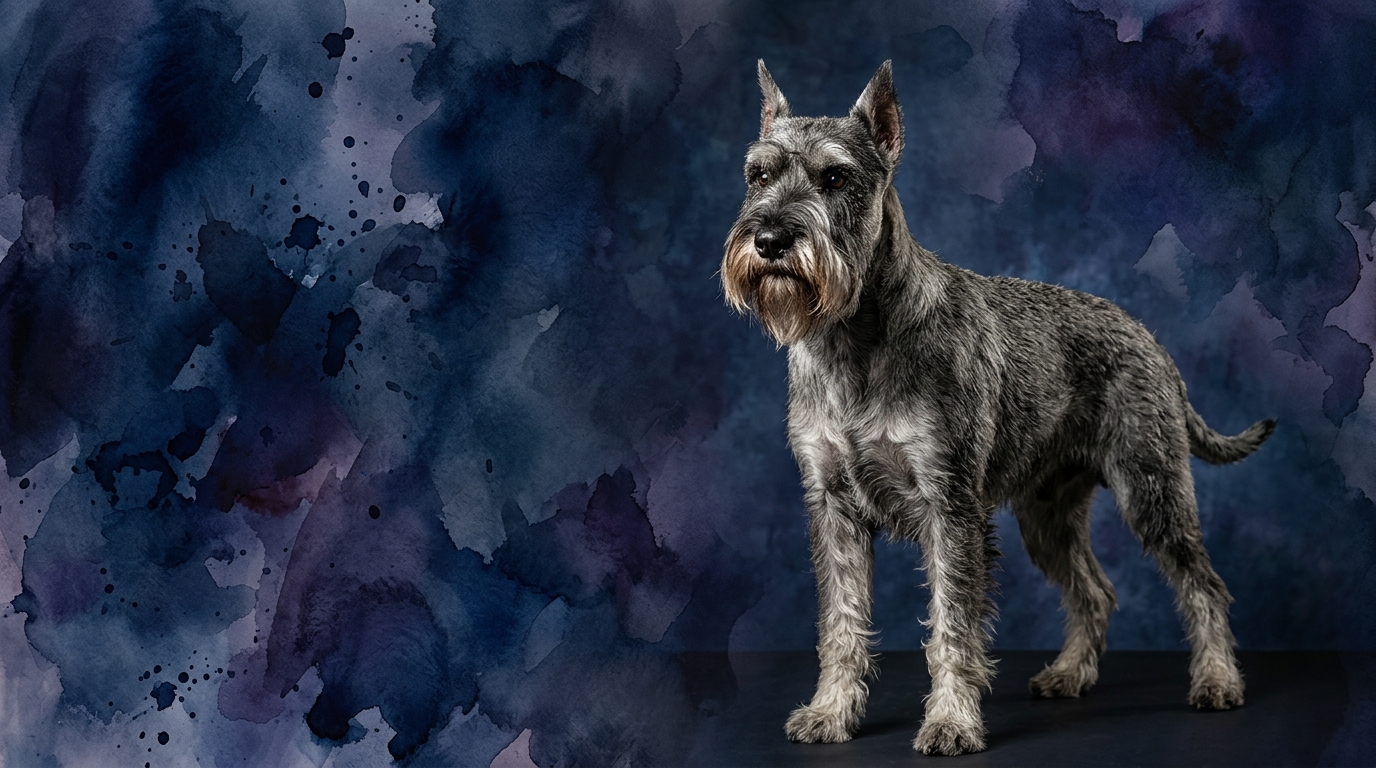
The Standard Schnauzer, a working breed ranked #22 by Coren, presents a profile reflecting its versatile heritage. It scores 4/5 in Problem Solving, indicating a robust capacity for navigating novel situations and figuring out solutions independently. Its Training Speed is also 4/5, suggesting a quick grasp of new commands and routines. Social Intelligence and Instinctive Drive are both rated 3/5, demonstrating an adequate understanding of social cues and a balanced intrinsic motivation. Finally, its Memory stands at 4/5, highlighting a strong ability to retain learned behaviors and experiences over time.
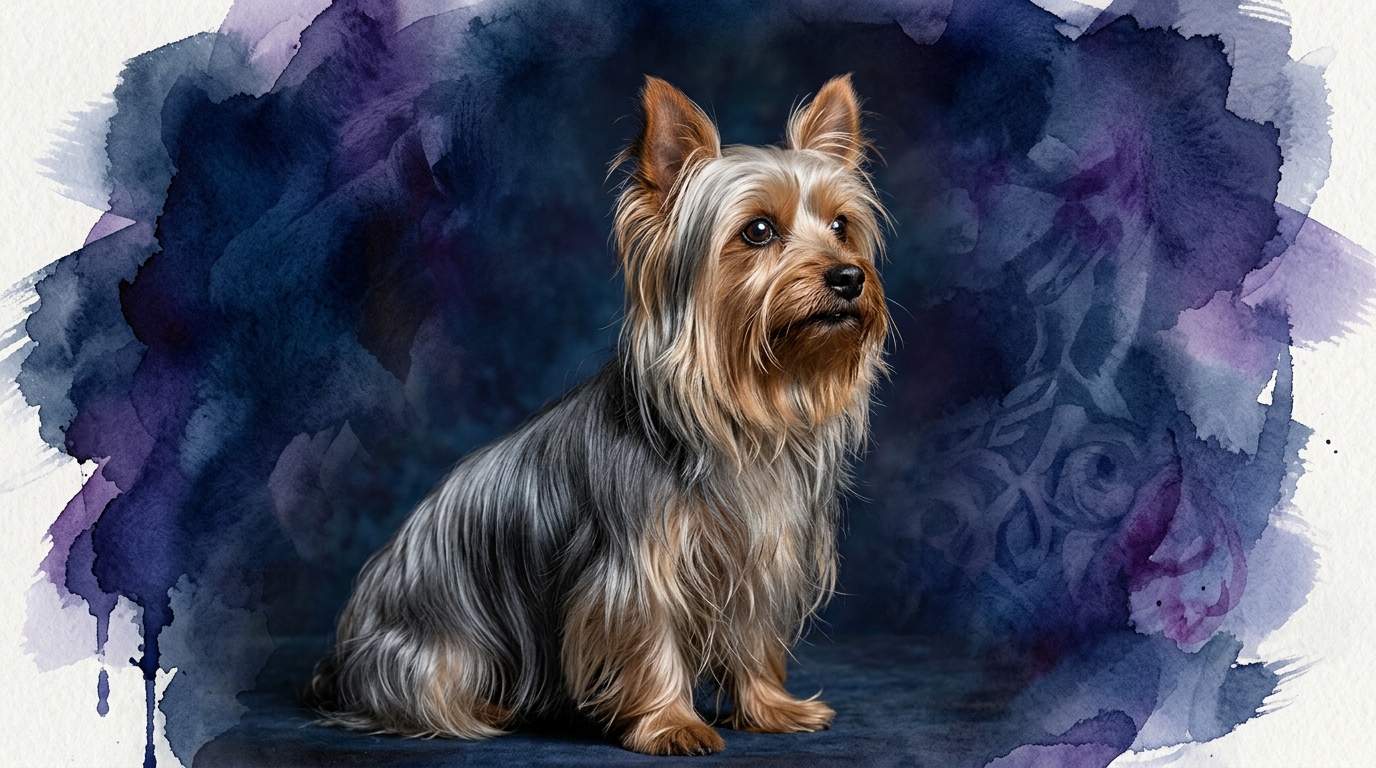
In contrast, the Silky Terrier, a companion-focused toy breed without a Coren ranking, exhibits a consistent profile across all metrics. It scores 3/5 in Problem Solving, Training Speed, Social Intelligence, Instinctive Drive, and Memory. This uniform rating suggests a generally competent and adaptable cognitive makeup, capable of learning and interacting effectively within its domestic environment, though perhaps without the same intensity or specialized aptitudes seen in a working counterpart.
Standard Schnauzer's Cognitive Strengths
The Standard Schnauzer's cognitive strengths are particularly evident in its Problem Solving and Memory, both rated at 4/5. This breed demonstrates a notable capacity for analytical thinking, often figuring out how to open gates, retrieve hidden items, or navigate complex obstacle courses with focused determination. Their excellent memory means they not only solve problems but also retain those solutions, applying past experiences to new, similar challenges efficiently.
Furthermore, their Training Speed of 4/5, coupled with a solid Instinctive Drive (3/5), translates into a dog that not only learns quickly but also possesses a strong motivation to engage in structured tasks. This drive often manifests as a desire for purpose, making them eager participants in activities that challenge their mental faculties, such as advanced obedience, agility, or tracking. Their ability to quickly associate commands with actions and remember long sequences of behaviors makes them adept at precision-based activities.
Silky Terrier's Distinct Cognitive Facets
While the Silky Terrier’s scores are uniformly 3/5, these represent a well-rounded and practical cognitive toolkit for its role as a companion. Their Problem Solving at 3/5 means they are perfectly capable of navigating the daily challenges of a home environment, from figuring out how to get attention to manipulating toys for treats. This isn't about solving complex puzzles in a field, but rather about resourcefulness in their immediate surroundings and social dynamics.
Their Instinctive Drive (3/5) often manifests as a keen awareness of their surroundings and a typical terrier's zest for chasing small, scurrying things, even if it's just a dust bunny. This drive fuels their playful nature and can be channeled into interactive games. The 3/5 in Social Intelligence means they are perceptive to human moods and family routines, making them responsive and engaging companions who understand their place within the household hierarchy and respond well to consistent, positive interaction.
Training Dynamics: Who Learns Faster?
When it comes to training speed, the Standard Schnauzer, with its 4/5 rating, generally exhibits a quicker grasp of new commands and routines compared to the Silky Terrier's 3/5. This difference stems from the Schnauzer's working heritage, which instilled a strong desire for purpose and a readiness to follow structured instructions. They often approach training sessions with a focused intensity, eager to perform tasks and receive feedback, leading to faster acquisition of complex behaviors and longer command sequences.
The Silky Terrier, while trainable, might require a more patient and varied approach. Their 3/5 Training Speed indicates capability, but their independent terrier spirit can sometimes lead to moments of selective hearing or a preference for self-directed activity over immediate compliance. Training a Silky often involves making sessions fun, engaging, and highly rewarding, leveraging their social intelligence (3/5) to build a strong bond that encourages cooperation rather than relying solely on their desire to 'work'.
Both breeds share a 3/5 rating in Social Intelligence, meaning they are responsive to human interaction and cues. However, the Schnauzer's response might be more task-oriented, focusing on what is expected to achieve a goal, while the Silky's response might be more relationship-oriented, seeking to engage with their human companion. This nuanced difference impacts how trainers might best motivate each breed, with the Schnauzer thriving on clear objectives and the Silky responding well to enthusiastic, positive engagement.
Matching Cognitive Profiles to Lifestyles
Owners with active lifestyles who enjoy engaging in structured activities will likely find a more suitable match in the Standard Schnauzer. Their superior problem-solving, memory, and training speed mean they thrive in environments that provide consistent mental challenges, such as advanced obedience, agility, rally, or even scent work. A Schnauzer needs a 'job' or stimulating activities to prevent boredom and channel their considerable mental energy constructively, making them ideal for owners committed to ongoing training and canine sports.
Conversely, the Silky Terrier's cognitive profile, with its balanced 3/5 scores, lends itself well to owners seeking a charming and adaptable companion whose mental engagement needs are met through domestic interactions and less formal activities. While they still benefit from puzzle toys and short, fun training sessions, their satisfaction often comes from being an integral part of the family, enjoying walks, and engaging in playful bursts of activity. They suit owners who appreciate a lively presence and are content with a companion who is perceptive and responsive within a home setting, without the constant demand for rigorous mental tasks.
The Verdict: Choosing Your Canine Companion
When selecting between these two distinct breeds, consider the kind of cognitive partnership you envision. The Standard Schnauzer offers a more intensive and engaged intellectual companion, thriving on complex tasks and consistent mental stimulation that aligns with an active, purpose-driven lifestyle.
The Silky Terrier, while equally engaging in its own right, provides a more adaptable and domestically focused cognitive partner, well-suited for owners who appreciate a perceptive, spirited presence and derive joy from interactive companionship rather than rigorous, structured work.
The Verdict
Opt for the Standard Schnauzer if you seek a canine partner eager for complex challenges, structured learning, and consistent mental engagement, thriving in an environment that provides purpose and routine.
Select the Silky Terrier if your lifestyle favors a charming, adaptable companion who finds satisfaction in domestic interactions, shorter bursts of engagement, and a focus on companionship over rigorous work.
🧠 Find Your Pet's IQ Score
Our Pet IQ Lab assessment covers 25+ tests across 5 cognitive dimensions — personalized to your breed.
Take the Full IQ Test →Frequently Asked Questions
Do Standard Schnauzers require more mental stimulation than Silky Terriers?
Yes, the Standard Schnauzer's higher problem-solving and memory scores indicate a greater need for consistent mental challenges. They thrive on learning new commands, engaging in dog sports, or having a 'job' to do, whereas the Silky Terrier's mental stimulation needs are generally met with interactive play and puzzle toys.
Are Silky Terriers difficult to train because they are not Coren-ranked?
The absence of a Coren rank for Silky Terriers doesn't inherently mean they are difficult to train, but their training speed is rated 3/5, suggesting they may require more patience and varied methods than a breed like the Standard Schnauzer. Their independent terrier spirit can mean they respond best to positive reinforcement and engaging, consistent training sessions.
How does instinctive drive differ between these two breeds?
Both breeds have an instinctive drive of 3/5, but its manifestation varies. For the Standard Schnauzer, this often translates to a strong desire to patrol, guard, or engage in tasks, while for the Silky Terrier, it typically appears as a keen awareness of their environment, a propensity for chasing small prey, or an independent streak in their interactions.