Side-by-Side IQ Profile
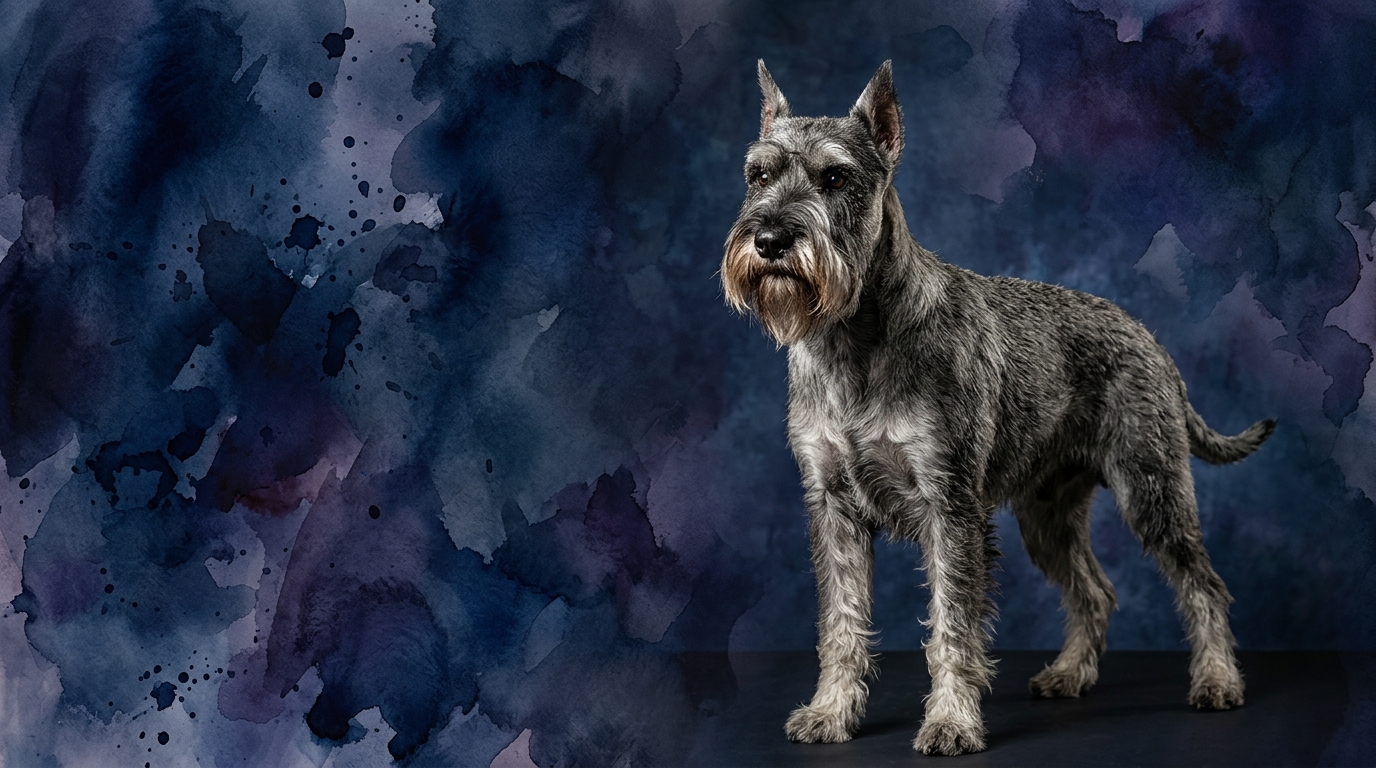
The Standard Schnauzer, a member of the Working Group, holds a Coren rank of #22, indicating a capacity for understanding new commands efficiently. Their Problem Solving (4/5) score highlights a strong ability to analyze complex situations and devise solutions, whether opening latches or understanding event sequences, allowing quick adaptation to novel challenges. Training Speed (4/5) means they grasp concepts rapidly, often requiring fewer repetitions to solidify a behavior, making them highly responsive to structured training. Possessing a solid Social Intelligence (3/5), they interpret human body language and vocal tones effectively, forming strong bonds while maintaining a dignified independence. Their Instinctive Drive (3/5), originating as farm dogs, encompasses balanced herding, guarding, and a moderate prey drive, channeled into constructive activities. Finally, their Memory (4/5) ensures excellent retention of learned behaviors and routines, resulting in durable training and reliable recall over time.
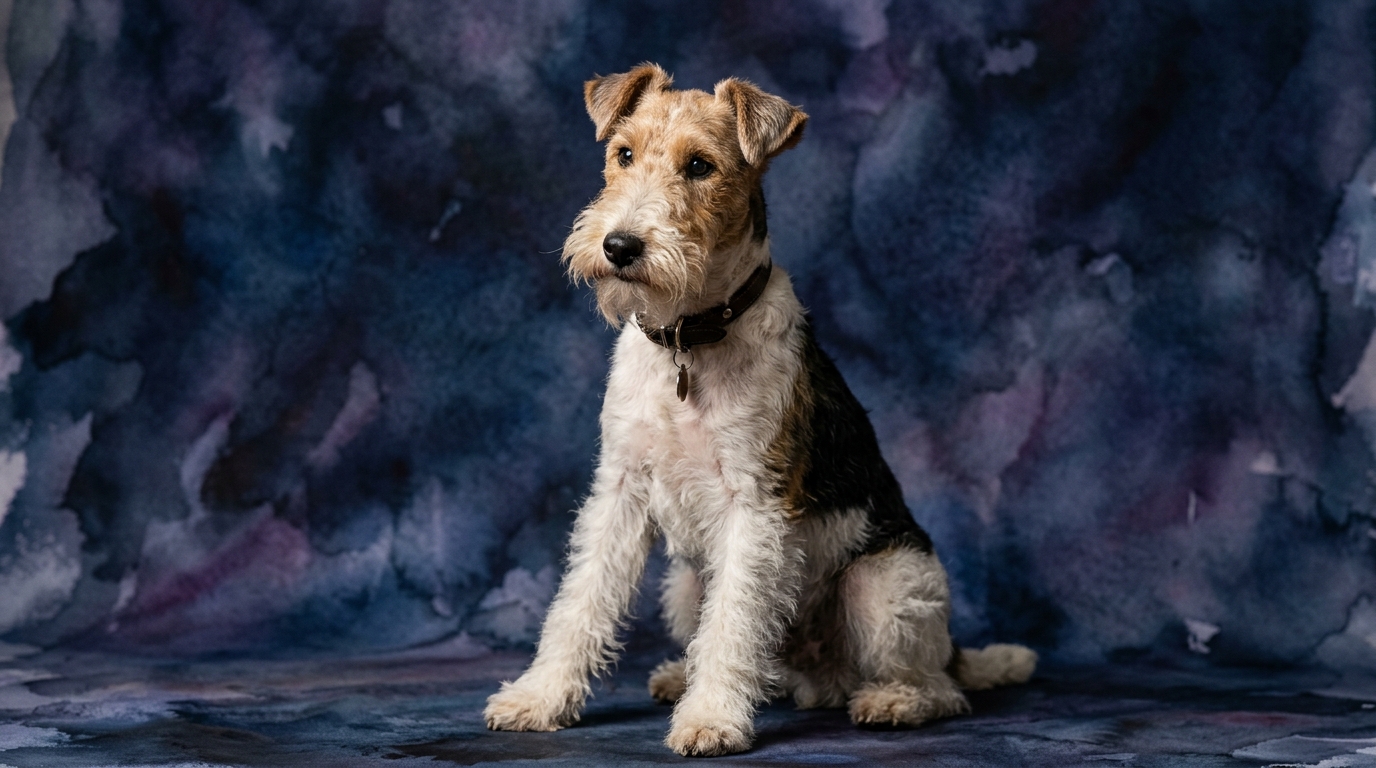
The Wire Fox Terrier, hailing from the Terrier Group, though not Coren-ranked, possesses distinctive cognitive strengths tailored to its original purpose. Their Problem Solving (3/5) score reflects tenacity and resourcefulness, excelling at practical, physical problem-solving involving exploration, digging, or maneuvering. Their solutions are often driven by instinct and persistence. While capable of learning, their Training Speed (3/5) indicates that their independent spirit may require more patience and repetition, as consistency is crucial given they might prioritize immediate pursuits over instant compliance. Socially aware (3/5), they pick up on human moods and intentions, interacting engagingly, though their characteristic terrier self-reliance means less overt need for constant validation. Their Instinctive Drive (3/5) is profoundly shaped by their hunting heritage, manifesting as a strong prey drive, a desire to dig, and an inclination to explore—powerful motivators that fuel their determination and adventurous spirit, requiring careful management. They possess a good Memory (3/5) for routines and consistently reinforced behaviors, remembering favorite spots or buried toys, though recall for less engaging commands might sometimes be overshadowed by stronger instincts.
Where Standard Schnauzer Wins Cognitively
The Standard Schnauzer demonstrates a cognitive advantage in analytical thinking and structured learning. Their Problem Solving score of 4/5, against the Wire Fox Terrier's 3/5, indicates a more nuanced approach to challenges, leading to quicker, more efficient solutions, especially in abstract reasoning. The Schnauzer's Training Speed (4/5 vs. 3/5) means they absorb new commands with fewer repetitions, making them exceptionally responsive to complex sequences. Their superior Memory (4/5 vs. 3/5) ensures lessons are retained more reliably, resulting in consistent performance and lasting behavioral expectations.
Where Wire Fox Terrier Wins Cognitively
While not always outscoring the Schnauzer, the Wire Fox Terrier's unique cognitive profile excels in specific ways. Their Problem Solving (3/5), deeply integrated with their Instinctive Drive (3/5), translates into tenacious, resourceful physical problem-solving. A Wire Fox Terrier will persist, digging or maneuvering, especially when a 'hunt' or 'find' is involved, often without direct human guidance. This independent, persistent approach is incredibly effective in real-world scenarios like navigating complex outdoor environments or finding hidden objects. Their self-reliant cognitive style, rooted in terrier heritage, makes them masters of their immediate surroundings, adept at making their own decisions—a true win for owners valuing autonomy and an unwavering spirit of adventure.
Which Is Easier to Train and Why
The Standard Schnauzer is generally easier to train due to their 4/5 Training Speed, reflecting an eagerness to learn and quick grasp of commands. Their working dog heritage fosters responsiveness and cooperation, approaching training with focus and a desire to please. In contrast, the Wire Fox Terrier's 3/5 Training Speed often reveals an independent, sometimes stubborn streak. Their terrier nature means they might prioritize instincts over immediate compliance, requiring more patience, creativity, and consistent reinforcement. Schnauzers offer sustained attention during structured tasks, while Wire Fox Terriers benefit from varied, engaging, and shorter sessions to maintain focus against their strong investigative impulses.
Which Suits Active Owners vs. Relaxed Owners
Neither breed is suitable for truly "relaxed" owners; both demand significant mental and physical engagement. The Standard Schnauzer thrives with owners providing structured activities, advanced obedience, dog sports, and a clear 'job'. They need consistent mental challenges and vigorous exercise to channel their capabilities. Their intelligence makes them excellent partners for collaborative activities. The Wire Fox Terrier suits owners who appreciate independence and exploration. Their strong hunting and digging instincts require management through earthdog trials, extensive sniffing walks, or securely fenced yards. They need ample physical exercise, with mental stimulation often coming from independent environmental problem-solving. Owners enjoying rugged adventures and engaging, perhaps less formal, activities will find a spirited companion in the Wire Fox Terrier.
The Verdict
Choose Standard Schnauzer if you value a collaborative, highly trainable companion eager to engage in structured learning, dog sports, and mental challenges, appreciating their analytical problem-solving and reliable memory.
Choose Wire Fox Terrier if you are an active owner who admires an independent, tenacious spirit and enjoys a dog that approaches life with spirited curiosity, resourceful problem-solving, and a strong drive for adventure, requiring engaging, consistent training.
🧠 Find Your Pet's IQ Score
Our Pet IQ Lab assessment covers 25+ tests across 5 cognitive dimensions — personalized to your breed.
Take the Full IQ Test →Frequently Asked Questions
Do Standard Schnauzers get along well with other pets due to their social intelligence?
Standard Schnauzers (3/5 social intelligence) can coexist with other pets, especially if socialized early. Their dignified nature generally means tolerance, but their moderate prey drive and guarding instincts require careful introductions, particularly with smaller animals.
Are Wire Fox Terriers difficult to house train because of their independent nature?
Wire Fox Terriers are not inherently difficult to house train, but their independent spirit (3/5 training speed) means consistency and positive reinforcement are crucial. Establishing a strict routine and close supervision during the learning phase will lead to success.
Which breed requires more mental stimulation to prevent destructive behaviors?
Both breeds demand significant mental stimulation, but the type differs. Standard Schnauzers (4/5 problem-solving) thrive on structured challenges. Wire Fox Terriers (3/5 instinctive drive) often need outlets for hunting and digging, like puzzle toys or supervised exploration, to prevent boredom.