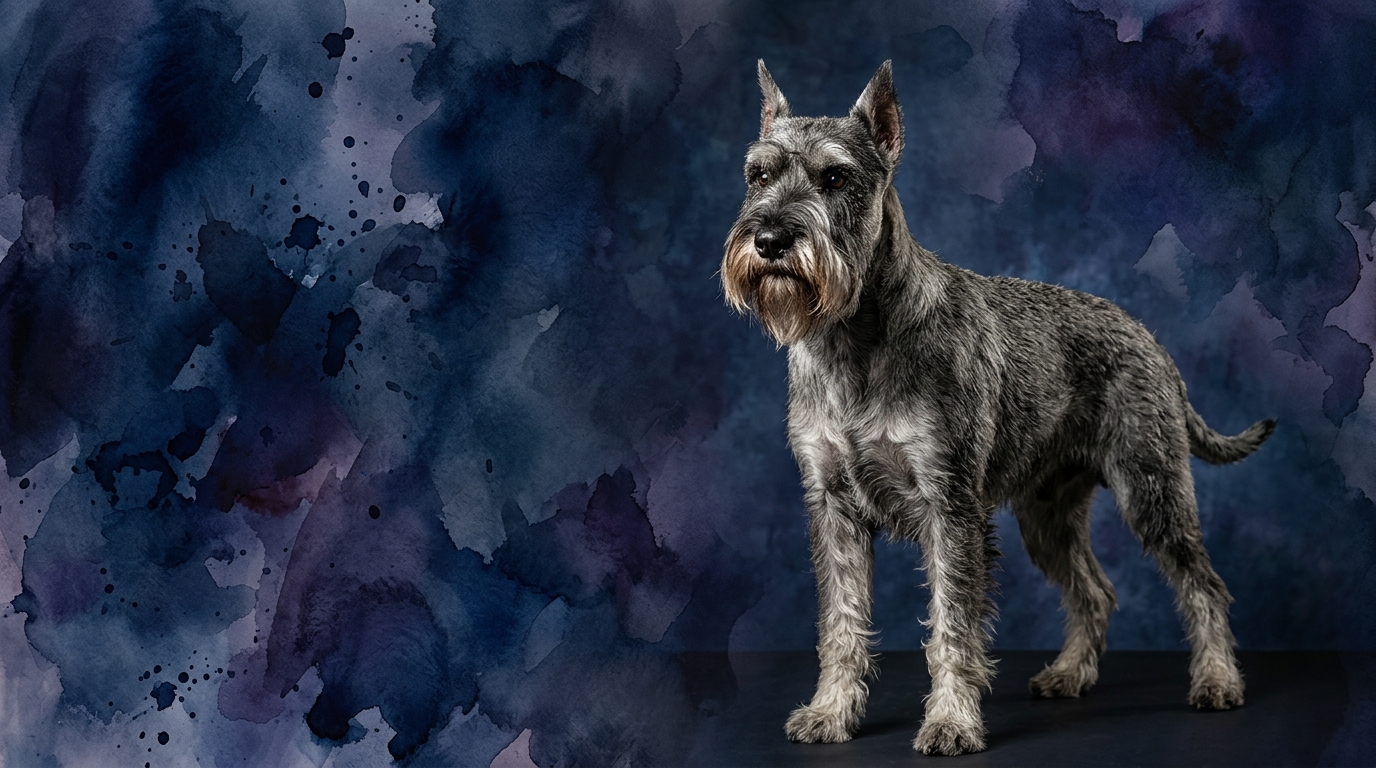
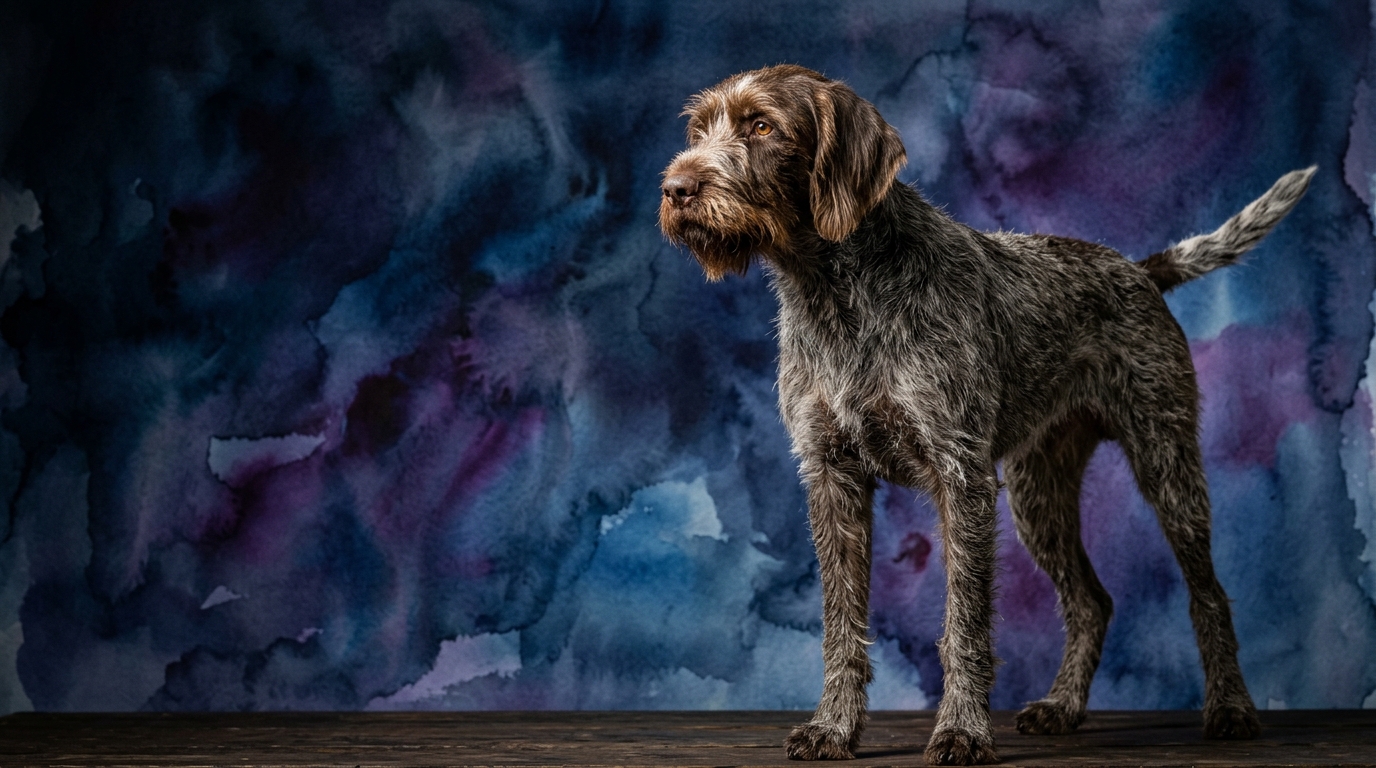
Side-by-Side Cognitive Profile
The Standard Schnauzer, originating from Germany as versatile farm dogs, possesses a cognitive profile reflecting their demanding working heritage. Their “Problem Solving” rates at an impressive 4/5, indicating a strong capacity to independently analyze and navigate novel situations. “Training Speed” also scores 4/5, suggesting they grasp new commands and routines with remarkable efficiency. “Social Intelligence” is marked at 3/5, meaning they are generally attuned to human cues but often maintain a degree of independence. Their “Instinctive Drive” stands at 3/5, encompassing their natural guarding instincts, desire for purposeful work, and keen awareness of their surroundings. Finally, their “Memory” is rated 4/5, allowing them to retain learned behaviors and experiences over time effectively. The Standard Schnauzer’s Coren ranking at #22 places them among breeds with a notable capacity for obedience and working intelligence.
Hailing from the Netherlands, the Wirehaired Pointing Griffon was meticulously bred for pointing and retrieving game across diverse, often challenging terrains. Their “Problem Solving” is rated 3/5, indicating a practical, task-oriented approach to challenges rather than complex abstract reasoning. “Training Speed” also sits at 3/5, suggesting they learn at a steady pace, benefiting greatly from clear, consistent instruction. Their “Social Intelligence” is 3/5, reflecting an amiable but often independent nature, well-suited for working alongside hunters without constant supervision. “Instinctive Drive” is a balanced 3/5, specifically geared towards their pointing and retrieving functions, demonstrating persistence and focus in their hunting tasks. Their “Memory” is rated 3/5, sufficient for remembering hunting patterns, commands, and familiar routines. The Wirehaired Pointing Griffon does not appear on Coren’s list, which typically focuses on general obedience and working intelligence, but this does not diminish their specialized cognitive strengths.
Where the Standard Schnauzer Excels Cognitively
The Standard Schnauzer exhibits a clear cognitive advantage in several key areas that underscore its working breed status. With a “Problem Solving” score of 4/5, they demonstrate a superior ability to independently analyze and resolve new challenges, whether it's figuring out a complex puzzle toy or adapting to an unfamiliar training scenario. This capacity for self-directed thought, coupled with their 4/5 “Training Speed,” means they often pick up complex sequences of commands and intricate tasks with remarkable quickness. Their impressive 4/5 “Memory” further reinforces this, allowing them to retain a vast repertoire of learned behaviors and experiences, making them excellent candidates for advanced obedience, agility, or various working roles. This combination of quick comprehension, robust problem-solving prowess, and reliable memory makes the Schnauzer particularly adept at learning and adapting to structured work, a hallmark of their Working group classification and their high Coren ranking.
Where the Wirehaired Pointing Griffon Excels Cognitively
While the Wirehaired Pointing Griffon doesn't outrank the Standard Schnauzer in individual IQ dimensions, its cognitive profile represents a specific type of excellence perfectly tailored to its sporting purpose. Its balanced 3/5 “Instinctive Drive” is not merely adequate; it signifies a finely tuned aptitude for hunting tasks, combining keen scenting, precise pointing, and diligent retrieving without excessive impulsivity. This specific drive, rather than a generalized working urge, allows them to excel in their specialized field with remarkable focus and endurance. Their consistent 3/5 scores across “Problem Solving,” “Training Speed,” “Social Intelligence,” and “Memory” indicate a well-rounded, practical intelligence. This cognitive balance allows them to be highly adaptable and reliable companions in diverse outdoor environments, capable of making sound, on-the-spot decisions relevant to their hunting duties, without requiring the abstract problem-solving of a Schnauzer. Their strength lies in their holistic suitability for a demanding, independent, yet cooperative hunting role.
Training Ease: Schnauzer vs. Griffon
Based on their “Training Speed” scores, the Standard Schnauzer, with its 4/5 rating, is generally quicker to train in terms of rapidly acquiring new commands and routines. Their inherent desire to work alongside their human and their quick grasp of concepts mean they often pick up new skills swiftly, making them rewarding partners for obedience and performance sports. This is partly due to their historical role requiring them to understand and execute complex commands to guard property or drive livestock, fostering a strong work ethic and attentiveness to human instruction. The Wirehaired Pointing Griffon, scoring 3/5 in “Training Speed,” learns at a steady but perhaps less immediate pace. While equally capable of learning, a Griffon’s training often requires more patience, consistency, and an understanding of their strong prey drive. They might be more prone to following their nose or focusing on environmental stimuli during training sessions, demanding a trainer who can channel their natural hunting instincts effectively. Positive reinforcement methods are crucial for both, but the Schnauzer typically demonstrates a more eager responsiveness to structured lessons, while the Griffon might require training to be more integrated into their natural drives and outdoor activities.
Matching Breeds to Lifestyles: Active vs. Relaxed Owners
For active owners seeking a canine partner for diverse mental and physical challenges, the Standard Schnauzer is an excellent fit. Their high “Problem Solving” and “Memory” scores mean they thrive on consistent mental stimulation, requiring engaging activities beyond just physical exercise. They excel in dog sports like agility, obedience, rally, and even scent work, demanding an owner who can consistently provide structured learning and opportunities to use their intellect. A Schnauzer without sufficient mental engagement can become bored and potentially develop undesirable behaviors, channeling their cognitive energy into less desirable outlets. Conversely, while the Wirehaired Pointing Griffon also requires a significant amount of activity, their needs lean more towards sustained physical exercise and opportunities to engage their specific “Instinctive Drive” for hunting. They are ideal for owners who enjoy hiking, long walks, swimming, or actual hunting, allowing them to use their natural pointing and retrieving abilities. A relaxed owner might struggle with either breed's energy levels, but a Standard Schnauzer's need for consistent mental work might be more demanding in a home setting than a Griffon's need for expansive outdoor physical exertion.
The Verdict
Opt for a Standard Schnauzer if you desire a highly trainable, mentally agile companion eager to learn complex tasks and participate in structured activities, thriving on intellectual challenges and a close working partnership.
Select a Wirehaired Pointing Griffon if you seek a balanced, tenacious outdoor partner with a strong, specific hunting drive, ideal for active lifestyles centered around field work, hiking, and exploring natural environments.
🧠 Find Your Pet's IQ Score
Our Pet IQ Lab assessment covers 25+ tests across 5 cognitive dimensions — personalized to your breed.
Take the Full IQ Test →Frequently Asked Questions
Is the Standard Schnauzer truly smarter than the Wirehaired Pointing Griffon?
Based on Coren's ranking and the provided IQ dimensions, the Standard Schnauzer generally exhibits higher scores in areas like problem-solving, training speed, and memory. However, the Wirehaired Pointing Griffon possesses a highly specialized and effective cognitive profile perfectly suited for its hunting role, demonstrating a different kind of operational intelligence for its specific purpose.
How does the 'instinctive drive' differ between these two breeds?
The Standard Schnauzer's instinctive drive (3/5) is rooted in its historical role as a farm dog, encompassing guarding, herding, and vermin control, leading to a desire for purposeful work and vigilance. The Wirehaired Pointing Griffon's instinctive drive (3/5) is specifically geared towards pointing and retrieving game, involving keen scenting, persistent searching, and a natural inclination to cooperate in a hunting context.
Can a Wirehaired Pointing Griffon excel in obedience despite its lower training speed score?
Absolutely. While their training speed score of 3/5 suggests they might take a bit longer to master commands, Griffons are highly capable and eager to please their owners. Consistent, positive reinforcement, combined with training methods that tap into their natural drives and love for activity, can lead to excellent obedience results and a well-mannered companion.