
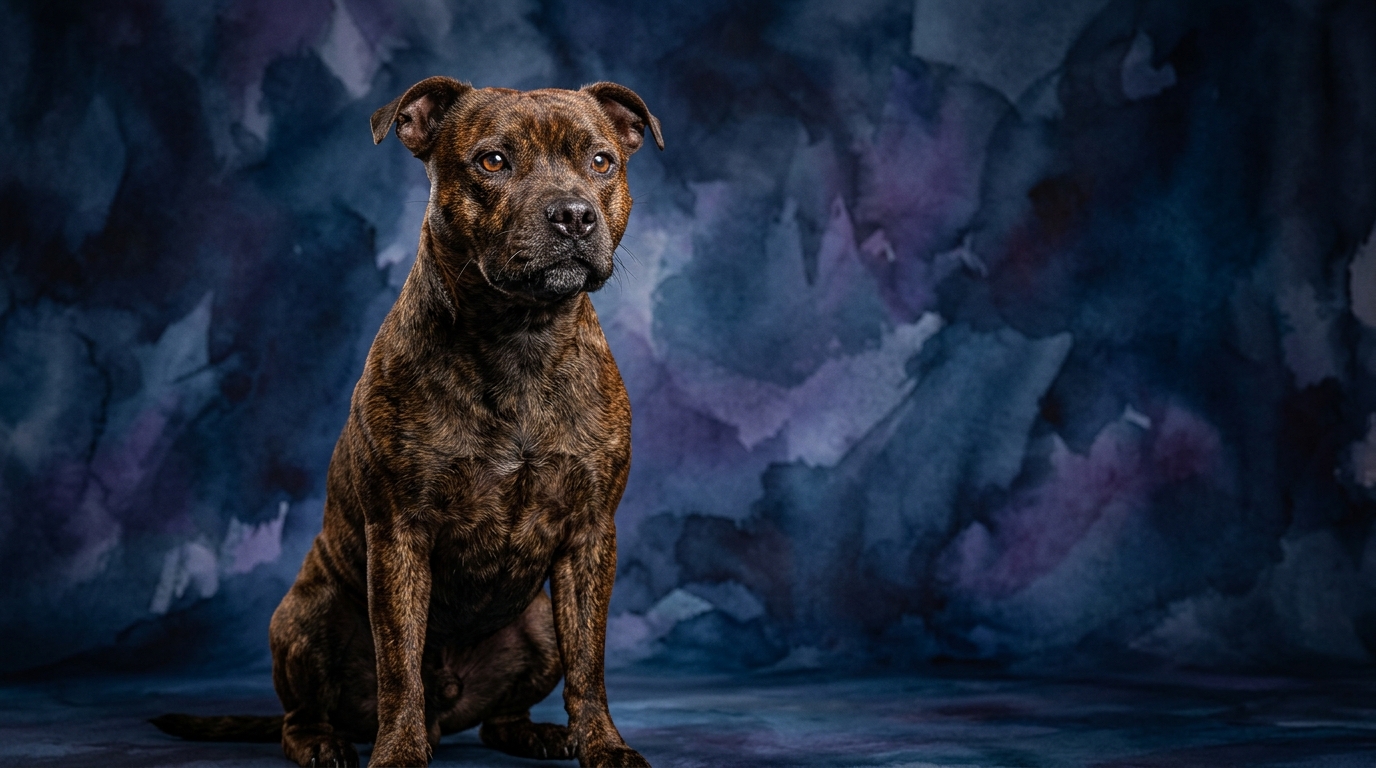
Side-by-Side Cognitive Profile: Identical Scores, Distinct Expressions
At first glance, the Pet IQ Lab scores for both the Sussex Spaniel and the Staffordshire Bull Terrier appear remarkably similar, each earning a consistent 3/5 across problem-solving, training speed, social intelligence, instinctive drive, and memory. However, these identical numerical ratings belie fascinating differences in how these cognitive attributes manifest in breeds with such diverse historical purposes. A score of 3/5 indicates a solid, functional level of intelligence, but the specific context of that intelligence is deeply rooted in their heritage.
For Problem Solving (3/5), a Sussex Spaniel might apply this to navigating complex scent trails or figuring out how to flush game from dense cover, demonstrating a methodical approach rooted in their gundog role. A Staffordshire Bull Terrier, conversely, might exhibit their problem-solving by persistently maneuvering to access a desired object, overcoming obstacles with determination, or finding creative ways to engage with their environment, reflecting their tenacious terrier spirit.
Training Speed (3/5) for the Sussex Spaniel often translates to a steady, cooperative learning pace, where their desire to work with a handler helps them absorb cues, though they can be momentarily distracted by compelling scents. For the Staffordshire Bull Terrier, a 3/5 in training speed means they are certainly capable learners, but their strong will and independent streak often require more engaging and consistent motivation to ensure compliance, especially when their focus is elsewhere.
Social Intelligence (3/5) in a Sussex Spaniel typically involves a strong attunement to their human companions, understanding cues and desiring cooperative interaction, a trait vital for working alongside hunters. A Staffy’s 3/5 social intelligence often manifests as profound loyalty and an exceptional capacity for emotional connection with their family, frequently displaying a remarkable sensitivity to human moods, which has earned them their affectionate 'nanny dog' reputation.
Instinctive Drive (3/5) in the Sussex Spaniel is prominently linked to their scenting abilities and flushing behavior, leading to a natural inclination for exploration with their nose and a desire to retrieve. For the Staffordshire Bull Terrier, this drive often presents as intense tenacity, a strong prey drive towards small, fast-moving objects, and a desire to engage with purpose, reflecting their historical role in tenacious pursuits. Lastly, Memory (3/5) for both breeds signifies a good capacity to retain commands, routines, and experiences. A Sussex Spaniel will remember training sequences and favored routes during walks, while a Staffordshire Bull Terrier will recall training cues and routines, often with strong emotional associations to people and past interactions.
Where the Sussex Spaniel Excels Cognitively
The Sussex Spaniel’s cognitive strengths are deeply intertwined with their role as a cooperative gundog. While both breeds score 3/5 across the board, the Sussex Spaniel often demonstrates a more fluid application of their problem-solving and social intelligence within a partnership context. Their problem-solving, for instance, is often directed towards tasks that benefit a team, such as systematically working cover or tracking a scent, rather than purely independent endeavors. This makes them particularly adept at activities requiring a handler-dog bond to achieve a shared goal.
Their instinctive drive, while potent, is typically channeled into scent work and retrieving, which are highly trainable and can be easily integrated into structured games or competitive events like scent detection trials. This allows their natural inclinations to be harnessed constructively. Furthermore, their social intelligence often translates into a keen awareness of their handler’s intent during cooperative tasks, fostering a responsive and harmonious working relationship. Owners often find their Sussex Spaniel to be highly communicative through body language and eager to please, making them intuitive partners in various activities.
Where the Staffordshire Bull Terrier Stands Out Cognitively
The Staffordshire Bull Terrier's cognitive advantages stem from their remarkable tenacity and deep emotional intelligence. While their problem-solving also rates at 3/5, it is often characterized by an unyielding persistence. They excel at tasks that require sustained effort, determination, and a refusal to give up, whether it’s figuring out how to reach a favorite toy or excelling in dog sports that demand grit. Their ability to focus intensely on a singular objective, once engaged, is a hallmark of their cognitive makeup.
Their 3/5 social intelligence is often expressed as an extraordinary capacity for bonding and a profound emotional connection with their human family, particularly children. Staffies are frequently praised for their sensitivity to human emotions, offering comfort and companionship with an almost intuitive understanding. This makes them exceptionally devoted family members. Their instinctive drive, also 3/5, manifests as incredible resilience and a powerful desire for engagement. When channeled appropriately, this drive can make them formidable and enthusiastic competitors in dog sports like agility or obedience, where sustained motivation and physical prowess are key.
Training Dynamics: Sussex Spaniel vs. Staffordshire Bull Terrier
When considering ease of training, the identical 3/5 training speed scores for both breeds require a deeper look into their behavioral nuances. The Sussex Spaniel, with its gundog heritage, generally exhibits a more biddable and cooperative temperament. They were selectively bred to work alongside humans, responding to commands in the field, which translates to a natural inclination to please and a relatively straightforward approach to positive reinforcement training. While their nose can sometimes lead them astray, they typically desire to engage with their handler and learn new tasks with consistent guidance.
The Staffordshire Bull Terrier, conversely, presents a different training dynamic despite the same 3/5 training speed. Their terrier lineage instilled a strong will and an independent streak that can sometimes be perceived as stubbornness. They are quick to learn but may require more persuasive motivation and unwavering consistency to ensure compliance, especially when their powerful prey drive or personal preferences conflict with a command. Training a Staffy needs to be highly engaging, fair, and firm, establishing clear boundaries and reinforcing the handler as a respected leader. Their tenacity means they will persist, which can be a challenge if they decide to 'win' a disagreement, but also a strength when they are motivated to perform.
Lifestyle Match: Active Engagement vs. Cooperative Companionship
Choosing between a Sussex Spaniel and a Staffordshire Bull Terrier also involves aligning with their intrinsic energy levels and engagement needs. The Sussex Spaniel generally suits owners who enjoy moderate daily activity, such as long, investigative walks where their scenting abilities can be indulged, or casual hikes. They are active and alert outdoors, but also content to relax indoors, making them adaptable to homes that offer a balance of exploration and downtime. Owners who appreciate a dog that is a cooperative partner in outdoor pursuits and enjoys mentally stimulating scent work will find a good match.
The Staffordshire Bull Terrier, on the other hand, typically thrives with active owners who can provide consistent, vigorous exercise and mental challenges. Their inherent tenacity and powerful build mean they need outlets for their energy and drive. They excel in structured play, advanced training, and dog sports that engage their strong will and physical capabilities, such as agility, obedience, or even robust tug-of-war sessions. While famously affectionate and cuddly indoors, they are not suited for purely relaxed owners; their need for engagement and physical exertion can lead to frustration or destructive behaviors if unmet. They require an owner who can channel their boundless enthusiasm and determination into positive activities.
The Verdict
Choose the Sussex Spaniel if you seek a cooperative companion for moderate outdoor activities, enjoy scent-based games, and appreciate a dog generally eager to please and work alongside you in a harmonious partnership.
Opt for the Staffordshire Bull Terrier if you are an active owner prepared to provide consistent physical and mental engagement, appreciate a dog with immense loyalty and tenacity, and can channel their strong will into positive, structured endeavors.
🧠 Find Your Pet's IQ Score
Our Pet IQ Lab assessment covers 25+ tests across 5 cognitive dimensions — personalized to your breed.
Take the Full IQ Test →Frequently Asked Questions
Are Sussex Spaniels generally good with children?
Generally, yes. Their 3/5 social intelligence often translates to a gentle and patient demeanor with children, especially when well-socialized from a young age. They tend to be tolerant and form strong family bonds, making them suitable companions for a household with respectful kids who understand how to interact with dogs.
Do Staffordshire Bull Terriers require a lot of exercise?
Yes, their 3/5 instinctive drive and tenacious nature mean they benefit significantly from regular, vigorous exercise to keep them mentally and physically content. Daily structured walks, play sessions, and opportunities to burn energy are crucial to prevent boredom and channel their drive positively into appropriate activities.
Which breed might be better suited for a first-time dog owner?
The Sussex Spaniel might be slightly more forgiving for a first-time owner due to their generally more biddable nature and cooperative temperament, making basic training a smoother process. The Staffordshire Bull Terrier's strong will and need for consistent, firm guidance can be more challenging for someone new to dog ownership, though a dedicated first-timer can certainly succeed with either through commitment and education.