Side-by-side IQ profile
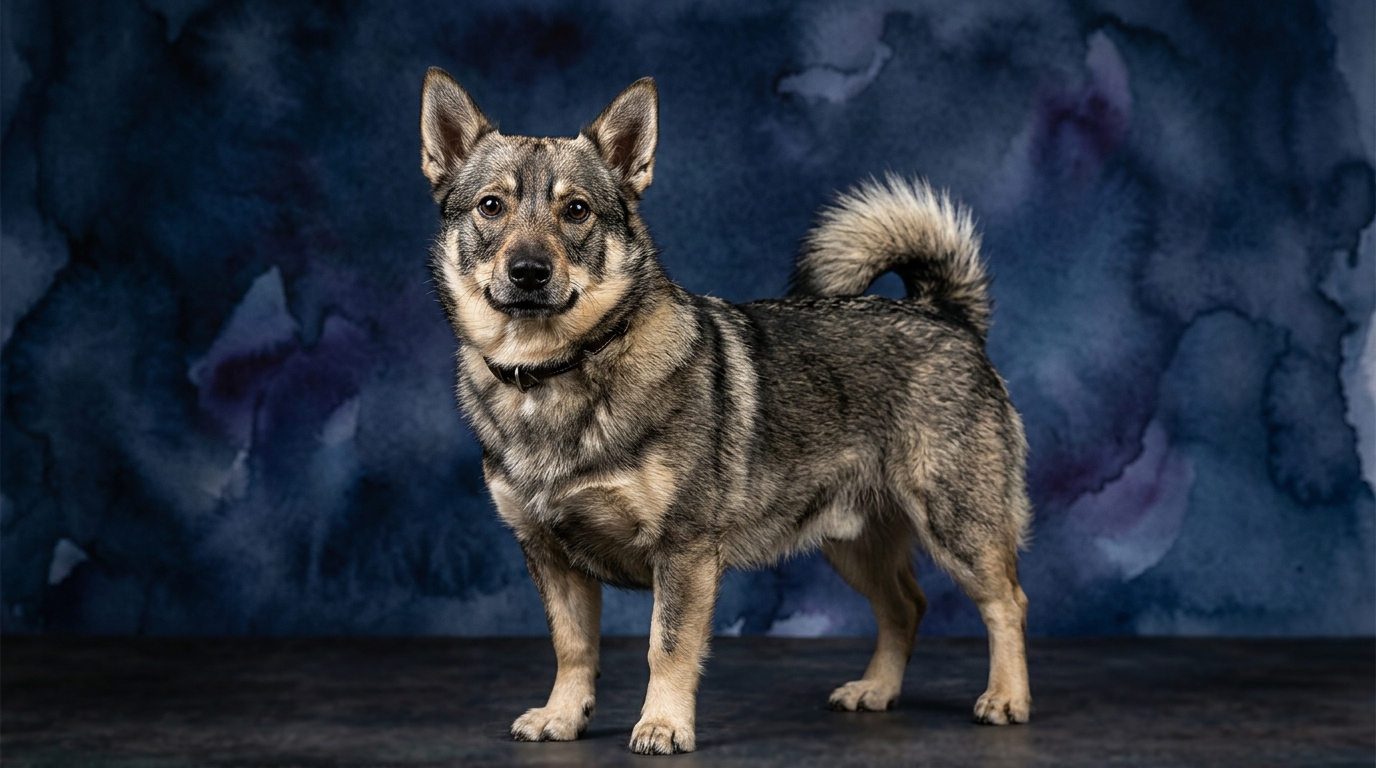
The Cosmic Pet Pet IQ Lab provides a comprehensive framework to assess canine intelligence beyond conventional obedience metrics. For the Swedish Vallhund, a resilient herding dog from Sweden, its cognitive profile presents a balanced picture: Problem Solving is rated at 3/5, indicating a solid capacity to navigate novel situations and figure out solutions. Its Training Speed, also 3/5, suggests it learns new commands at a moderate pace, requiring consistent but not excessive repetition. Social Intelligence, at 3/5, points to a moderate ability to interpret human cues and interact appropriately within social structures. The Instinctive Drive, rated 3/5, highlights its inherent herding tendencies and working motivations, which, while present, are manageable. Finally, its Memory stands at 3/5, implying a decent retention of learned behaviors and experiences over time. The Swedish Vallhund is not listed on Stanley Coren's ranking of dog intelligence, which typically focuses on working and obedience intelligence.
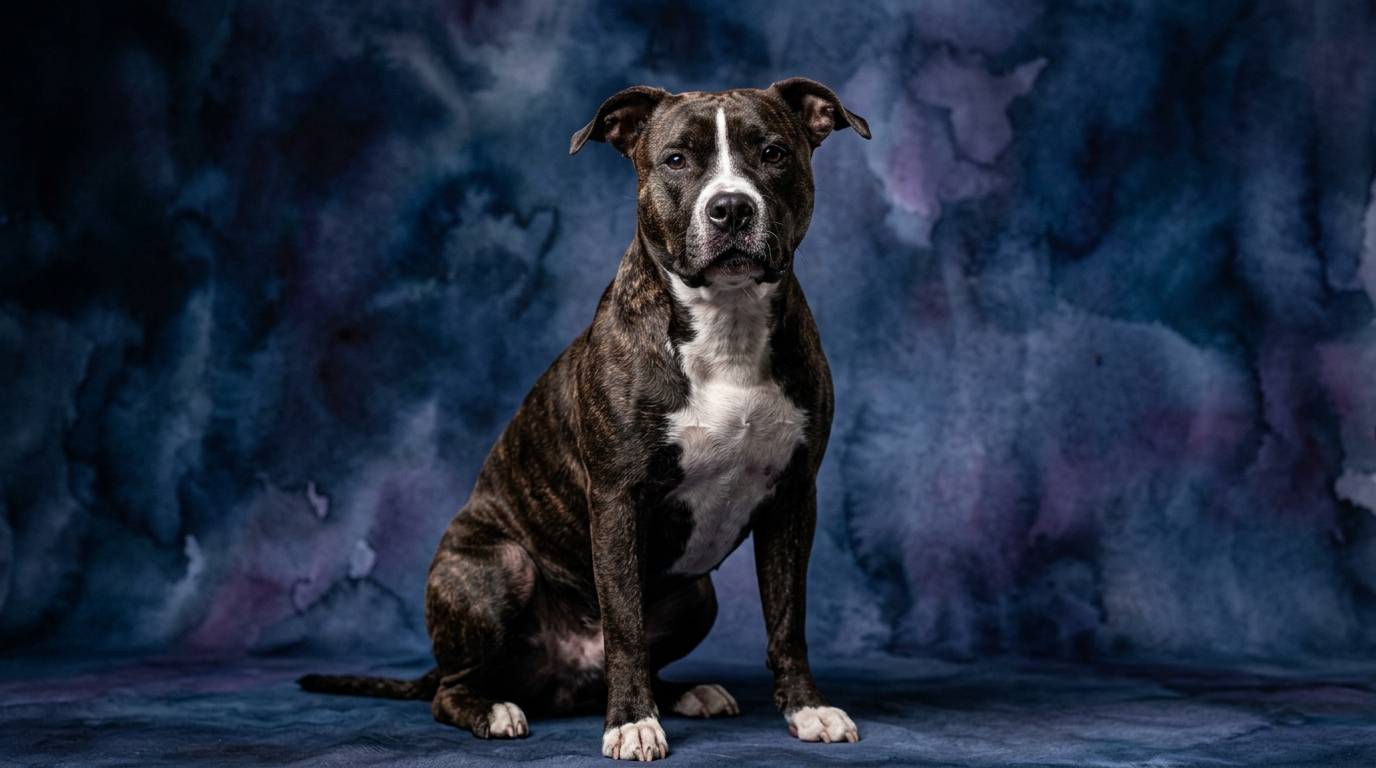
In contrast, the American Staffordshire Terrier, a powerful and devoted terrier breed, shares several cognitive ratings with the Vallhund but diverges significantly in one crucial area. Its Problem Solving also registers at 3/5, demonstrating a similar practical aptitude for tackling environmental challenges. Training Speed, matching the Vallhund at 3/5, means it too learns new commands with a moderate number of repetitions. Social Intelligence is likewise 3/5, indicating a comparable capacity for understanding and responding to human interactions. Its Instinctive Drive, at 3/5, reflects the tenacious and driven nature characteristic of terriers, channeled into tasks and engagement. The notable difference lies in its Memory, which scores a higher 4/5. This suggests the American Staffordshire Terrier retains learned information and commands more effectively and for longer durations than the Vallhund. Notably, the American Staffordshire Terrier holds the #48 position in Stanley Coren's 'The Intelligence of Dogs,' placing it in the 'Average Working/Obedience Intelligence' category, meaning it generally understands new commands in 25 to 40 repetitions and obeys first commands 50% of the time or better.
Where Swedish Vallhund wins cognitively
While the raw scores might suggest an even playing field in many cognitive areas, the Swedish Vallhund's strength lies in the cohesive application of its balanced profile, particularly concerning its herding heritage. Its 3/5 Instinctive Drive is not merely a number; it represents a sophisticated, ancient drive for controlling livestock, which requires nuanced spatial reasoning, quick decision-making, and the ability to work semi-independently. This means a Vallhund's problem-solving (3/5) is often geared towards environmental navigation and strategy, rather than just puzzle-solving, reflecting a practical, adaptive intelligence crucial for its original role. The Vallhund excels in tasks that require consistent, self-regulated engagement and an understanding of dynamic environments. Its steady 3/5 in Social Intelligence, combined with its herding drive, allows it to form strong working partnerships, reading and responding to human direction within a task-oriented framework. This breed demonstrates a balanced cognitive resilience, capable of consistently performing without pronounced weaknesses in any single area, making it a reliable and versatile companion for owners who appreciate a dog with consistent, all-around mental faculties rather than a singular standout trait.
Where American Staffordshire Terrier wins cognitively
The American Staffordshire Terrier clearly distinguishes itself with its superior Memory score of 4/5, a full point higher than the Swedish Vallhund. This cognitive advantage translates into more robust retention of commands, routines, and past experiences. For owners, this means that once an AmStaff learns a command or behavior, it is likely to recall and perform it with greater consistency over time, potentially requiring fewer refreshers. This strong memory underpins its #48 Coren ranking, which specifically assesses working and obedience intelligence – categories where reliable recall and command execution are paramount. Furthermore, its 3/5 Instinctive Drive, rooted in terrier tenacity, manifests as a focused determination. This drive, combined with its memory, enables the AmStaff to apply persistent effort to tasks, learning to overcome obstacles through sheer willpower and remembering successful strategies. While its problem-solving is rated similarly to the Vallhund, the AmStaff's cognitive strengths lean towards a resolute focus on tasks once understood, making it particularly effective in structured training scenarios where consistency and recall are highly valued.
Which is easier to train and why
When evaluating ease of training, both breeds present a Training Speed of 3/5, suggesting they absorb new commands at a moderate pace. However, the American Staffordshire Terrier gains an edge due to its superior Memory (4/5). While both may take a similar number of repetitions to initially grasp a command, the AmStaff is more likely to retain that knowledge long-term, reducing the need for constant reteaching. This makes the AmStaff potentially more efficient in building a robust repertoire of commands and behaviors. The Vallhund's herding instinct (3/5) can be a double-edged sword; while it provides a strong drive to work and engage, it also fosters a degree of independent thought and decision-making, which can sometimes appear as stubbornness if not channeled appropriately. In contrast, the AmStaff's terrier drive (3/5) is characterized by determination and focus, which, when directed positively, can result in a highly engaged and dedicated learner. Their strong will, however, requires a handler who is equally consistent and firm, but always fair, utilizing positive reinforcement to build a strong working relationship. The AmStaff's Coren ranking further supports its aptitude for obedience training, indicating a general readiness to learn and execute commands within a structured environment.
Which suits active owners vs relaxed owners
Neither the Swedish Vallhund nor the American Staffordshire Terrier are suited for truly 'relaxed' owners in the sense of minimal engagement. Both are robust, active breeds requiring significant physical exercise and mental stimulation to thrive. The Swedish Vallhund, with its herding background and balanced cognitive profile, benefits immensely from activities that engage its problem-solving and instinctive drive, such as agility, herding trials, or interactive puzzle toys. An owner who enjoys structured training, outdoor adventures, and providing diverse mental challenges will find the Vallhund a rewarding partner. Its balanced intelligence means it generally adapts well to various activities as long as it gets consistent engagement.
The American Staffordshire Terrier also demands an active lifestyle. Its strong physique, coupled with its tenacious terrier drive and superior memory, means it excels in activities requiring strength, endurance, and consistent learning, such as weight pull, obedience, or advanced trick training. An active owner who is committed to continuous training and provides ample opportunities for physical exertion will find the AmStaff a devoted and capable companion. While both breeds need daily exercise, the AmStaff's need for consistent mental engagement through training might be slightly more pronounced due to its higher memory and focused drive. Neither breed will be content with a sedentary lifestyle; boredom can lead to undesirable behaviors in both, highlighting the need for owners who are prepared to dedicate time to their dog's physical and mental well-being.
The Verdict
Choose the Swedish Vallhund if you seek a versatile, consistently capable companion with a balanced cognitive profile that excels in varied, practical challenges and enjoys a strong working partnership.
Opt for the American Staffordshire Terrier if you value a dog with exceptional memory and focused determination, ideal for consistent, advanced obedience training and tasks requiring resolute application.
🧠 Find Your Pet's IQ Score
Our Pet IQ Lab assessment covers 25+ tests across 5 cognitive dimensions — personalized to your breed.
Take the Full IQ Test →Frequently Asked Questions
Is the Swedish Vallhund difficult to train?
The Swedish Vallhund has a Training Speed of 3/5, meaning it learns at a moderate pace. While not inherently difficult, its independent herding instincts require consistent, positive reinforcement and an owner willing to channel its drives into productive activities.
How does the American Staffordshire Terrier's memory impact its behavior?
With a Memory score of 4/5, the American Staffordshire Terrier retains commands and experiences exceptionally well. This means it learns routines quickly and remembers past interactions, which can be a great asset for complex training but also means it remembers negative experiences longer.
Are these breeds good for first-time dog owners?
Both breeds require owners committed to consistent training, socialization, and ample exercise, making them potentially challenging for novice owners. The AmStaff's strong will and the Vallhund's independent herding drive necessitate experienced handling or a dedicated first-time owner prepared to invest heavily in training.